


The World as an Aesthetic
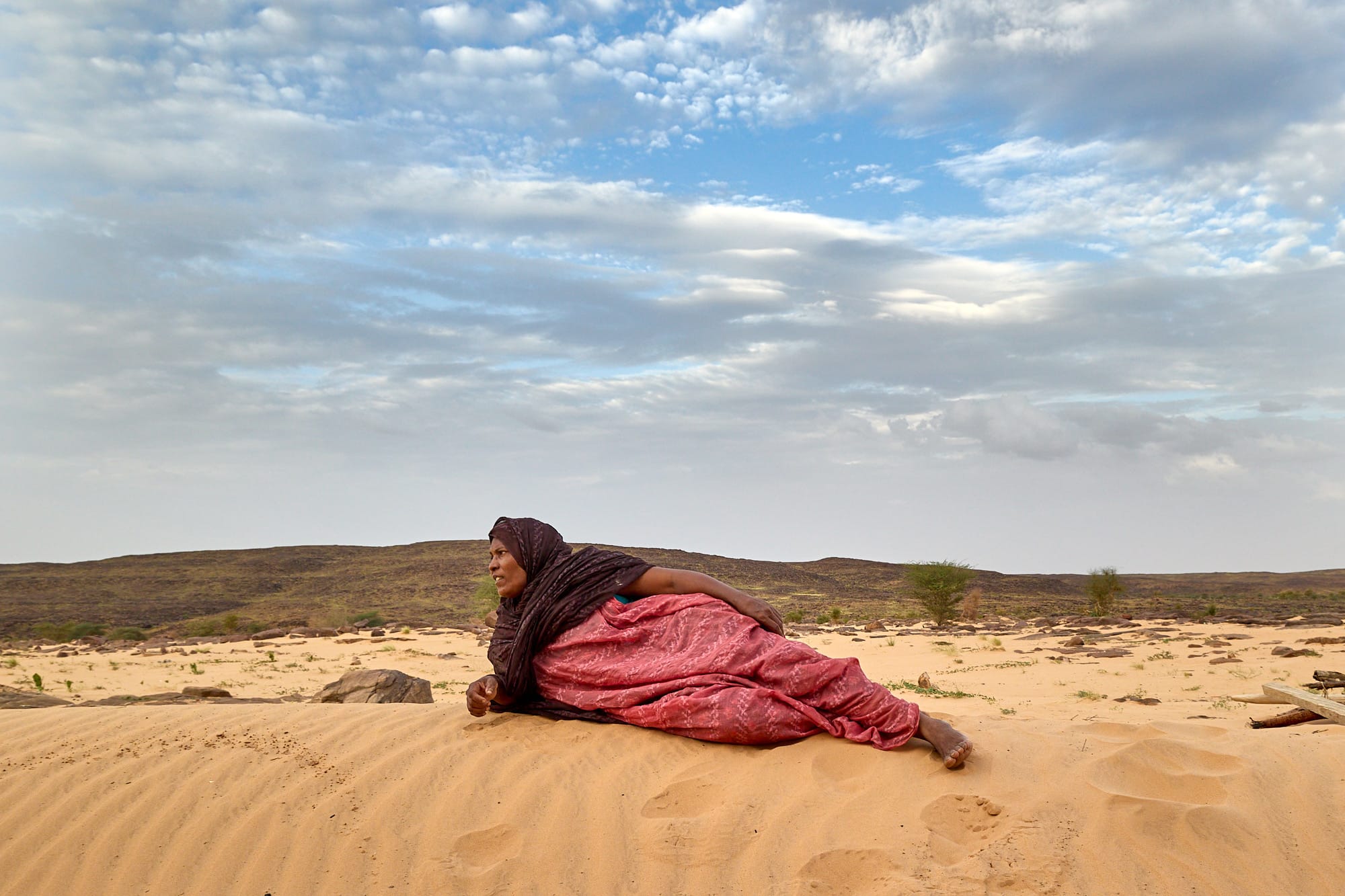
In the Adrar Desert of Mauritania, a woman walks across the sand, her red veil standing out against a sky heavy with clouds. In one hand, she carries a container. Behind her, dark rocks mark the horizon.
There is something beautiful about the scene: the solitude of the figure, the quiet geometry of the landscape, the contrast between color and emptiness. The photographer raises a camera and captures a moment that seems to contain an entire story. But what story?
Imagine the photograph appearing online, accompanied by a few words about suffering, endurance, or the invisible weight of a difficult life. Yet what does the photographer actually know about the woman in the picture? Where is she going? What is she carrying? What does this particular moment mean in her life?
The photograph alone cannot tell us whether a conversation took place, whether the photographer and the woman knew each other, or whether this was a brief encounter. It shows a woman walking alone through the Adrar Desert.
But it tells us nothing about where she is going, what she is thinking, or the circumstances of her life. Understanding those things requires time, context, and the willingness to listen.
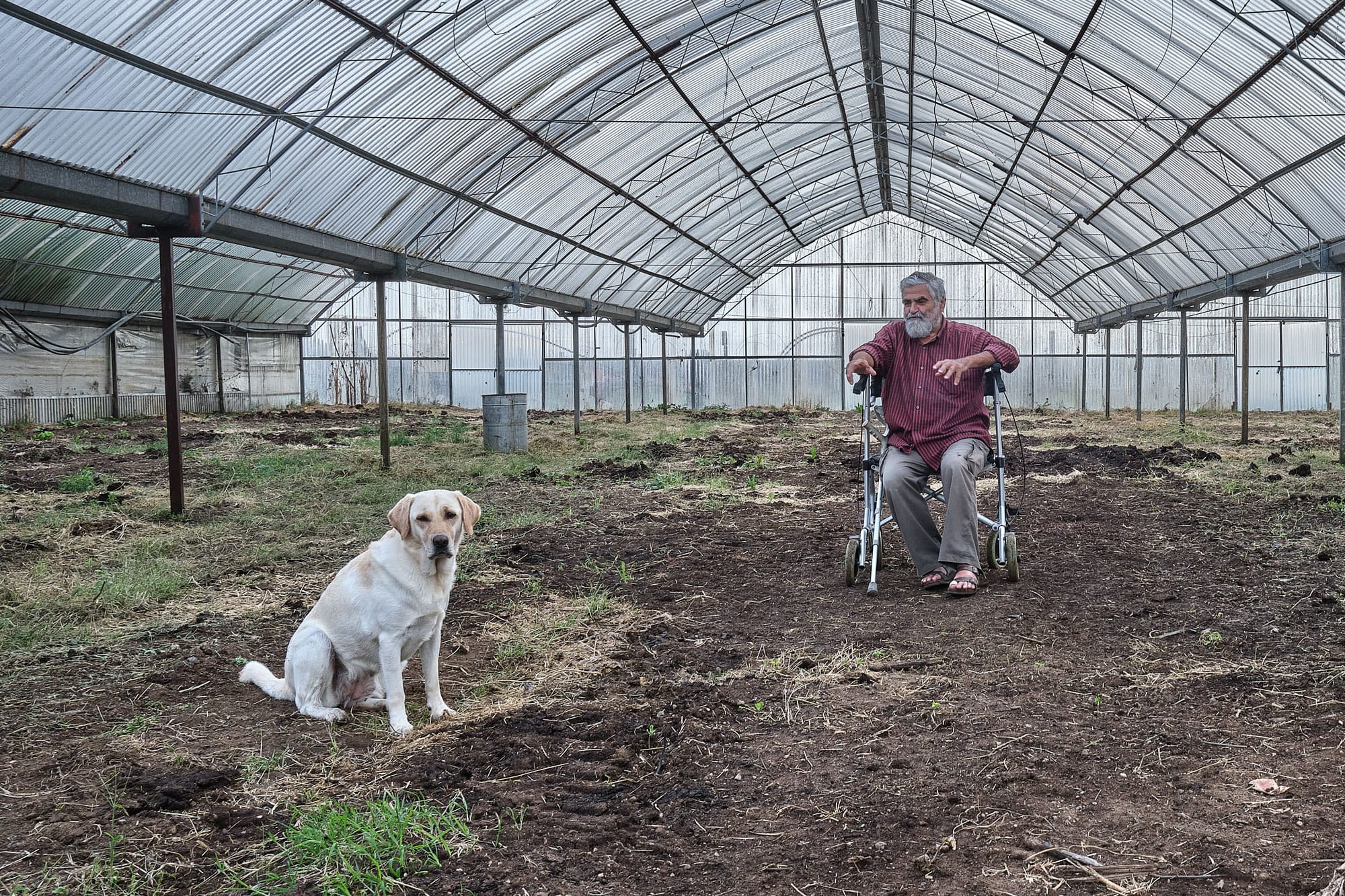
The image cannot tell us which. This is a hypothetical scene, but it describes a question that has become increasingly relevant to contemporary photography: the distance between what an image shows and what its author claims to know.
A photograph can record a gesture, a place, an expression, a particular arrangement of light. It may suggest an emotion or invite an interpretation. But it cannot, by itself, establish the history of a stranger, explain the motives behind an action, or reveal the social conditions that produced a particular moment.
We often forget this because photographs feel immediate. They arrive before explanations, apparently free of language, and their visual authority encourages us to believe that we are witnessing something directly.
Yet every photograph is already the result of decisions: where the photographer stood, what entered the frame, what remained outside it, when the shutter was released, and which image was eventually selected for publication.
The problem is not that photographers interpret the world. Interpretation is unavoidable, and photography would be a poorer language without it.
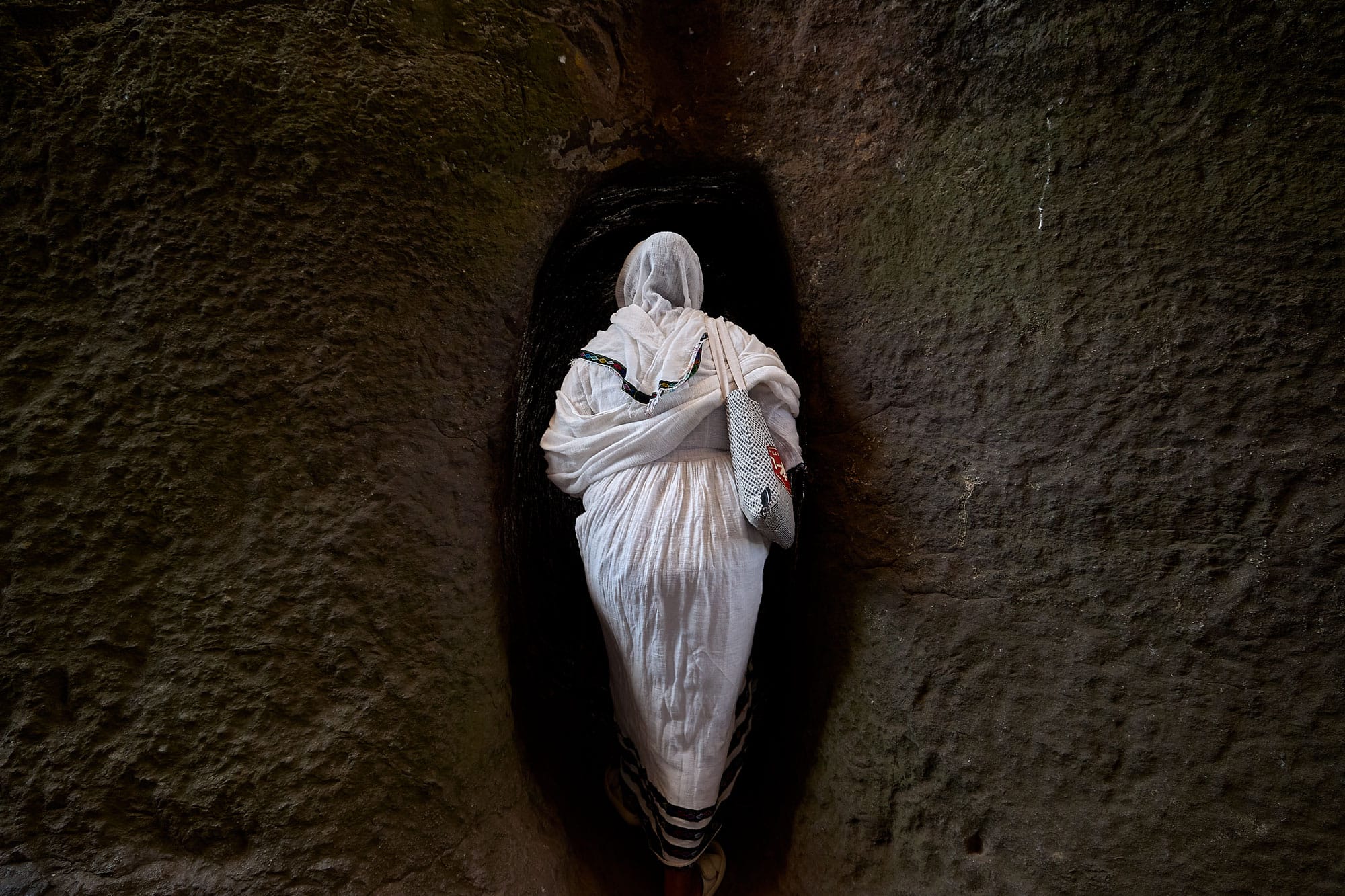
The problem begins when interpretation quietly becomes testimony, when an imagined biography replaces a person's actual experience, or when the photographer's emotional response is presented as knowledge about someone else's life.
There is nothing inherently dishonest about poetic photography. A personal visual diary can reveal something meaningful about its author's relationship with the world. Street photography can illuminate a society through fleeting encounters. An abstract image can communicate a truth that no conventional description could express.
But these practices do not automatically become documentary research simply because they depict real people or real places. The distinction matters because words establish expectations.
When we call a photograph documentary, we suggest that it belongs to a particular relationship with reality, one in which the image makes claims that can be questioned, contextualized, and, at least to some degree, verified. That claim deserves more than an attractive visual style.
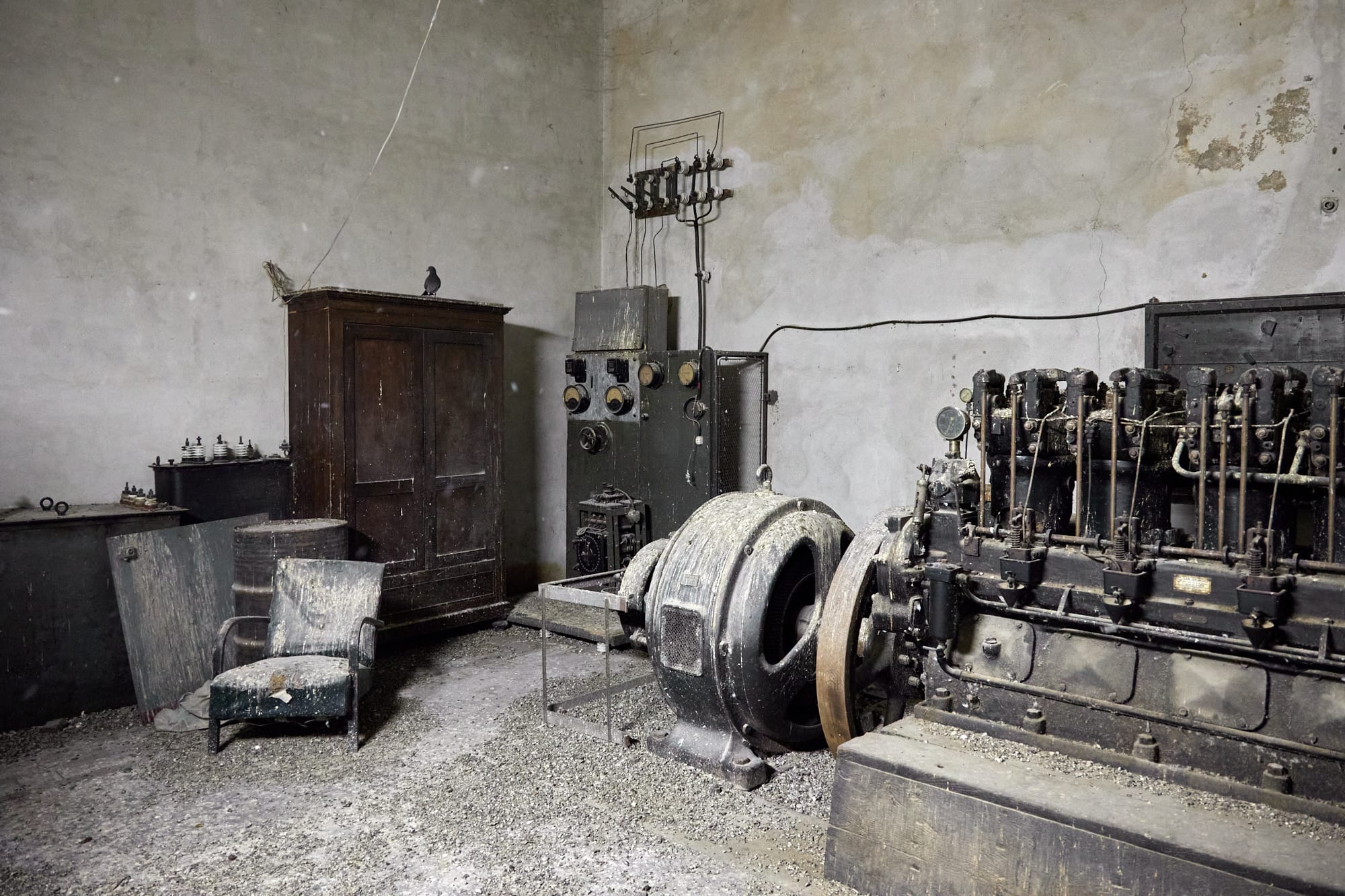
What Documentary Photography Once Promised
The history of documentary photography is often told as a history of images that changed the world: children working in factories, families displaced by poverty, wars brought into distant living rooms, communities whose existence had rarely been acknowledged by the institutions that governed them. There is truth in this account, but also a temptation to simplify it.
At the beginning of the twentieth century, the American photographer and sociologist Lewis Hine used his camera to investigate child labor in the United States. Working for the National Child Labor Committee between 1908 and 1924, he photographed children in factories, mines, fields, and workshops, frequently gathering information about their ages, occupations, and working conditions.
His photographs were not merely expressions of sympathy. They formed part of an organized effort to expose labor practices and support social reform. Their evidentiary force came partly from the relationship between image, investigation, and the institutions seeking change.
Yet documentary photography has never been politically innocent. Images created in the service of reform can also reflect the priorities of reformers, the interests of those financing the work, and the unequal power of the person holding the camera.
During the Great Depression, the American government's photographic projects — most famously those associated with the Farm Security Administration — produced an extraordinary visual record of agricultural labor, displacement, poverty, and everyday life.
Dorothea Lange, Walker Evans, Gordon Parks, and others helped establish a visual language that continues to influence documentary photographers. Their work also demonstrates how different documentary practices can be, even within projects supported by the same institutions.
Consider one of the most recognizable photographs of the twentieth century: Dorothea Lange's Migrant Mother, made in California in 1936.
The photograph shows Florence Owens Thompson surrounded by her children. Her worried expression, the children turned away from the camera, and the intimate arrangement of their bodies created an image that came to symbolize the hardship of the Depression.
But Thompson was more than the symbol she became. As the Library of Congress explains in its examination of the photograph's history, Thompson later resented the way the image had defined her publicly.
Her life also included forms of strength, independence, and participation in labor struggles that the famous portrait could not communicate. Her daughter remembered her as a leader, not simply as a woman overwhelmed by hardship.
The photograph did not become false because of those missing dimensions. Its power and historical significance remain. But the history surrounding it reveals the limits of even the most celebrated documentary image.
One person became visible to millions of people, while important parts of her life remained invisible.
Gordon Parks offers another perspective on the documentary tradition. His photographs addressed racial segregation, poverty, and social inequality in the United States, but they also celebrated beauty, family life, ambition, cultural identity, and the complexity of Black American experience.
The strength of his work cannot be reduced to the exposure of suffering. It also lies in his refusal to allow injustice to become the only available description of the people living through it.
Decades later, South African visual activist Zanele Muholi would develop another important approach through the ongoing photographic series Faces and Phases, creating a visual archive of Black LGBTQIA+ people in which portraiture becomes an instrument of recognition, memory, and self-representation.
These different histories remind us that documentary photography is not a single aesthetic, a fixed method, or an exclusively Western tradition. It is a field of practices shaped by social struggles, artistic experimentation, political institutions, personal relationships, and changing ideas about who has the right to represent whom. And it has always contained contradictions.
In her influential 1981 essay In, Around, and Afterthoughts (on Documentary Photography), artist and critic Martha Rosler challenged the reassuring assumption that showing social suffering necessarily changes the conditions that produce it.
She questioned what happens when images of deprivation circulate within cultural systems that reward the photographer while leaving the people photographed with little influence over their representation.
The question remains uncomfortable because it cannot be answered by good intentions alone. A photograph may draw attention to an injustice and still reinforce a stereotype.
A story may be produced with genuine sympathy and still deny its protagonists the complexity granted to other people. A project may raise awareness while leaving the structures of power surrounding its creation untouched.
Documentary photography's history is therefore not a story of lost purity. It is a continuing argument about what photographs can reveal, what they conceal, and what photographers owe to the people whose lives make their work possible.
When a Style Becomes an Identity
Today, documentary photography occupies an ambiguous position. It remains a demanding professional and artistic practice, requiring research, observation, judgment, and often significant personal commitment.
At the same time, documentary has become a familiar description in portfolios, biographies, online publications, and social media profiles.
The word carries a particular prestige. It suggests seriousness, social awareness, authenticity, and engagement with something beyond the photographer's immediate interests.
But what happens when the appearance of documentary work becomes easier to recognize — and reproduce — than the practice itself?
Certain visual conventions are now strongly associated with documentary storytelling: muted colors, strong grain, dramatic shadows, weathered faces, solitary figures, modest interiors, abandoned buildings, and everyday gestures isolated from their surroundings.
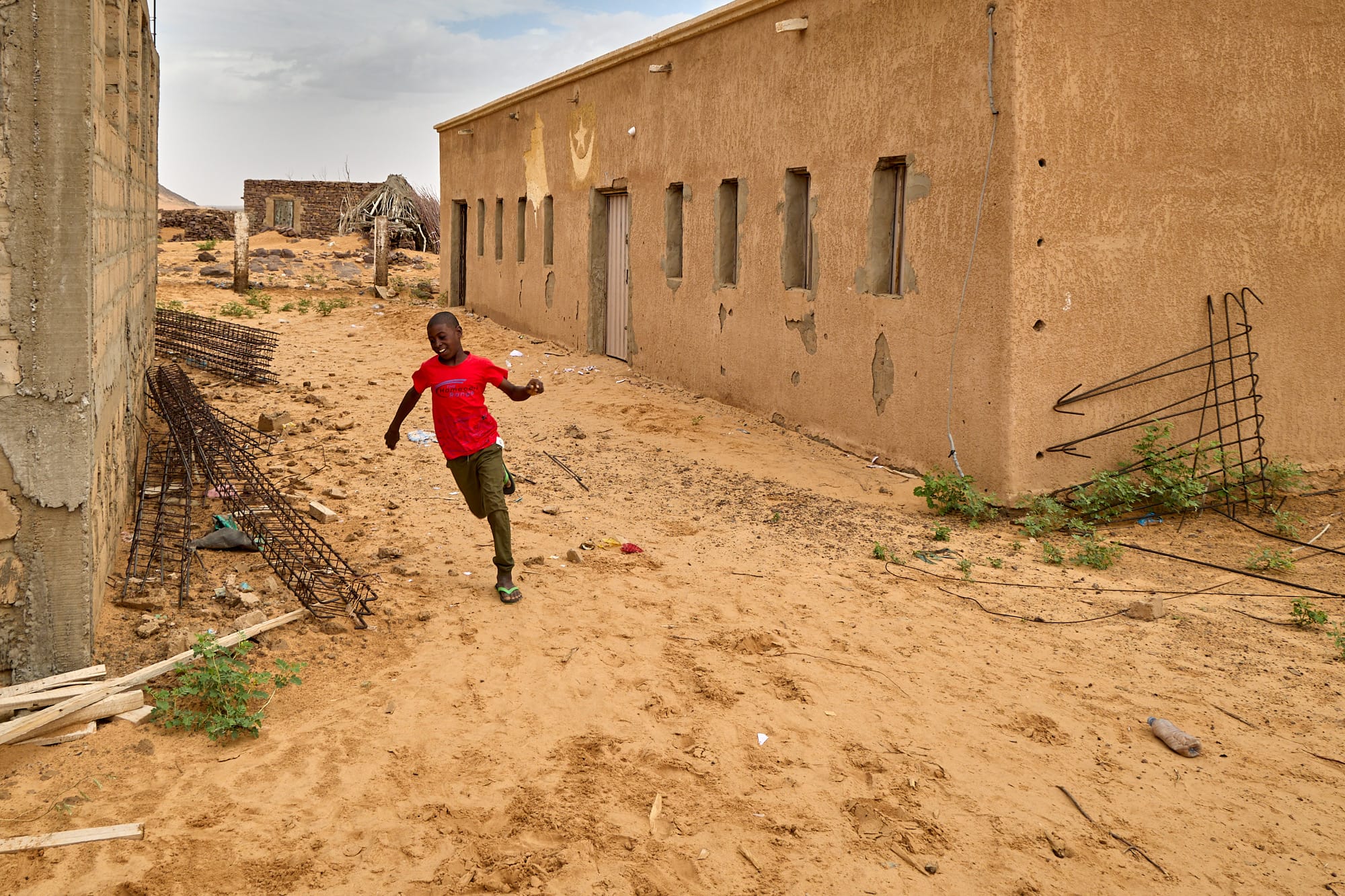
None of these choices is inherently problematic. Some belong to important photographic traditions; others are simply effective visual techniques.
A dark photograph may be necessary to describe a dark place. Grain may be intrinsic to the chosen photographic process. A solitary figure may genuinely reveal something important about a particular environment.
The difficulty emerges when these conventions begin to substitute for an understanding of what is being photographed.
A person standing beside a crumbling wall becomes a metaphor for abandonment. An elderly face becomes a universal story of hardship. A child looking directly into the camera becomes the future of an entire community. A village becomes a place supposedly untouched by time.
Such images may be moving, but the meanings assigned to them are frequently larger than the evidence they contain. The photographer has discovered an atmosphere and mistaken it for an explanation.
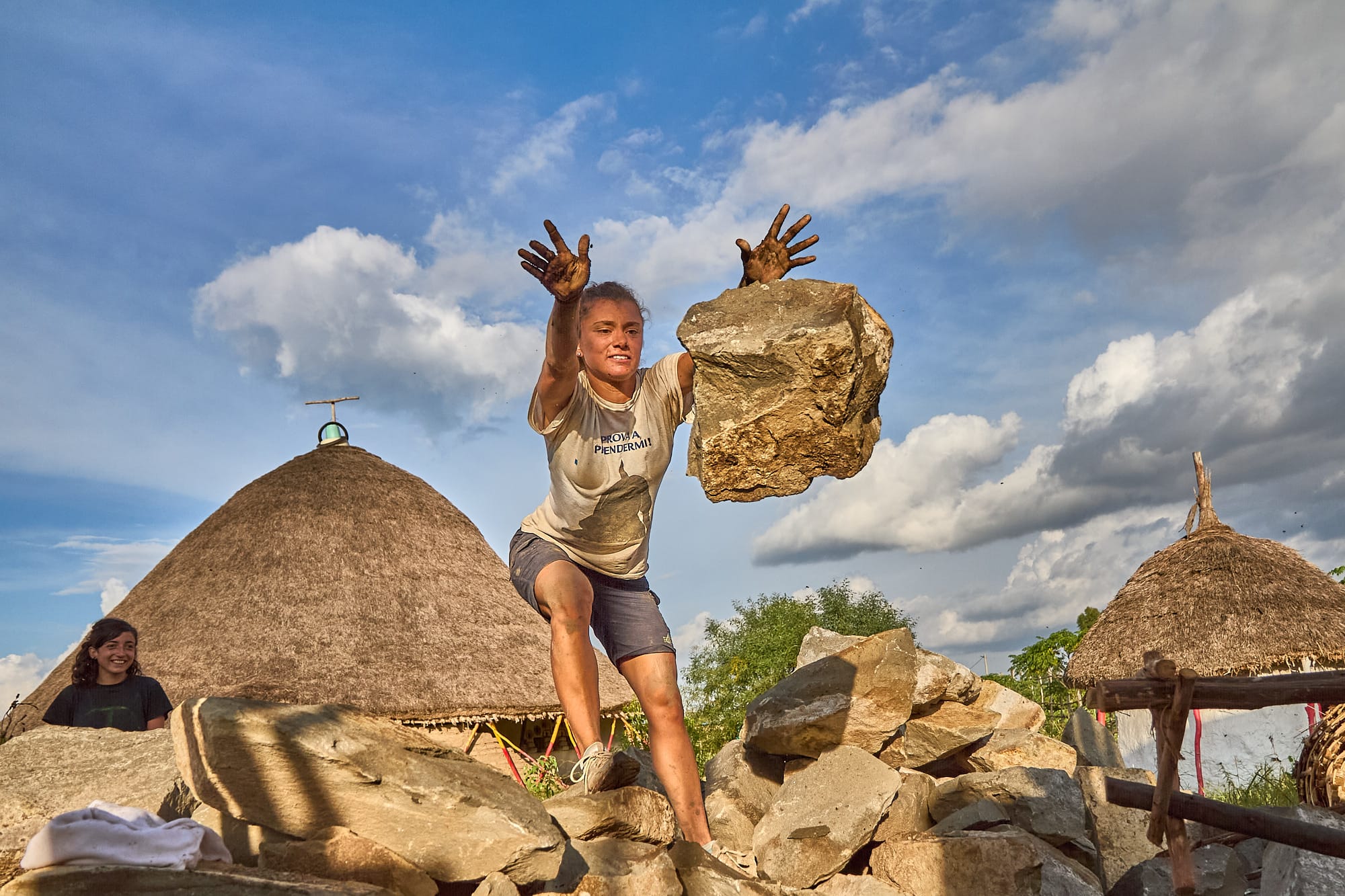
There is also an economic dimension to this problem. In a visual culture where professional recognition often depends on attracting attention, photographers face pressure to make their work immediately legible and emotionally compelling.
A photograph must persuade someone to stop scrolling. A portfolio must communicate an identity quickly. A project description must establish relevance within a few sentences. In such conditions, the recognizable language of documentary photography can become a form of branding.
This does not mean social media has destroyed serious photography. Digital platforms have enabled independent photographers to publish without traditional gatekeepers, reach audiences across national boundaries, and form relationships that might otherwise have been impossible.
But the possibilities of distribution are not the same as the requirements of understanding.
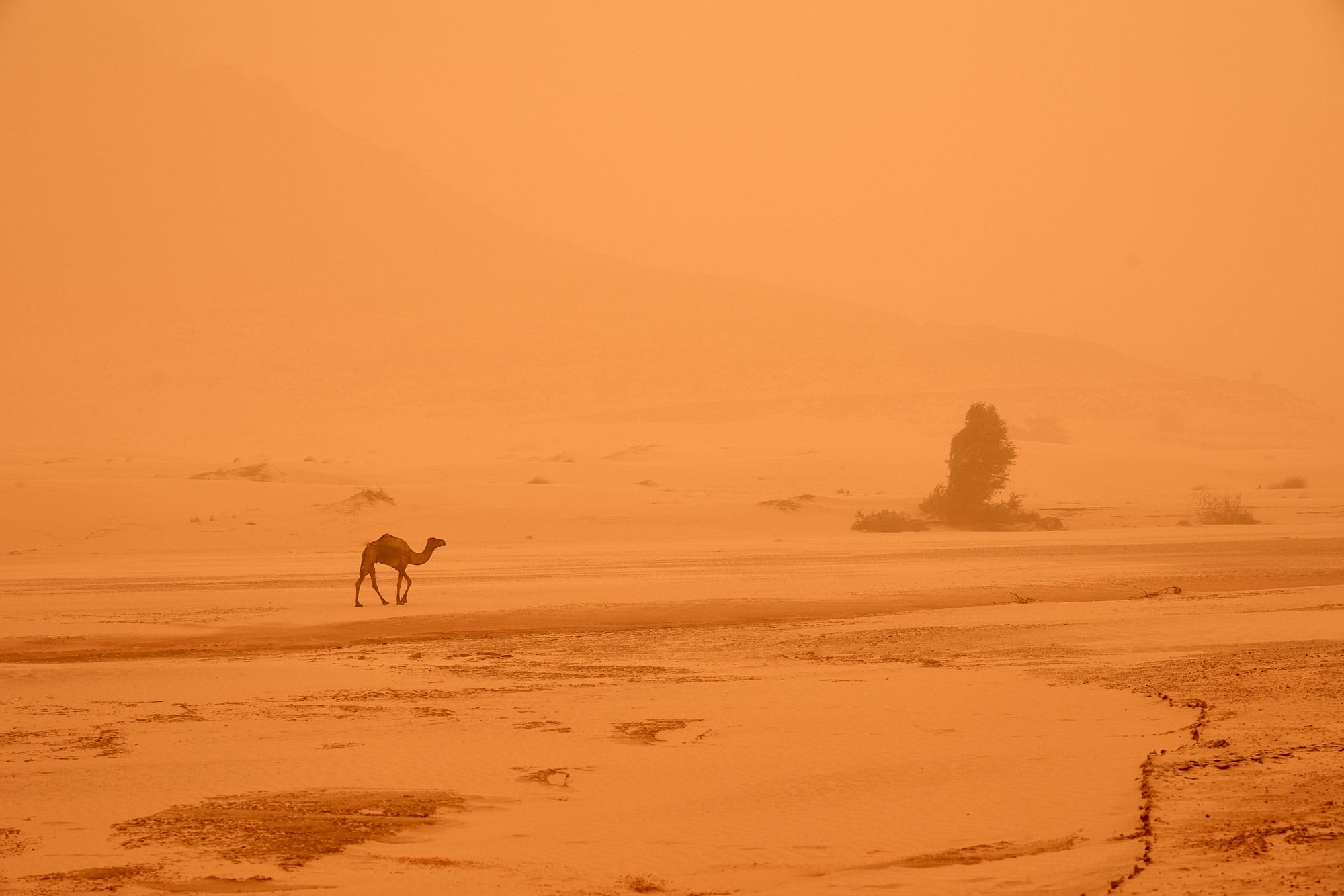
A photograph may circulate widely because it confirms what viewers already believe about a place or a community. Another, more complicated image may receive little attention because its meaning requires time, background, or a willingness to confront uncertainty.
Visibility and documentary value are not interchangeable. Nor should professional status be confused with documentary quality. An amateur working carefully within a familiar community may produce a more substantial record than a celebrated photographer who spends a few hours in an unfamiliar place.
Conversely, a photographer can undertake years of research and still produce work that is visually weak, ethically troubling, or intellectually confused.
Duration alone proves nothing. Neither does equipment, reputation, technical perfection, or the confidence with which someone describes a project. What matters is the relationship between the images, the knowledge supporting them, and the claims made on their behalf.
The People Beyond the Frame
There is a question that documentary photographers should ask themselves more frequently: what happens to the person in the photograph after the photographer leaves?
The image enters an archive, an exhibition, a magazine, or a digital platform. It may be reproduced, translated, shared, criticized, or interpreted by people who have never visited the place where it was made.
For the photographer, it becomes part of a body of work. For the person photographed, it may become part of their public identity, sometimes without their knowledge and occasionally in ways they would never have anticipated.
This asymmetry is central to the ethics of documentary photography. The photographer usually decides when to make the picture, which images to keep, how to edit them, and where they will appear. Even when these decisions are made with care, the power to represent remains unevenly distributed.
A signed release may establish permission for certain uses. It does not automatically mean that the person photographed understands every future context in which an image might circulate, nor does it resolve every question of dignity, interpretation, or fairness.
Of course, documentary photography includes situations in which advance consent is impossible or would undermine legitimate reporting. Public demonstrations, political events, and matters of public interest raise different questions from intimate portraits made within a person's home.
No single rule can adequately describe every circumstance. But ethical responsibility does not begin and end with legal permission. It requires judgment about context, vulnerability, public interest, possible consequences, and the photographer's own position.
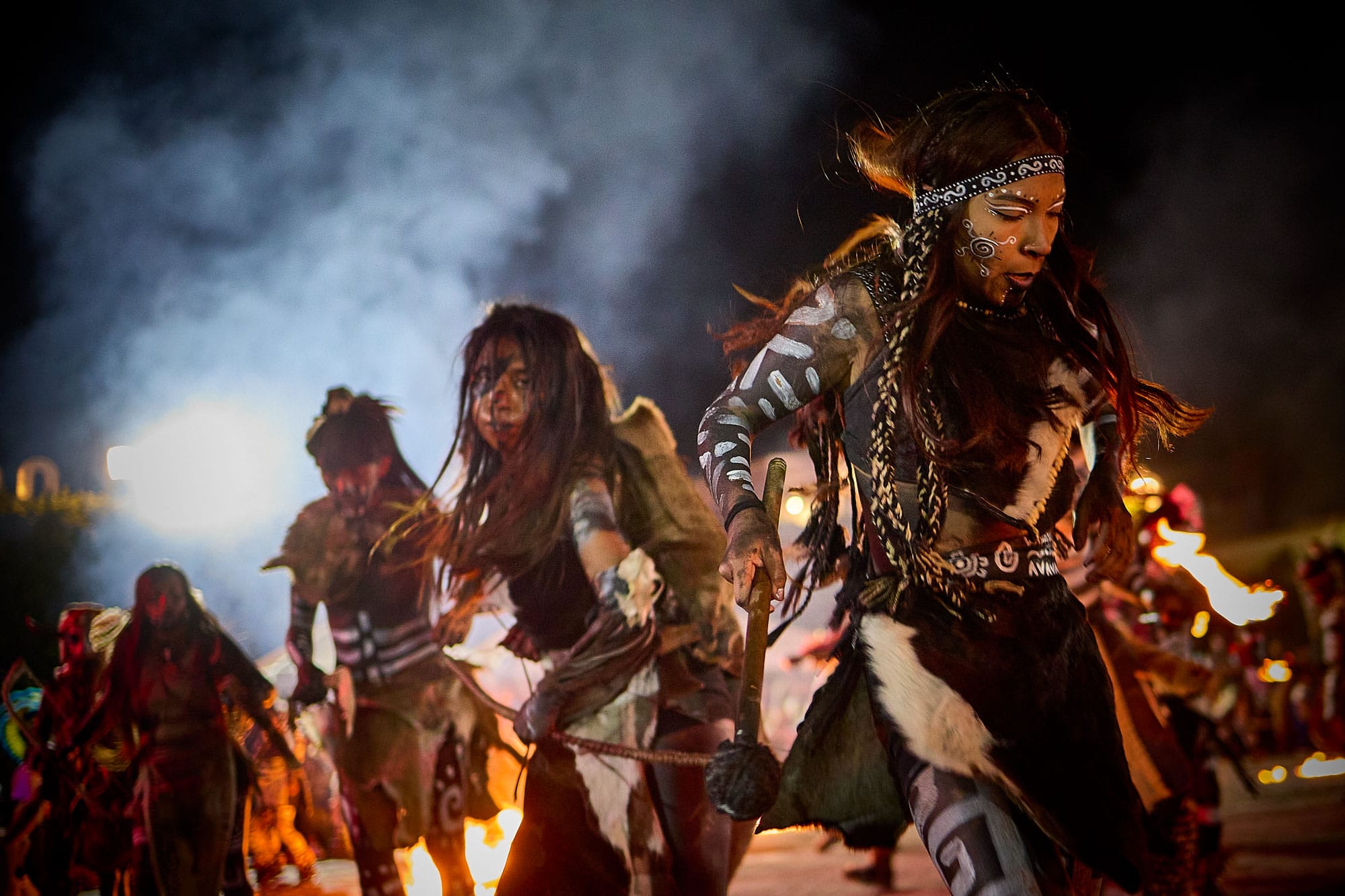
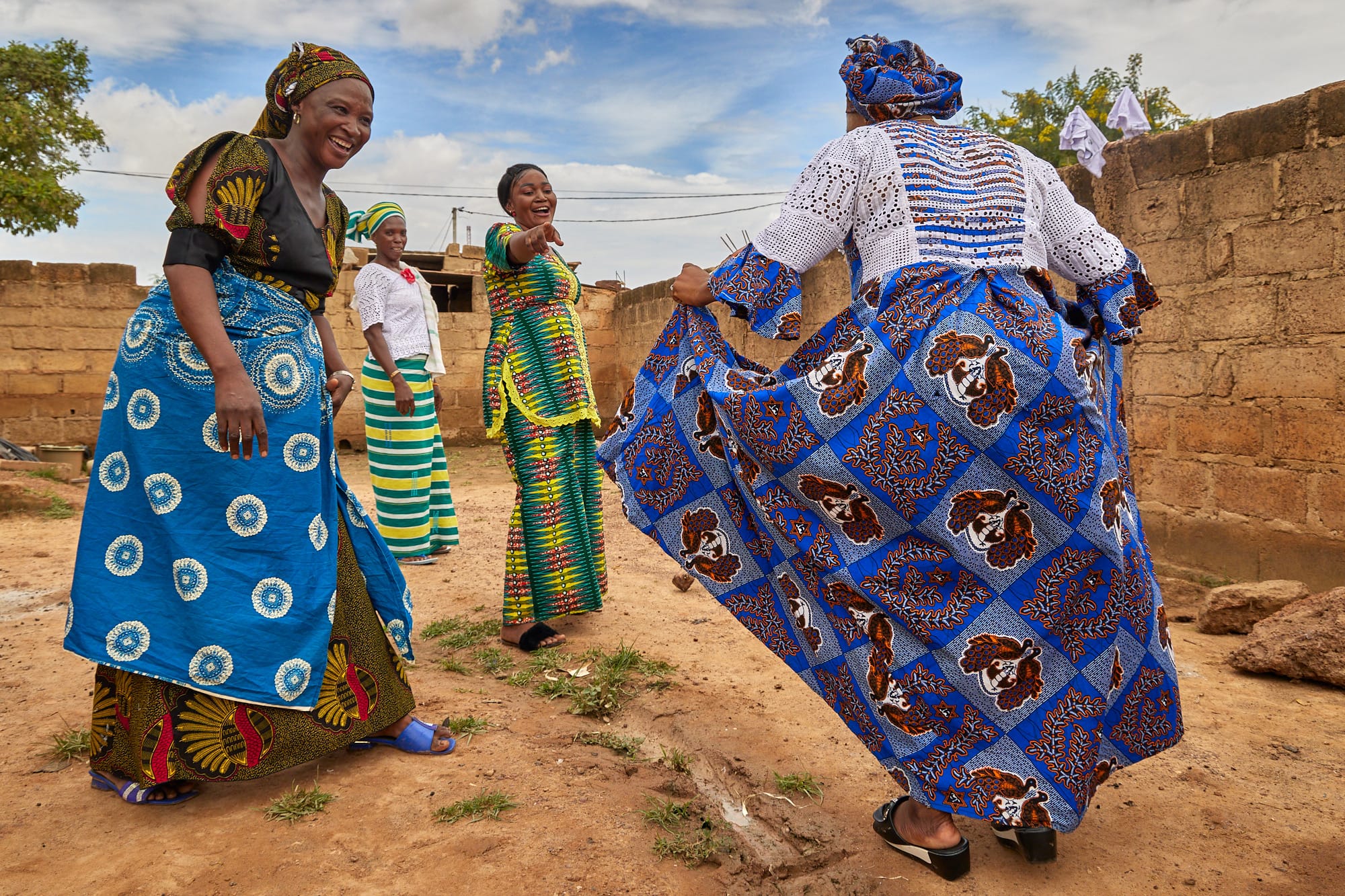
For Ayzoh!, working with communities over many years has made these questions part of an ongoing practice rather than an abstract discussion. Relationships develop through encounters, shared work, disagreements, return visits, and sometimes the recognition that a story should be told differently from what the photographer originally imagined.
Such relationships do not eliminate the inequalities that may exist between an editorial team and the people it photographs. Nor do they guarantee that every editorial decision will be correct.
What they can provide is the possibility of being questioned. A person may challenge the meaning assigned to a gesture. A community member may explain why a particular practice cannot be understood outside its cultural context. Someone may object to a photograph's publication, or suggest that the story has overlooked people whose contributions are essential.
These moments are not necessarily obstacles to documentary work. They may be among its most valuable sources of knowledge. They also reveal why documentary photography cannot be reduced to the act of taking pictures.
Listening, researching, returning, checking, and revising are not secondary administrative tasks. They are part of the work.
This does not mean that every documentary project must become a collaborative enterprise, or that photographers should surrender their independent judgment to the people they portray.
Important reporting sometimes requires criticism, disagreement, and the exposure of realities that powerful individuals would prefer to conceal.
But independence is not the same as unaccountability. A photographer can preserve an autonomous perspective while acknowledging that other people possess knowledge, experiences, and rights that cannot be contained within the photographer's interpretation.
The same principle applies to the editorial process. Editors decide what readers will see. They establish sequences, write headlines, select details, and determine which information accompanies a photograph. Their responsibility is therefore inseparable from that of the photographer.
A visually compelling story can become misleading through its editing. A carefully researched project can lose its complexity when reduced to a handful of emotionally powerful images.
And a sensitive photograph can become an instrument of stereotyping when accompanied by the wrong words.
What a caption knows
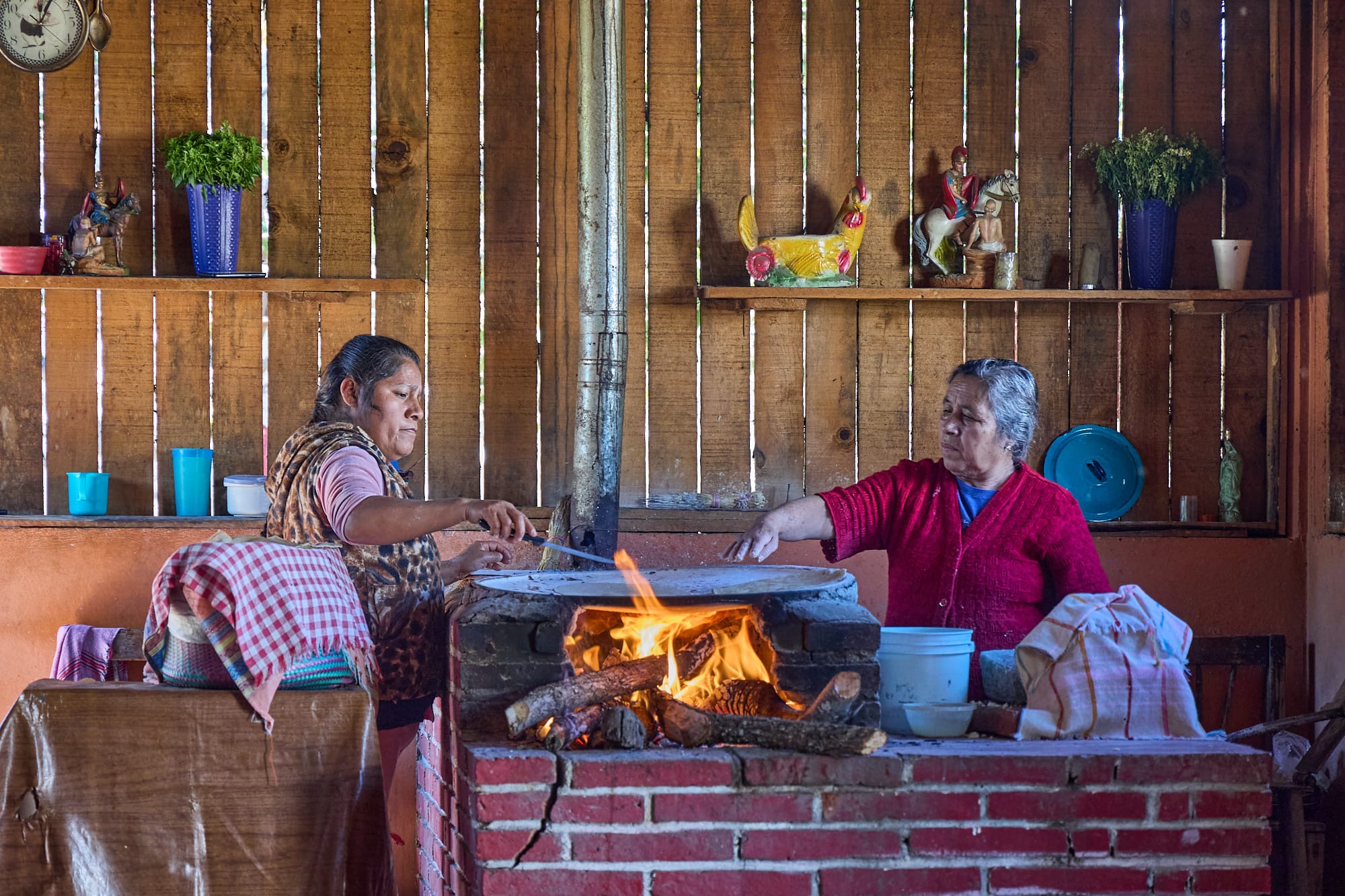
Consider two possible captions accompanying a photograph of an elderly woman walking through a market. One describes her as carrying the weight of a lifetime of hardship.
The other identifies the market, the date, the activity, and — if the photographer has established it — something about the woman's role in the place.
The first may be evocative. The second offers information that can be checked, questioned, and expanded.
Neither approach needs to exclude the other. Documentary writing can be precise and literary, attentive to atmosphere while remaining faithful to what is known.
But a caption should never turn an assumption into a fact. This is one reason why the difference between observation, testimony, and interpretation matters so much.
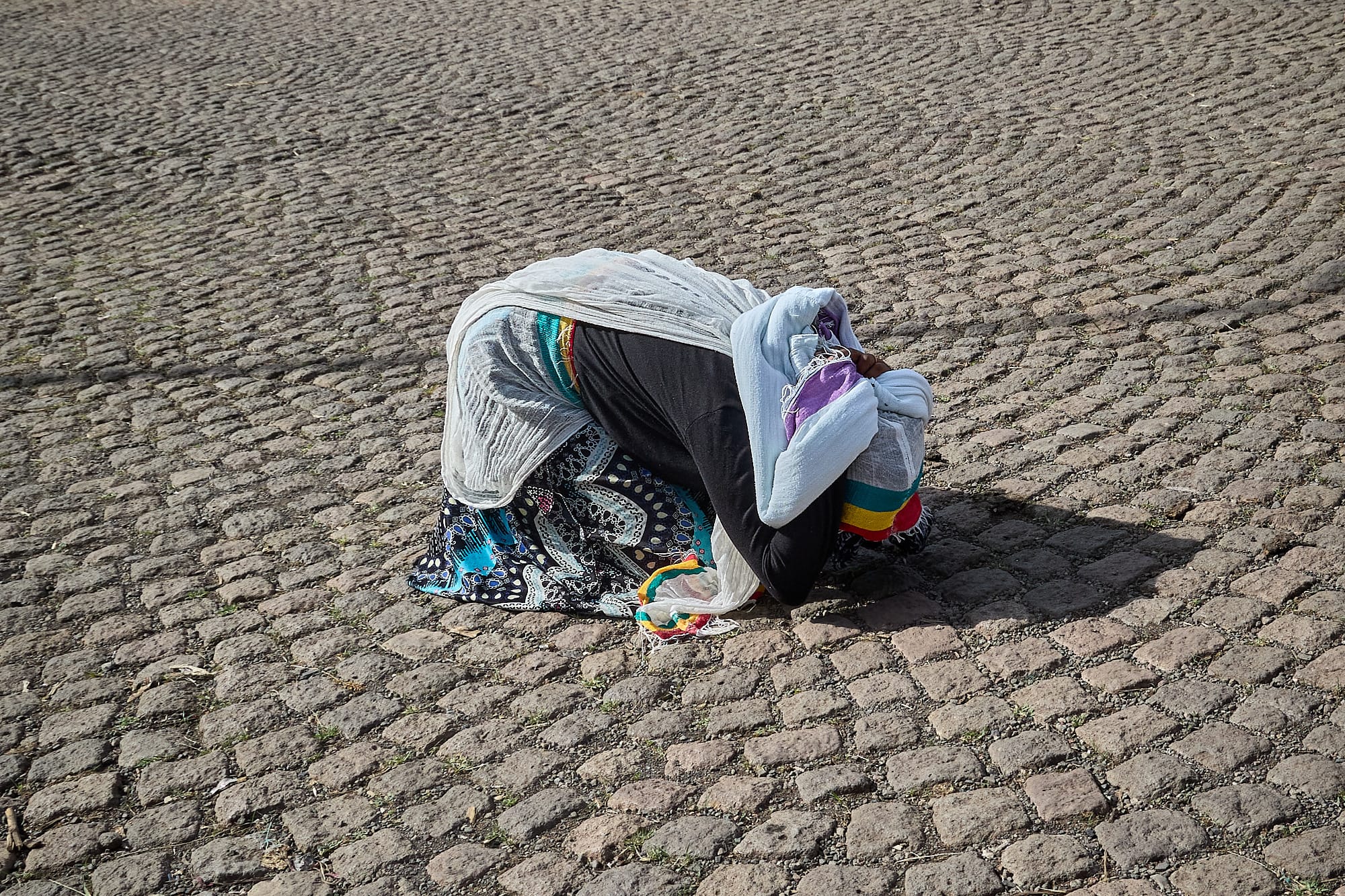
We may observe a person crying. We may be told why they are crying. We may believe that the scene expresses a larger social condition. These are three different kinds of knowledge, and responsible storytelling requires us to distinguish them.
The guidelines of World Press Photo, for example, emphasize accurate captions, contextual information, and transparency about the circumstances in which photographs were made. They also address the photographer's influence on a scene, consent, and the need to avoid stereotyping.
Such principles are not universal rules for every form of photographic art. They are standards developed for journalism and documentary practice, where the reader has reason to expect a factual relationship between image and explanation.
The best documentary caption does not tell us what to feel. It helps us understand what we are looking at, while leaving room for everything the photograph cannot resolve.
The Image, the Algorithm, and the Missing Context
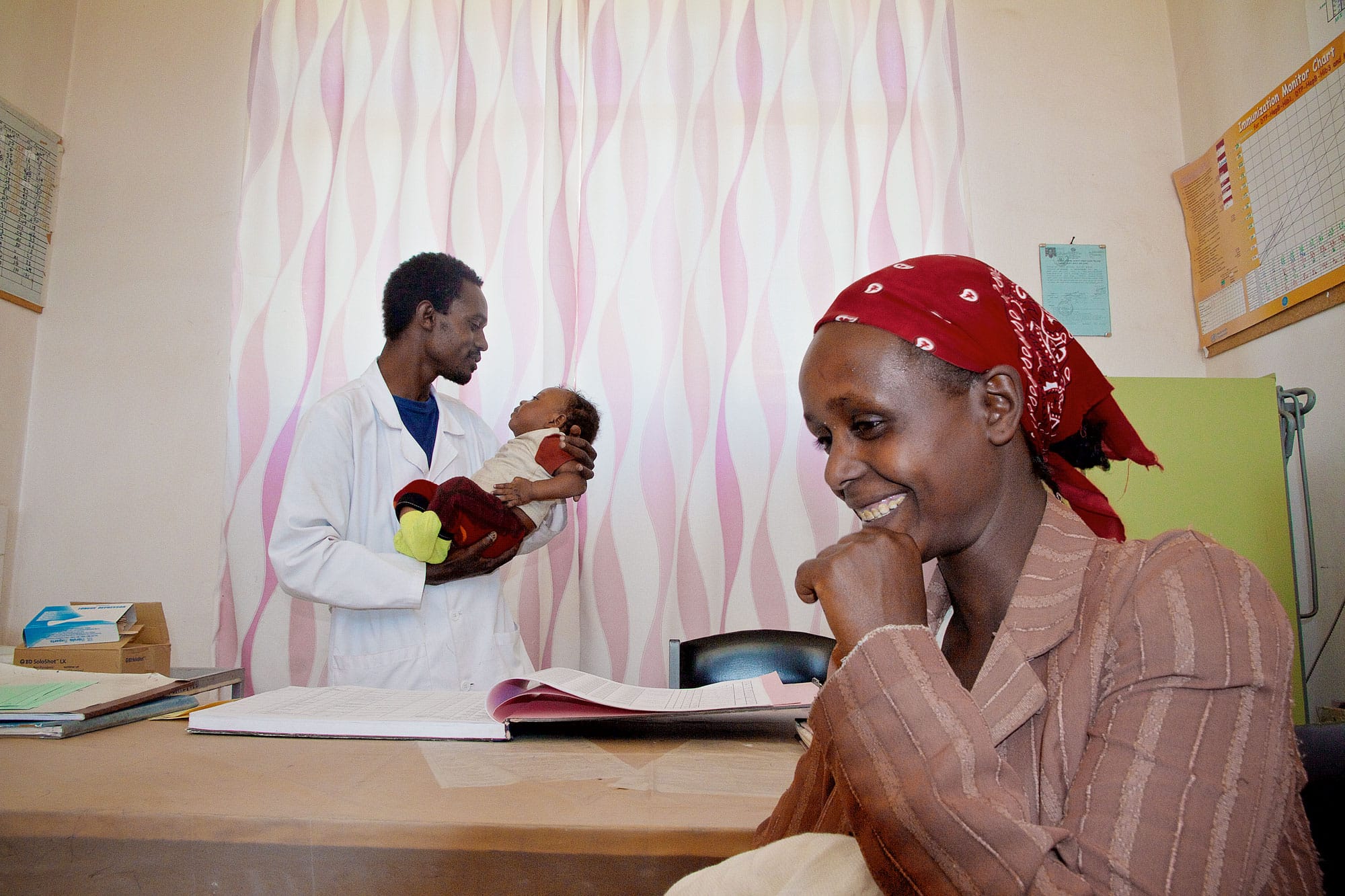
For much of photography's history, the documentary image carried a particular promise: something had been present before the camera, and light reflected from that scene had left a trace on a sensitive surface.
This relationship between image and physical event never guaranteed truth. Photographs could be staged, manipulated, miscaptioned, selectively edited, or published with deliberately misleading explanations long before digital technology existed.
Yet the arrival of generative artificial intelligence has altered the problem. Images that appear photographic can now be produced without the depicted event ever taking place.
A convincing face may belong to no existing person. A devastated neighborhood may have suffered no disaster. A dramatic encounter between people may never have occurred. The image can imitate the appearance of evidence while lacking the physical event it seems to document.
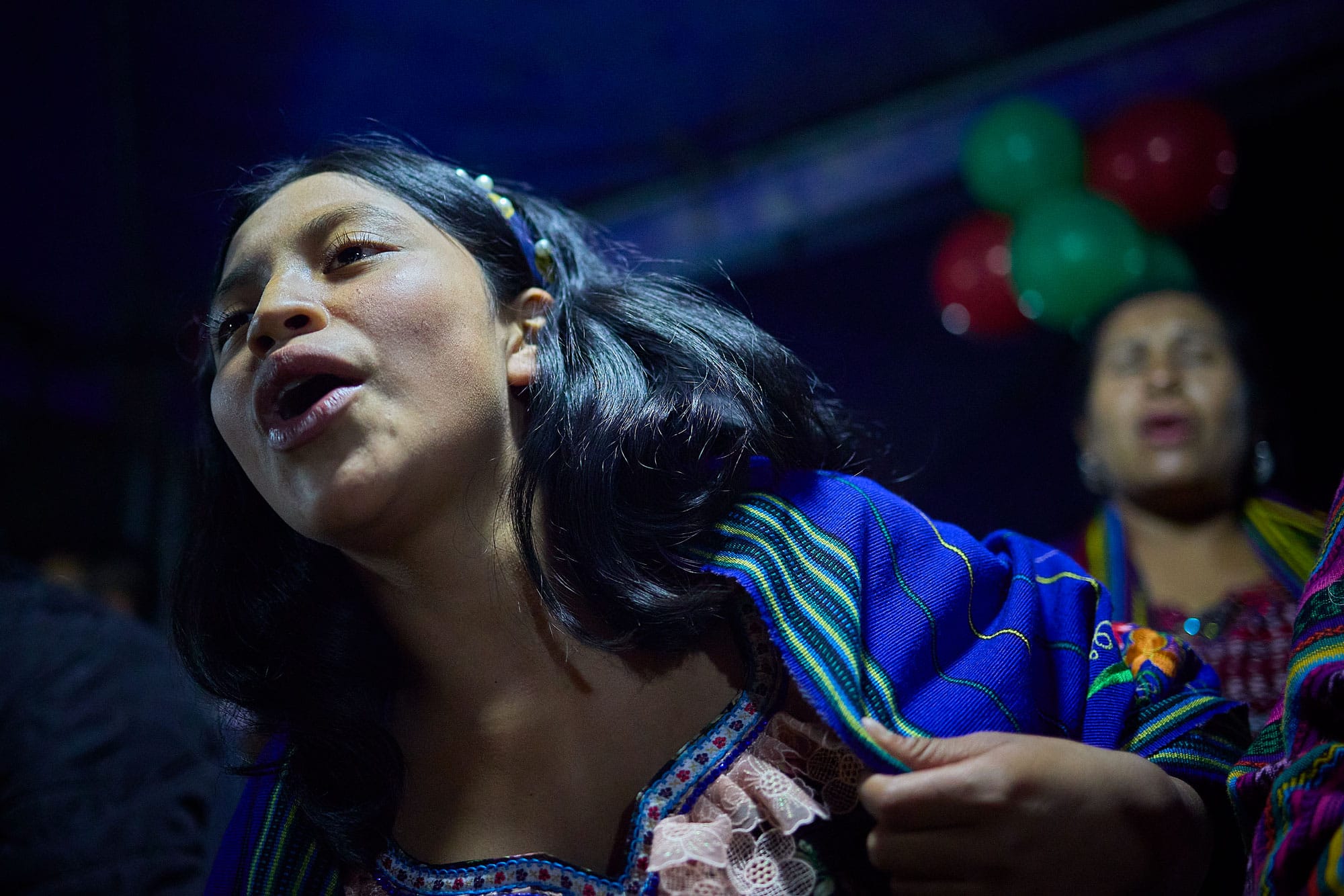
For documentary photography, this presents a challenge that is technological, editorial, and philosophical.
Organizations such as World Press Photo distinguish photographs captured by cameras from synthetic images and prohibit generative alterations that introduce or remove content in their competition entries.
Their rules reflect a specific professional commitment: images presented as documentary evidence must not falsely describe what was before the camera.
But even a technically authentic photograph can mislead. An unaltered image accompanied by an inaccurate location, a false date, or an invented explanation may distort reality as effectively as a manipulated picture.
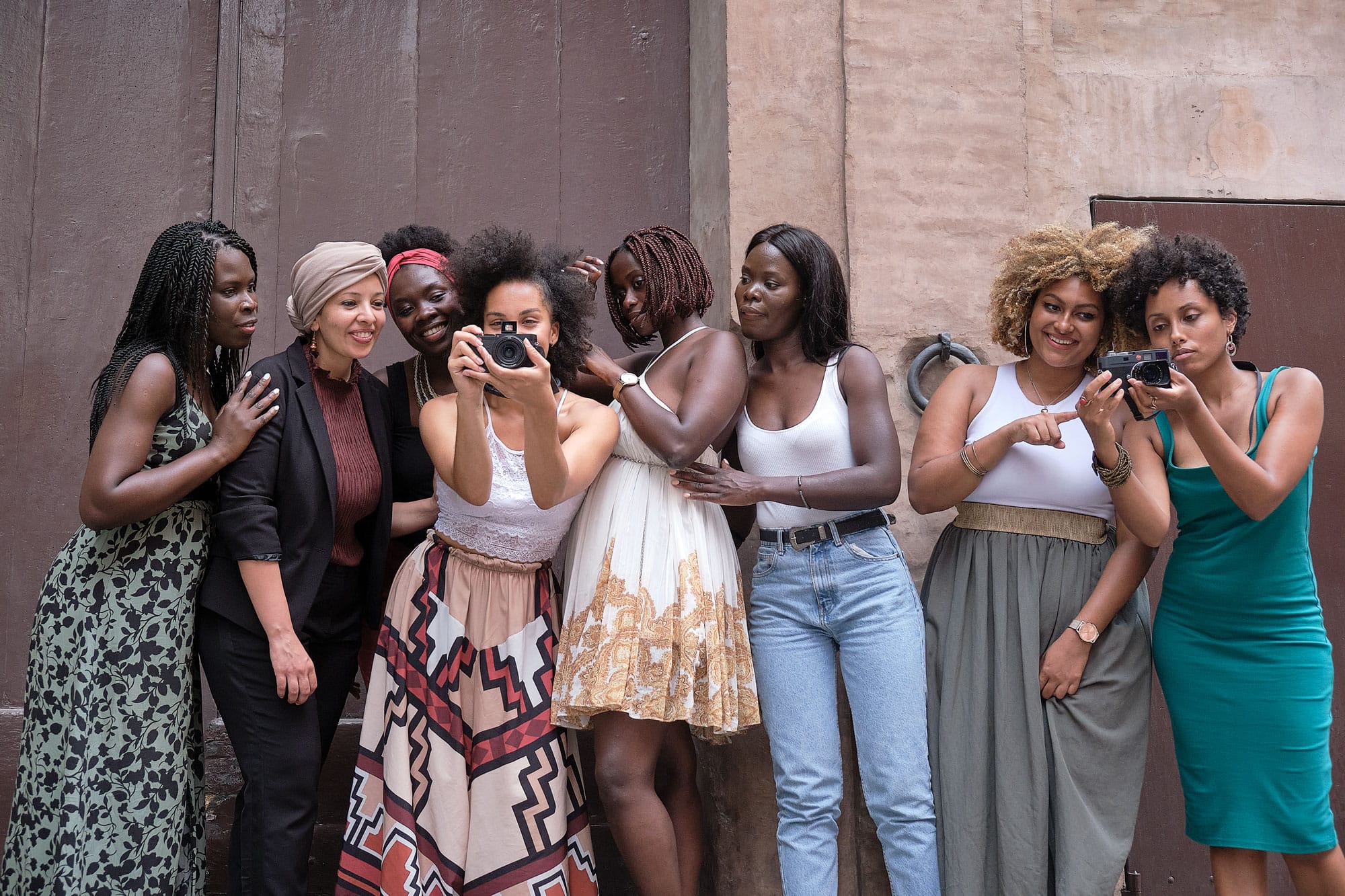
The difficulty is therefore broader than the question of whether artificial intelligence was used. Emerging systems for recording digital provenance, including C2PA Content Credentials, can help preserve information about an image's origin and subsequent processing.
Such tools may become increasingly valuable, but provenance is not the same as truth. Knowing that a file came from a particular device does not establish that its caption is correct or that its interpretation is fair.
There is another transformation underway, less dramatic than synthetic imagery but no less consequential: digital platforms encourage photographs to circulate independently of the circumstances in which they were made.
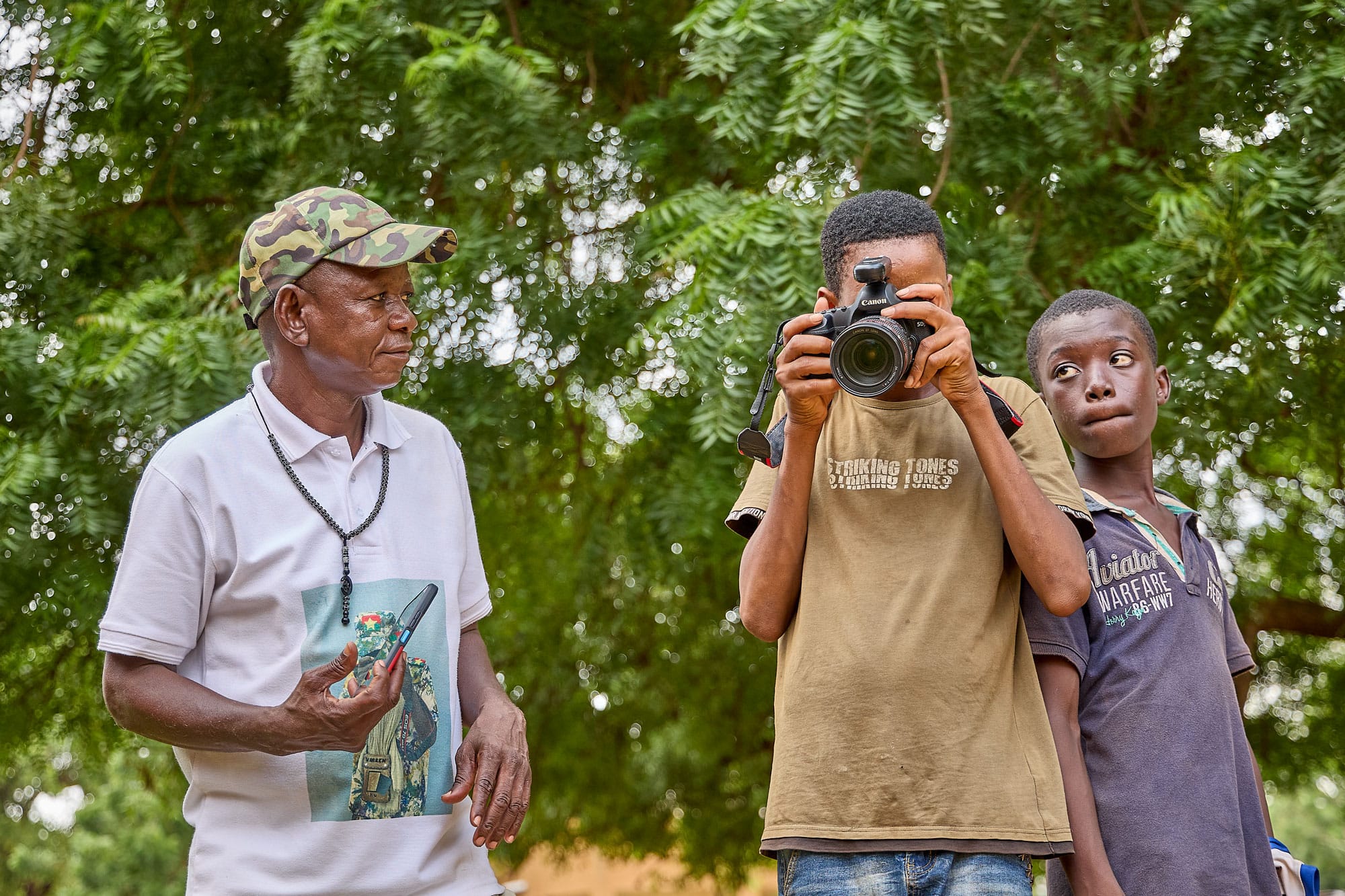
Images are copied, cropped, reposted, and detached from their original captions. A photograph published as part of a carefully researched essay may later appear as an anonymous illustration of a completely different argument.
Context, which may have taken months to establish, can disappear in seconds. At the same time, the abundance of images changes the way we look at them.
We become accustomed to recognizing familiar visual signals: the abandoned building as social decline, the solitary child as vulnerability, the dramatic landscape as environmental crisis, the weathered face as resilience.
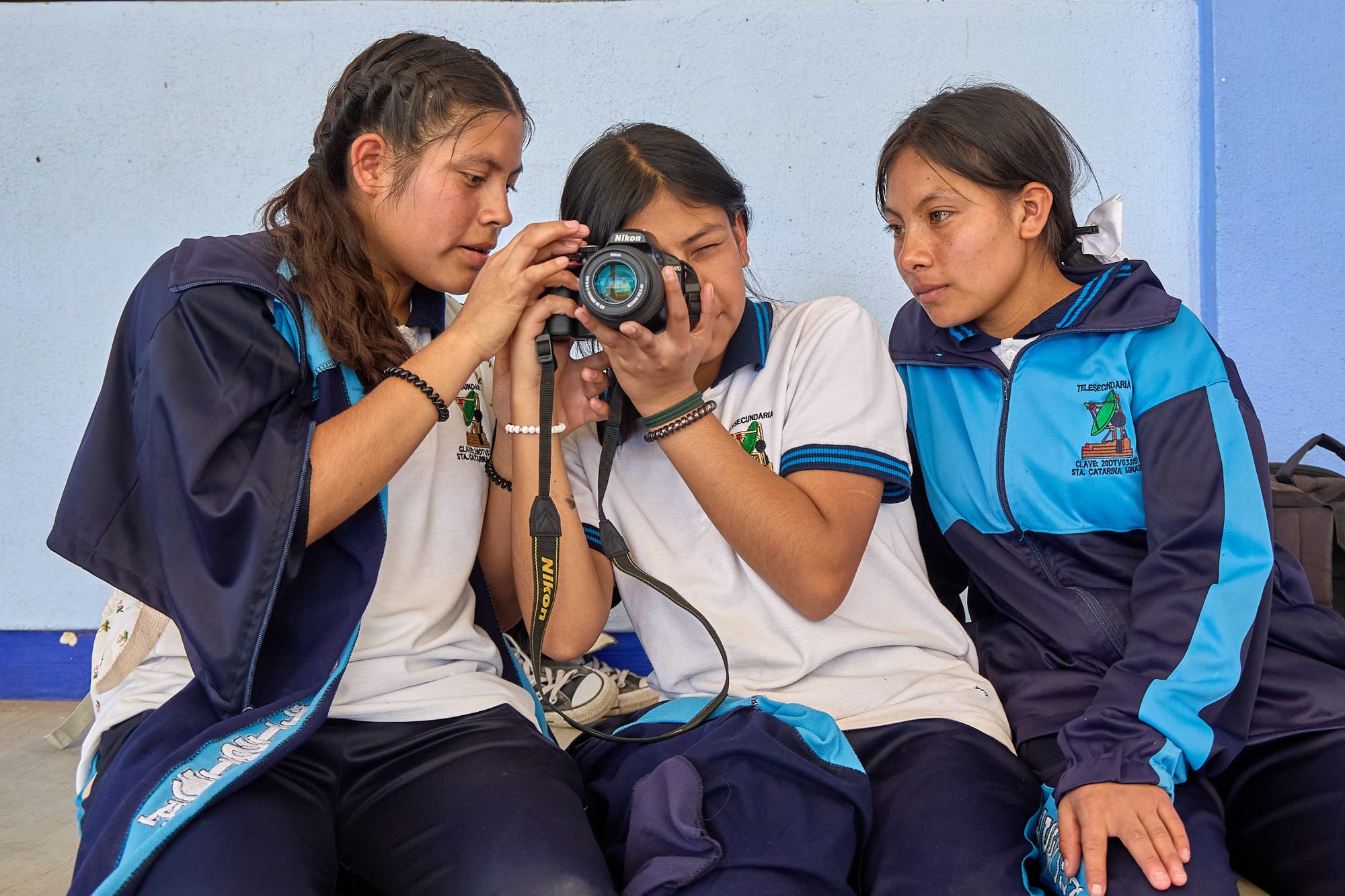
The photograph becomes legible before it becomes understood. This is not simply a problem caused by algorithms. Publishers, photographers, and audiences participate in the same economy of attention.
Editors select the images most likely to attract readers. Photographers learn which visual languages receive recognition. Audiences develop expectations shaped by what they have seen before.
And those expectations can become self-reinforcing. A story about a community facing economic difficulties may attract more attention when photographed through deprivation than when it shows ordinary relationships, cultural achievements, political organization, or plans for the future.
Yet these less spectacular dimensions may be essential to understanding that community.
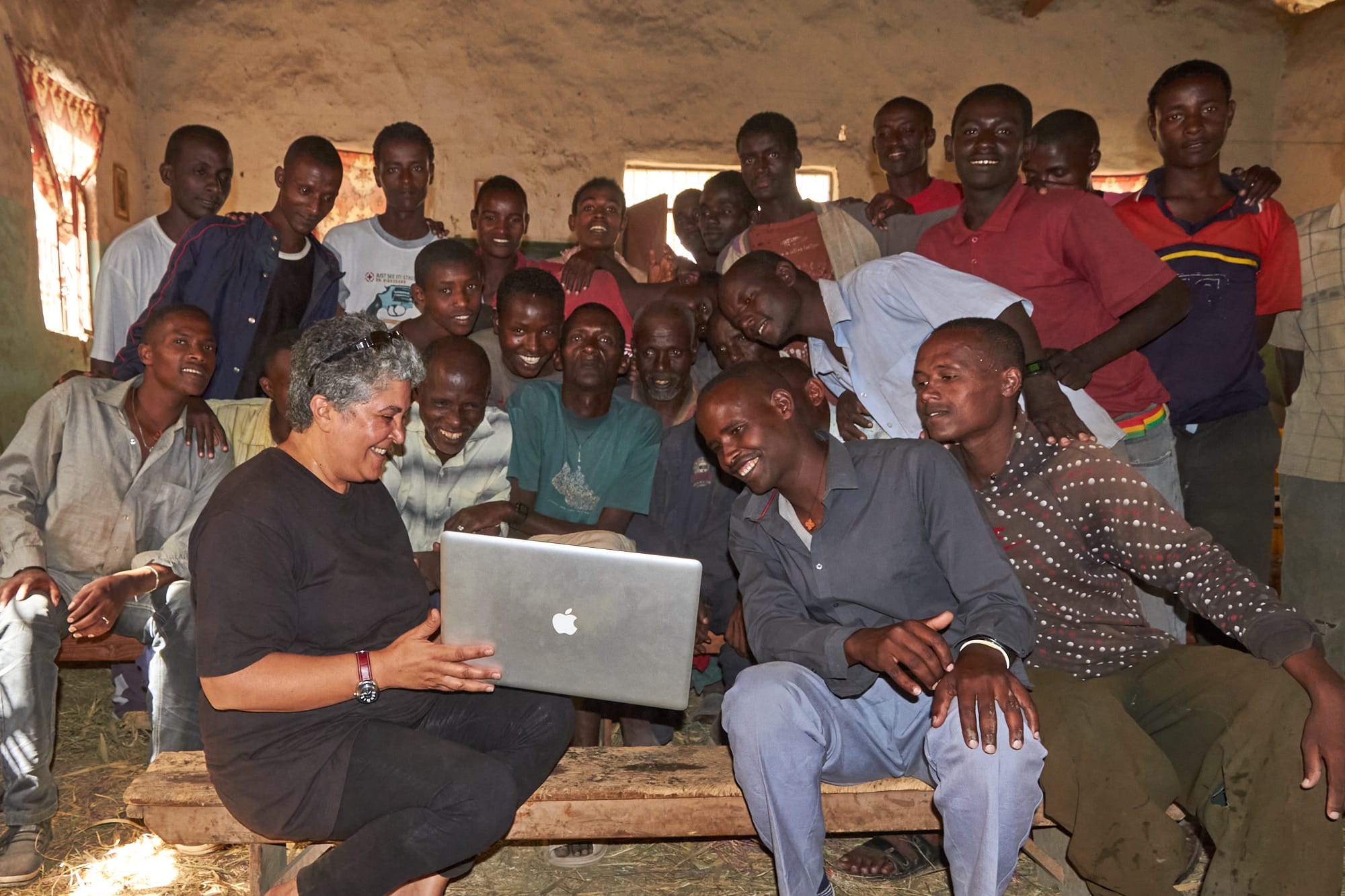
What appears visually dramatic is not necessarily what is historically important. The responsibility of an independent publication is not to reject powerful images, but to resist the assumption that visual power is sufficient.
Sometimes the most significant photograph is the one that requires an explanation. Sometimes a small gesture deserves more attention than a spectacular landscape.
And sometimes the most responsible editorial decision is to publish fewer photographs, allowing readers enough time and information to encounter the people in them as individuals rather than symbols.
To Document Is to Be Accountable
Perhaps we have been asking the wrong question. Instead of wondering who deserves to call themselves a documentary photographer, we might ask what commitments a person makes when presenting photographs as documentary work.
The distinction is important. Photography has never belonged exclusively to professionals. Some of its most valuable records were made by people photographing their families, neighborhoods, workplaces, political movements, or communities without imagining themselves as artists or journalists.
A photograph does not become more truthful because its author possesses credentials. Nor does it become less meaningful because it was made with an inexpensive camera or a phone.
Equally, documentary photography does not demand a particular aesthetic. It can be carefully composed or spontaneous, intimate or distant, quiet or confrontational, in color or black and white. It can be beautiful.
Indeed, beauty may be one of the ways a photograph encourages us to look more closely. There is no ethical obligation to make the world appear visually unattractive in order to document it seriously. But beauty creates no exemption from responsibility.
A photographer who claims to document a community should be prepared to explain how the work was made, what was learned, what remains uncertain, and how the images relate to the people and circumstances they represent.
An editor should be prepared to question those explanations, verify relevant information, and distinguish an author's interpretation from an established fact.
A publication should consider not only what an image communicates to its readers, but also what its circulation might mean for the people within it.
These responsibilities do not guarantee perfect representation. No photograph can contain the whole of a person's life, and no documentary project can eliminate the perspective of its author.
But acknowledging those limitations can make the work more rigorous rather than less meaningful. There is also a material question that cannot be separated from these principles.
Documentary photography requires time, travel, research, equipment, editing, and the often invisible labor of translators, researchers, local collaborators, and others who help a story become possible. If we believe these processes are essential, we must also recognize their economic value.
A publishing culture that praises ethical documentary practice while expecting photographers and contributors to work without compensation risks undermining the conditions that make such practice possible.
Independent publications may face genuine financial limitations. Acknowledging them honestly is necessary, but it does not make the labor disappear.
Responsibility extends across the entire chain of storytelling: from the person photographed to those who produce, edit, translate, publish, and distribute the work. For those of us who work with photographs, these considerations are not arguments against making images.
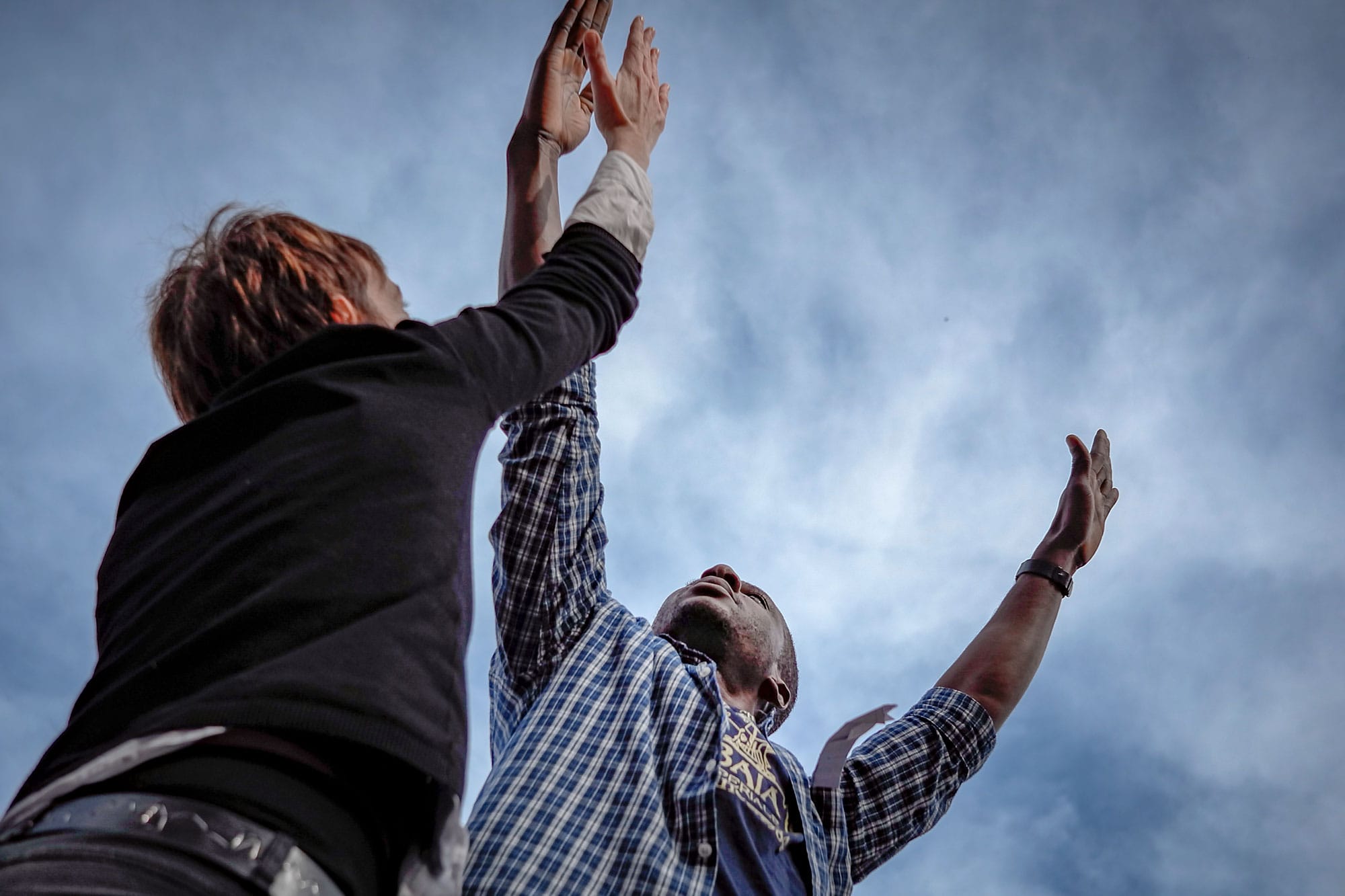
They are reasons to continue, with greater care. The camera remains an extraordinary instrument of attention. It can preserve gestures that would otherwise disappear, reveal connections that remain unnoticed, create records that future generations may need, and bring people into conversations from which they have long been excluded.
It can also mislead, simplify, exploit, and silence. The difference rarely lies in the appearance of the image alone.
It lies in the questions asked before the photograph is taken, the knowledge gathered around it, the decisions made during editing, and the willingness to remain answerable for what is eventually published.
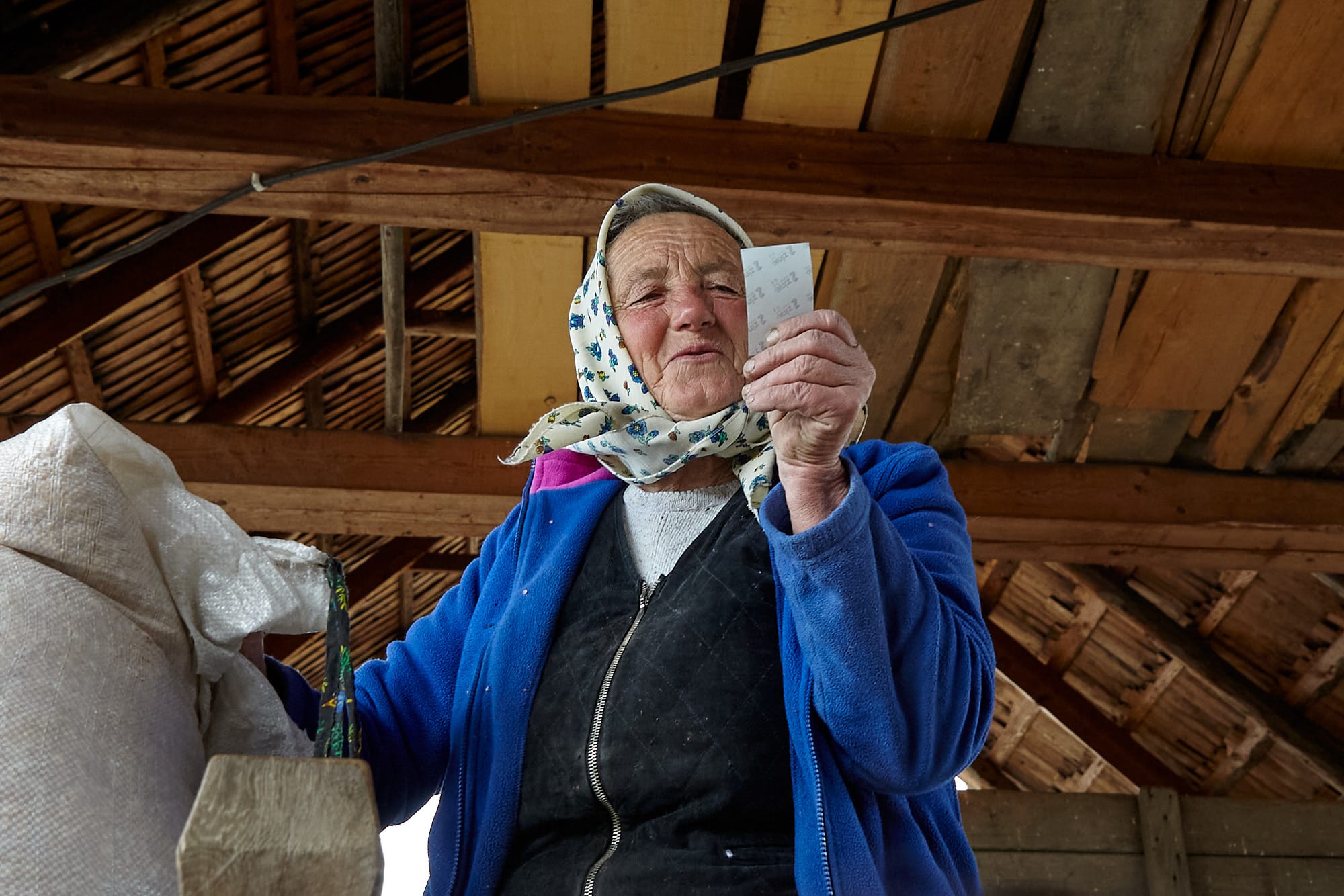
To document is not simply to see. It is to recognize that what we see belongs to a world that exists independently of our photographs and that the people who inhabit that world have histories, knowledge, desires, and futures that cannot be reduced to the images we make of them.
Perhaps this is where documentary photography finds its most enduring purpose: not in claiming to possess the truth, but in creating more careful, accountable ways of approaching it.
And perhaps the question that matters most is not whether our photographs are beautiful, important, or widely admired. It is a more difficult question, one that every photographer might carry into the field:
Are we photographing the world to understand it, or are we using the world to make photographs?


Member discussion