


The Mountain and the Community
There is an old Konso riddle that asks a rather unsettling question: would you prefer a mountain or your community to fall upon you? The answer, according to tradition, is the mountain.
If a mountain falls on a person, the community will come to remove it and rescue him. But if the community itself falls upon him, there will be nobody left to help.
It is a curious way of explaining solidarity. The riddle contains neither a promise of happiness nor an idealized vision of people living peacefully together.
Instead, it acknowledges something fundamental about human existence: a person depends upon others, and the very community that makes survival possible also possesses the power to determine the conditions of that survival.
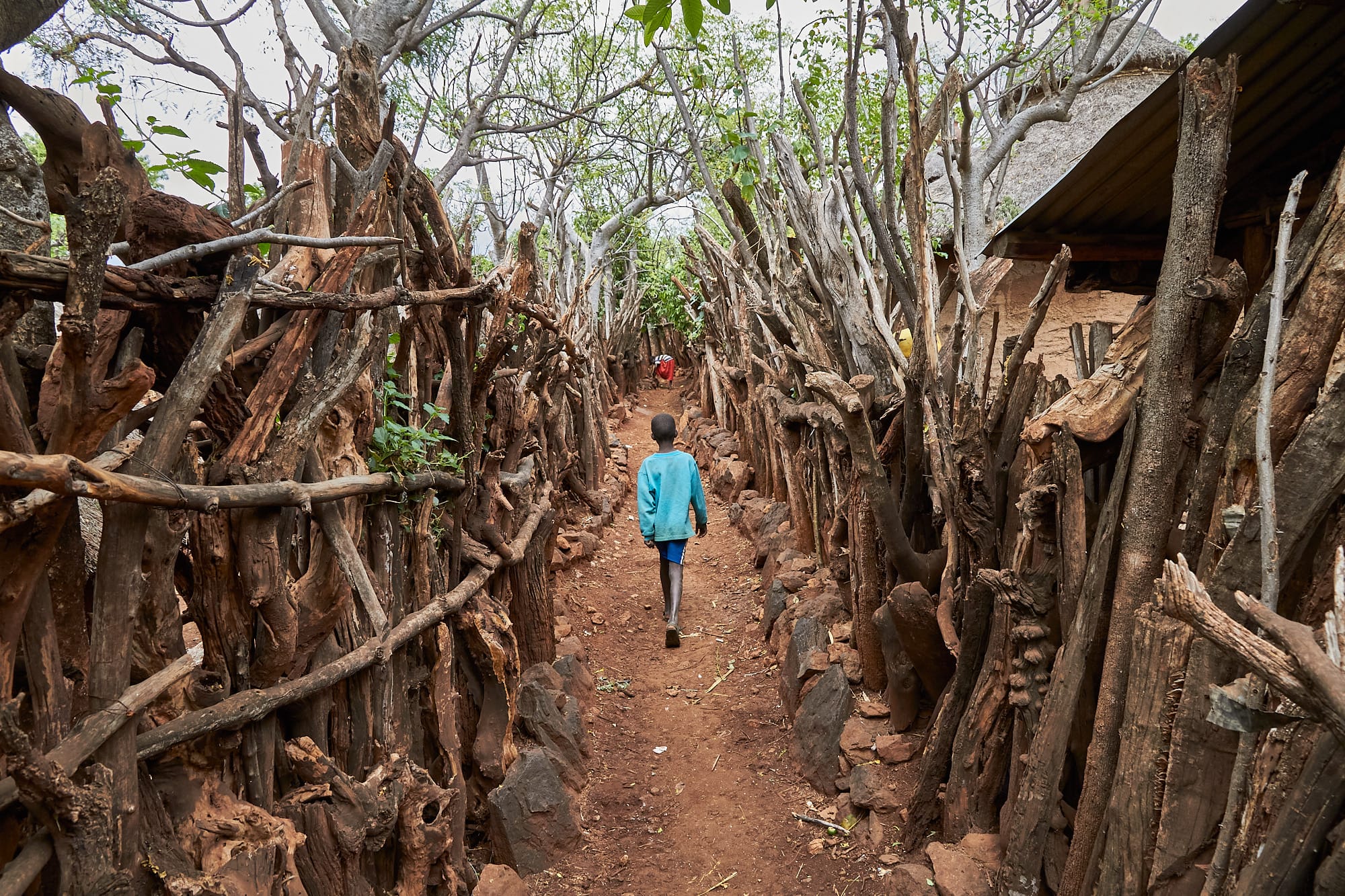
For the Konso of southern Ethiopia, this relationship has shaped centuries of social organization, agricultural work, religious belief, and moral reasoning.
It has influenced the construction of their settlements and the cultivation of their fields, the way disputes are discussed, and the responsibilities people recognize toward one another.
Much of this knowledge is preserved in Afa’xhonso, the Konso language, whose proverbs, riddles, figurative expressions, and complex vocabulary carry ways of thinking developed through generations of experience.
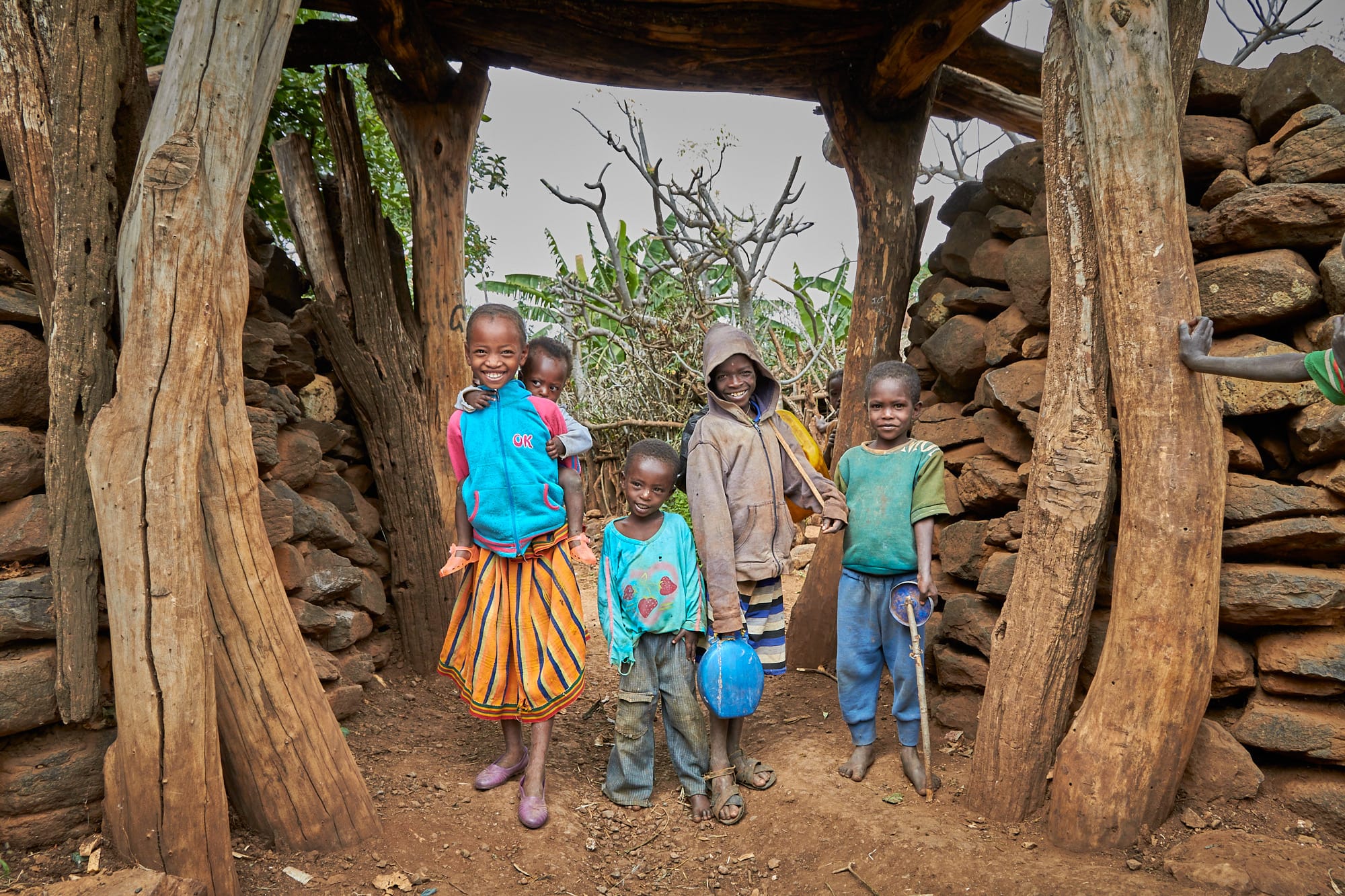
The landscape offers another kind of testimony. Across the highlands, dry-stone walls follow the contours of the hills, enclosing cultivated terraces that have been constructed, repaired, and maintained over centuries.
Fortified settlements occupy elevated ground. Communal spaces lie within their walls. Agricultural land and human habitation form an intricate arrangement, each dependent upon the other.
Long before international institutions began describing this landscape as heritage, the Konso had developed the knowledge and social arrangements necessary to live within it.
Their stone walls were constructed to protect the soil, retain water, and make cultivation possible in a demanding environment. Their continued maintenance required cooperation across families, neighborhoods, and generations.
The community was therefore involved in the organization of daily life as well as in the survival of the agricultural landscape.
A wall might belong to a particular field, but the knowledge required to build it belonged to a much longer history. Its usefulness depended upon work already completed by people who were no longer alive, and upon the willingness of those still living to preserve it for people yet to come.
The mountain in the old riddle was a source of difficulty. Through collective labor, the Konso learned to inhabit it.
A Landscape Built Together
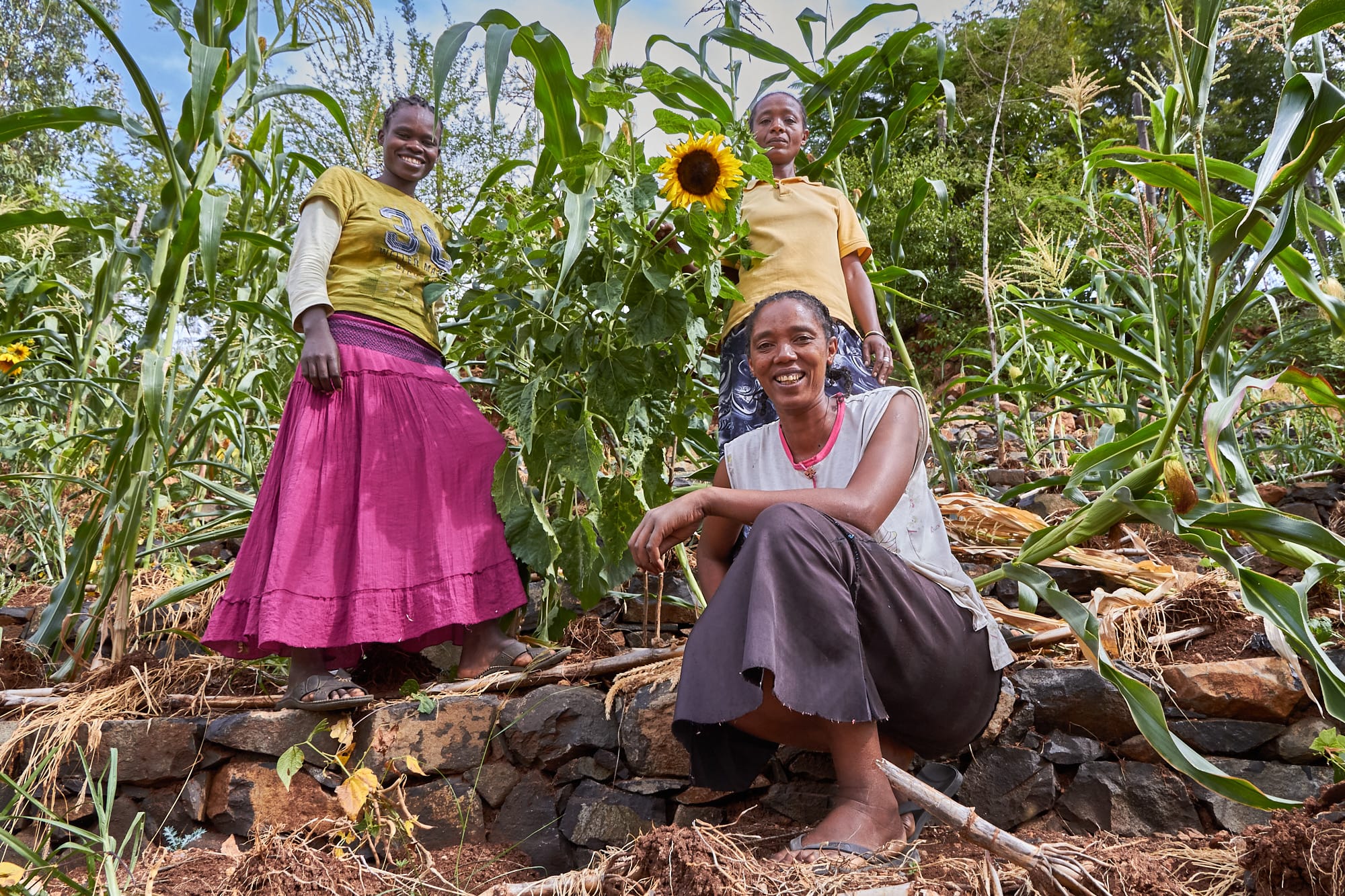
To understand Konso society, one must begin with the land. The agricultural terraces are among the most remarkable examples of the relationship between human labor and environmental knowledge in Ethiopia.
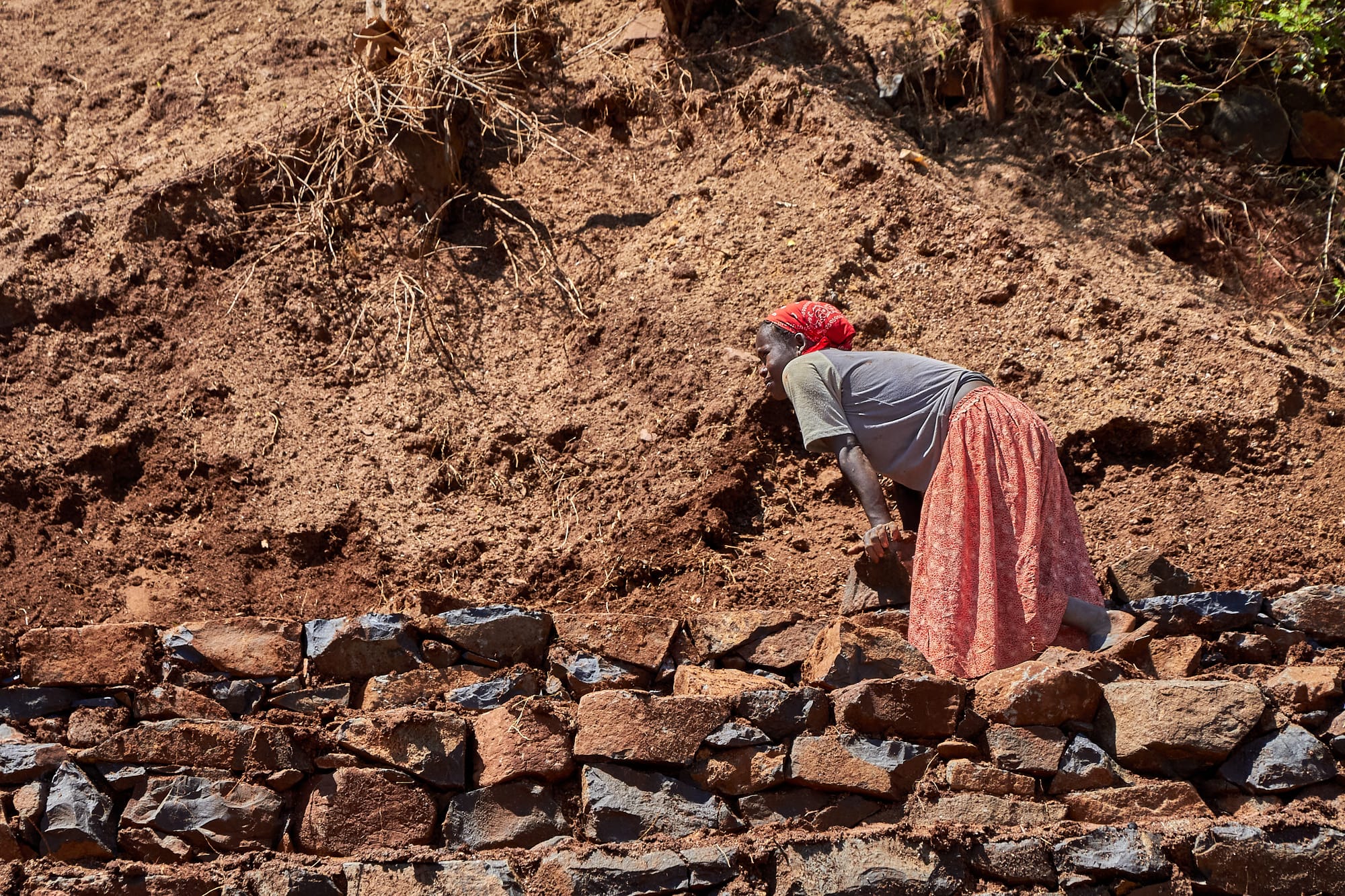
Built largely from local stone, they interrupt the movement of water down the slopes, reduce erosion, and create cultivable ground where soil might otherwise be carried away by seasonal rains.
The work requires precision, an understanding of the terrain, and continual maintenance. Walls deteriorate. Water follows new paths. Soil must be protected, and agricultural practices must respond to changes in rainfall, available resources, and the needs of households.
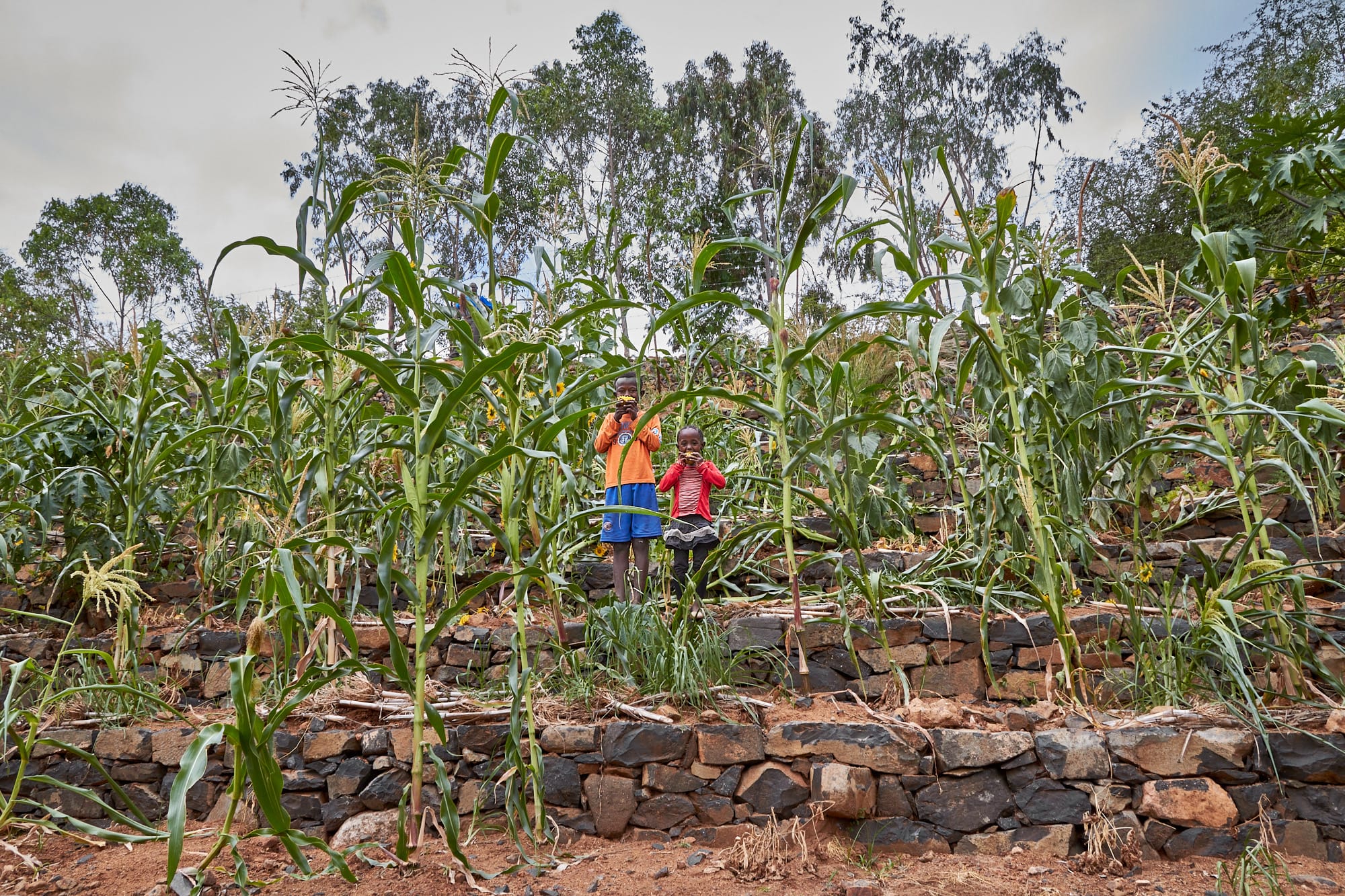
These demands have contributed to a tradition of environmental management that combines individual experience with shared knowledge.
Konso farmers have developed agricultural practices suited to different local conditions, drawing upon familiarity with plants, soils, seasonal rhythms, and the behavior of rainfall.
Their knowledge includes an extensive understanding of local vegetation and methods for interpreting changes in the natural environment.
In traditional Konso knowledge, the sky also provides information. The positions and movements of celestial bodies have been observed for their possible significance in anticipating seasonal conditions.
Time itself has been approached through systems of reckoning that connect natural cycles, ritual practices, and the succession of generations.
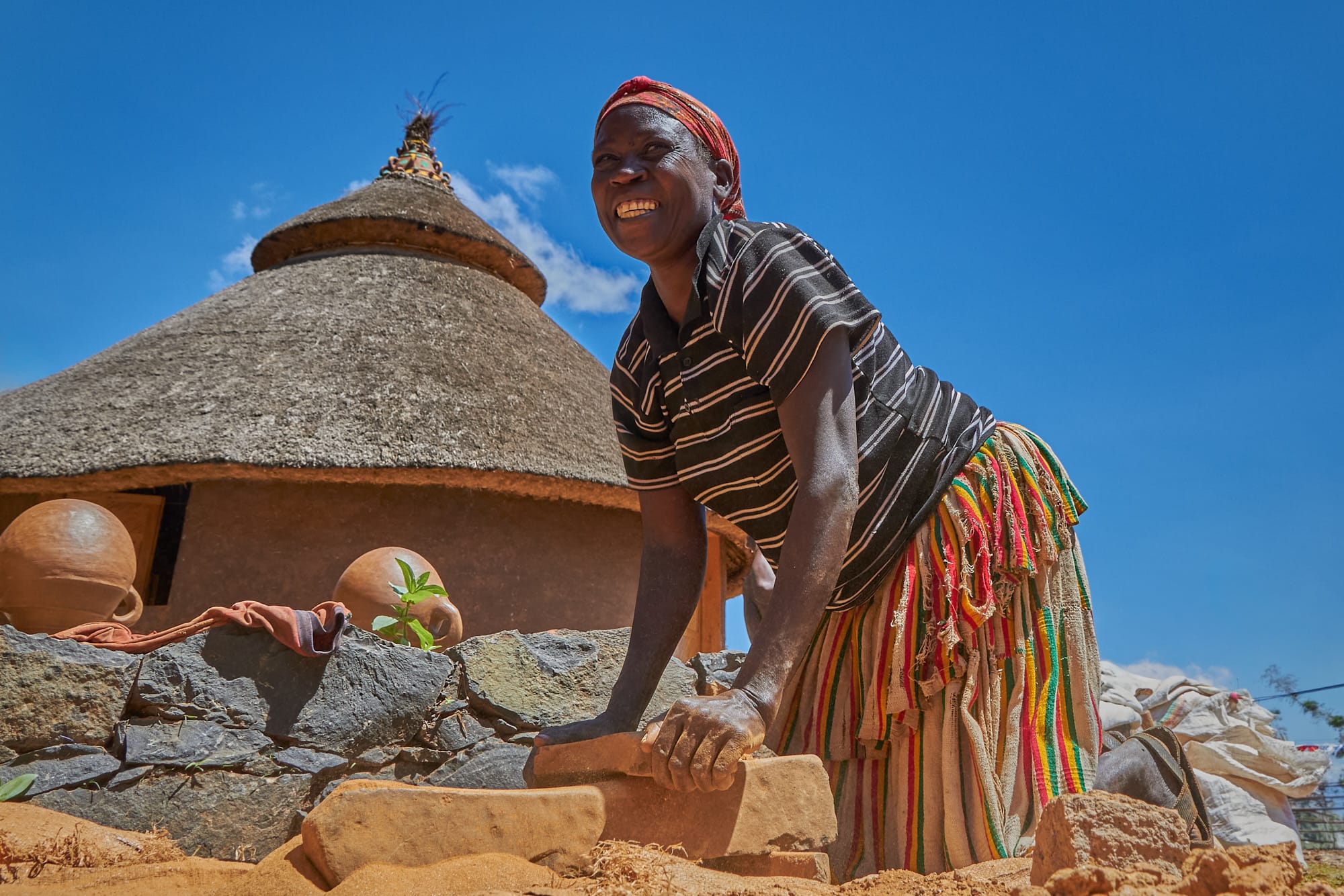
Such knowledge belongs to a particular history of observation. Its importance lies in the relationship between experience, memory, and the decisions on which agricultural life depends.
But the Konso landscape also reveals another dimension of their ingenuity: the organization of collective work.
Constructing and maintaining terraces over centuries requires arrangements through which people can contribute labor, coordinate responsibilities, and settle disagreements.
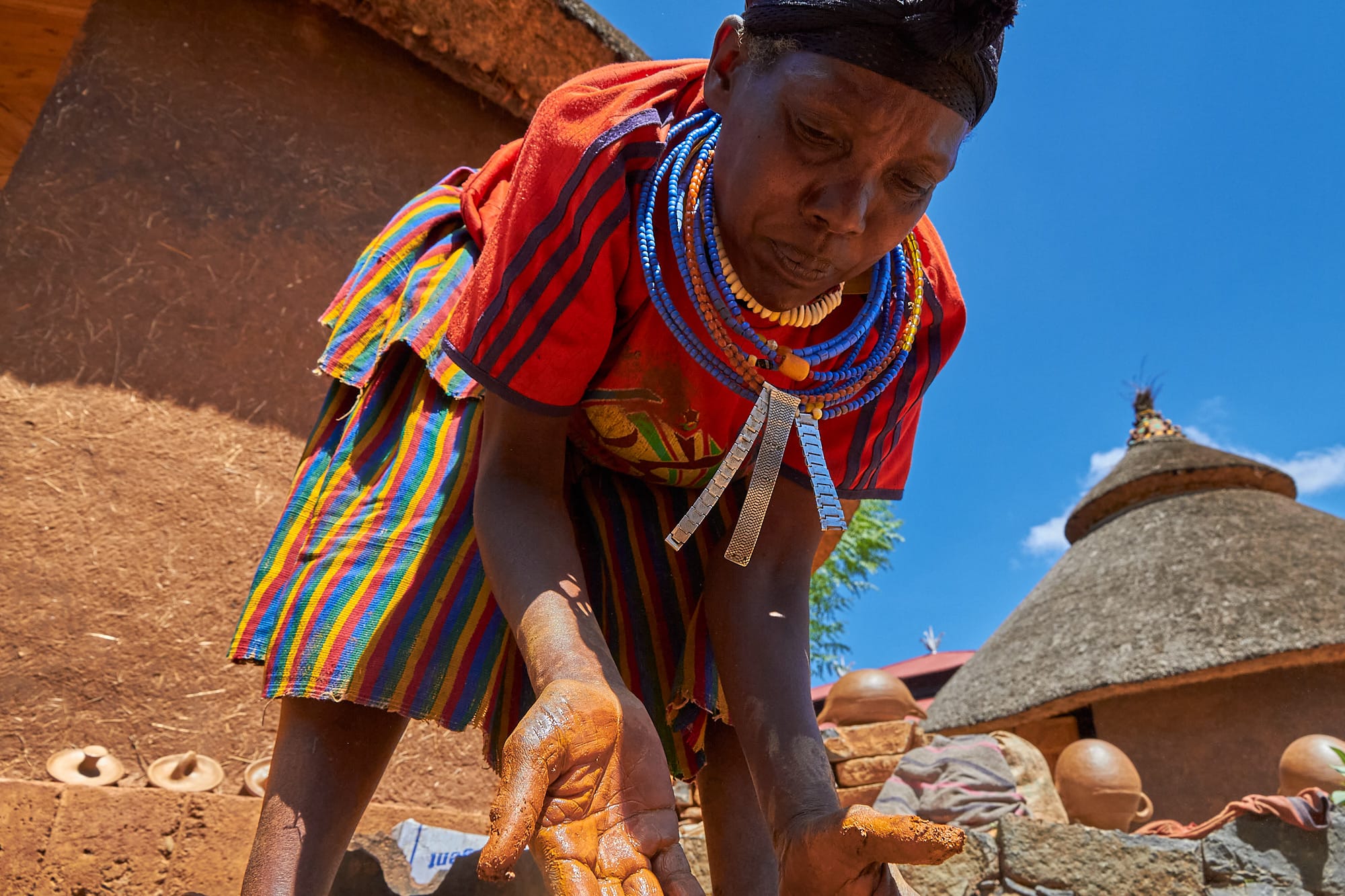
The landscape has consequently developed alongside institutions that organize relations among households, neighborhoods, and generations.
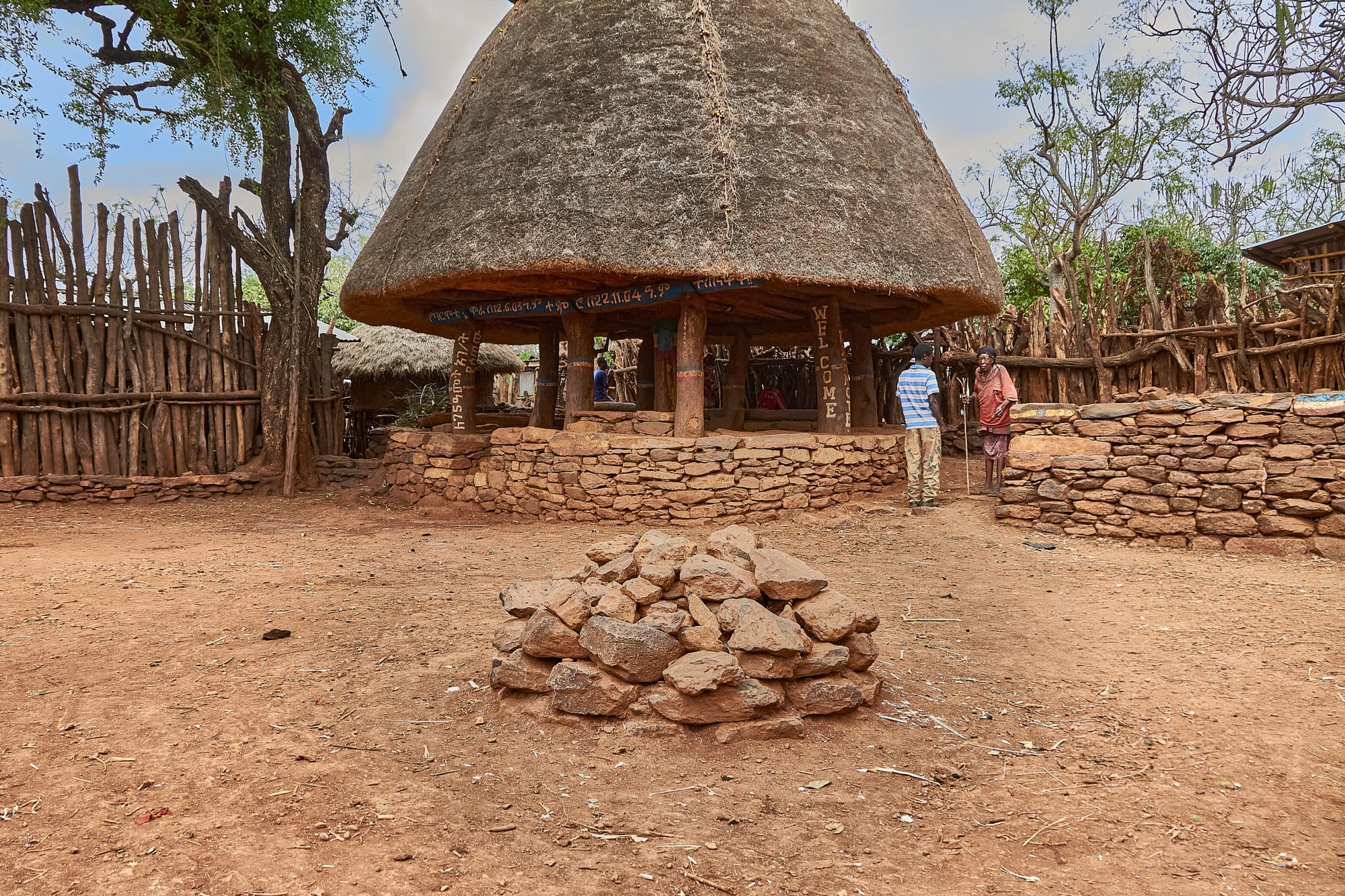
This connection is visible in the fortified towns, known as paleta, where stone walls surround settlements organized around communal spaces.
Among the most important are the mora, places associated with meetings, ceremonies, collective activities, and the transmission of social responsibilities. Their architectural presence reflects the importance assigned to shared institutions within traditional Konso life.
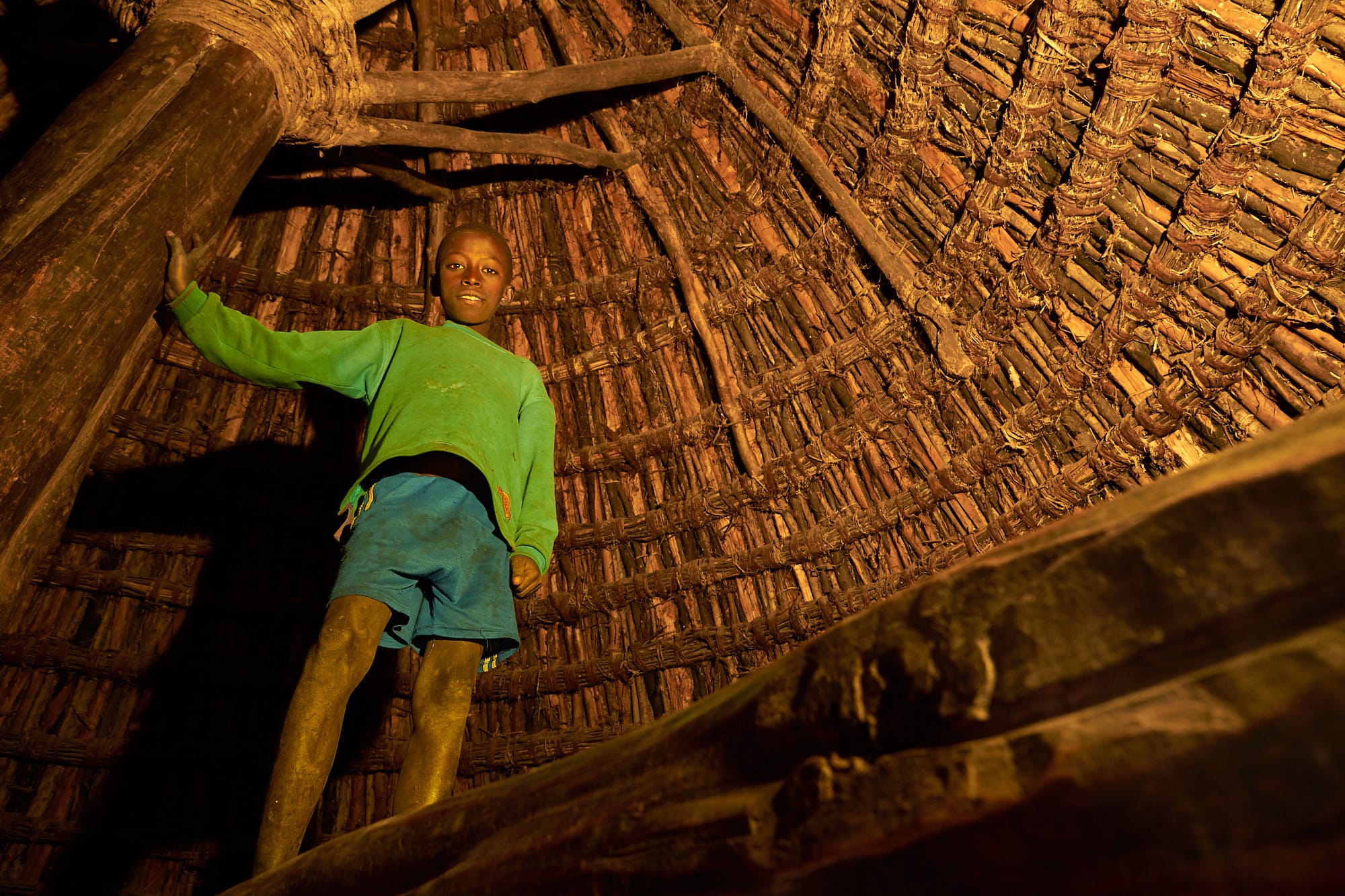
The landscape also contains places associated with remembrance and ritual. Stones mark the passing of generations; wooden memorial figures, known as waka, preserve aspects of funerary tradition; protected forests and water reservoirs belong to a wider cultural system in which practical and spiritual responsibilities often intersect.
These elements are frequently presented to visitors as evidence of an ancient culture. They deserve to be understood within the lives of the people who created them and who continue to negotiate their meaning.
A terrace is an agricultural structure. It is also evidence of an agreement carried across time.
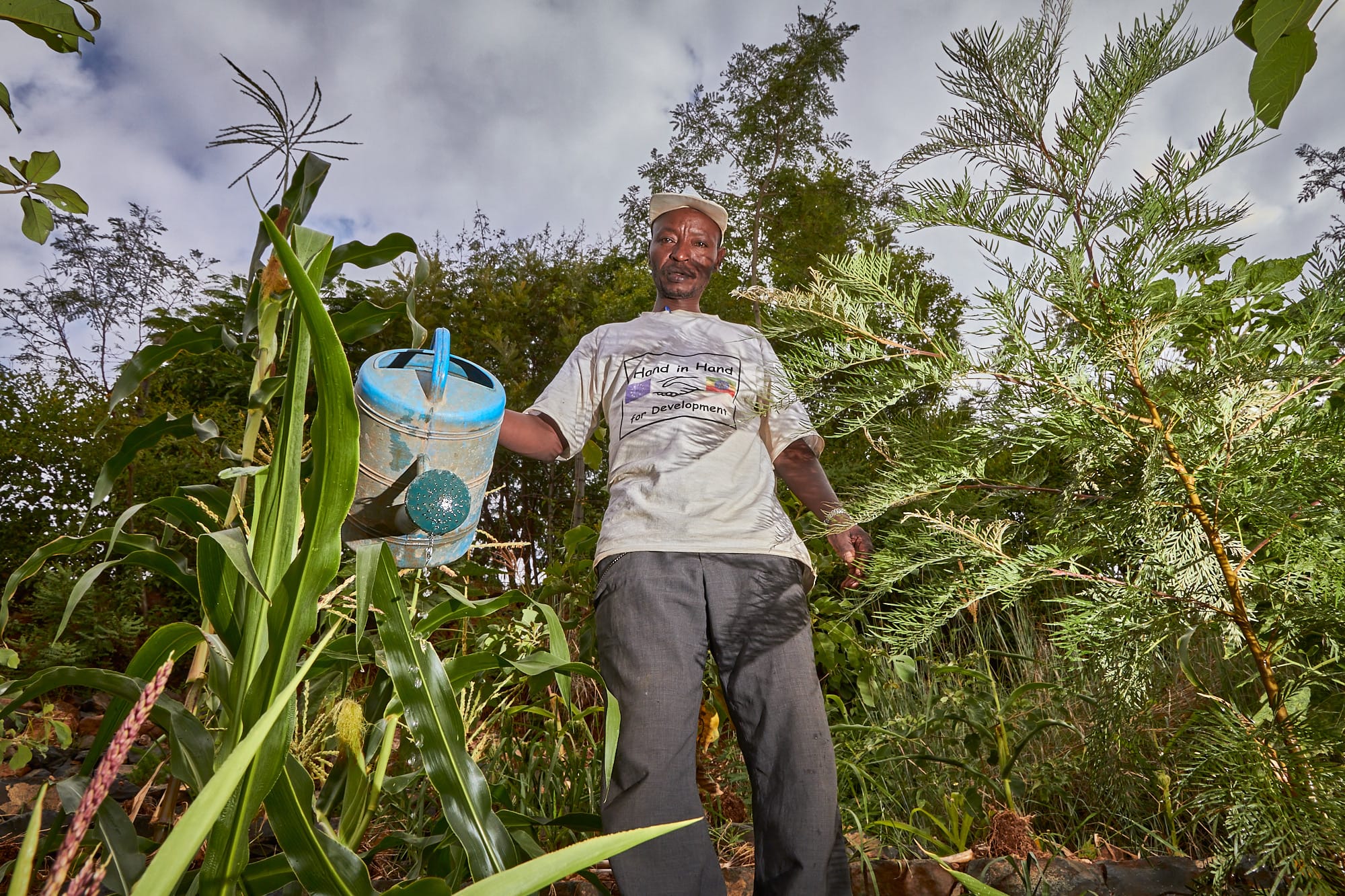
The generations that built the first walls could never have known the people who would maintain them centuries later. Yet those later generations inherited both the benefits of the work and the responsibility of continuing it.
In Konso, the relationship between people and land has been shaped by this continuity, although it has never been immune to change.
The agricultural landscape remains in use. Traditional institutions coexist with contemporary forms of administration, while environmental pressures, social transformations, and changing livelihoods raise new questions about how inherited knowledge can serve the present.
The land carries history, but it also demands decisions from those who live upon it today.
The Day the World Took Notice
In 2011, the Konso Cultural Landscape was inscribed on the UNESCO World Heritage List.
The recognition acknowledged an extraordinary agricultural and settlement tradition extending across more than four hundred years and at least twenty-one generations.
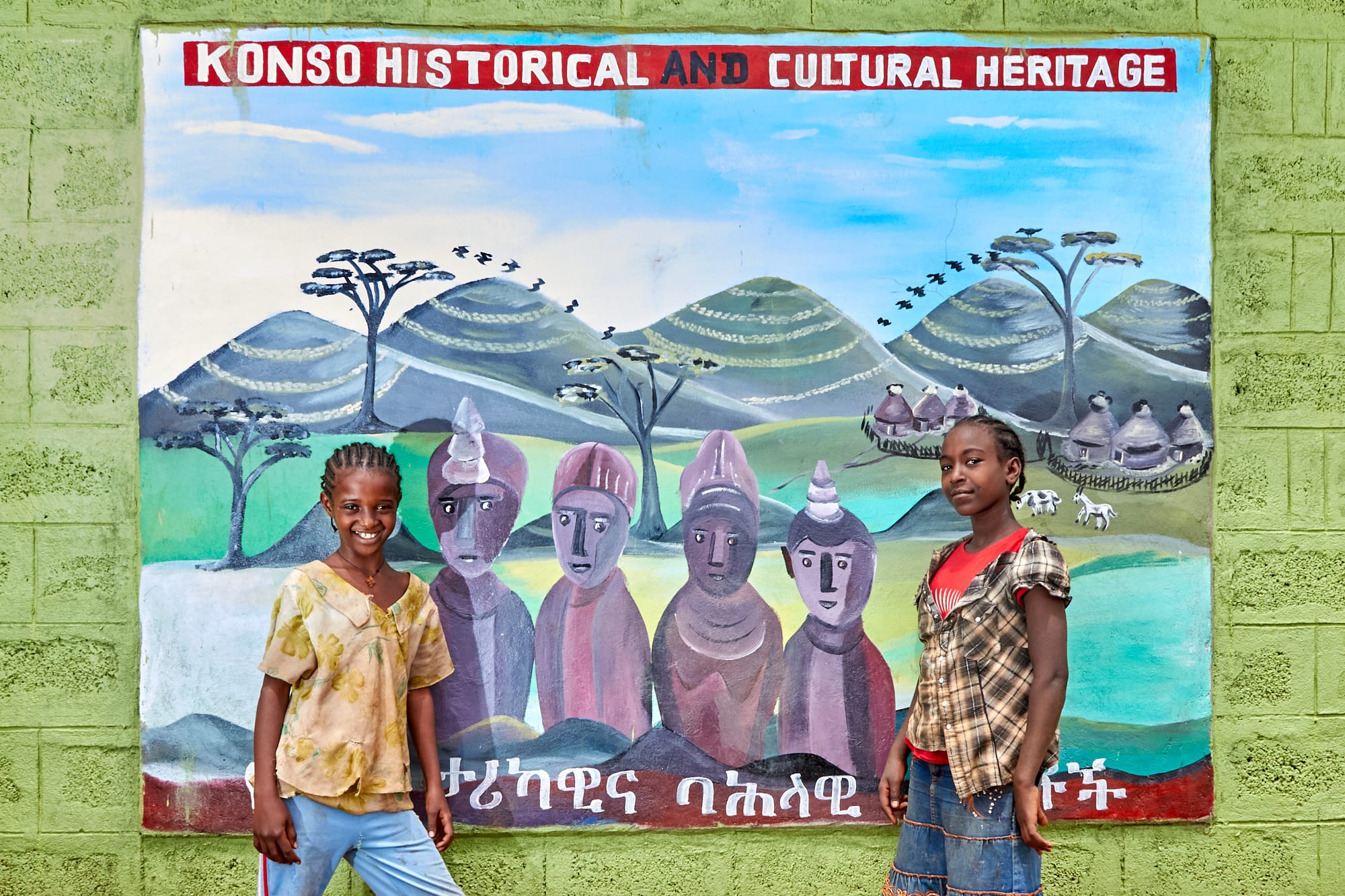
Its dry-stone terraces, fortified settlements, communal spaces, and memorial traditions were recognized as parts of a cultural landscape whose value rests upon the relationship between human knowledge and the environment.
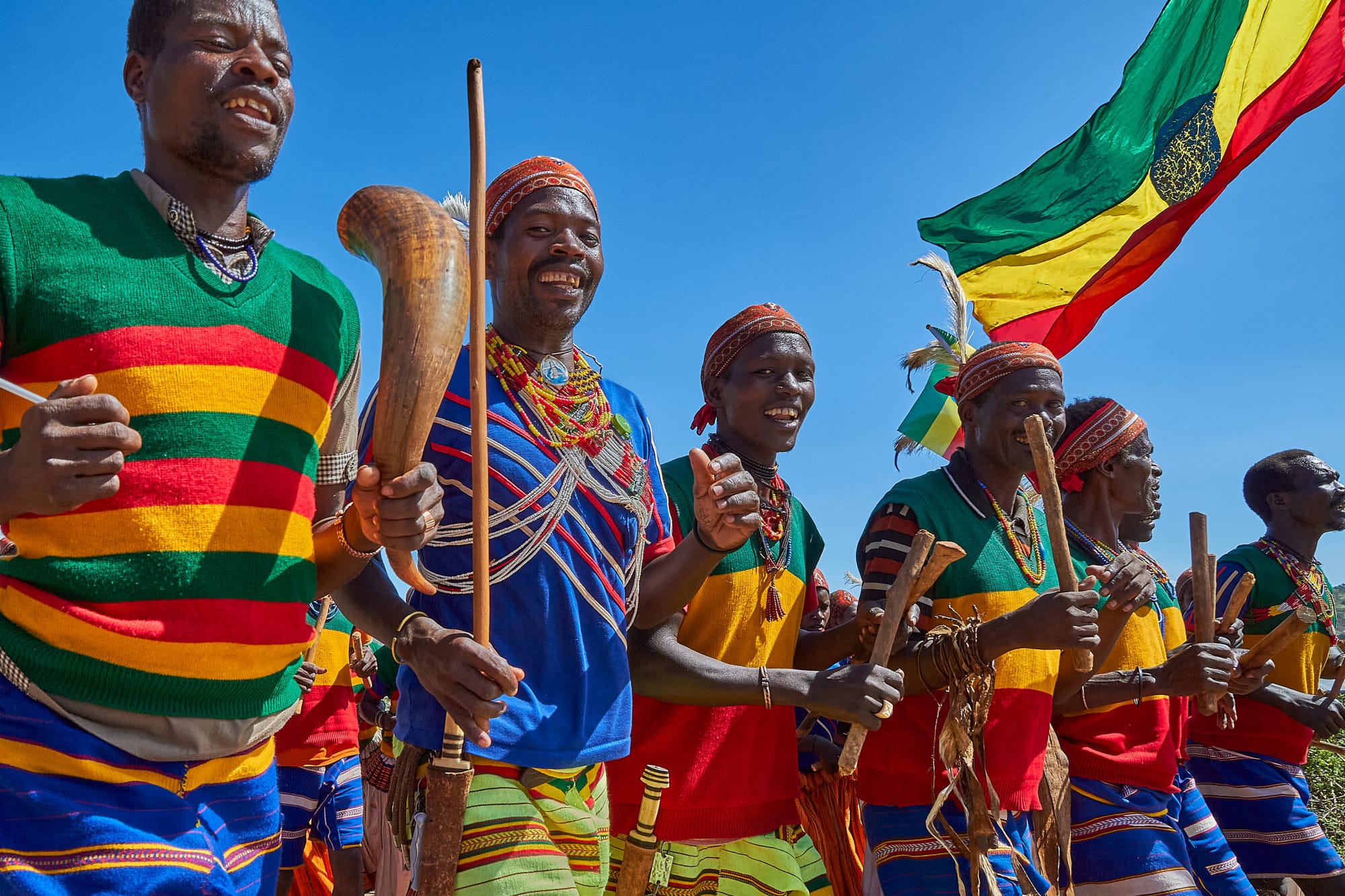
The UNESCO designation brought international attention to practices and achievements that generations of Konso people had already developed, inherited, and maintained.
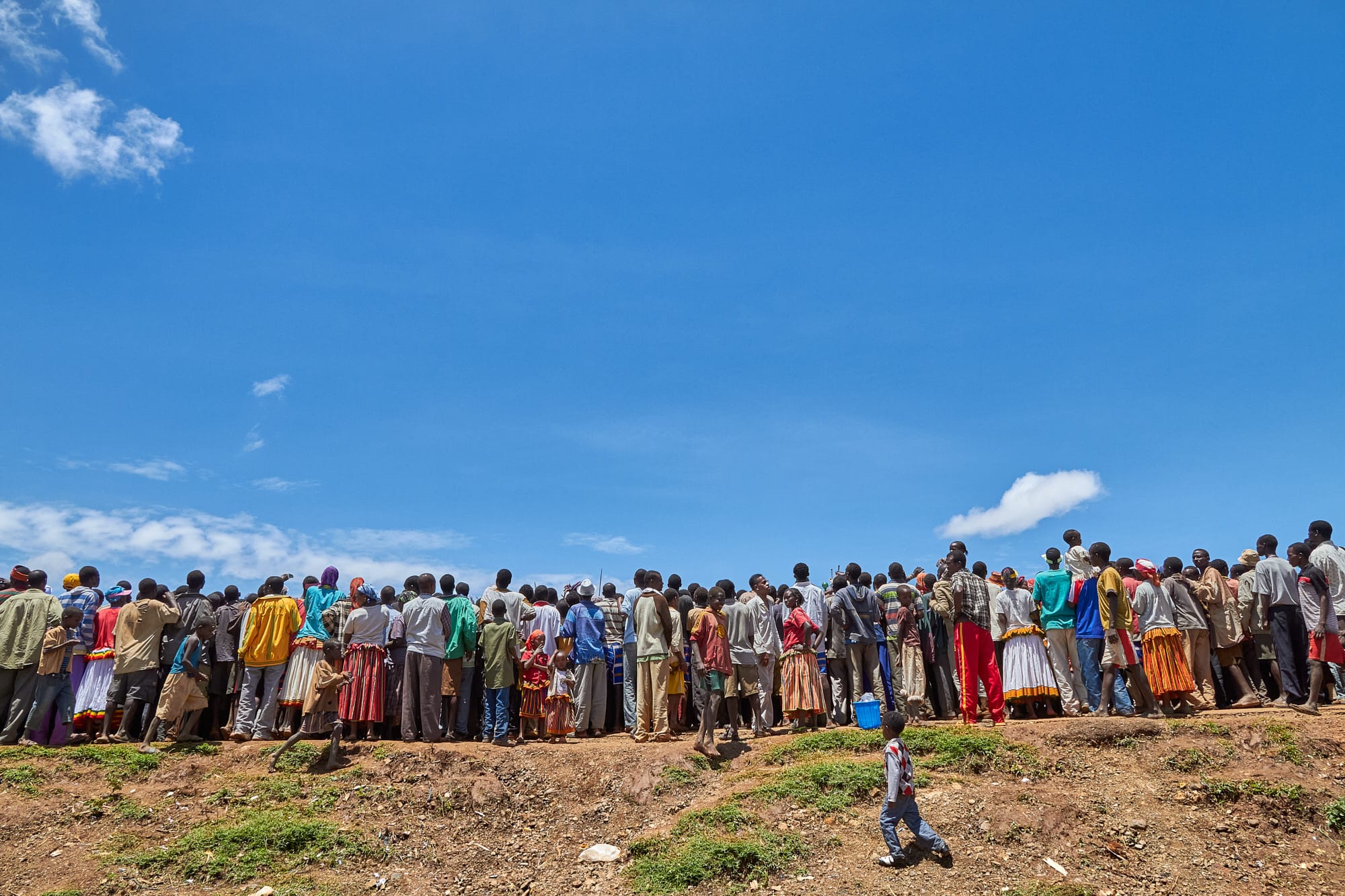
The photographs taken during the celebration of this recognition reveal another dimension of the story.
People gather in large numbers. Traditional garments appear alongside everyday clothes. There are flags, music, dancing, and conversations. Children and adults share the public space, while groups of participants move through the celebrations.
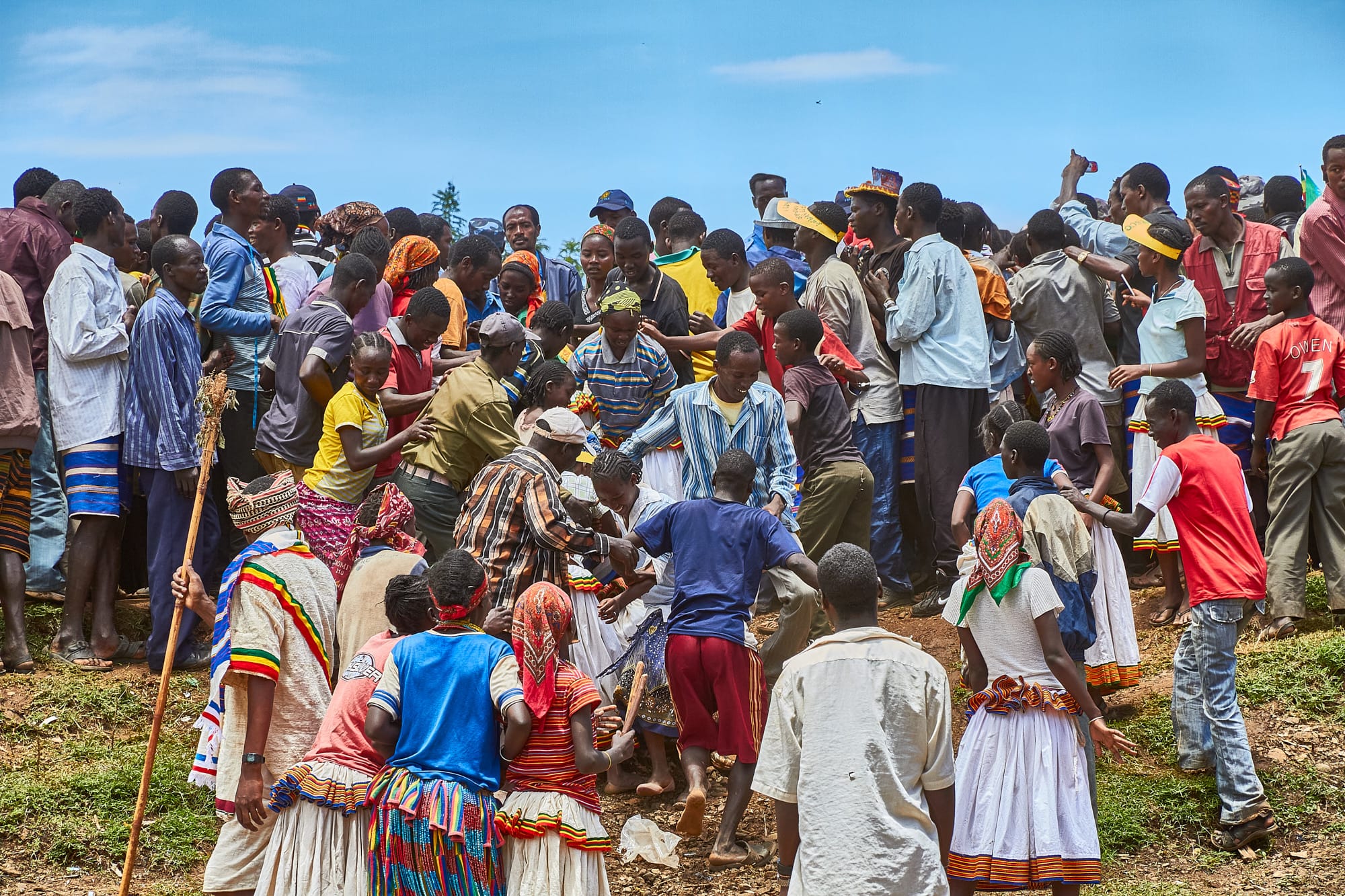
It is a public celebration of cultural identity, involving people whose lives are connected to the landscape and its traditions, and who have their own reasons to value what has been recognized.
Heritage is sometimes discussed as though it consisted primarily of things that must be preserved: buildings, monuments, objects, and customs.
In Konso, however, the terraces are cultivated, the settlements inhabited, and the institutions that have shaped the territory continue to interact with the demands of contemporary life.
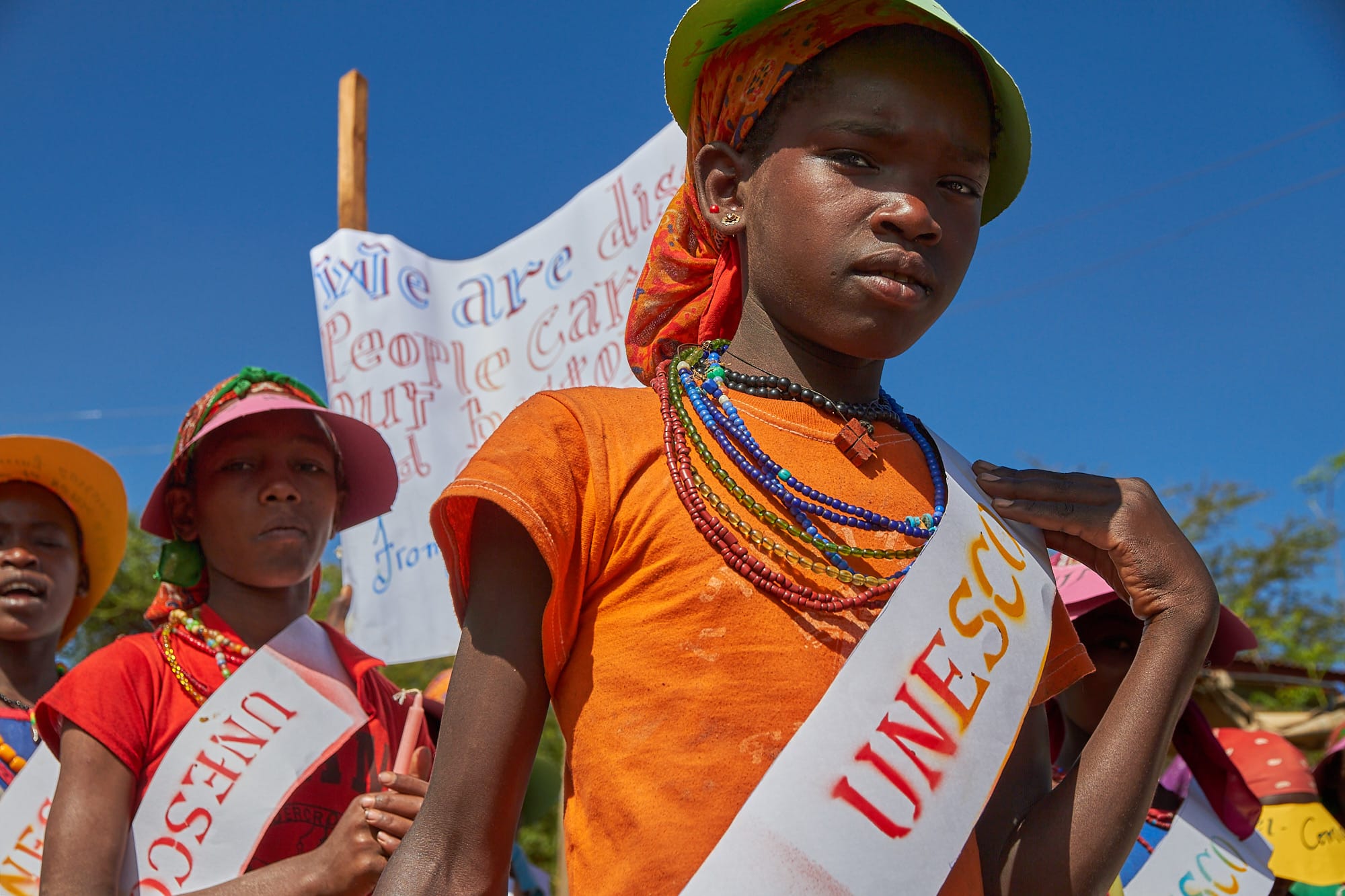
International recognition can help protect such places and draw attention to their history.
It also brings new responsibilities concerning conservation, management, tourism, and the participation of local communities in decisions about their heritage.
The question of who defines the meaning and future of a cultural landscape therefore remains important long after its inscription on a list.
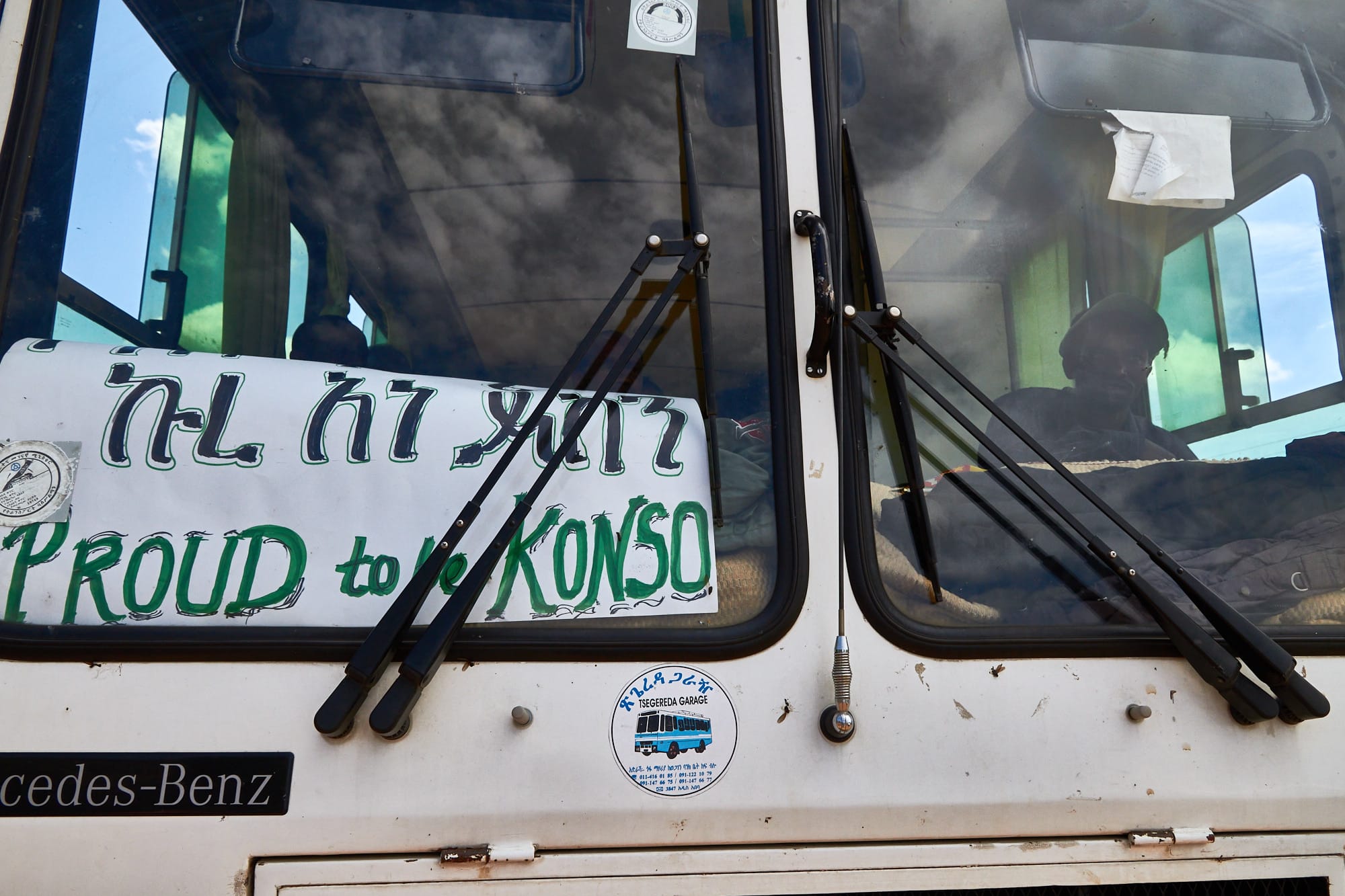
The Konso are the inheritors of this history, but they are also the people whose choices will influence what becomes of it.
There is something particularly direct about those words. They express an identity that belongs to the people themselves, regardless of whether it has been recognized by an international institution.
The recognition may have traveled around the world. The responsibility for the landscape remains, in large part, with those who live there.
When Rain Becomes Justice
The relationship between the Konso and their environment cannot be understood entirely through agriculture.
In the traditional cosmology documented by Konso scholar Shako Otto, the universe consists of three interconnected realms: the heavens, the earth, and the world of the dead.
At the center of this understanding stands Wa’qha, the divine creator and source of moral order. Wa’qha belongs to the heavens, but divine authority reaches into human affairs. The earth sustains life, while the celestial realm governs forces that lie beyond human control.
The world of the ancestors continues the existence of those who have died, maintaining a relationship between human conduct and a moral order understood to endure beyond death.
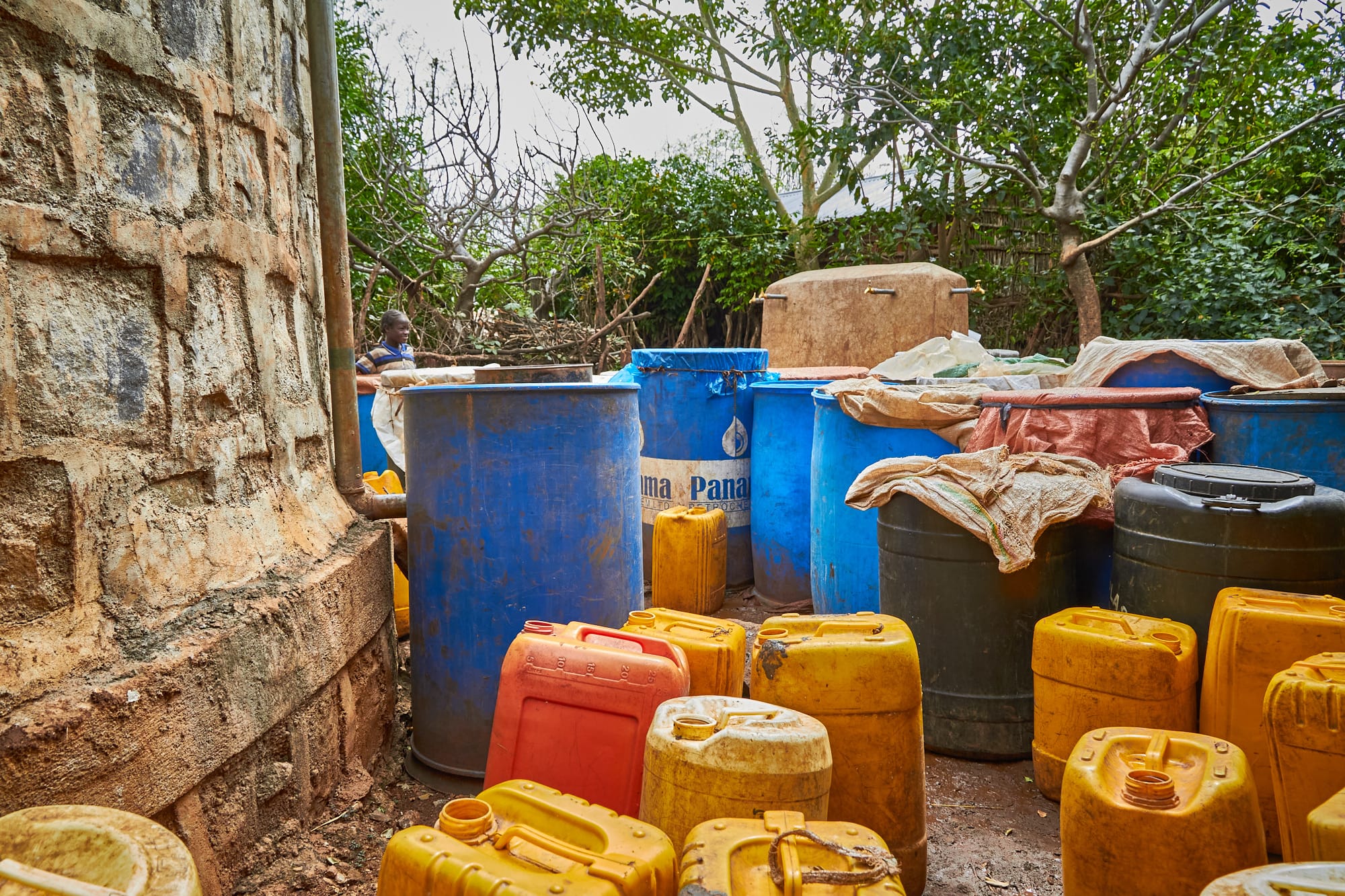
These realms form a connected understanding of existence. In this cosmology, rain is a particularly powerful expression of the relationship between the divine and the earth.
Shako Otto records a traditional image in which rain is described as the urine of Wa’qha. The metaphor is striking in its physical directness: divine water enters the soil, fertilizes it, and allows the living world to grow.
Life depends upon the cooperation of heaven and earth. The relationship is expressed in a traditional thanksgiving prayer addressed to both Wa’qha and the land:
Wa’qqho ka pi’tto kalata’yti. “Thanks to you, God and the earth.”
The prayer recognizes the participation of both in sustaining life. Rain alone cannot produce a harvest without soil, while the earth depends upon water to sustain the people who cultivate it.
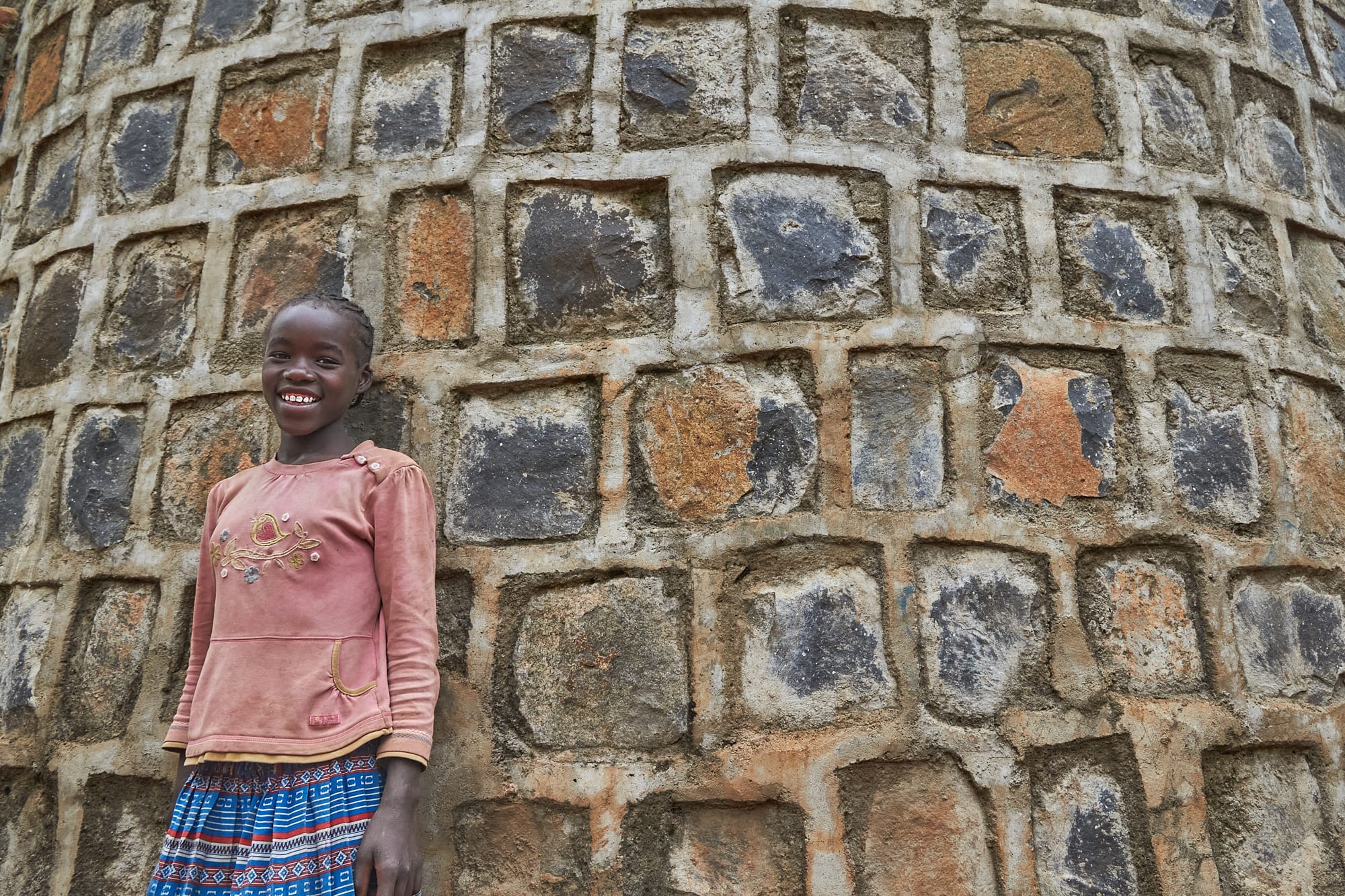
But in traditional Konso thought, rainfall also possesses a moral significance. Wa’qha is understood as a source of justice, and social disorder can disturb the relationship between the divine and the community. Persistent quarrels within a settlement are believed to risk divine anger, expressed through drought and the loss of fertility.
This belief belongs to a cosmology in which human conduct, the condition of the land, and the forces governing existence are connected. Its social meaning is considerable.
A conflict between individuals may have consequences for the entire community. Peace becomes a responsibility shared by everyone, because the well-being of one household cannot be separated entirely from that of its neighbors.
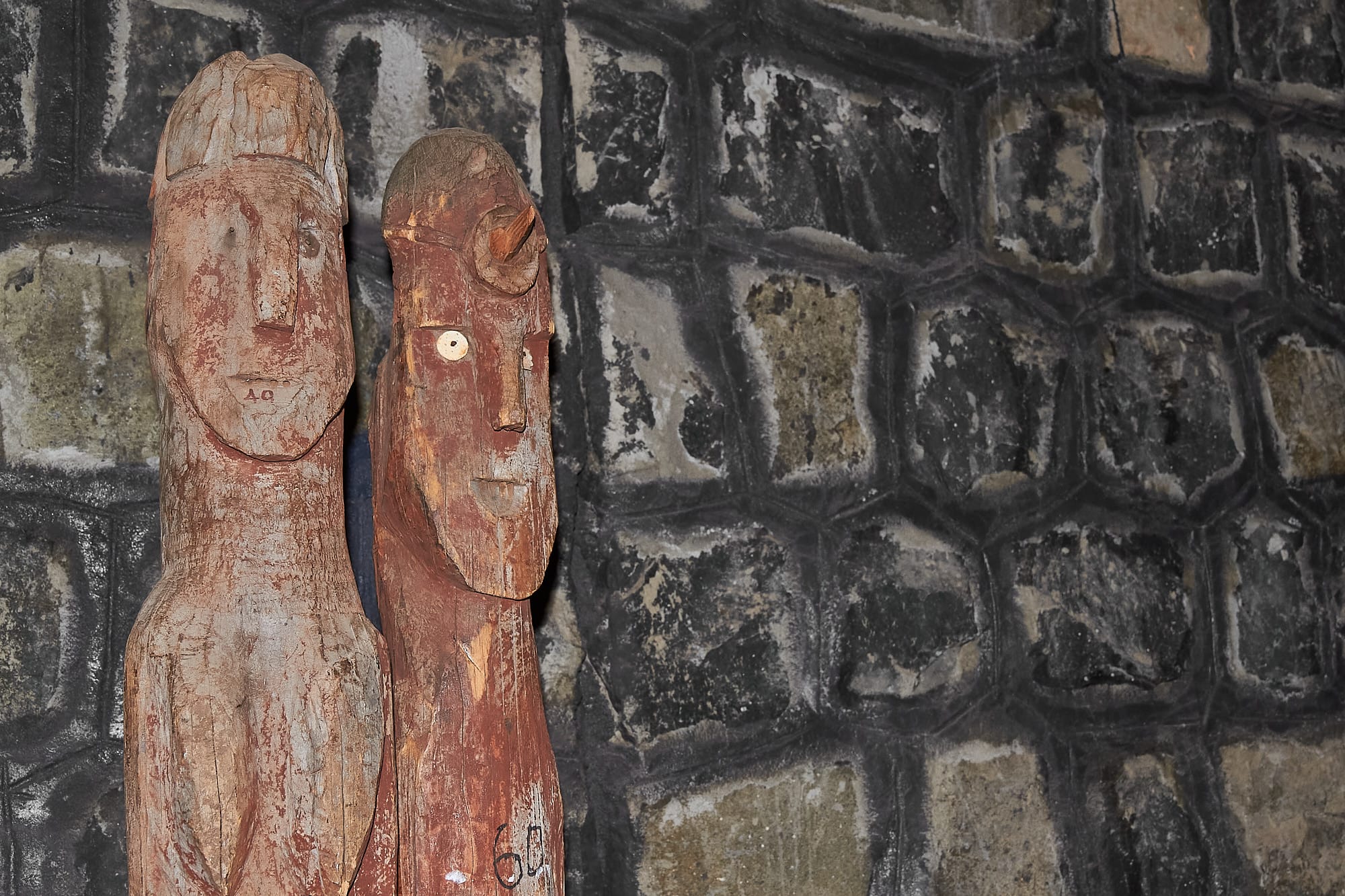
The same sense of continuity extends beyond death. In traditional Konso accounts, a person possesses different dimensions of being. At death, the body returns to the earth, while the soul belongs to Wa’qha. Another aspect of the person continues into the world of the dead, where existence is understood to resemble earthly life.
The deceased cultivate land and keep animals. Their former conduct and condition remain part of their existence. The world of the ancestors reflects the moral and social arrangements of the living.
Even decisions among the dead are described through a familiar practice: discussion leading toward agreement. In accounts recorded by Shako Otto, the spirits are believed to deliberate collectively when deciding whether to summon a living person into their world.
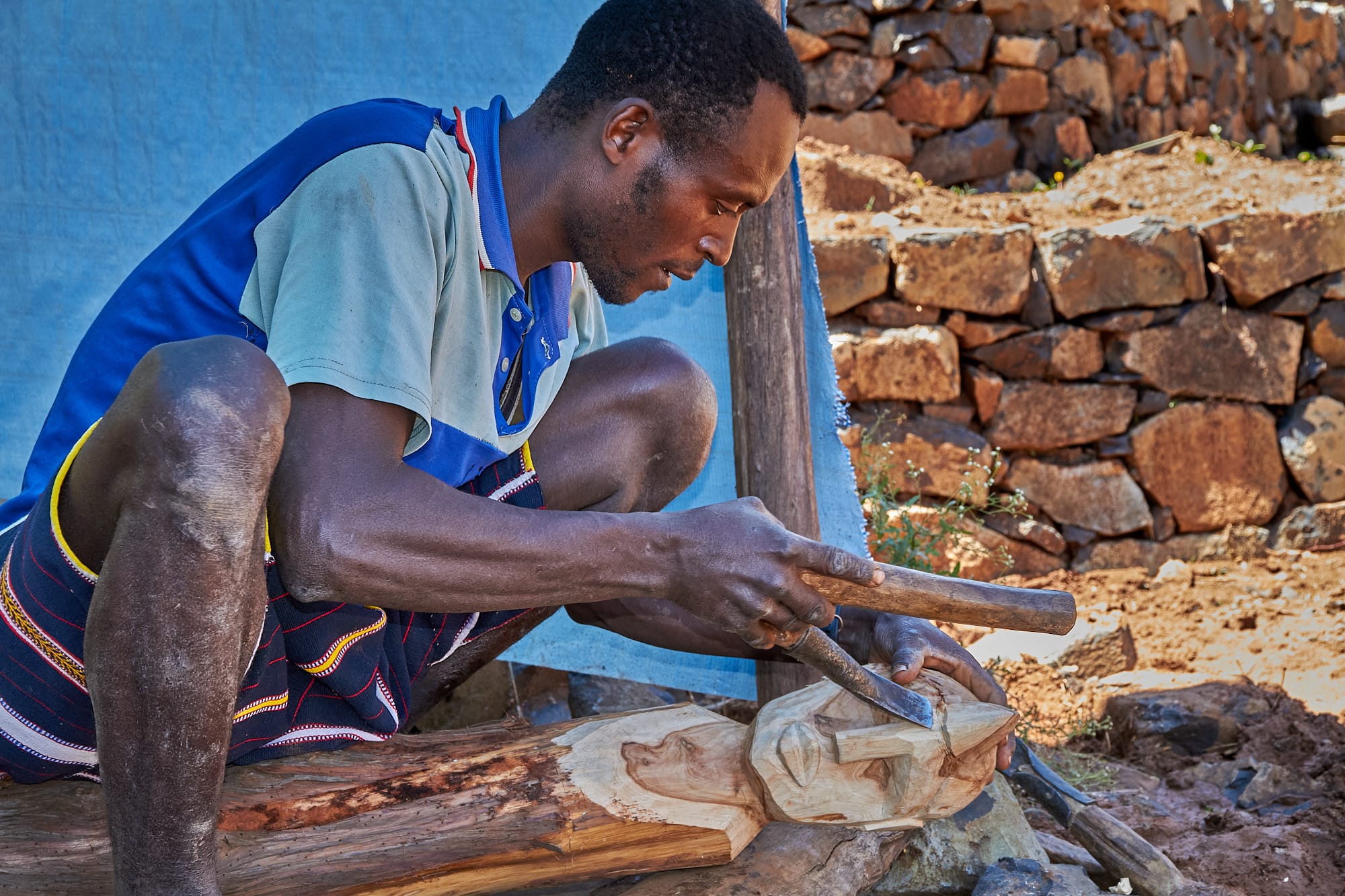
The image is revealing. The institutions through which the Konso have traditionally organized life are projected beyond the limits of life itself. Death does not entirely dissolve the relationships that give existence its meaning.
These beliefs have undergone change, particularly through encounters with Christianity and other religious and social influences. They should therefore be understood as an important part of Konso intellectual and spiritual history, rather than as an identical set of convictions held by every Konso person today.
Their significance remains profound. They describe a universe in which the living inherit obligations from those who came before them, and in which the consequences of human conduct reach beyond the immediate interests of the individual.
The land must be cultivated. Peace must be maintained. Truth must be respected. Even the rain belongs to this understanding of responsibility.
The Art of Reaching Agreement
A society that places such importance on collective responsibility must also determine who has the authority to make decisions.
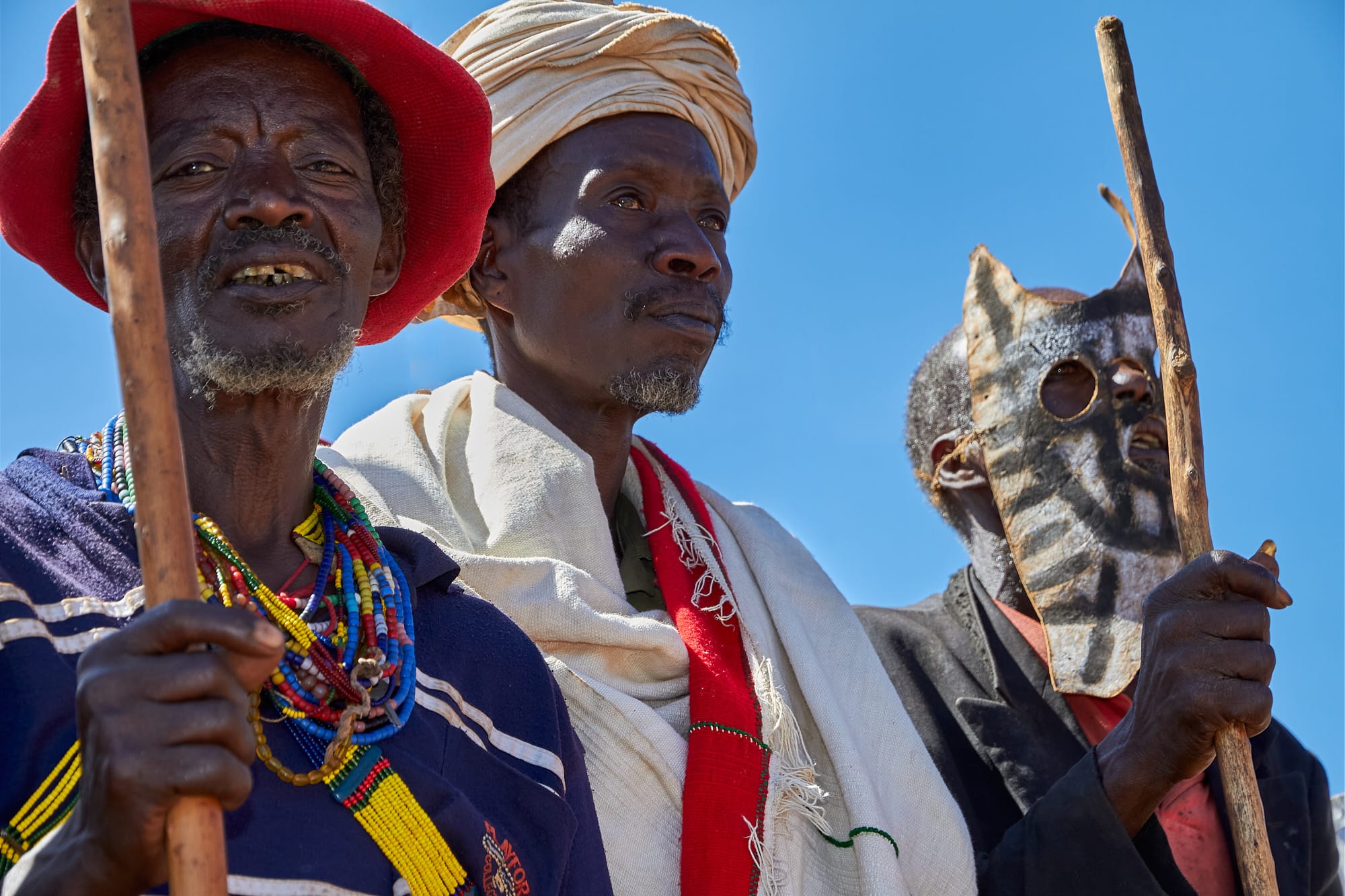
Traditional Konso institutions have developed around councils, public discussion, customary law, and the authority of elders.
The settlements, or paleta, have historically maintained councils responsible for matters of common concern, while smaller territorial divisions possess their own forms of representation and administration.
In the accounts collected by Shako Otto, the legitimacy of these institutions rests upon qualities associated with justice: honesty, impartiality, sound judgment, and the ability to place the interests of the community above personal advantage.
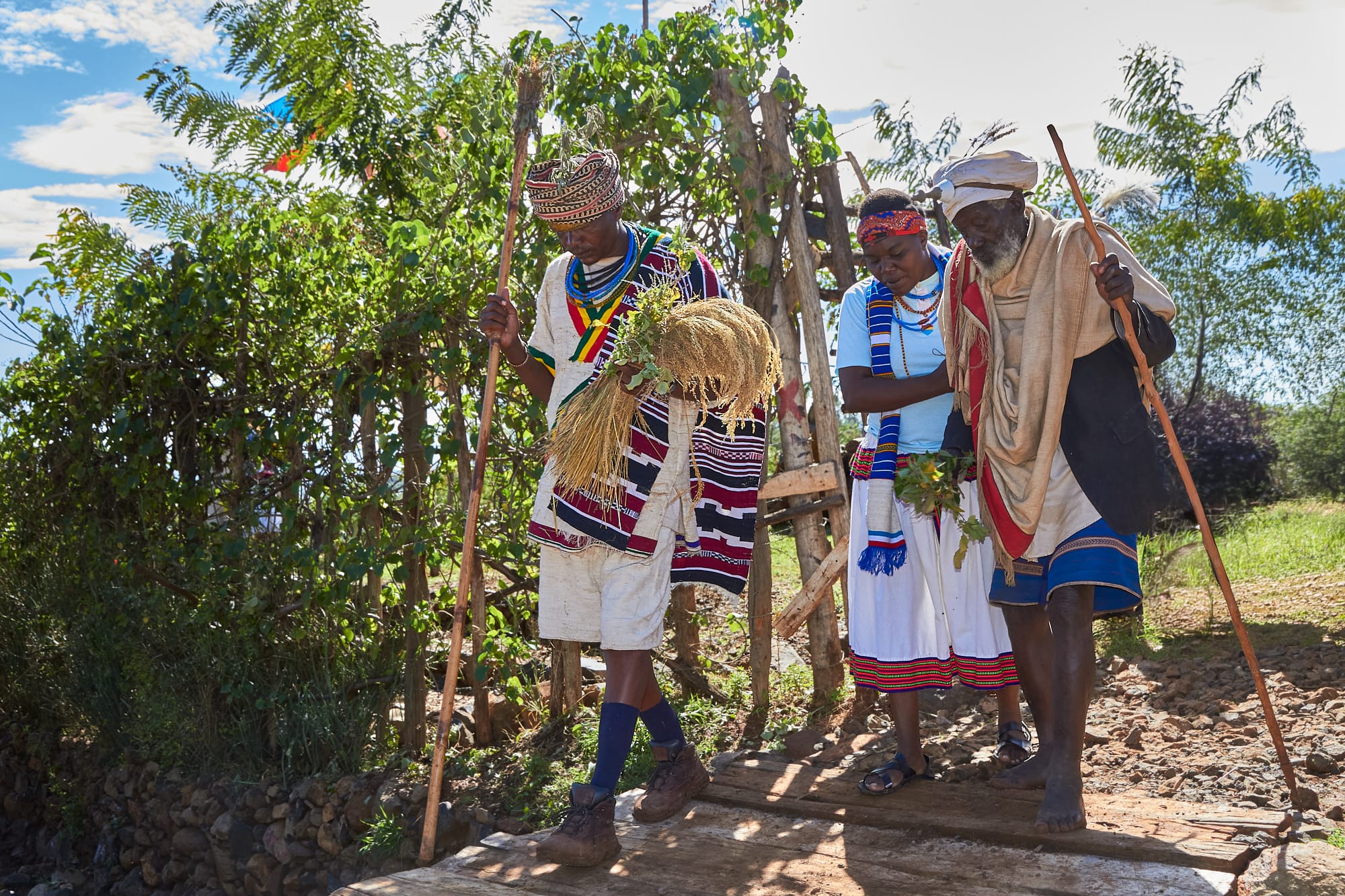
An elder's authority is connected to the knowledge and responsibilities he carries. The Konso concept of truth, dhuga’ta, extends beyond the simple distinction between factual accuracy and falsehood.
Within the traditional moral system described by Otto, truth is associated with fairness, sincerity, impartiality, and freedom from self-serving conduct. It provides a standard by which decisions and the people responsible for making them may be judged. Discussion occupies an equally important place.
Disagreements are brought before councils and may be debated at considerable length. The aim is to arrive at decisions that can be accepted by the community and that respect the norms through which people understand their obligations.
Consensus is valued because decisions must remain meaningful to those expected to observe them.
The Xho’ra para: When disagreement takes the form of a dance
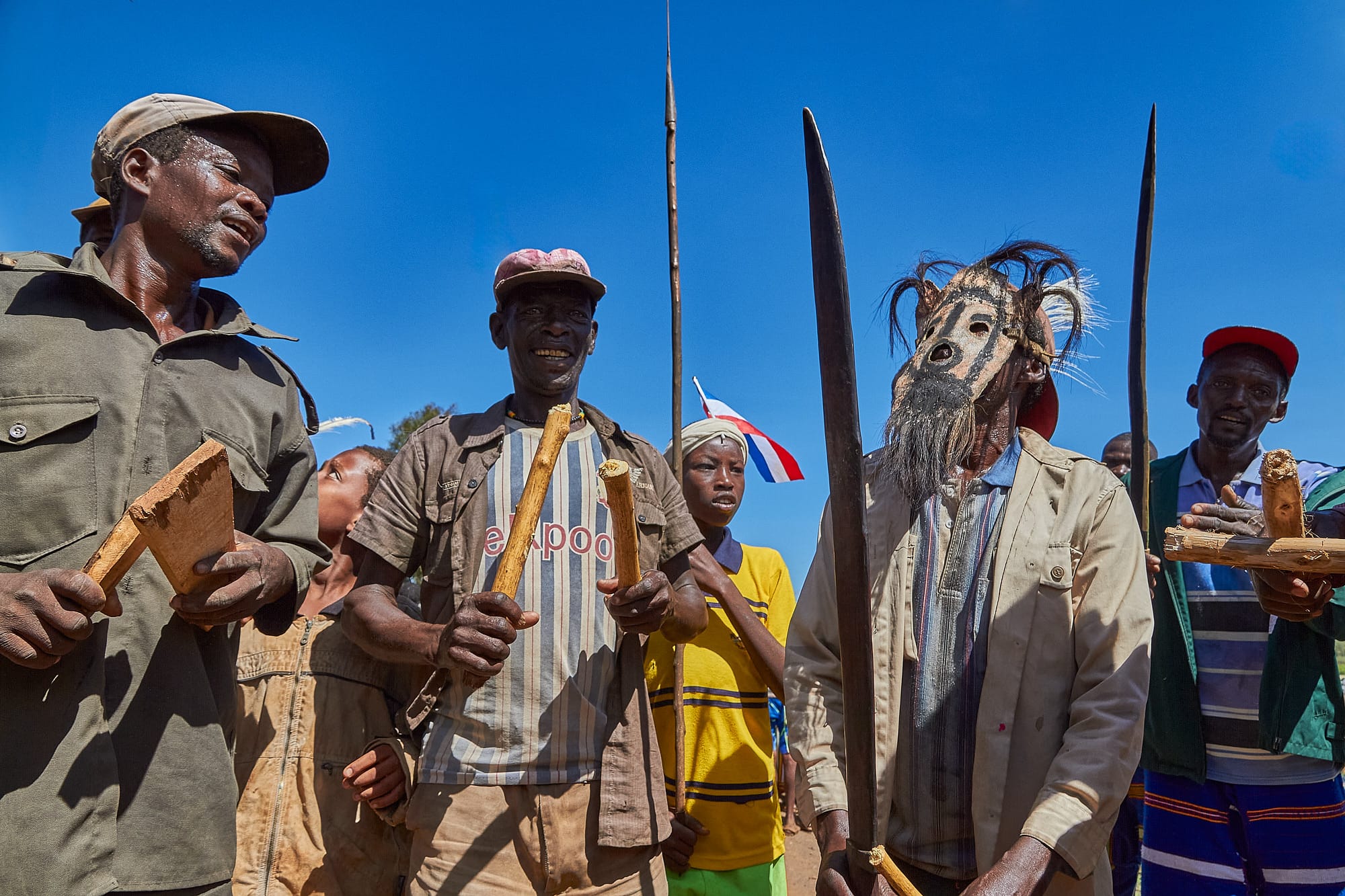
There is a remarkable traditional Konso performance associated with emergency public discussions: the Xho’ra para.
In the mo’ra, men divide into opposing groups and face one another across the communal space. They shout with the intensity of warriors preparing for battle. Bells ring. Long shields are kicked, while spears and wooden sticks are thrust forward in simulated combat.
The noise and movement gradually increase. The opposing sides advance, retreat, and confront one another, until the tumult reaches its climax.
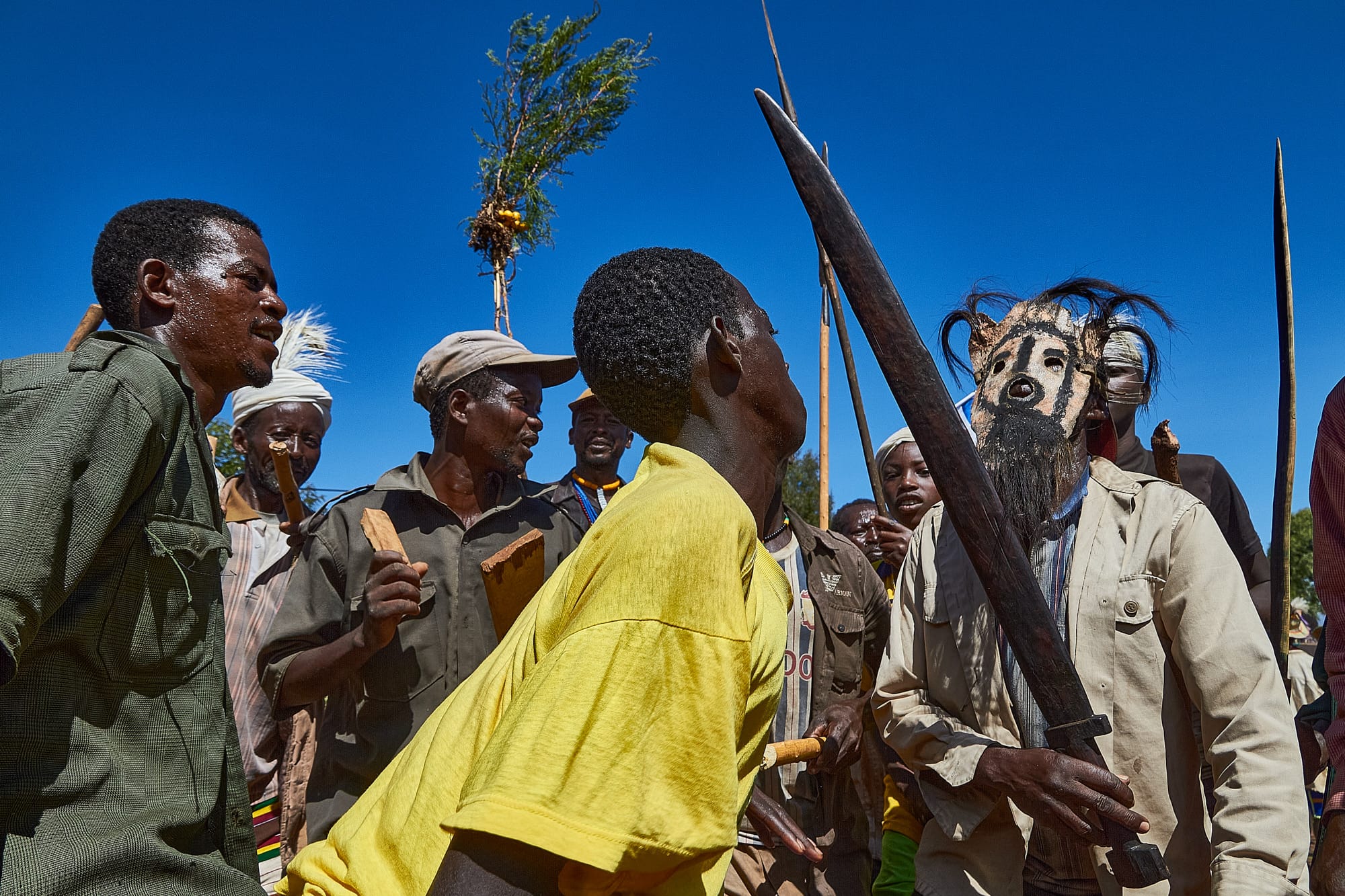
Then the groups rush toward each other. They pass through one another and emerge on opposite sides of the mo’ra. From their new positions, the performance begins again.
The spectacle is physical and intense, yet the confrontation is enacted through a shared form. The opposing groups follow a pattern understood by those taking part, and the passage from one side of the communal space to the other creates a movement in which positions are exchanged.
What makes the Xho’ra para particularly interesting is its place within a culture that attaches great importance to discussion, truth, and collective agreement.
It reveals that disagreement is not foreign to communal life. The traditions of public discussion make room for the expression of powerful tensions, including through forms of performance whose imagery comes from warfare.
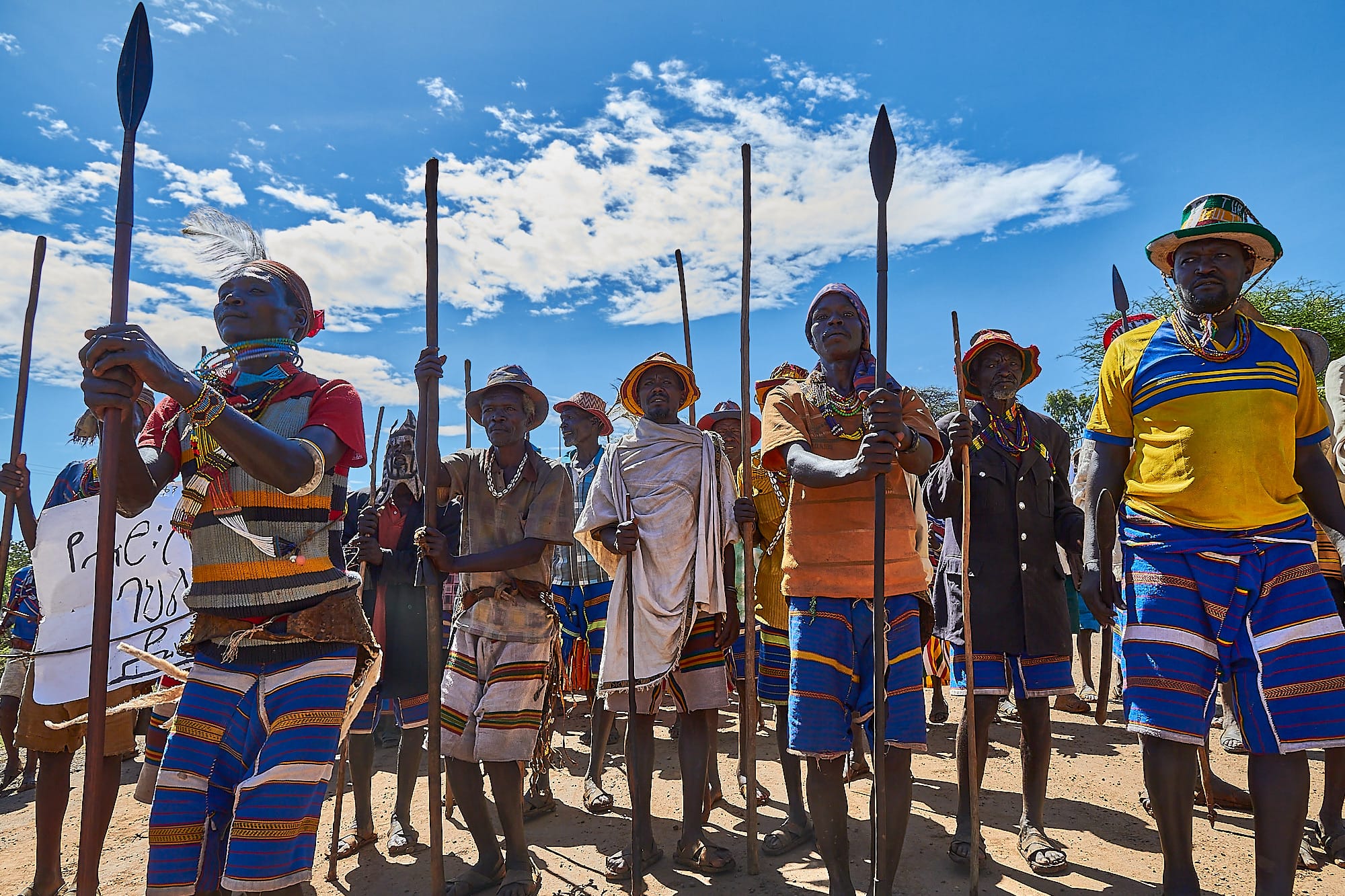
The dance also suggests an important distinction between conflict and violence. Its movements reproduce the appearance and intensity of battle within an established collective practice.
The precise relationship between a particular performance and the decisions taken during an emergency discussion depends upon the circumstances. The dance itself should not be mistaken for a guarantee that opposing interests will be reconciled.
Nevertheless, its existence adds a dimension to the Konso understanding of public deliberation that an account based solely on councils and rules might overlook.
A community must sometimes confront its disagreements openly. The task of its institutions is to make it possible for people to continue living together despite them.
The authority of those who listen
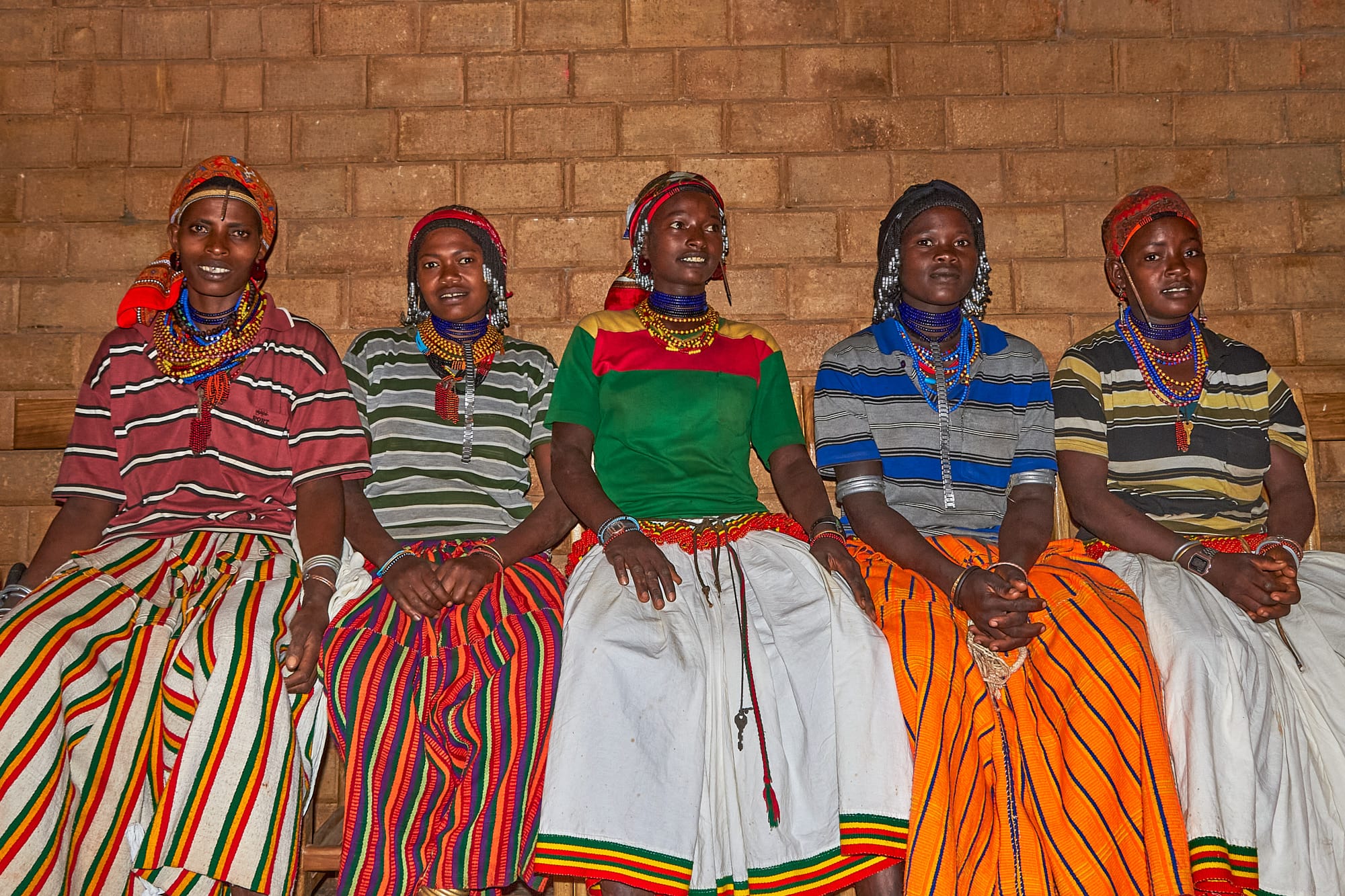
This does not mean that traditional Konso society has been free from hierarchy or exclusion. Authority has been shaped by age, gender, lineage, and social position, and participation in governing institutions has not always been equally available to everyone.
Women have contributed fundamentally to agricultural production and community life while holding a different, often less influential position within formal structures of authority.
Nor do customary institutions exist outside history. They have changed through contact with wider political systems, religious movements, and contemporary forms of government.
Nevertheless, the importance assigned to discussion and public accountability reveals a distinctive understanding of legitimate authority.
In the traditional moral account, decisions should be justified through the rules and values recognized by the community. Personal power alone does not constitute sufficient authority.
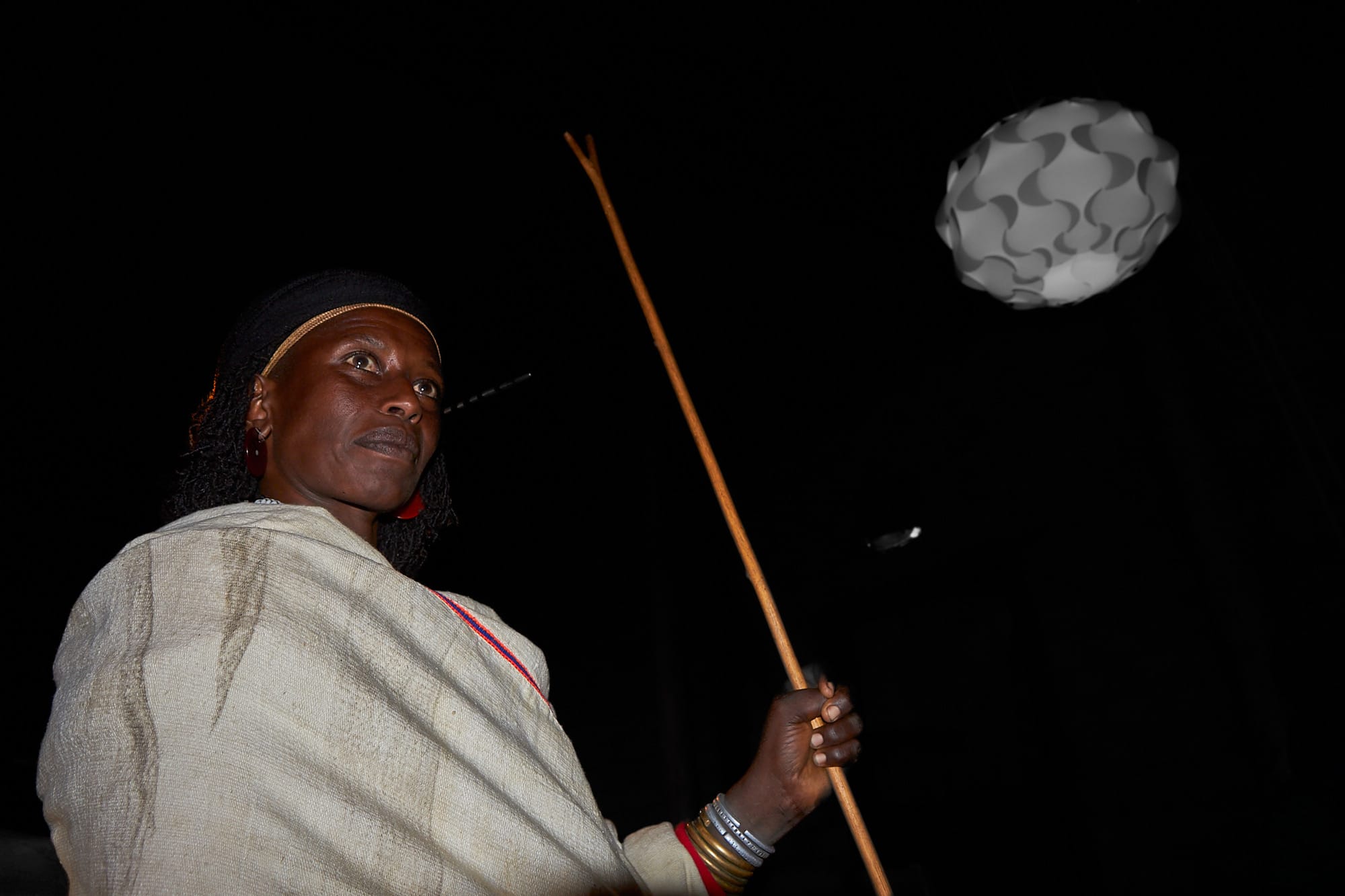
The responsibility to preserve those standards falls particularly upon the elders, qhimaya’bit’ta, whose role extends beyond the settlement of disputes. They are regarded as custodians of inherited knowledge, examples of restraint, and guardians of the conduct expected from members of the community.
Shako Otto describes their moral position as analogous, in certain respects, to that of Wa’qha: they represent on earth principles of justice and order whose authority is understood to transcend individual interests.
It is a demanding conception of leadership. Those entrusted with authority must themselves remain answerable to the values they are expected to defend.
The idea is closely connected to another Konso principle: the worth of a human being cannot legitimately be reduced to a price.
In the traditional moral account recorded by Otto, the sale of human beings and practices that treat human life as a commodity are condemned as violations of human equality. Compensation for wrongdoing is addressed through customary principles that seek to restore social relations and acknowledge the harm caused.
These principles should not be mistaken for proof that the society has always practiced equality in every sphere. They describe moral aspirations and institutions through which the Konso have sought to regulate their collective existence.
Like the agricultural terraces, such institutions require maintenance. They depend upon people willing to recognize obligations, confront disagreements, and accept that the interests of the community may sometimes demand restraint from individuals.
But they also raise a question that no society can permanently resolve: how can collective authority remain accountable to the people whose lives it governs? The old riddle offers one answer, and a warning.
The Weight We Carry Together
In traditional Konso thinking, the earth and the community occupy closely related positions. Both sustain human life. Both impose limits upon individual freedom.
Both exist before the birth of any particular person and continue after that person's death. A traditional Konso account describes an agreement between humanity and the earth.
The earth tells the human being that, during life, he will consume what the land produces. In return, after death, the earth will consume his body in the grave. The human being accepts.
The story expresses a relationship of dependence without presenting it as a humiliation. Human beings live from the earth, and eventually return to it. The agreement cannot be escaped; it establishes the conditions within which life becomes possible.
The community introduces another kind of obligation. A person receives knowledge, protection, and opportunities through relationships with others.
Those relationships also require participation, respect for shared rules, and a willingness to contribute to the well-being of people whose interests may differ from one's own.
The traditional Konso emphasis on work, honesty, mutual responsibility, and public deliberation emerges from this understanding. Individual effort matters. So does the knowledge that individual effort cannot sustain an entire society.
The terraces provide a material expression of this principle. Each generation inherits the results of previous labor.
It may improve what it receives, adapt it to new circumstances, or allow it to deteriorate. Its decisions influence the possibilities available to those who follow.
The same is true of institutions and moral traditions. They endure through use, criticism, and renewal, rather than through simple repetition.
The Konso of today live within a changing Ethiopia, facing questions that cannot be answered entirely by inherited practices.
Their society contains different experiences, aspirations, and ways of interpreting tradition. The authority of the past must continually encounter the needs and choices of the present.
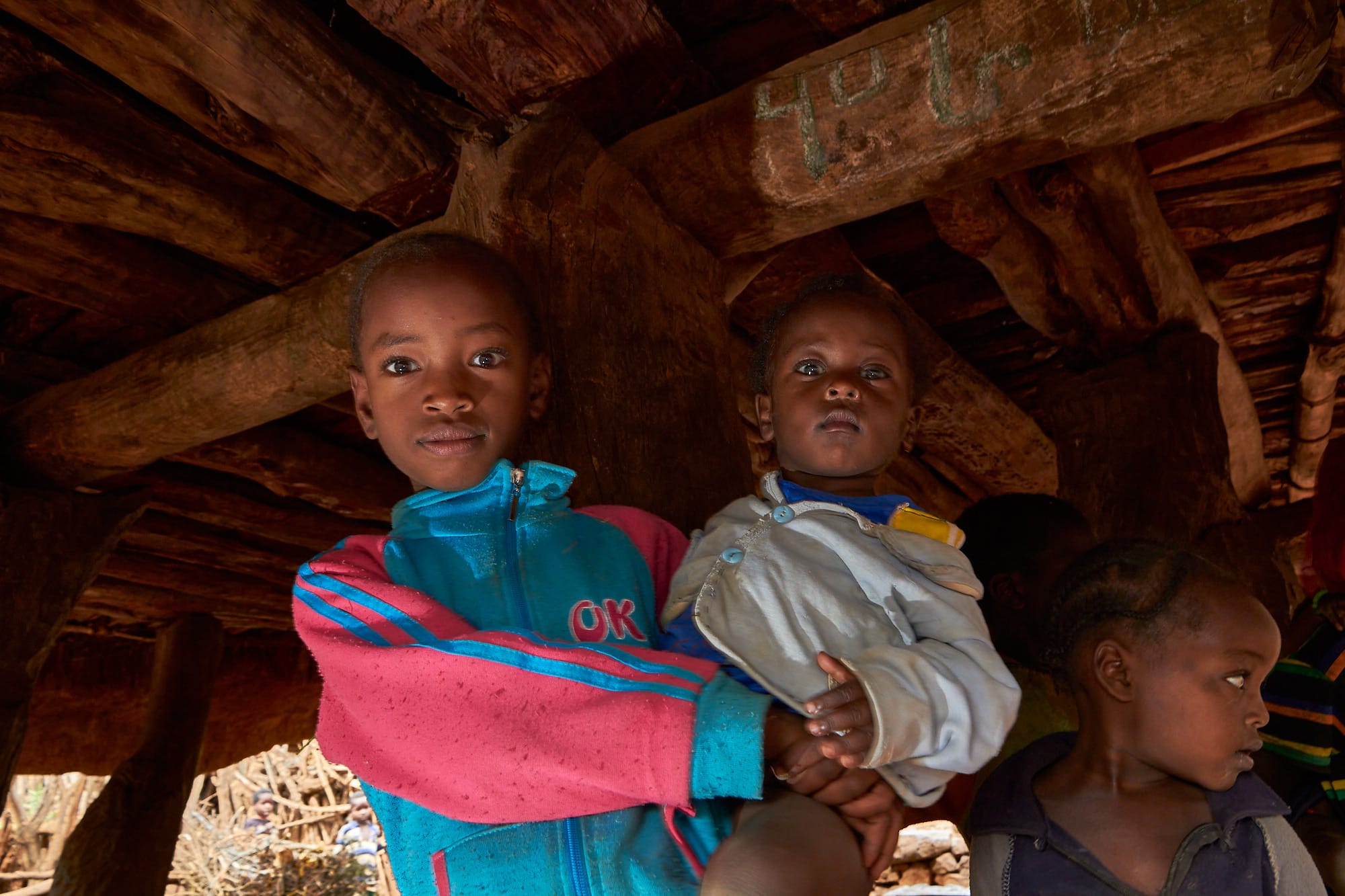
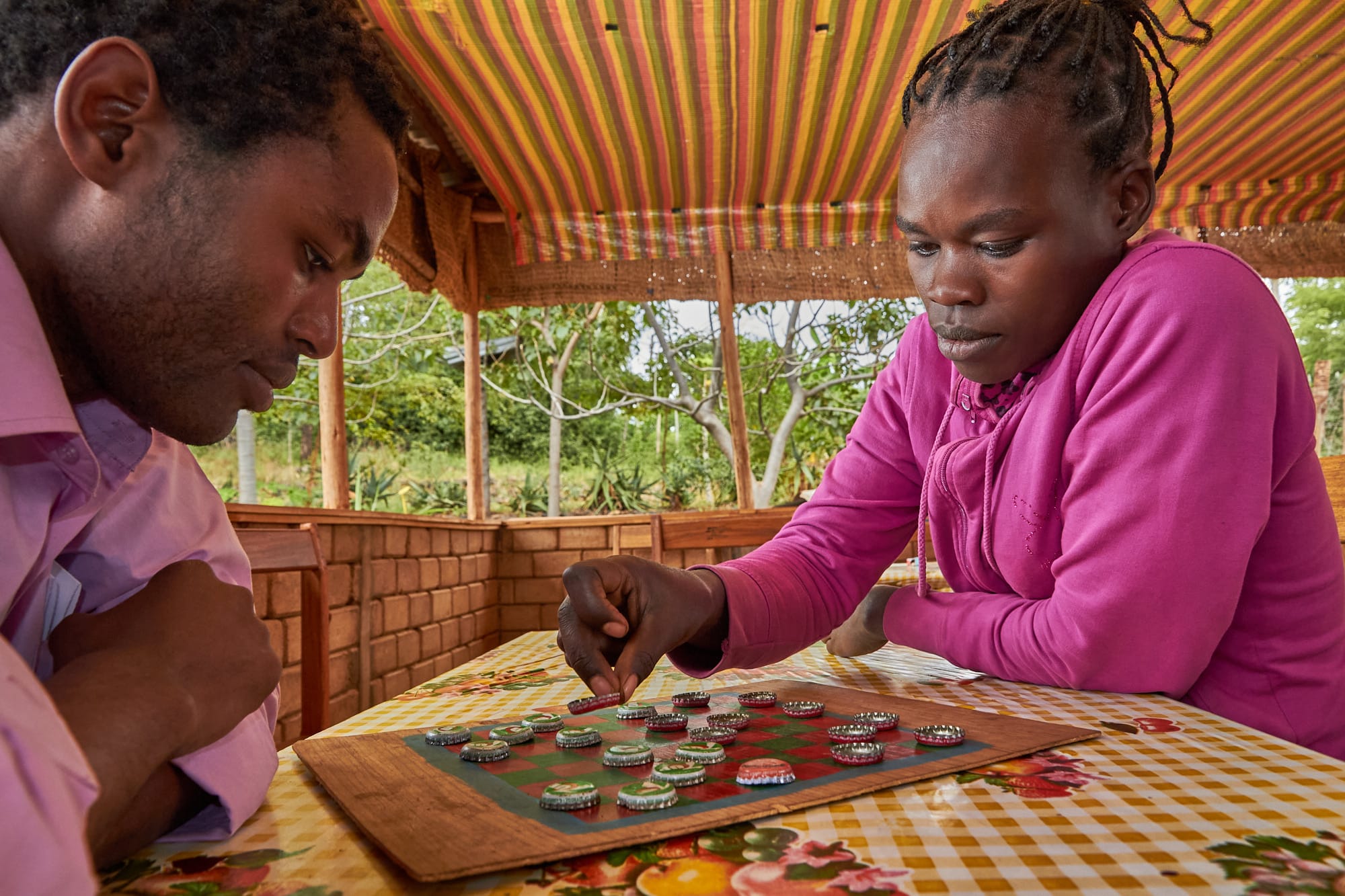
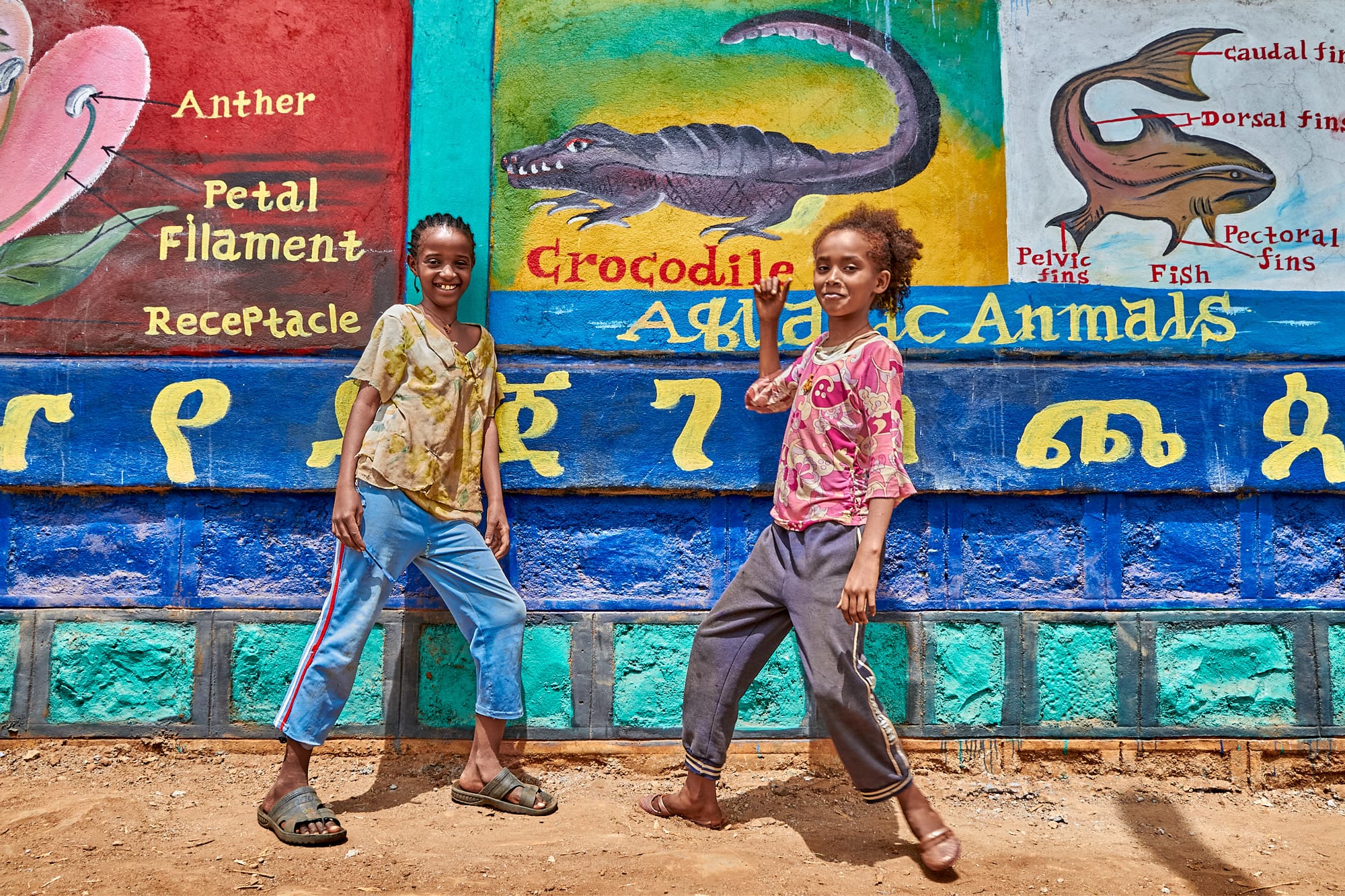
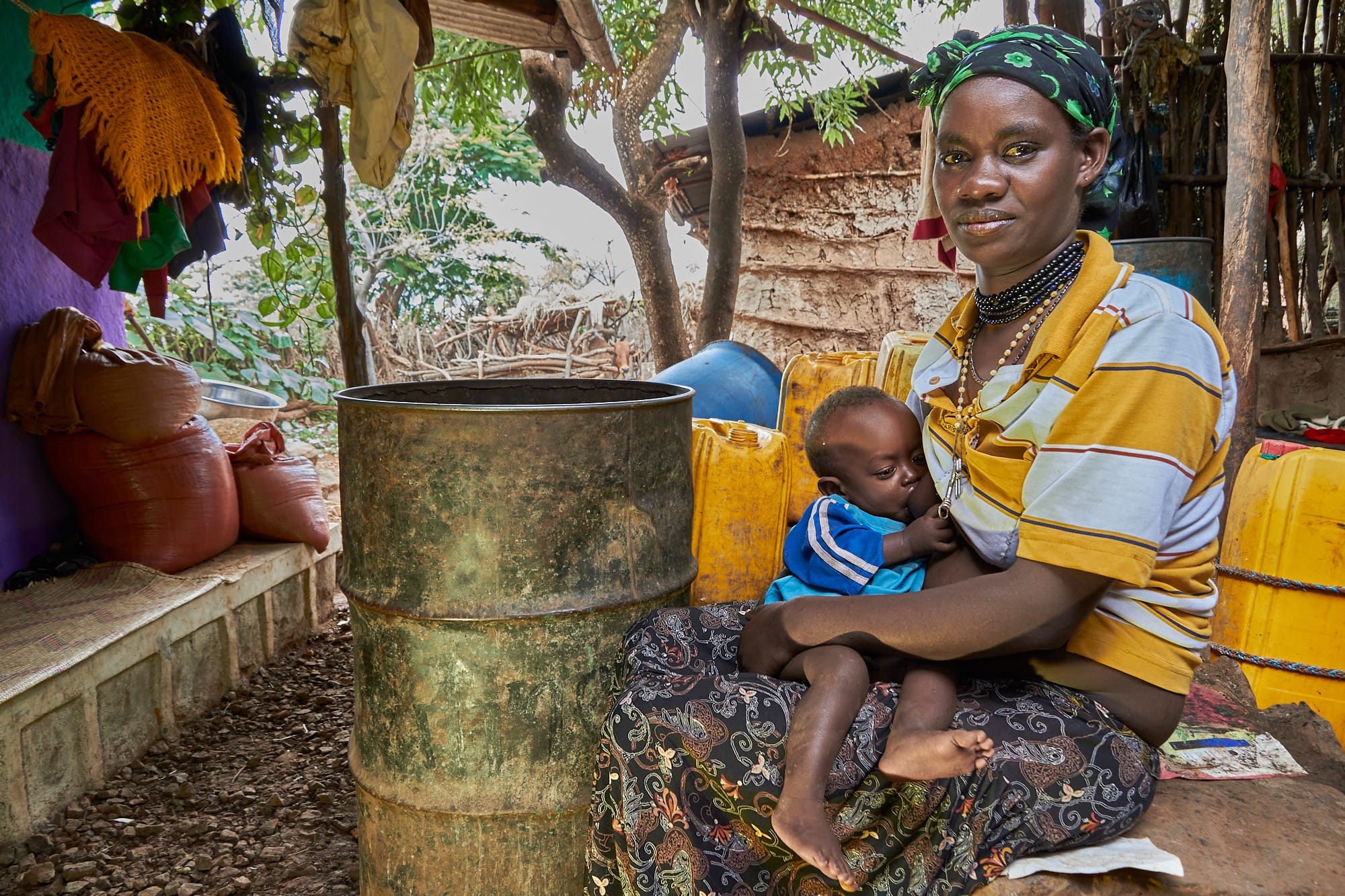
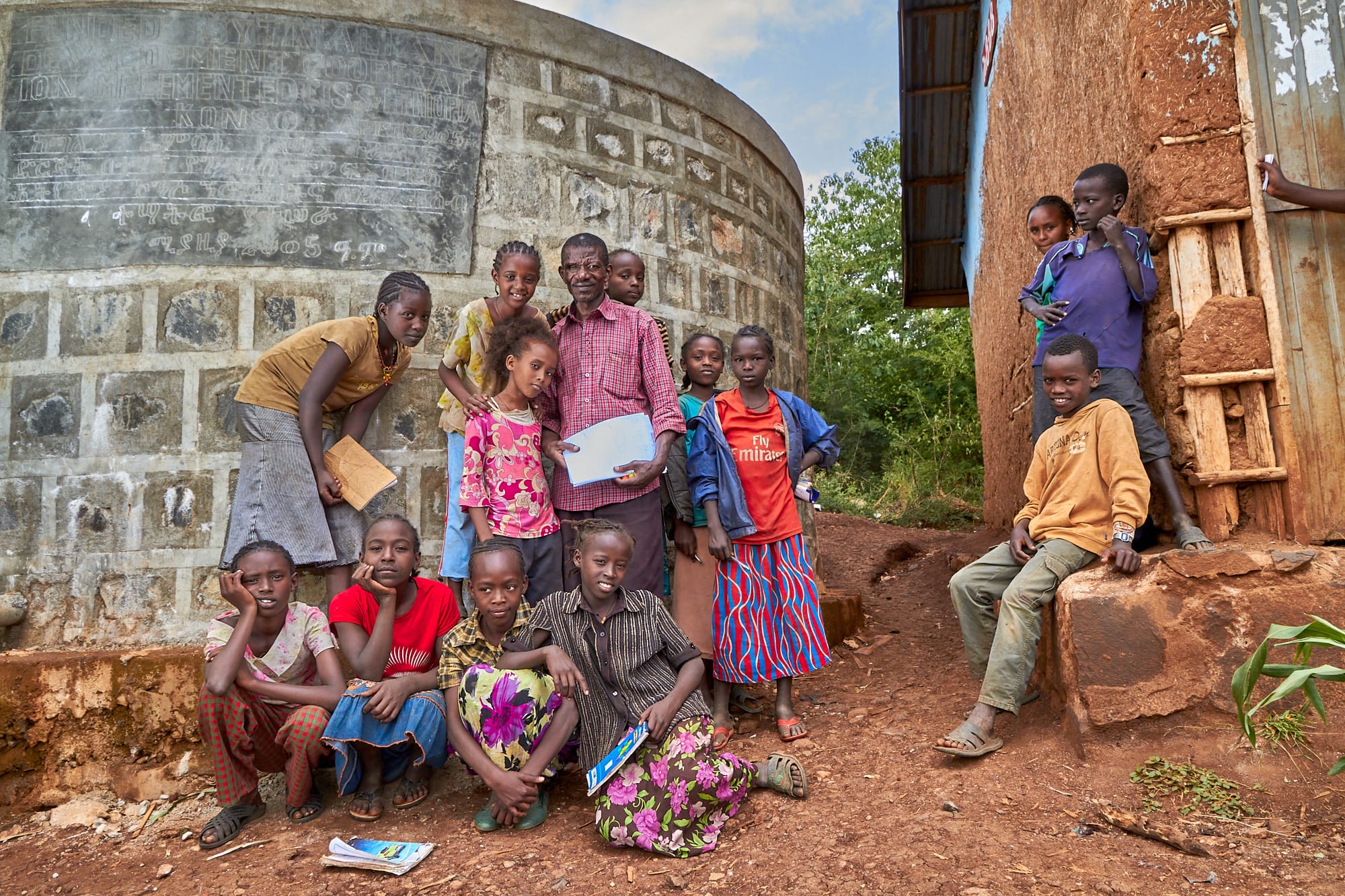
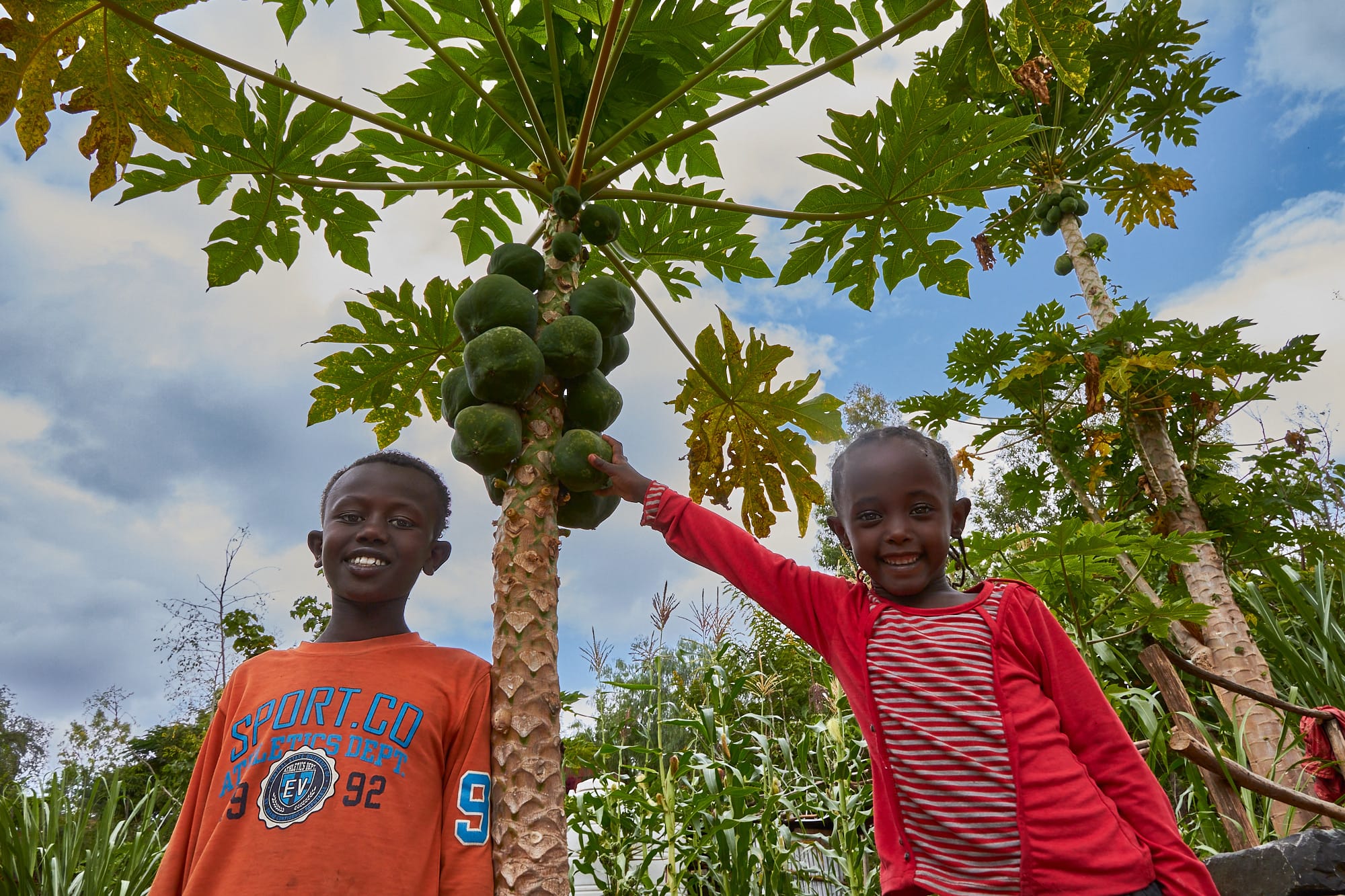
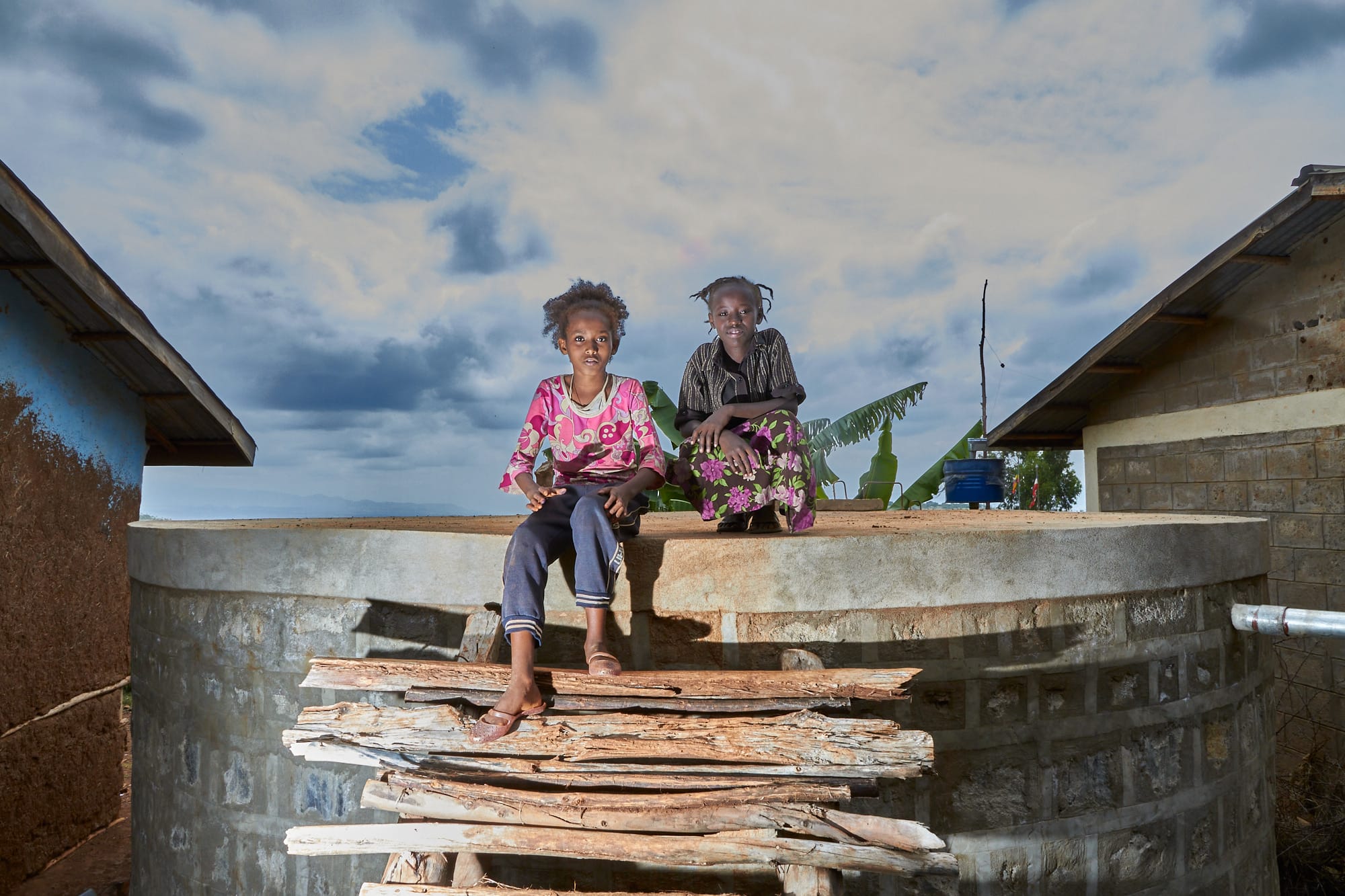
The photographs made among Konso families, in settlements, fields, and public spaces, reveal the ordinary continuity of this life. Children play beside structures inherited from earlier generations.
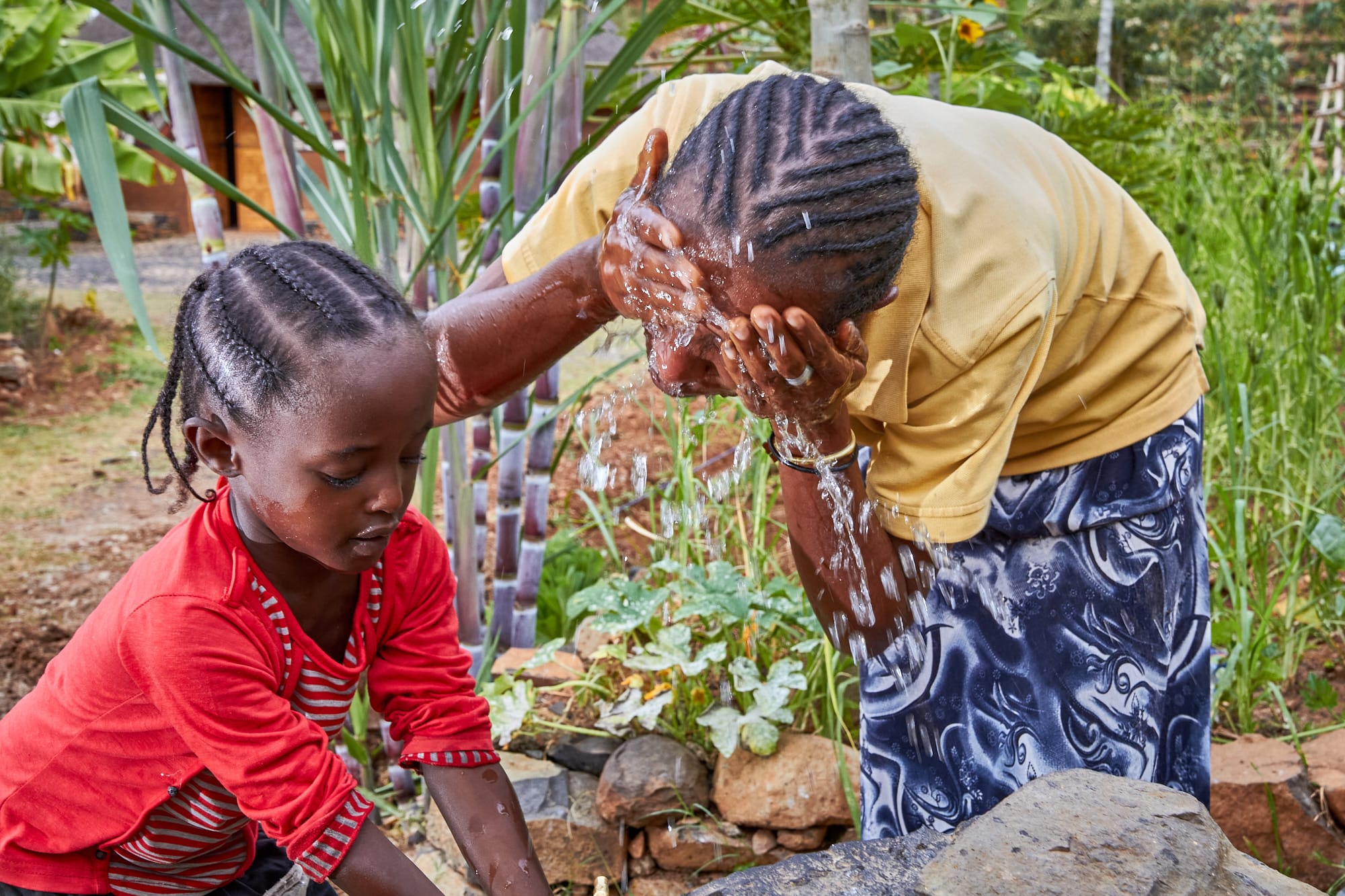
People cultivate land and care for one another. New materials and familiar objects occupy the same spaces as stone walls and timber buildings.
There is no reason to imagine that every conflict can be resolved through consensus, or that the responsibilities of communal life are always distributed fairly.
Indeed, the old riddle suggests that the Konso themselves recognized a difficult truth about collective power.
A mountain may threaten a person through its weight. A community can exercise a different and potentially greater power, because it shapes the relationships on which belonging and protection depend.
Solidarity requires the possibility of disagreement. The strength of a community cannot be measured solely by the obedience it commands, but must also be examined through the protection it offers, the responsibilities it accepts, and the space it allows for individual dignity.
This is where the Konso riddle acquires its enduring force. It was formed within a particular culture, among people whose history is inseparable from the highlands of southern Ethiopia.
Its meaning arises from their institutions, language, and collective experience. Yet the question it raises extends far beyond those highlands.
Every society must decide what its members owe one another, who may exercise authority, how disagreements will be resolved, and whether those who find themselves in difficulty can expect others to come to their assistance.
The Konso have spent generations developing their own answers, leaving traces of that work in their land, their institutions, and their oral traditions.
The mountain remains. What matters is whether, when it falls, there will still be people willing to lift it.
Research and cultural contribution
This article draws upon the research and cultural knowledge of Shako Otto, Konso scholar and collaborator of Ayzoh!, including his study Traditional Konso Culture and the Missionary Impact, published in Annales d'Éthiopie, Volume 20 (2004), pp. 149–180.
Additional reference: UNESCO World Heritage Centre, Konso Cultural Landscape, inscribed on the World Heritage List in 2011.


Member discussion