


There is a particular moment before almost every journey when the future becomes a pile of objects.
A shirt on the bed. A second pair of shoes. A book we may or may not read. Chargers, medicines, cables, a jacket in case the weather changes. Then another shirt, because perhaps the first one will not be enough. Something for rain. Something for dinner. Something for an event that does not yet exist.
We stand in front of these things trying to imagine a place we have not reached and a version of ourselves who has already arrived there.
Packing is supposed to be practical. Often it is psychological. What we put into a bag says something about what we expect from the world; what we cannot bring ourselves to leave behind says something too.
Perhaps this is why traveling light is harder than it sounds. It requires us to make decisions before we possess all the information.
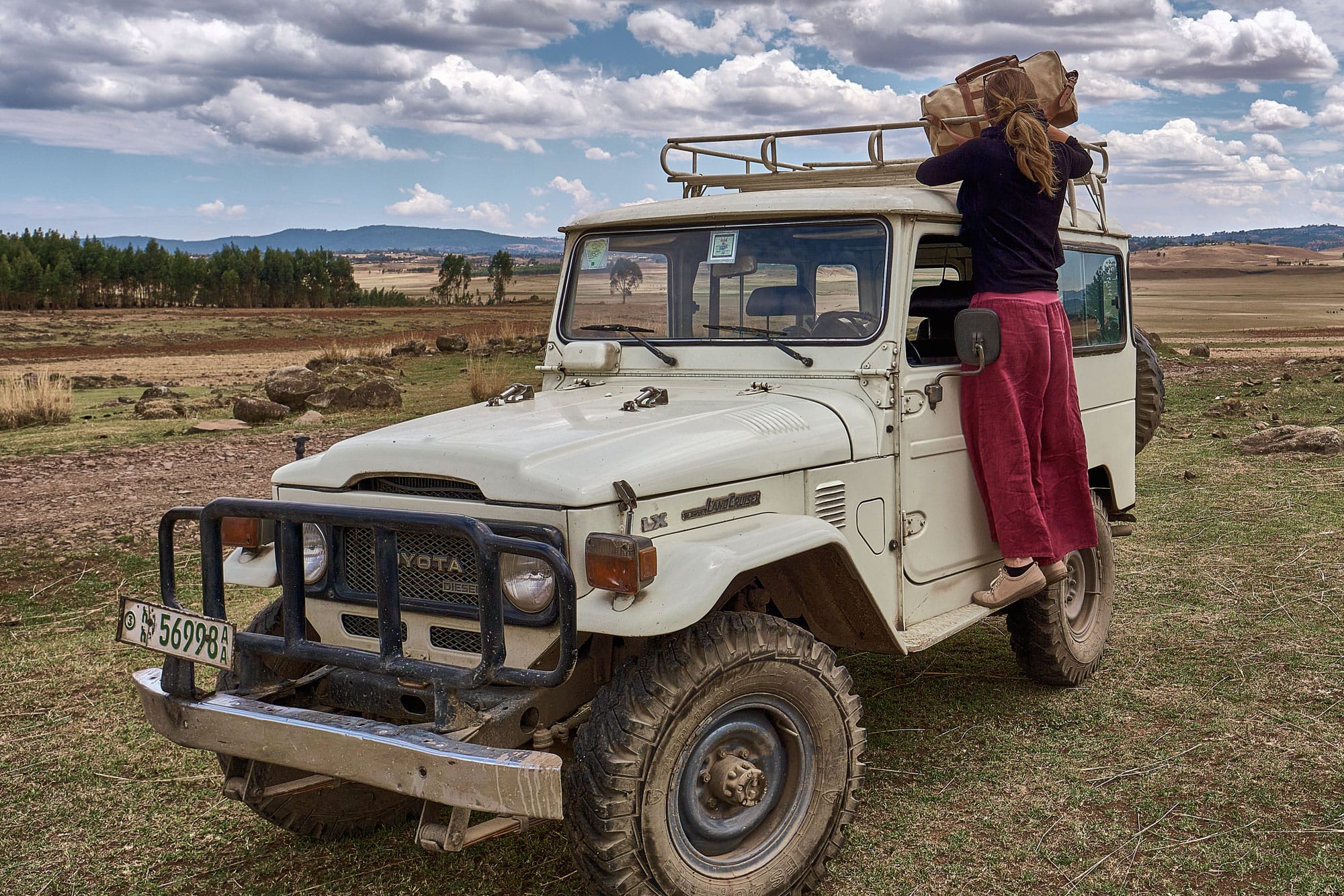
The luggage of uncertainty
Most of us do not pack for what will happen. We pack for what might happen. What if it gets cold? What if there is somewhere elegant to go? What if these shoes get wet? What if the battery dies? What if we suddenly need the thing we have not used for three years at home?
There is nothing foolish about preparation. A person traveling for work has different needs from someone leaving for a weekend; someone carrying medication, photographic equipment, tools, or what a child requires cannot reduce a journey to a fashionable exercise in minimalism.
Even the celebrated ability to travel with almost nothing can conceal a privilege: it is easier to leave things behind when you know you can buy them again wherever you land.
Traveling light should not become another performance. The point is not to prove that everything you own fits inside a small backpack. The more interesting question is simpler:
Why is this coming with me? Ask it of every object and packing begins to change. Some things have immediate answers. Others suddenly become difficult to defend. And perhaps that is where lightness begins: not with carrying almost nothing, but with carrying nothing without a reason.
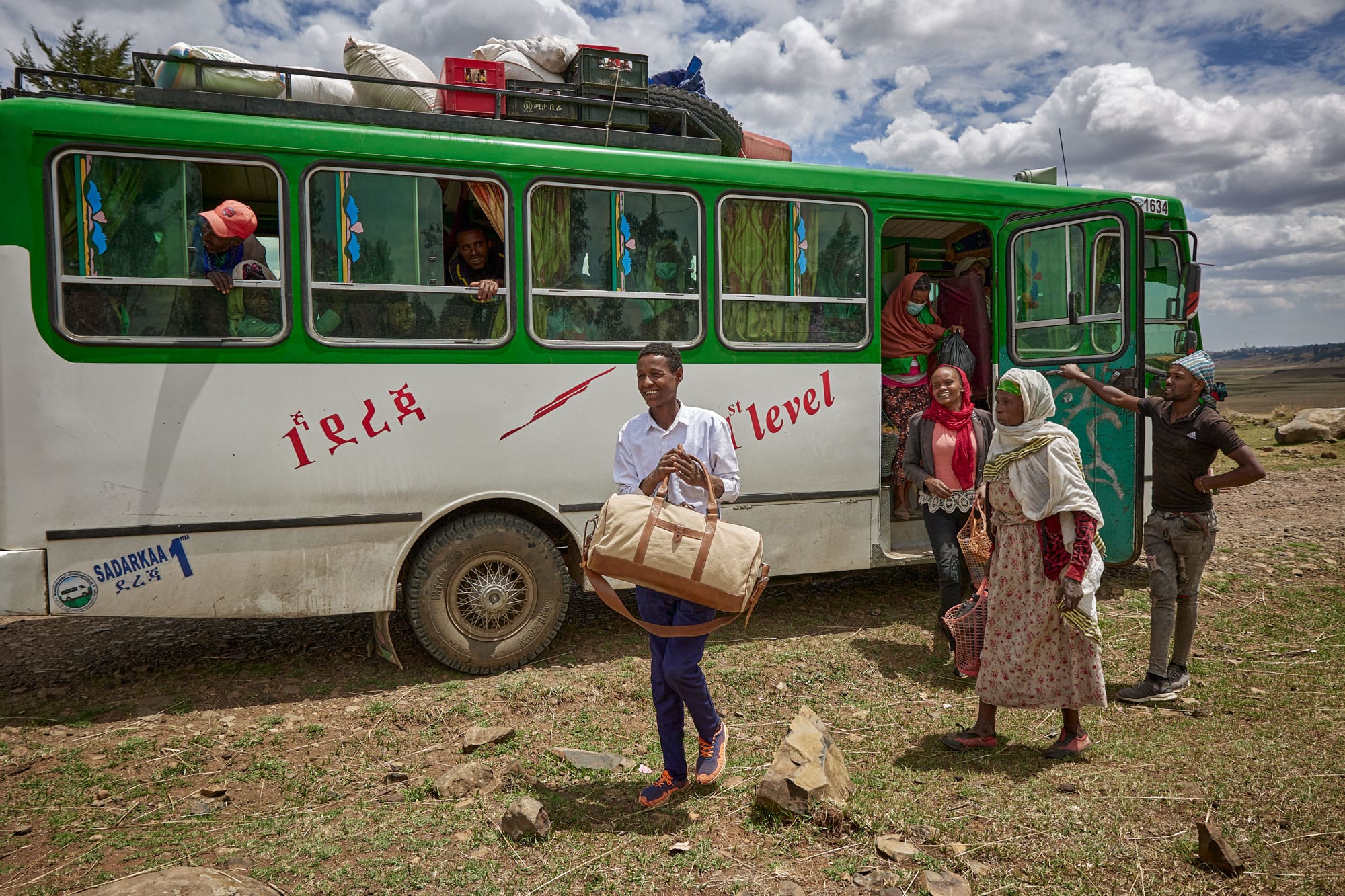
A small surrender of control
Travel has always contained a contradiction. We leave home partly because we want to encounter what we do not know, then spend enormous amounts of energy trying to make sure that nothing unexpected happens once we get there.
We research. Reserve. Download. insure. Organize. Pack for contingencies. We construct a portable version of certainty and carry it with us. There is comfort in this; there is also a cost.
The more completely we try to reproduce the conditions of home, the less room we leave for the intelligence of the place we have entered.
Sometimes not having something requires a conversation. You ask where something can be found. Someone shows you. You discover the neighborhood shop you would otherwise have passed.
You wash a shirt rather than unpack another one. You wear the same clothes again and discover that nobody cares. A sudden rainstorm remains a rainstorm rather than proof that your packing system has failed.
These are tiny events. But travel is built from tiny events. Much of what stays with us afterward was never on the itinerary.
To travel lightly, then, is not necessarily to travel with fewer kilograms. It is to relinquish a little of the fantasy that we can prepare for everything. That surrender can be uncomfortable. It can also be liberating.
Objects that know their place
There is another reason to think carefully about what we carry: objects occupy more than physical space. They demand attention.
They must be remembered, protected, charged, folded, counted, secured, unpacked and repacked. The more objects we bring, the larger the portion of the journey devoted to managing them.
A good traveling object does the opposite. It quietly becomes useful. A bag should be one of these objects. It receives weight. It gets placed on floors that are not particularly clean. It waits beside buses. It rubs against seats, rocks, walls and bodies. Someone lifts it by the wrong handle. Dust settles into it. Rain catches it. Its leather changes. Fabric softens. Small marks appear whose origins are forgotten.
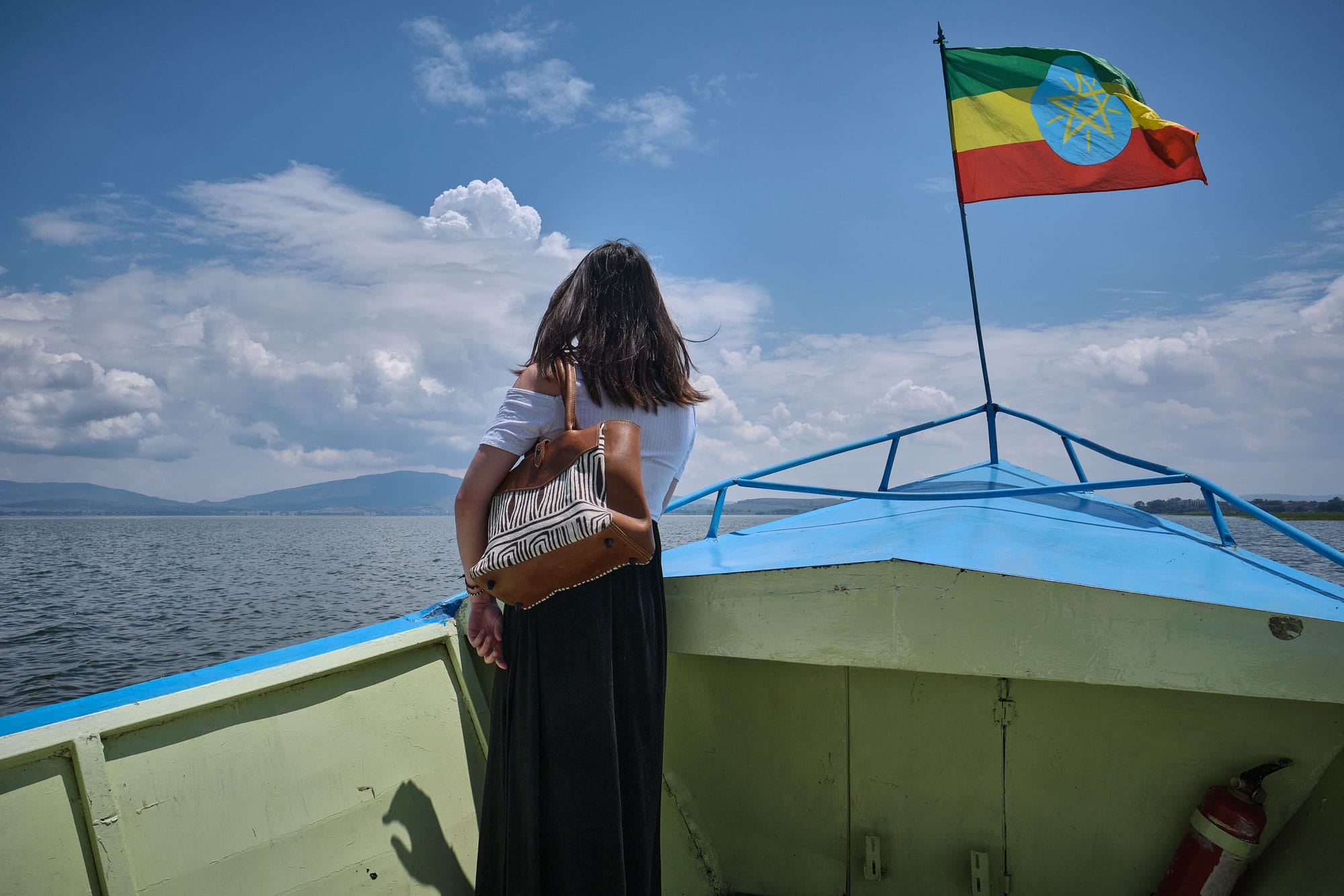
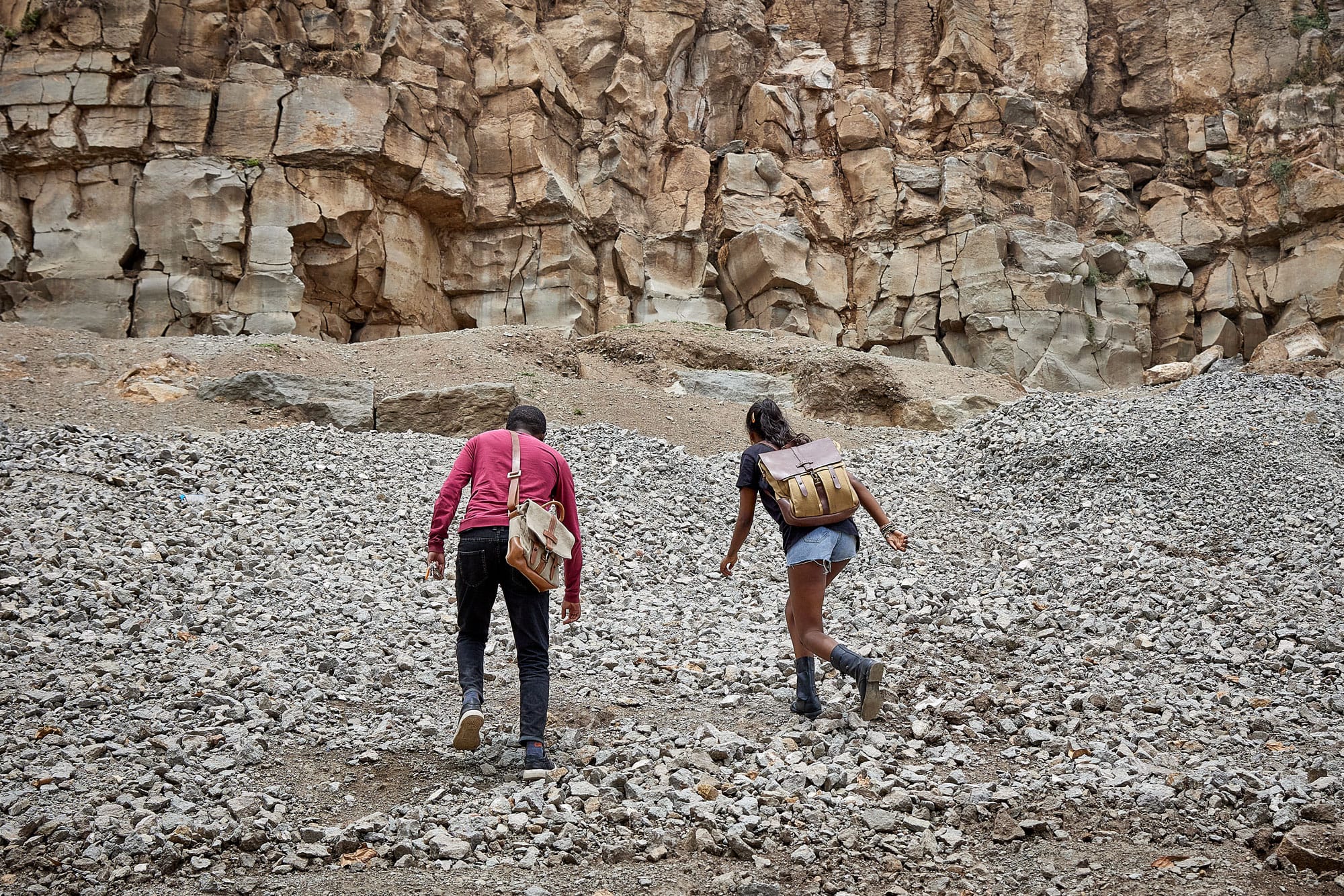
This is not damage in the way the fashion industry usually understands damage. It is biography. The bags in these photographs are AFAR bags. Some have crossed landscapes far removed from the controlled spaces in which fashion objects are usually photographed; they have been carried onto boats, beside buses, across rough ground and through ordinary days.
That matters to us more than keeping them immaculate. An object designed for travel should not spend its life asking to be admired. It should allow its owner to look somewhere else. This may be one of the simplest definitions of good design: a useful object returns our attention to the world.
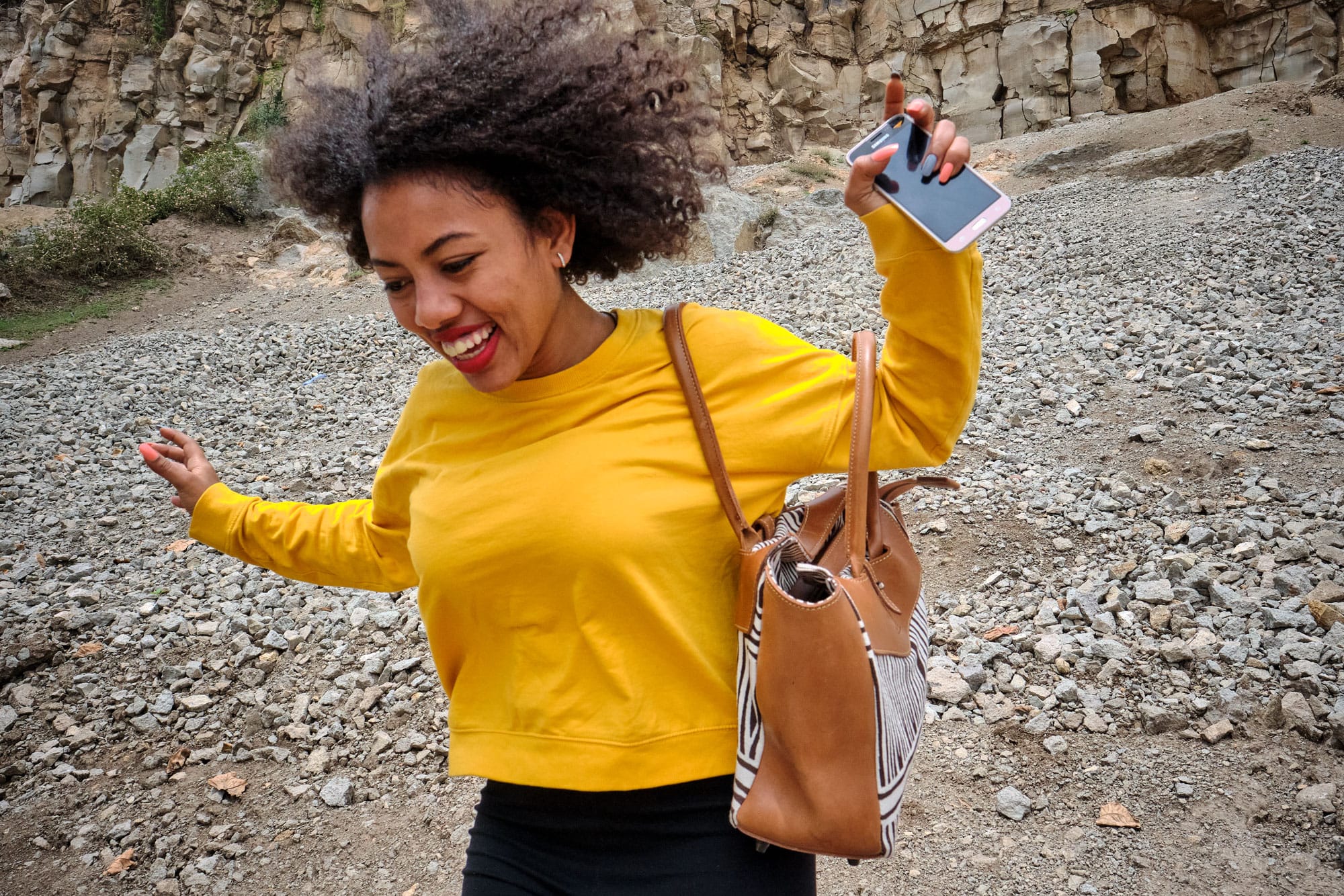
Against the suitcase as insurance policy
The travel industry has become extraordinarily good at turning uncertainty into products. There seems to be an accessory for every possible inconvenience: organizers for organizers, specialized containers, miniature versions of ordinary things, devices intended to solve problems we had not realized we possessed.
Some are genuinely useful. Others merely transform anxiety into equipment. The strange result is that an industry built around the promise of freedom can quietly persuade us that freedom requires an ever-expanding inventory.
Perhaps the opposite is worth trying. Not deprivation. Selection. Not minimalism as an aesthetic identity. Judgment. Choose a few things that work well. Use them repeatedly. Repair them when possible. Allow them to become familiar.
There is a quiet pleasure in knowing your objects well: which pocket contains the passport, how the strap sits after several hours, which shirt dries overnight, which notebook can survive being thrown into a bag without ceremony.
Repeated use creates something that endless consumption cannot provide: trust. The object stops representing who we would like to appear to be and begins simply to participate in our life.
This is particularly important in travel because travel already gives us enough to think about. The landscape does not need competition from our luggage.
Leave some space
There is a practical reason not to fill a bag completely before leaving. Something may need to come home. Not necessarily a souvenir.
Perhaps someone gives you a book. You buy food for a train journey. A child hands you a drawing. You find a piece of cloth whose history someone has taken the time to explain. There is a print from a photograph, a notebook from a small shop, an object whose importance could not possibly have been predicted while you were packing at home.
Or perhaps nothing enters the empty space at all. That is fine too. Space is not wasted simply because it remains empty. The same may be true psychologically.
Travel is diminished when every hour is scheduled and every possibility anticipated. Some of the most important encounters happen because there was still room: in the day, in the bag, in our expectations.
We often think preparedness makes us available to the world. Sometimes preparedness does the opposite. It surrounds us with such a complete system of our own making that the place we came to experience has difficulty getting in.
What matters
There is a photograph of a traveler getting off a bus. Around him, people are descending, waiting, carrying their own things; the journey continues without ceremony. In his hand is a large bag.
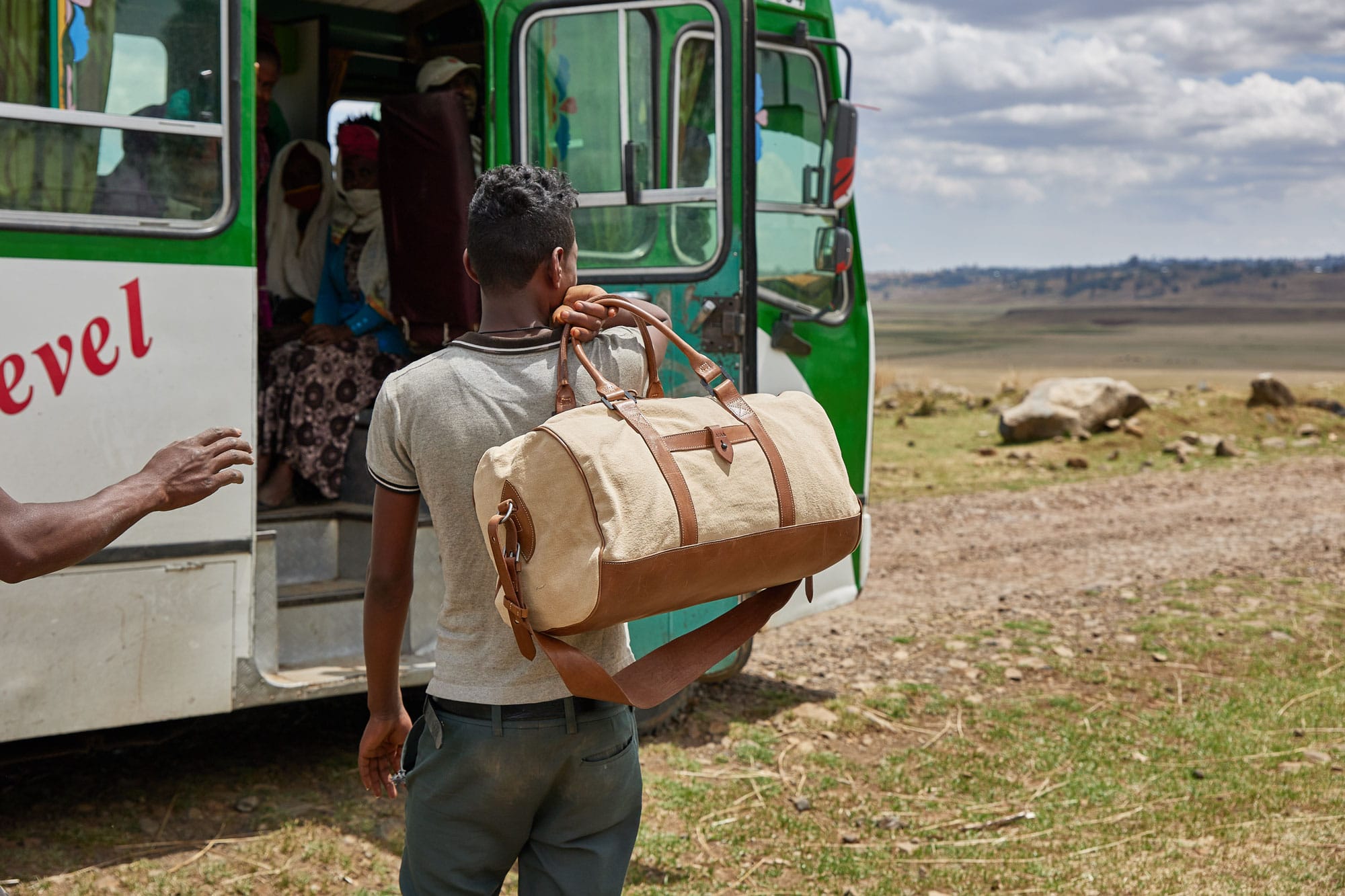
There is another photograph in which a bag rests heavily against someone's back as he turns toward the bus again.
Elsewhere, someone stands beside water with a backpack. Two people climb across loose stones. A woman looks outward from the bow of a boat.
Nothing remarkable happens. That is precisely why these photographs matter here. Travel is mostly made from such moments: waiting, carrying, walking, arriving, leaving again. The bag is there, but the world is larger.
This is perhaps what we hope for from the things we choose to take with us. Not that they define the journey; not that they demonstrate taste, preparedness or status. Only that they serve us well enough to become almost invisible while something more interesting is happening.
And this is where traveling light finally becomes less about luggage than about attention.
Carry what you need. Carry what has a purpose. Carry objects you are willing to use hard, care for and keep. Then stop thinking about them. There is a bus leaving. There is someone beside you. There is a landscape outside the window that you have never seen before. Look at that.


Member discussion