


I don’t know. I go and see.
Years ago, I made a small booklet for the VadoinAfrica community. It was called La fotografia e i territori dell’Altro (Photography and the Territories of the Other).
It was practical by design. A sequence of photographs, brief observations, mistakes, working rules. Many of the people reading it were involved in businesses, nonprofit initiatives, social projects, or forms of cooperation across African countries.
They needed photographs. Photographs brought attention. Attention helped a post travel farther, helped a project explain itself, sometimes helped money move. That was precisely the problem: the need for visibility can collide very quickly with another person’s right to be represented fairly.
A photograph can describe someone as poor, vulnerable, sick, helpless, displaced. All these words may refer to something real. None of them contains a human being.
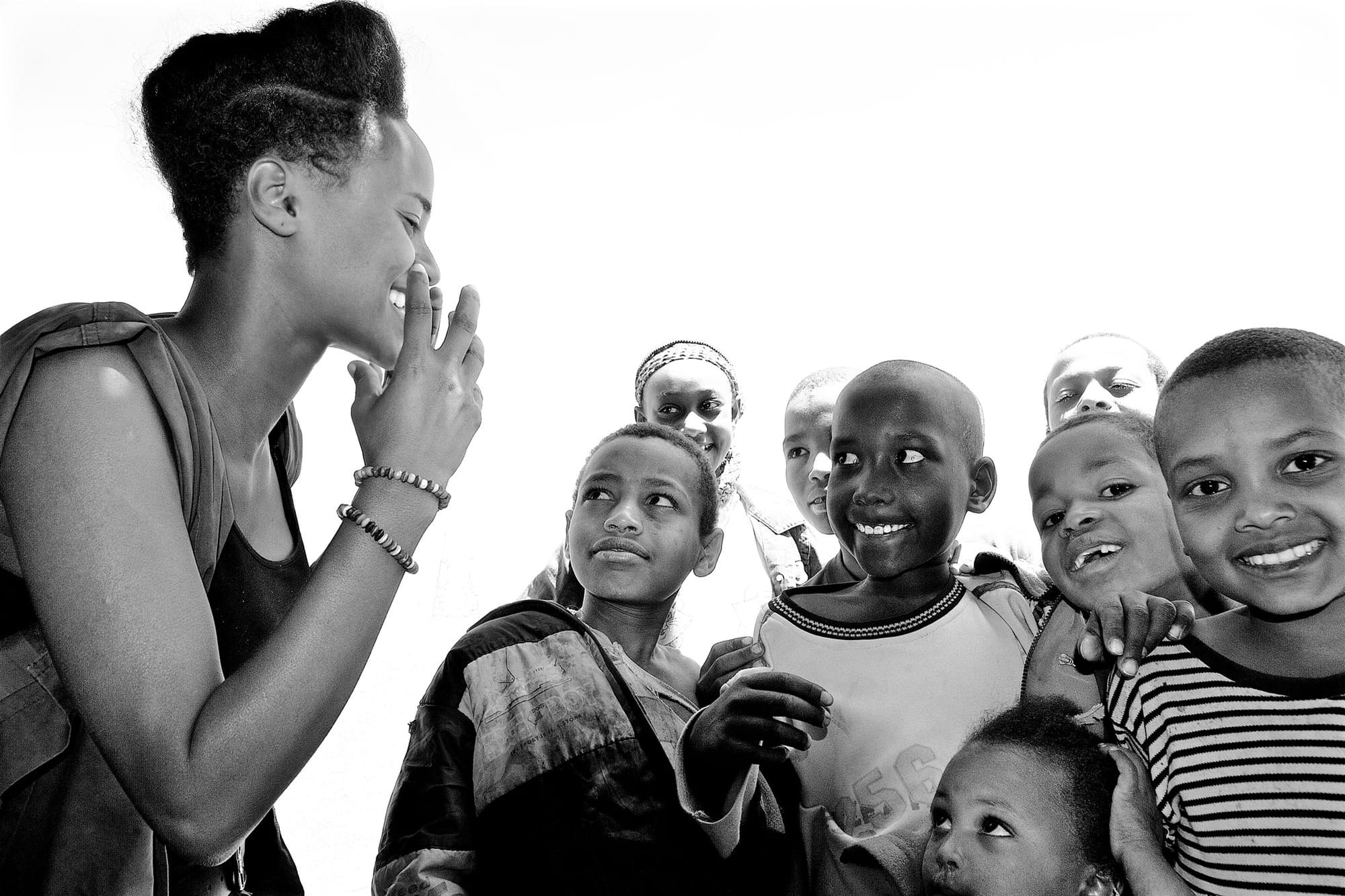
The same problem appears at the scale of a continent. Africa has been photographed for generations through two exhausted fantasies: suffering Africa, waiting for someone to save it; and its cheerful opposite, an endless landscape of smiles, colors, dances, children and uncomplicated happiness.
Both flatten reality; both make the photographer’s life easier. The world is much harder to photograph. My starting point then was very simple: never forget that you have entered somebody else’s territory. I still believe that.
I am self-taught. I never built much of a life around festivals, competitions or photographic circles. Much of what I learned came from doing the work: social projects, commercial assignments, travel, difficult stories, conflicts, people who let me stay close and people who did not.
There was another reason: at another moment in my life, I might easily have been the person on the other side of the camera: I grew up in the narrow streets of Genoa among shopkeepers, workers, sailors, former prisoners, people heading toward prison, children of sex workers, people from different countries and the many ordinary lives that disappear once somebody decides to describe a neighborhood as a single social category.
For a period, I was also one of those children whom respectable people arrived to “help.” I remember the help. I also remember the humiliation. Perhaps this is why, when photography eventually became my work, I found it difficult to believe that good intentions were enough. They are not: a camera does not become ethical because the photographer has a good cause.
Someone else’s territory
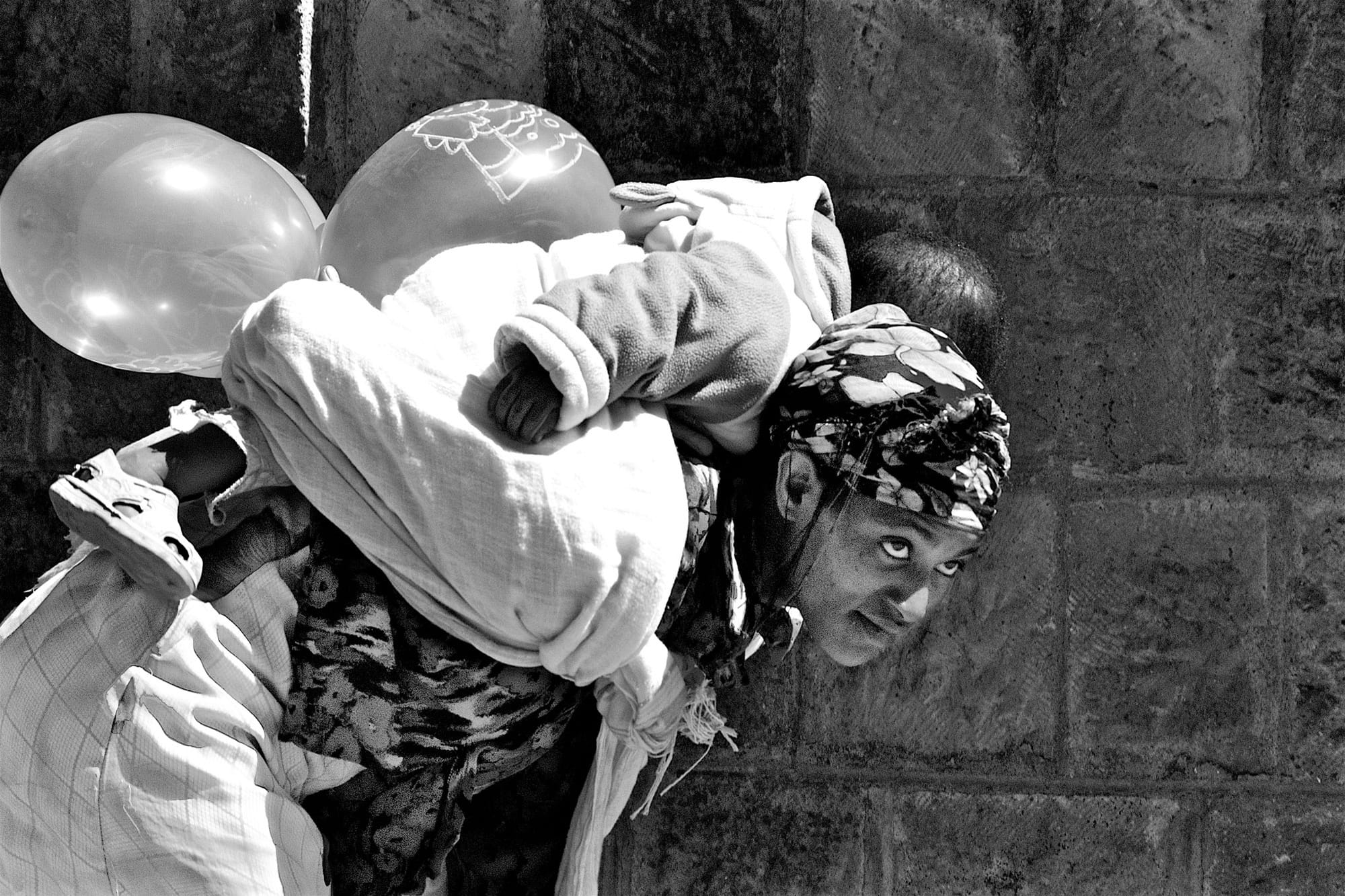
One of my first rules was to make my intentions visible. In Addis Ababa, I photographed a woman who was among people being displaced as new buildings were constructed. Before I raised the camera, she saw me. I acknowledged her. She answered with a smile.
It was a tiny exchange. But the photograph began there, before the shutter. For years I described this as consent. Today I would be more careful with the word.
A gesture, a smile, a conversation, a willingness to remain in front of a camera can be meaningful. They are not universal legal permissions, and they do not remove the photographer’s responsibility to understand the circumstances. Written consent can sometimes be necessary. In other situations it can be inadequate by itself. A signature does not make a relationship ethical. Neither does a smile.
The real question is larger: does the person understand what is happening, as far as reasonably possible? Can they refuse? Is there a difference in power that makes refusal difficult? What might this image do once it leaves this place? Sometimes consent begins with something far less bureaucratic: being recognizable as a photographer.
Robert Capa’s much-repeated advice was that if the pictures were not good enough, the photographer was not close enough. For a long time I translated that almost literally.
I distrusted telephoto lenses when photographing people. They made it too easy to remain outside the relationship: physically far away, unnoticed, able to take without entering.
I am less absolute about that now. Distance can sometimes be respectful. It can prevent interruption. It can protect somebody. There are circumstances in which proximity would be the intrusion. The ethical problem was never really the focal length: it was the temptation to use distance as a substitute for relationship.
You can photograph someone from three meters away and still take something from them without permission. You can photograph someone from much farther away and still be acting within a relationship of trust. Equipment does not solve the question. We do.
What do we do with pain?
There is suffering in the world: war, extreme poverty, violence, illness, injustice. Documentary photography cannot pretend otherwise. But the existence of suffering does not automatically justify exposing the person who suffers.
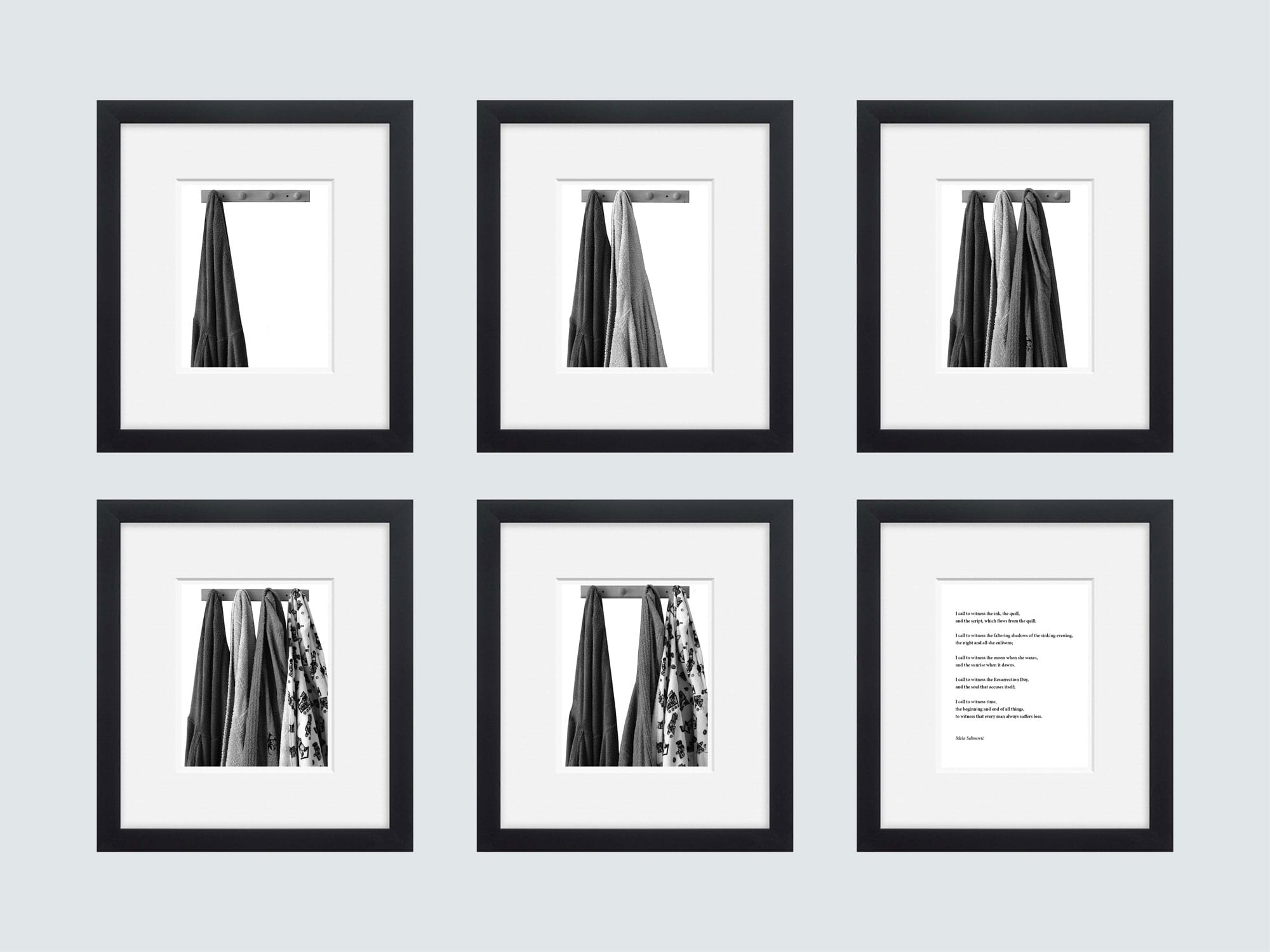
During work connected to Bosnia, I made a series called The Loss. It concerned a man I had met during the war whose wife had been killed by a sniper. I did not need her dying body, or his grief-stricken face, to make the loss visible. I photographed objects.
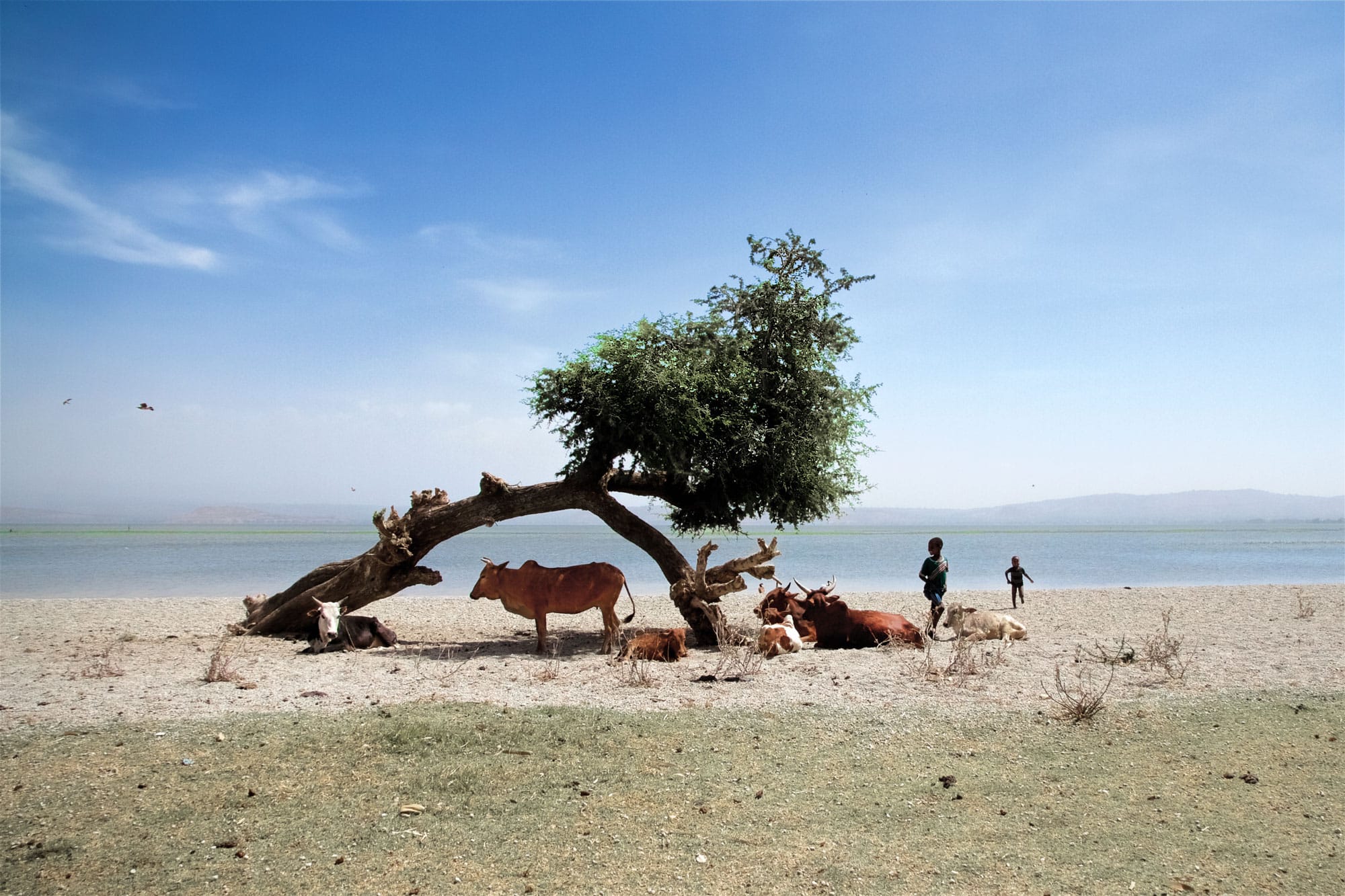
Elsewhere, during the documentation of a peace-building project involving a Sidama community, showing recognizable people could have exposed them to risk.
I looked for something else. There was a tree. Animals rested around it. Figures moved in the distance. A cow happened to stand almost perfectly beneath its branches.
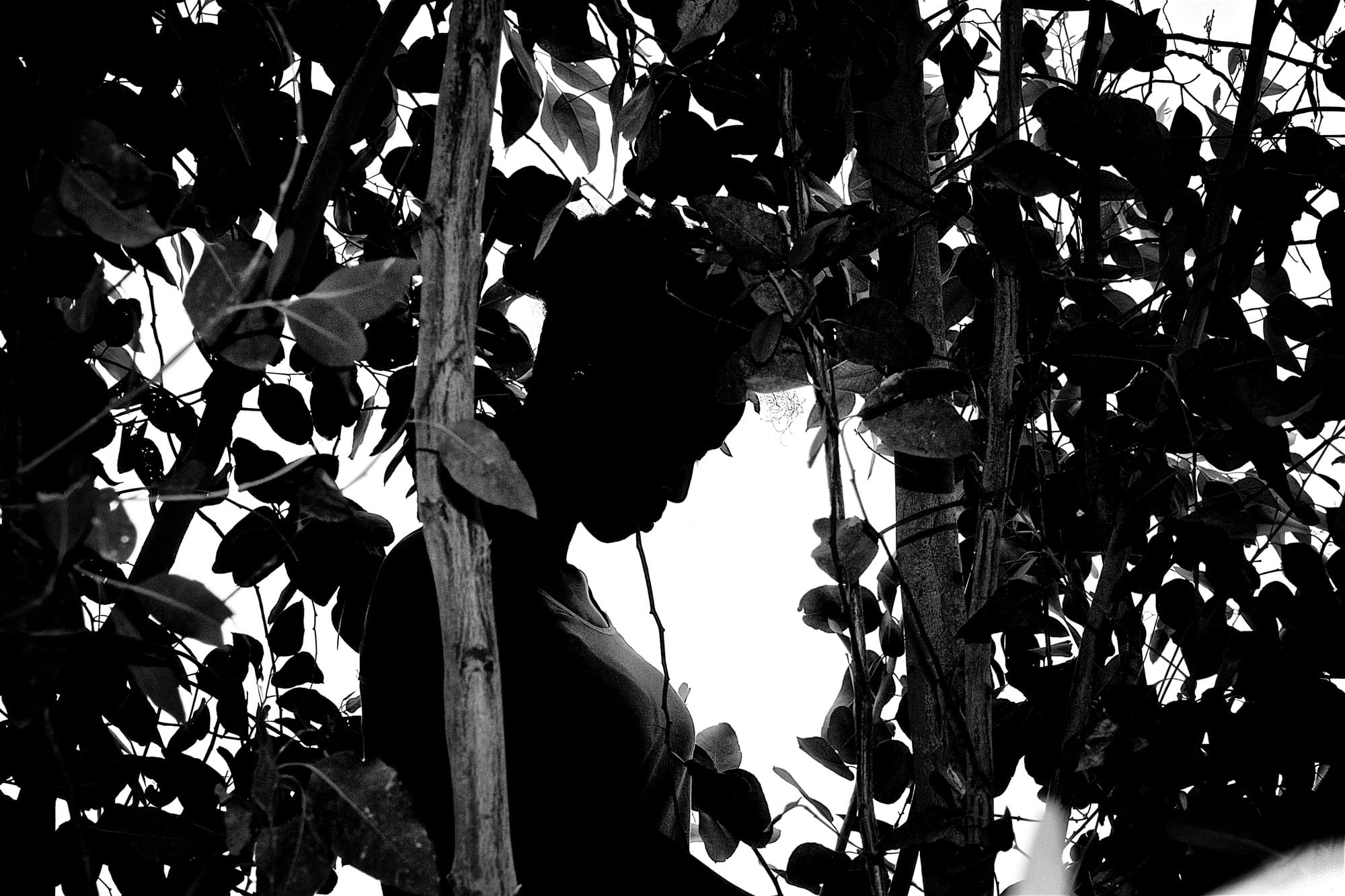
The image could speak about return, shelter and the possibility of ordinary life without identifying the people whose safety mattered more than my photograph.
Sometimes a gesture can do the same work. During a music lesson in an elementary school, hands reaching through the strings of a harp could say something a frontal portrait did not need to say.
In another story, concerning alcohol abuse, waiting changed what could be photographed. A person's face did not have to become the visual shorthand for a social problem.
This matters especially in medicine. We are still remarkably willing to show an African patient in circumstances we would immediately consider private if the hospital were in Paris, Milan or New York.
The justification is often familiar. A project needs to show results. Donors need documentation. Partners want evidence. Institutions want photographs. None of these needs automatically overrides the dignity of a patient.
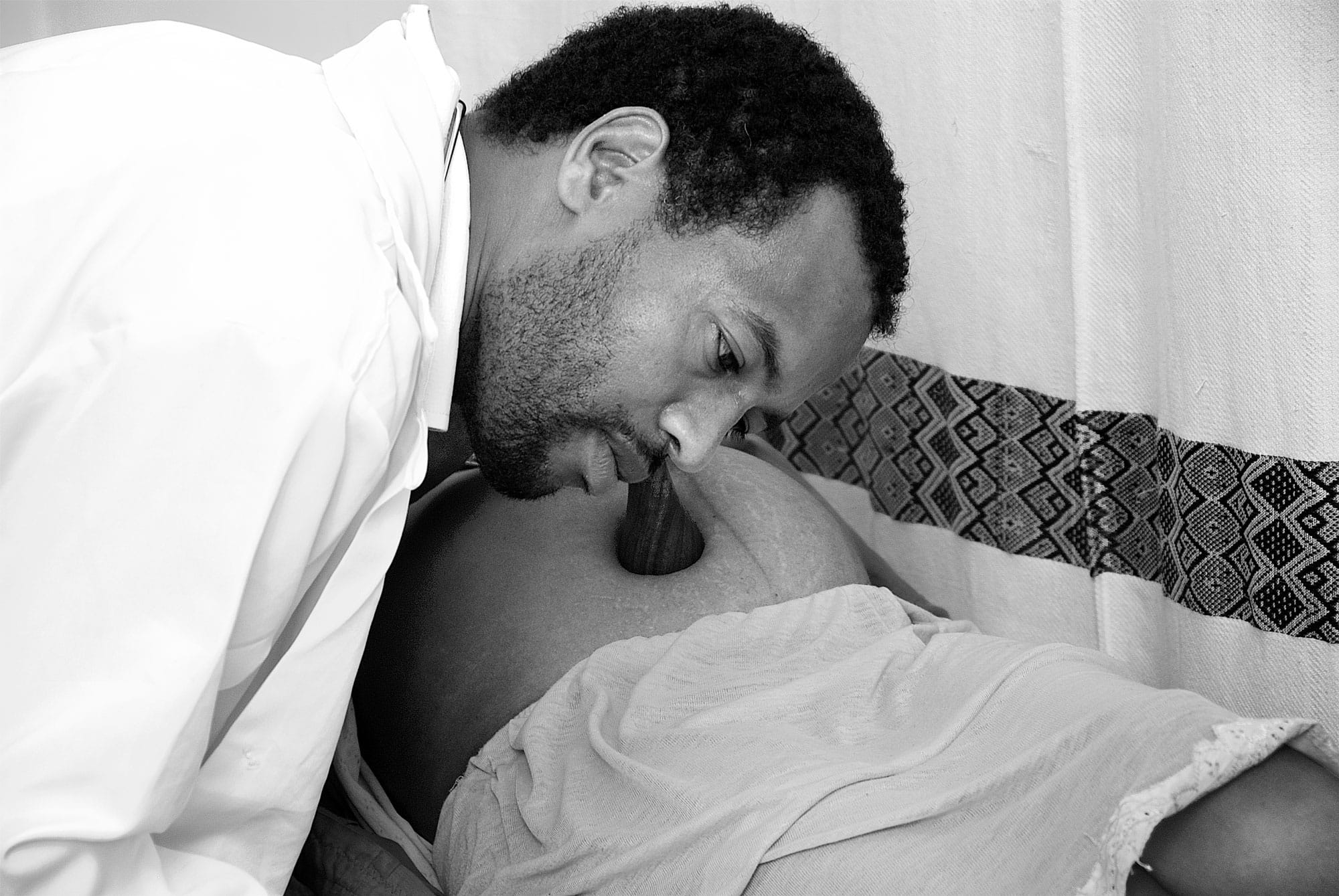
Sometimes the answer is simple. Photograph the doctor. Photograph the work. Photograph equipment, hands, spaces, relationships. Protect the person receiving care. But again, rules are poor substitutes for looking.
On another assignment, I photographed a mother attending a routine medical visit with her healthy child. The image was not about illness or exposure. It showed a mother, a pediatrician, a child, and an ordinary interaction within a community-managed health initiative.
The photograph did something useful because it refused another stereotype: African medicine represented only through emergency, scarcity and suffering. The same room can contain completely different stories. Our responsibility is to understand which one we are telling.
A photograph always chooses
One of the most useful things photography taught me is also one of the most uncomfortable. A documentary photograph is never neutral.
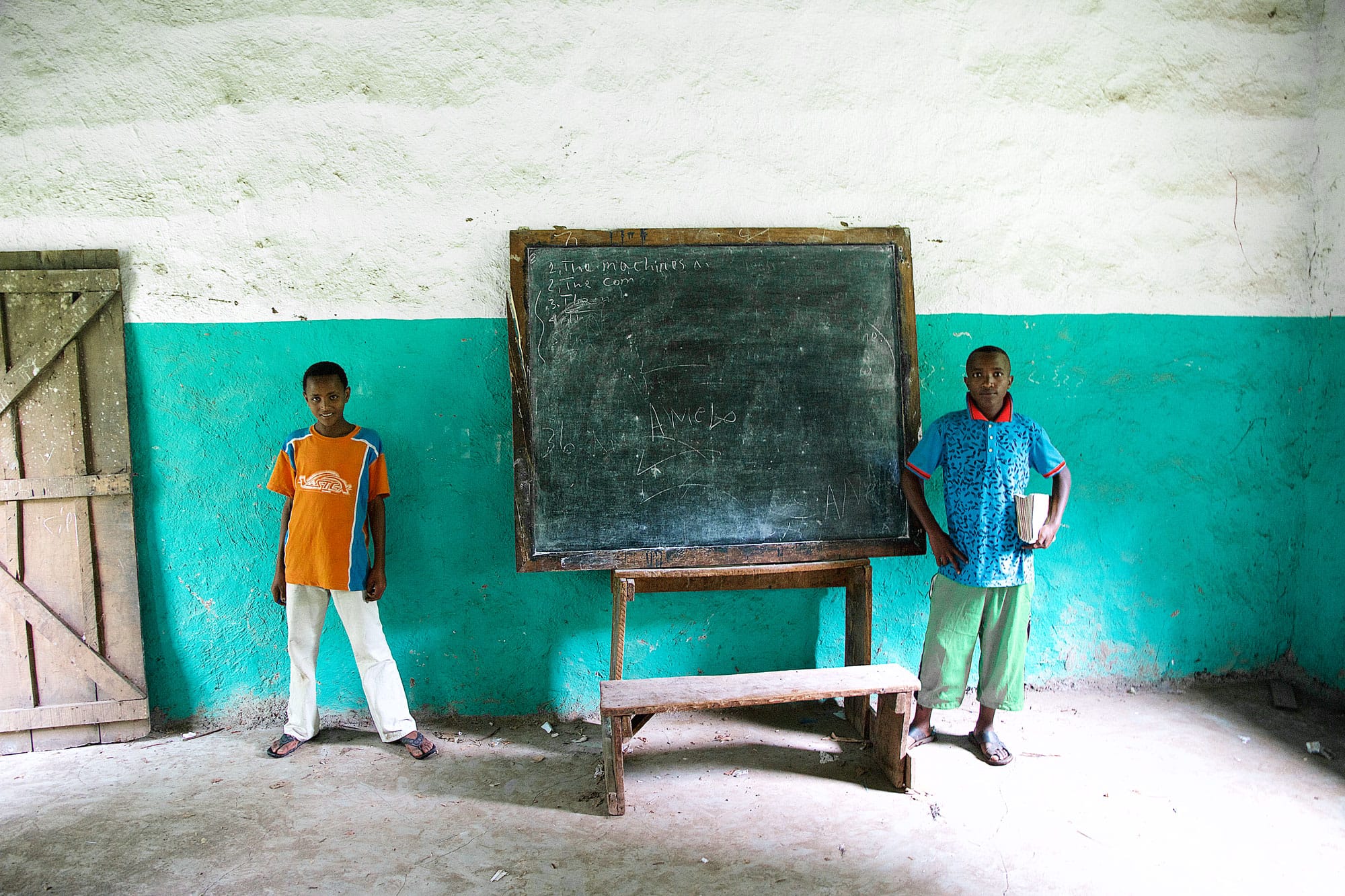
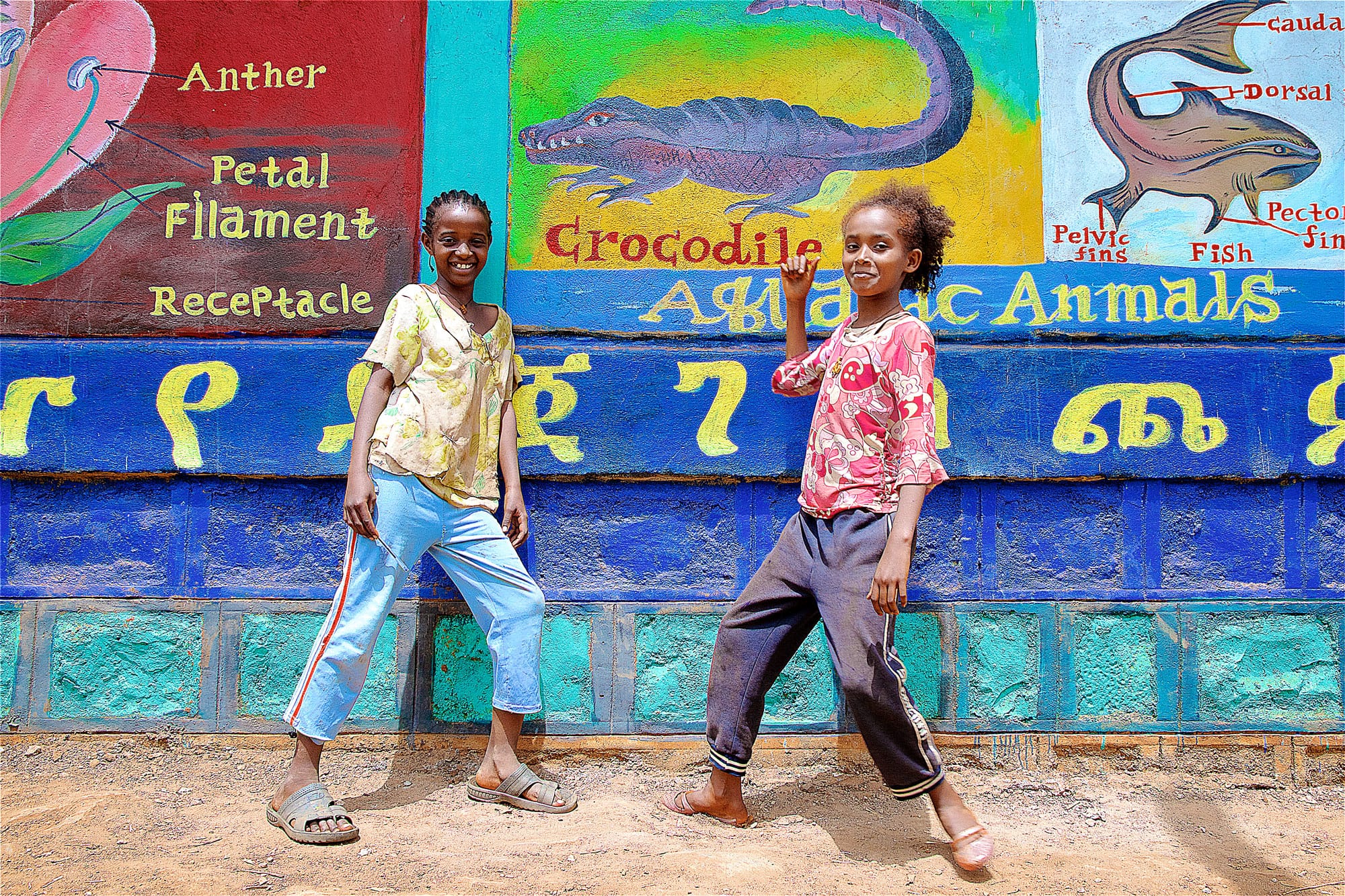
Years ago, working at a public school in Konso, I photographed rooms that were in poor condition. Empty desks. Worn walls. A place that clearly fell short of what any child should receive from a school. Those photographs were true. But they were not the whole truth.
I had also watched teachers and local authorities working with limited resources to improve the school. I had listened to what they were trying to do. A few meters from the deteriorated rooms were other scenes: students, paintings, energy, work, the signs of something being built rather than simply abandoned.
I had a choice. I could publish the photograph that proved failure. Or I could publish photographs that acknowledged the difficulties without reducing an entire school — and everyone working inside it — to those difficulties. I chose the second. Later events suggested that the trust was not misplaced.
This does not mean photographers should hide failures, soften reality or become public-relations officers for the people they meet. There are times when showing what is broken is essential.
It means understanding that an image can be factually accurate and still create a distorted account. Ten meters can change a story; so can one second; so can editing.
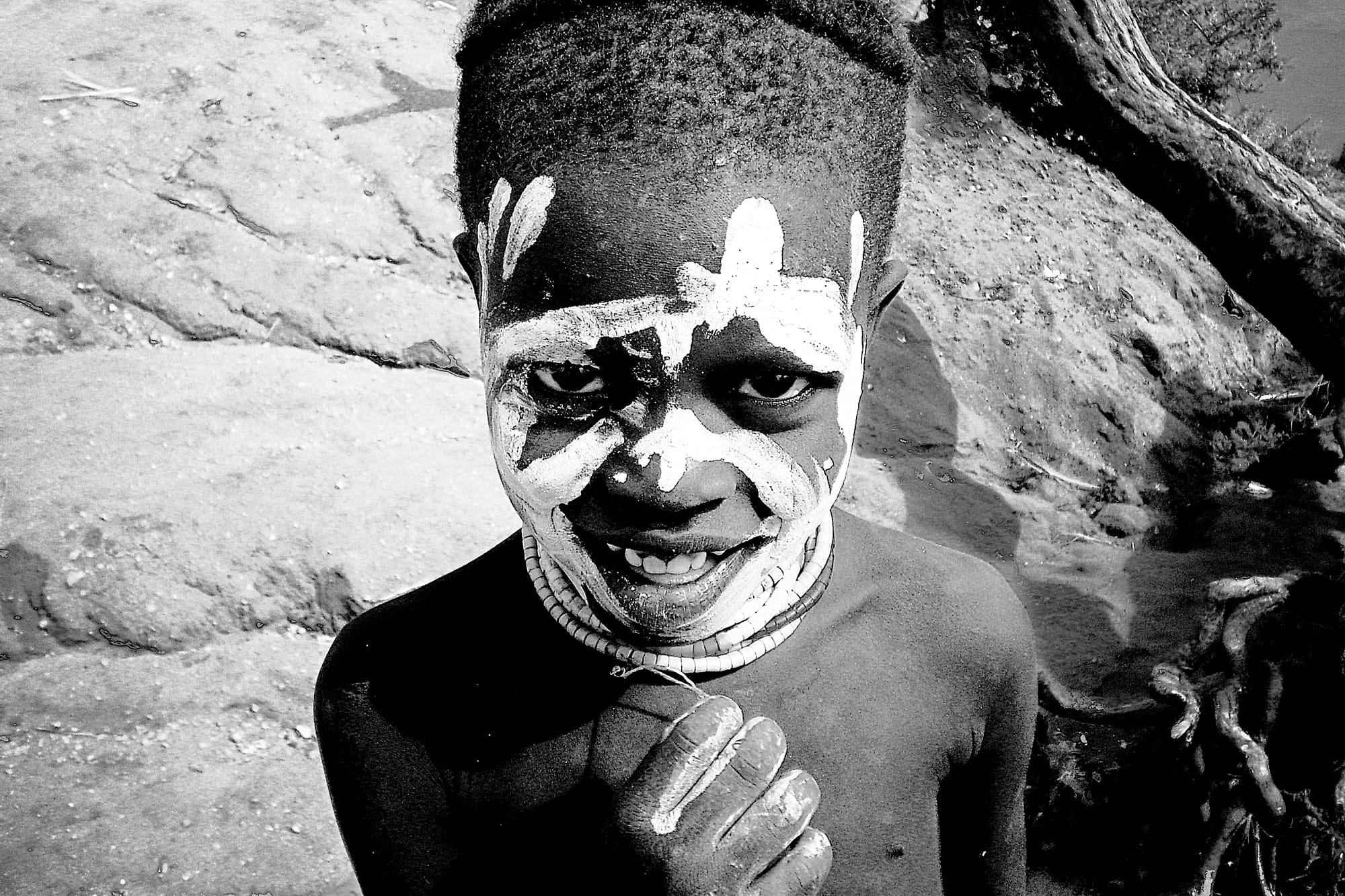
I learned the same thing more painfully while working on a story about the effects of mass tourism in the Omo Valley. I had made an image of a child receiving money. It was powerful. I was proud of the photograph. We did not publish it.
Looking at it later, away from the adrenaline of making it, we understood what the photograph would do. Whatever its documentary value, it would publicly diminish that child. It would turn a complicated situation into an easy hierarchy: giver and receiver, tourist and local, power and need.
There was another photograph of the same child. In that image he faced the camera differently. Pride, presence, resistance. We chose that one.
Neither photograph contained the complete truth. No photograph does. But each directed the viewer toward a radically different conclusion.
This is why photo editing is never merely the stage where we choose the strongest composition. Editing is where we decide what kind of evidence we are willing to put into the world. It is also where we sometimes have to protect people from our best photographs.
The photograph I regret
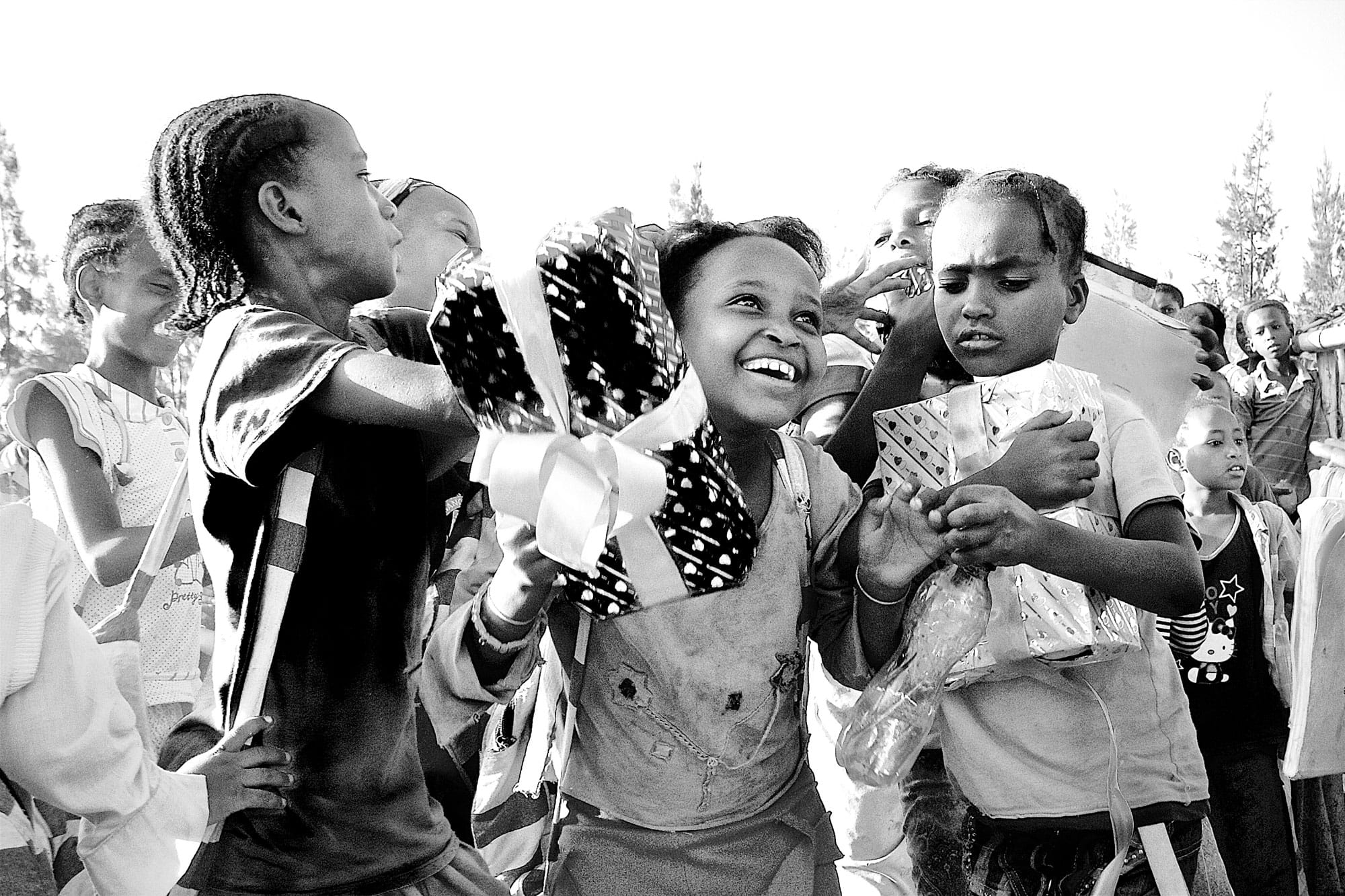
There is one image in the old booklet that I still wish I had not made. It came from a promotional campaign for an NGO. The photograph helped raise money (a lot of money). The children in it were real. The situation was not staged. But the boxes they were holding were empty. At the time, it seemed clever.
The documentary photographer gave way to the advertising photographer. The image communicated what the campaign needed. The audience understood the intended message. The result was effective. And we had deceived the children.
I have never managed to excuse that by pointing to the money the campaign raised. Perhaps because I knew the other side of the transaction. I had left school very young. I had my own share of problems. And for a while I was one of the children who received assistance.
I remember people arriving with their generosity displayed before them. I remember feeling small. There is a seductive sentence in social communication: the end justifies the means. It is especially seductive when the end is good. I no longer believe it.
There are jobs a photographer should refuse. Images that should remain unmade. Stories that may be useful to an organization and still be wrong for the people whose faces would make them persuasive. The ability to say no is part of the work.
The family album
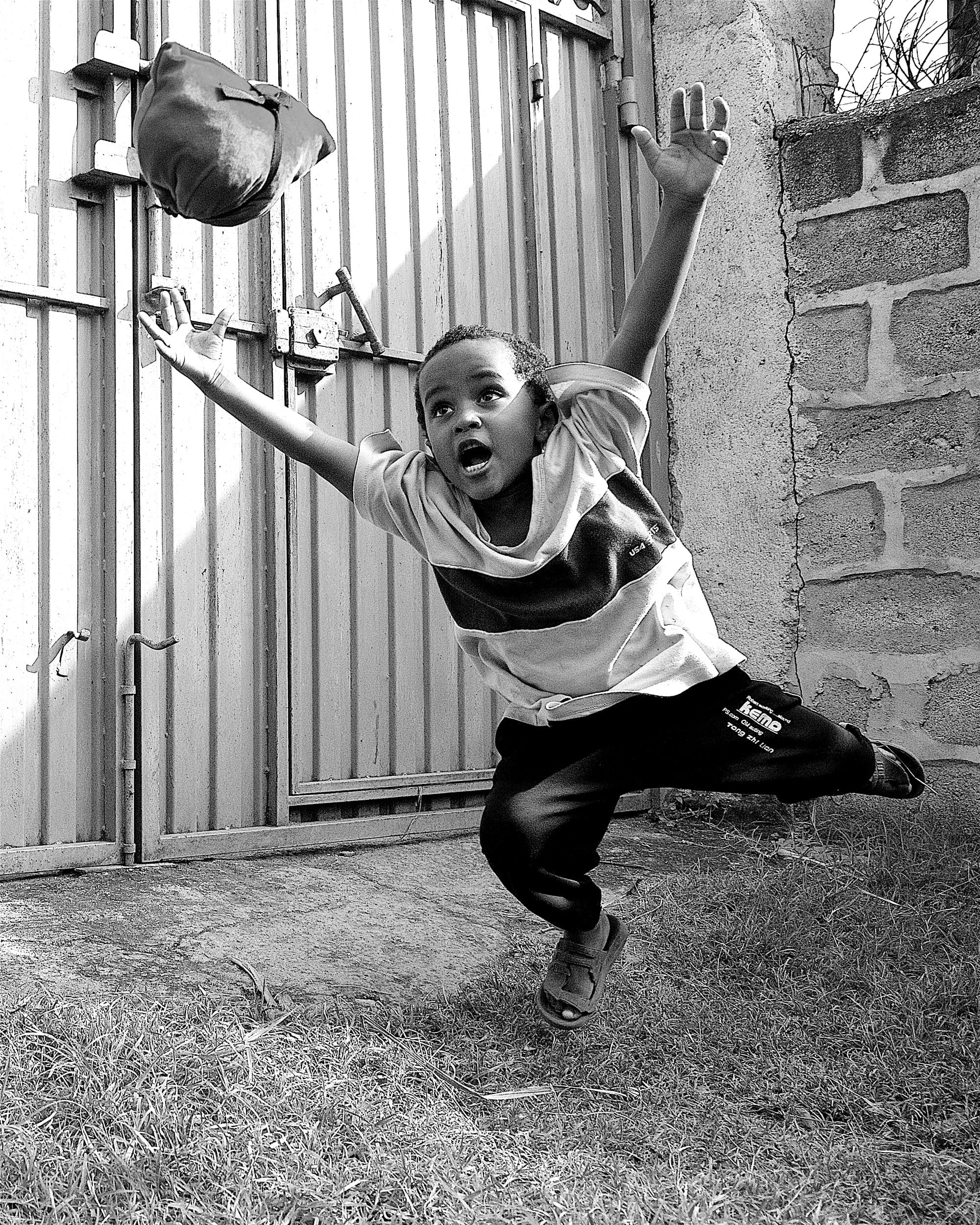
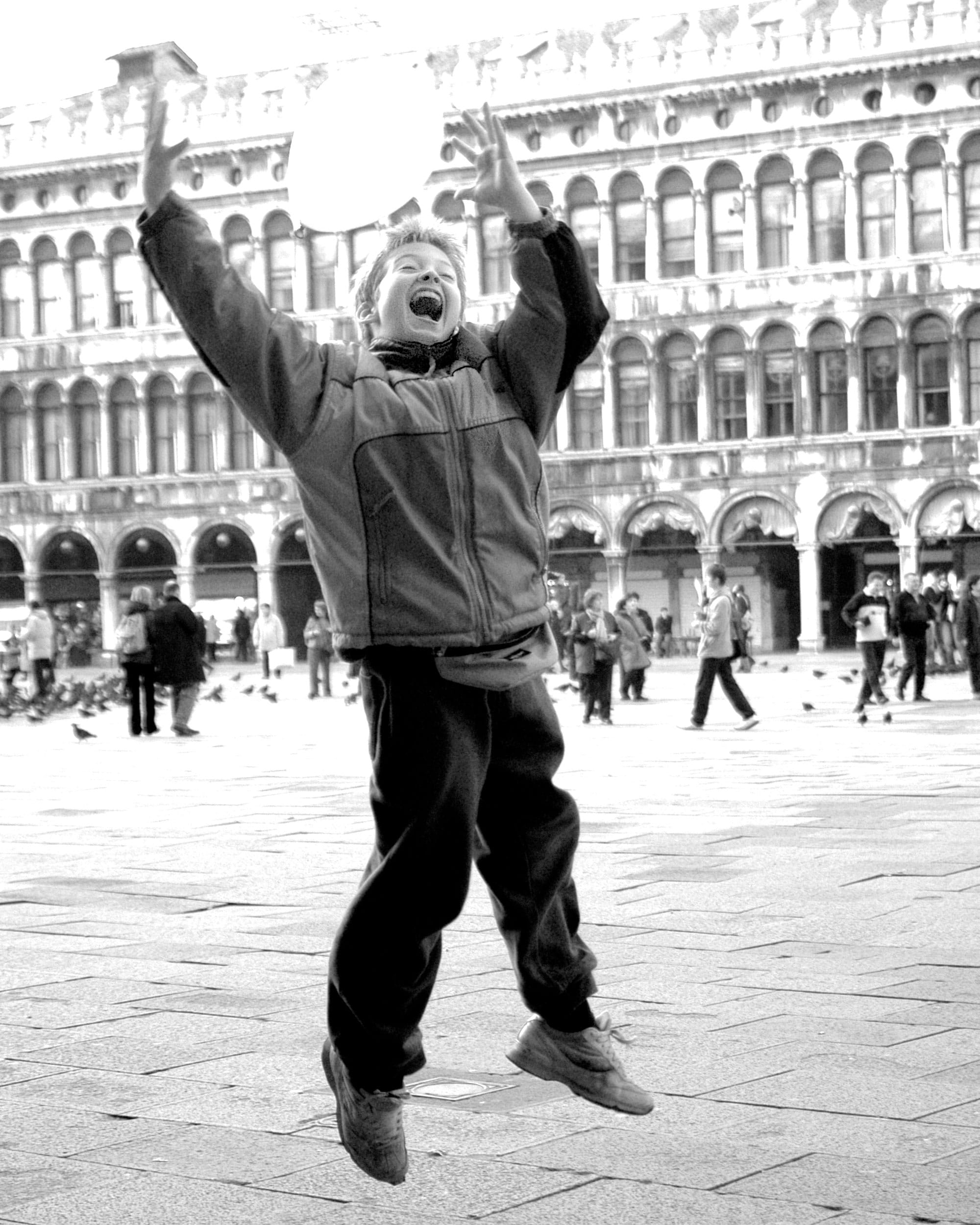
Over the years I began using a very unsophisticated test. When photographing a child, I would ask myself: if this were my son, would I want him represented this way? Then I widened the question: my daughter, my mother, my father, my partner, my friend. Someone I love.
This is not an ethical theory. It certainly does not solve every problem. Our families are not interchangeable with other people’s families, and imagining that they are can itself become another form of projection. But the question does one useful thing: it removes distance.
In the original booklet I placed photographs of people close to me beside photographs made in Ethiopia and elsewhere. Mattia, one of my Norwegian sons. Mette, the mother of my children and a close friend. Marta, photographed in Hawassa after a particularly difficult period in her life.
Marta wanted her portrait to be used for a project supporting a group of women. She called them her sisters.
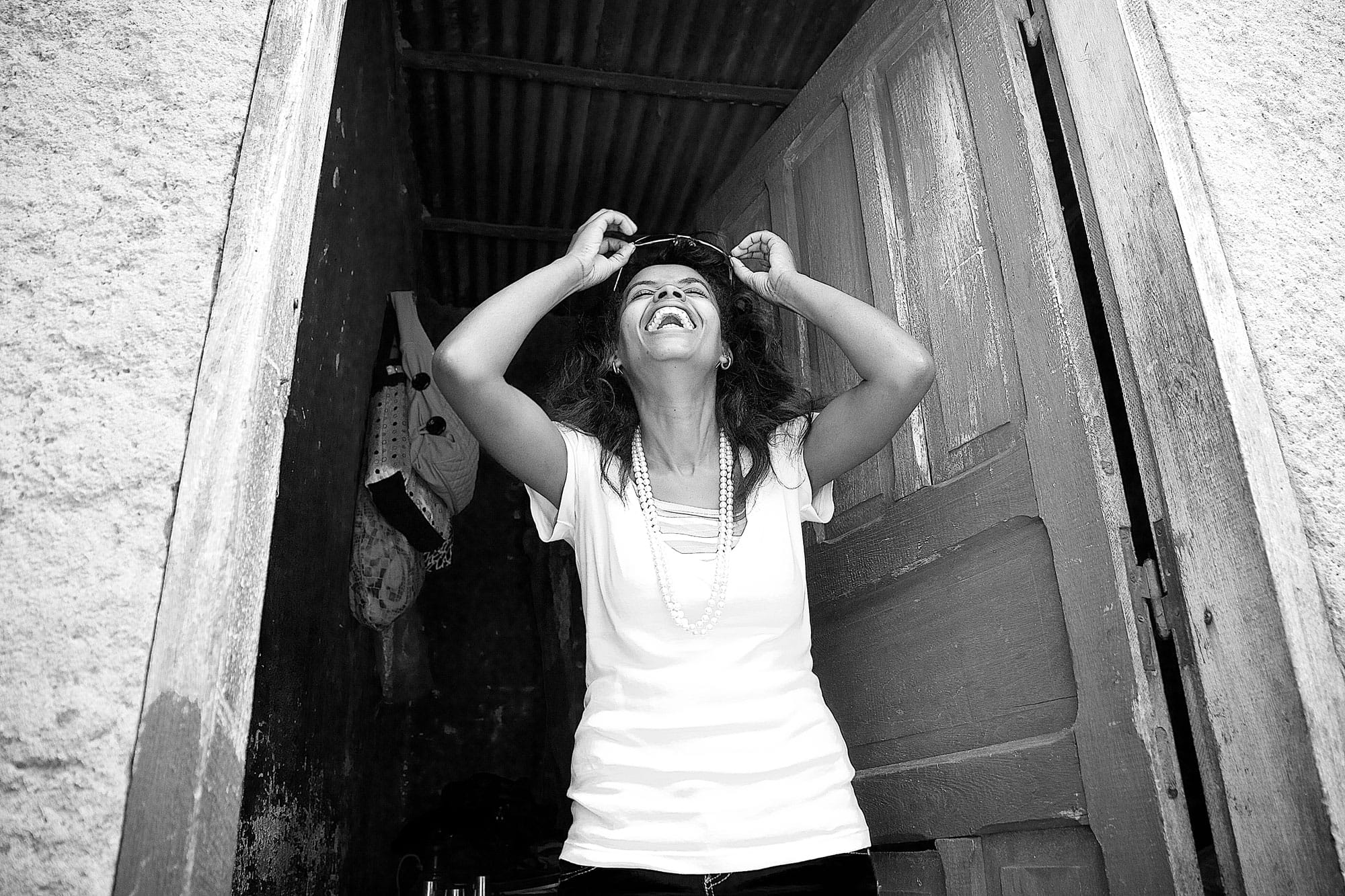
The material circumstances of these lives were not the same. Their opportunities were not the same. Pretending otherwise would have been absurd. But difference in circumstance does not require difference in dignity.
Anyone who allows me to enter a sincere part of their life, even briefly, enters what I began to think of as my photographic family. That changes the edit. You become less interested in producing an impressive photograph at somebody else’s expense. You begin imagining the photographed person encountering the picture years later.
This is particularly useful with children. What happens when the child becomes twenty-five and sees the photograph you published when they were six? What have you preserved for them? A difficult truth? A stereotype? A humiliation? A joke they can still laugh at? A fragment of themselves they recognize? The photograph has a future. Ethics has to travel with it.
Not everything needs to be told
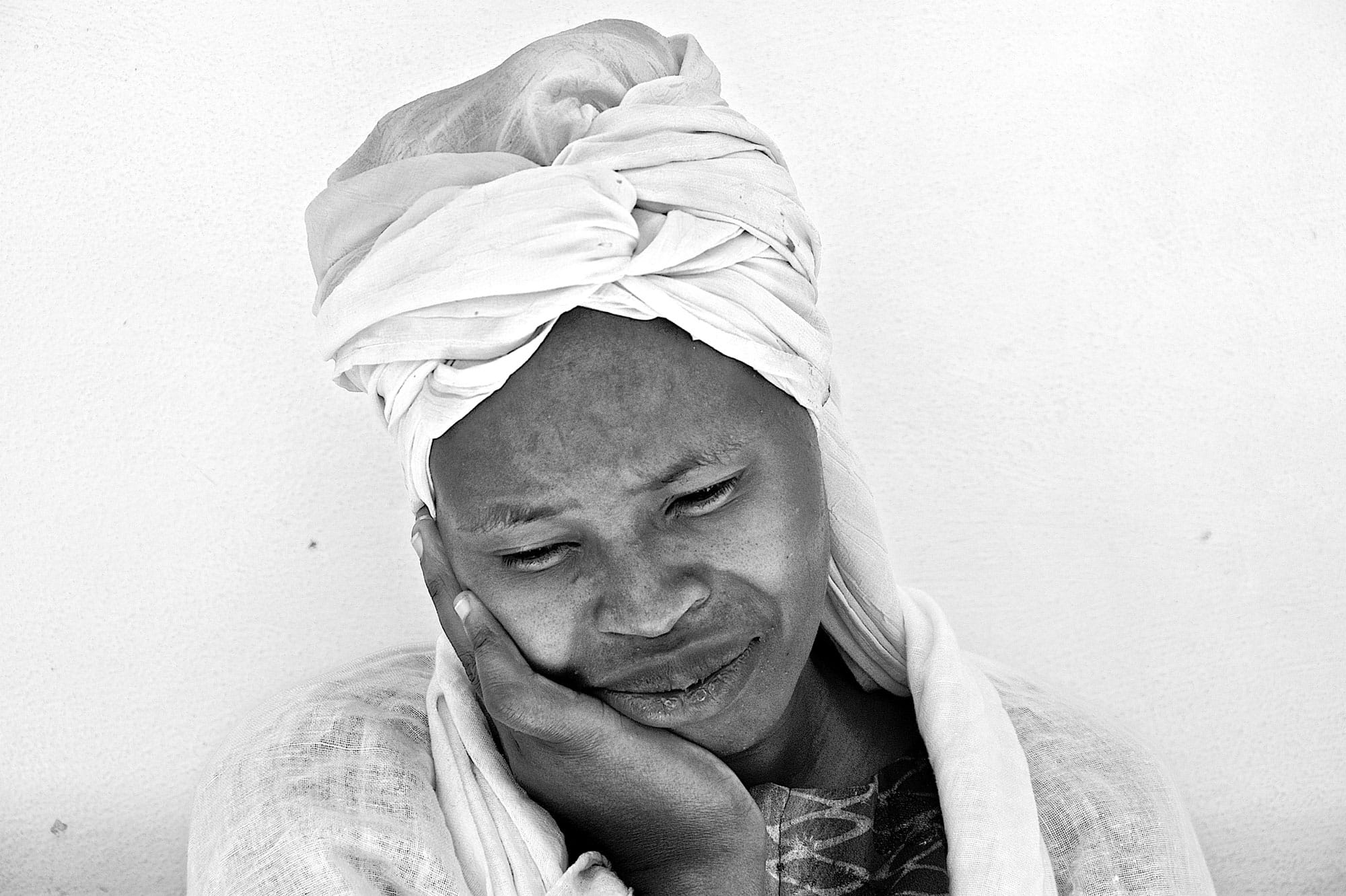
There is another photograph from those years that taught me something different. It became one of my best-known images. People saw beauty in it. Grace and stillness.
The woman I photographed was experiencing an extraordinarily painful situation involving her child. I have never told the full story publicly. I will not tell it here. I made the photograph and kept it private while I waited to learn what happened. Two weeks later I received good news. Only then did I allow the image to circulate. Had events ended differently, I would never have published it.
Nothing in documentary photography requires us to disclose everything we know. Privacy is not necessarily secrecy. Silence is not necessarily censorship. Sometimes knowing the whole story creates a responsibility not to tell it.
This can be difficult for photographers because proximity produces information, and information feels valuable. We have been invited inside. We have seen something. We know what happened outside the frame. But access is not ownership. A person can give us a photograph without giving us their biography.
Let people into the edit
For a long time documentary practice assumed a fairly simple sequence: 1. the photographer entered; 2. the photographer observed; 3. the photographer made pictures; 4. the photographer left; 5. then photographers and editors elsewhere decided what the story meant. We have tried, whenever circumstances allow, to make that sequence less one-directional.
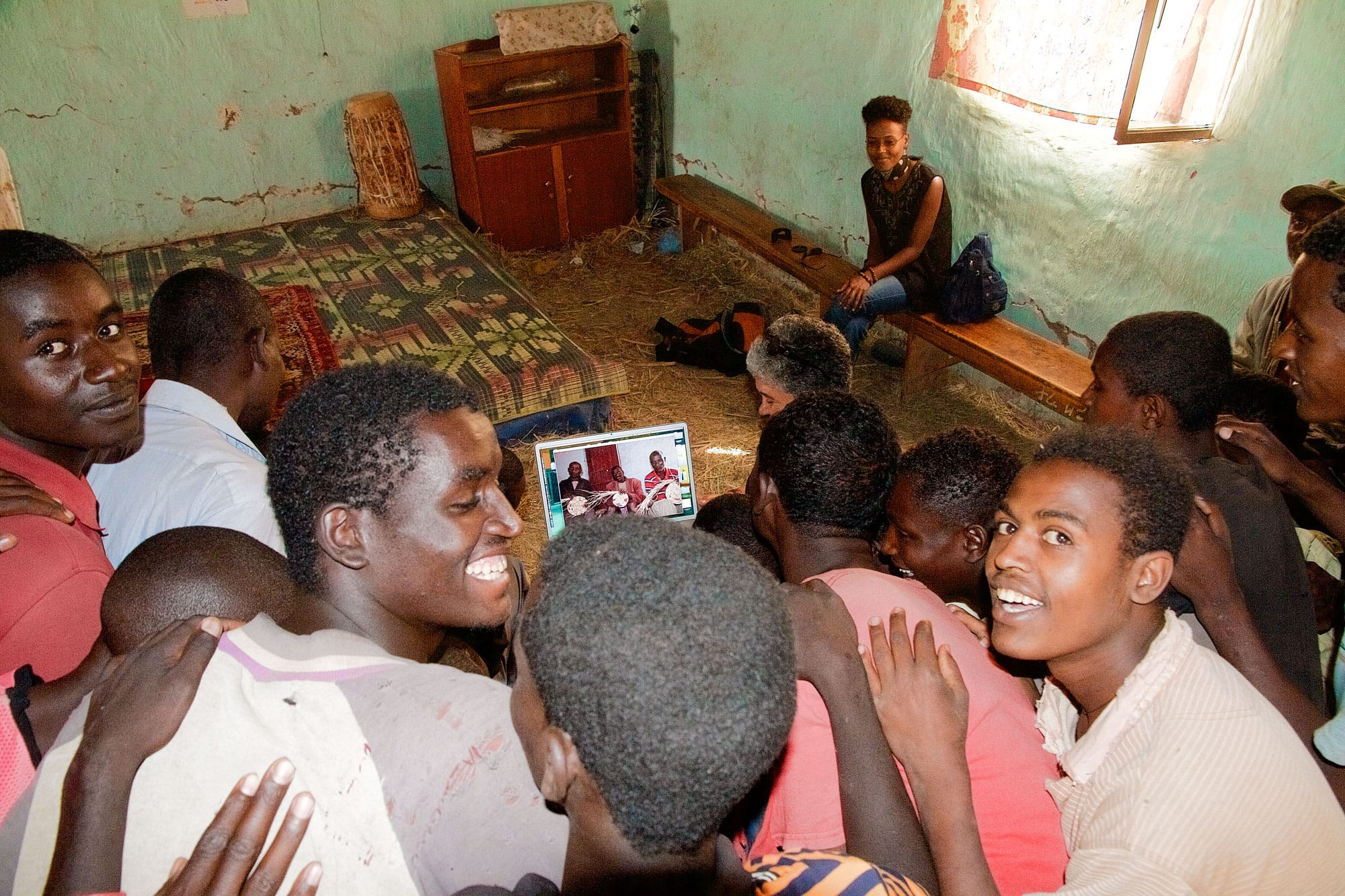
Inside an Ethiopian prison, while documenting a social enterprise involving people incarcerated there, we sat together and looked at photographs. Which images should be used? Which should not? What did they think they showed?
These were not abstract questions about participatory media. They were practical decisions about images that would leave the prison and circulate in a world the people in the photographs could not necessarily follow. Their opinions mattered.
A camera gives the photographer enormous authority at the beginning of a story. Editing can either concentrate that authority further or begin giving some of it back. Sometimes even that is not enough. There are lives I cannot describe adequately because I have not lived anything close to them.
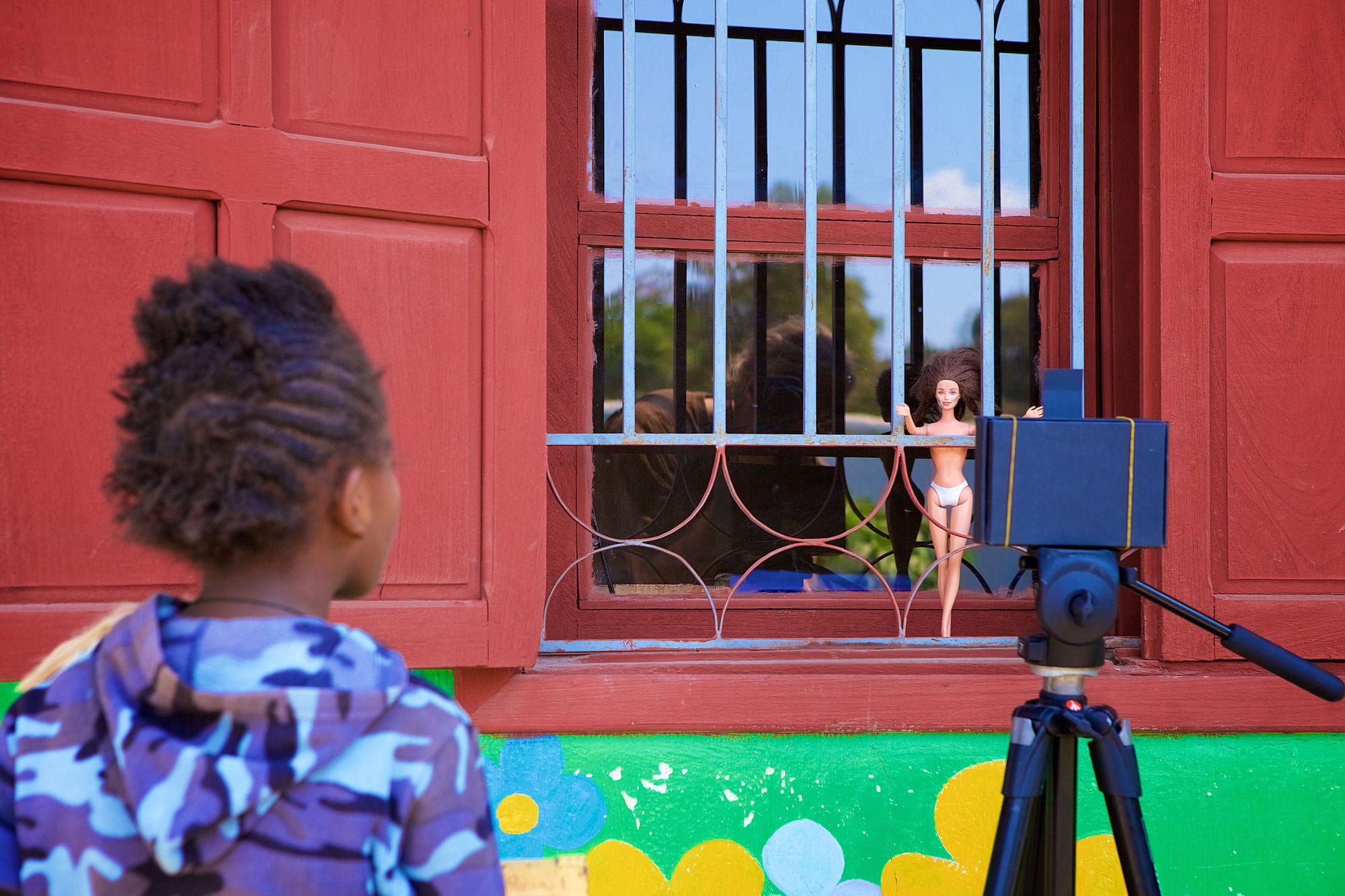
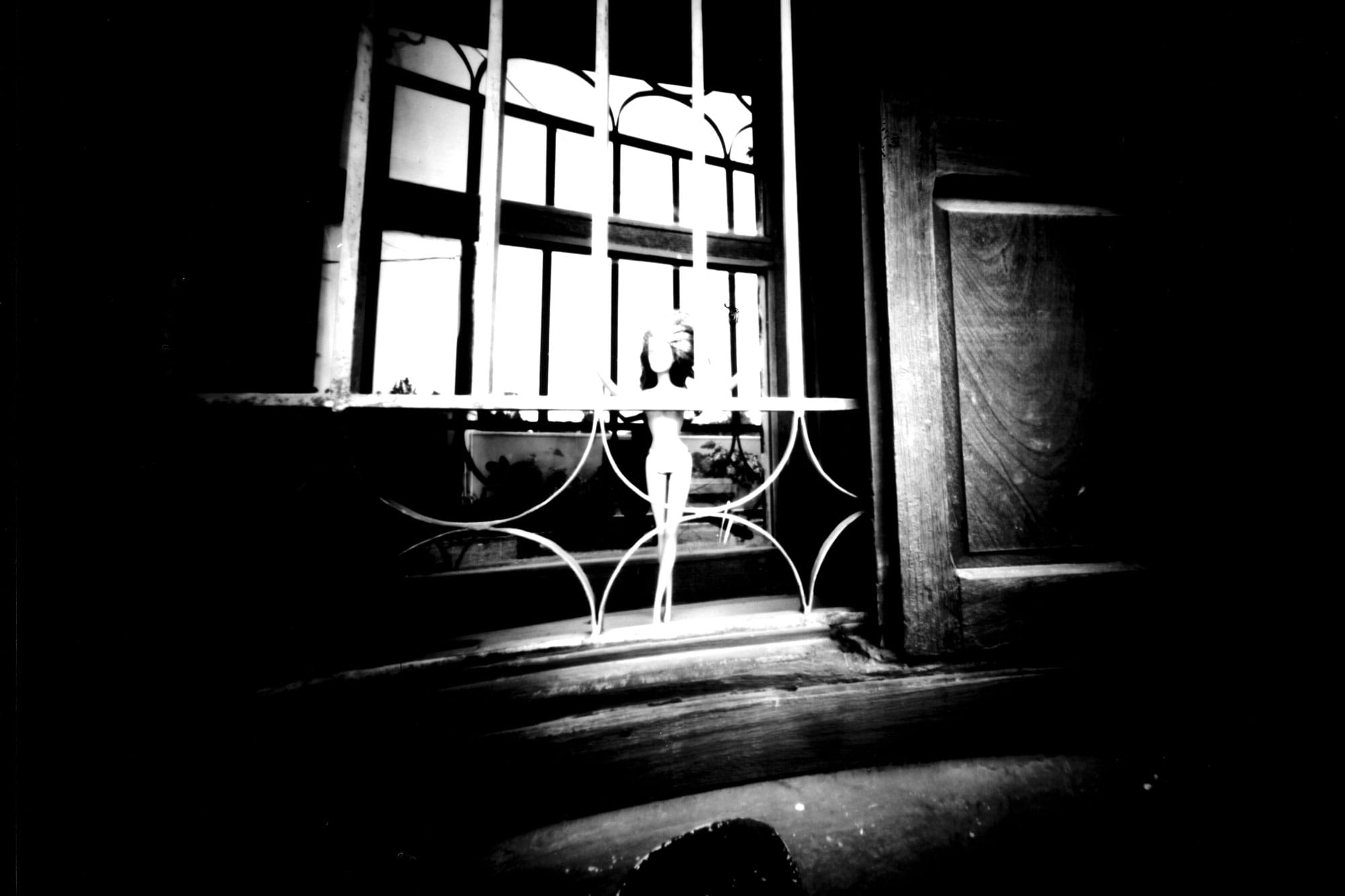
With a group of young people who had experienced life on the street, we eventually reached a simple conclusion: perhaps they should make the photographs. We helped them build twenty-five cardboard pinhole cameras.
They learned to use them, develop the negatives and make prints. The technical limitations were part of the idea: faces would often be difficult to recognize.
Then each young photographer decided what deserved to be shown. At that point, something fundamental changed. They were no longer the subjects of our story. They were making decisions about theirs. The gesture seems obvious now. It did not feel obvious then.
Documentary photography often asks how we can represent another person more fairly. Sometimes the better question is whether we need to be the ones doing the representing.
What the photograph leaves behind
Susan Sontag wrote about photography as a form of appropriation, a relationship between seeing, knowing and power. You do take something when you photograph a person.
A fragment of their appearance. Their surroundings. Their time. Something that can travel farther than they will ever know. That fact does not make photography inherently wrong. But it makes reciprocity worth considering.
At Ayzoh!, we have often tried to leave something behind: publications, websites, materials that communities or projects can use, and photographs returned as physical prints. The print may be small. The gesture is not.
Someone who gave you access to their life receives an object that belongs to them. They can keep it, lose it, put it in a drawer, show it to a child, give it to someone else. The photograph leaves your archive and enters theirs.
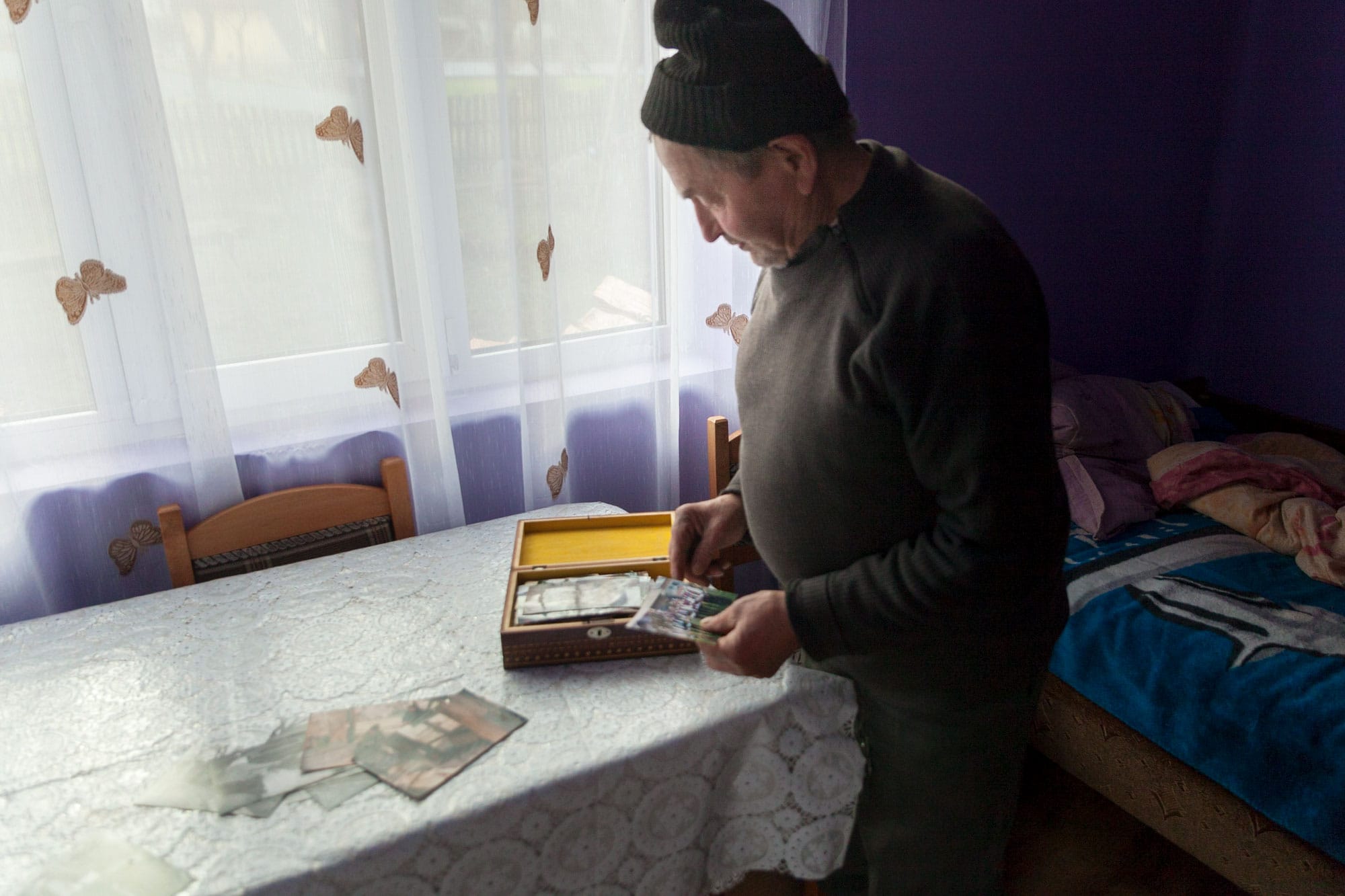
Years later, in Romania, I watched people handle family photographs kept in boxes and drawers. These objects were not illustrations of a life. They had become part of the life itself. Perhaps this is one reason I continue to believe in giving photographs back. Documentary work should leave traces in both directions.
And sometimes, laugh
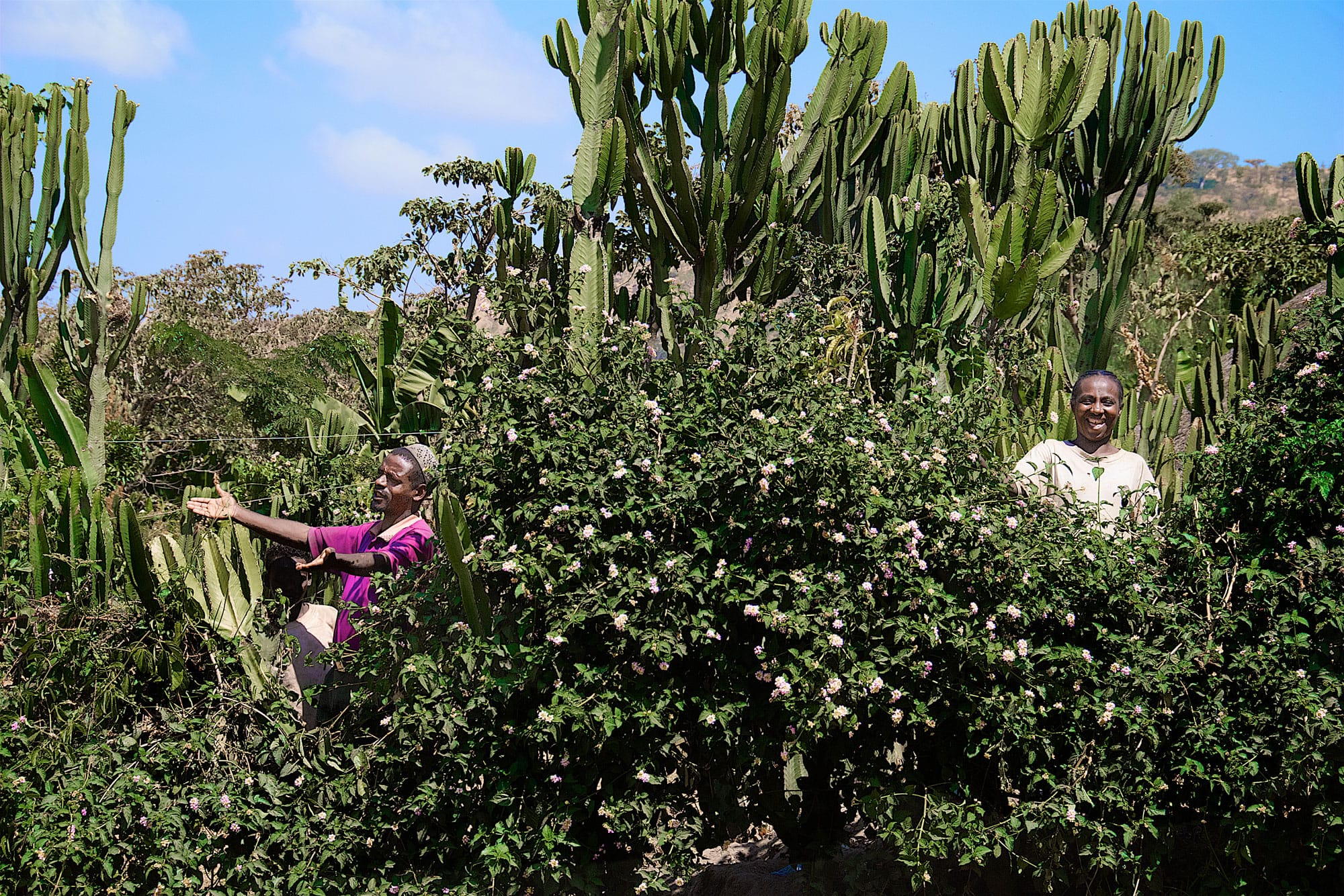
Ethics can become terribly solemn. Human beings usually are not. In Ethiopia, while working on a story about religious coexistence, I photographed a Muslim husband and his Christian Orthodox wife.
The joke between them was that he was asking Allah what he had done to deserve such a formidable woman. She did not appear remotely troubled by his complaint. There was affection in the argument.
Michele Smargiassi once wrote, discussing a photograph by Gianni Berengo Gardin, that nothing is more human than irony.
I think about that often: communities dealing with poverty, discrimination, illness, conflict or difficult histories still contain gossip, vanity, flirtation, boredom, stubbornness, absurdity, jokes, bad moods and laughter. If our photographs contain only suffering, perhaps we have not looked long enough. If they contain only happiness, perhaps we have not looked at all.
Not truth, which photography may not possess, but its usefulness to society — its ability to provide us with information that helps us form an idea of the world — lies somewhere along a path that runs from the event to the reader, passing through an observer, a technology, and a channel. Photographs can serve us if, avoiding both the abyss of insignificance and the rhetoric of the altar, we understand them as relationships of exchange through which human beings try to reach some sufficiently acceptable conclusion about the world they live in. Let us not ask for more.
— Michele Smargiassi, Fotocrazia
Perhaps that is the most useful definition I know of documentary photography: not a claim to possess the truth, but a relationship through which we try to understand something together. The difficulty lies in remembering that every relationship has consequences.
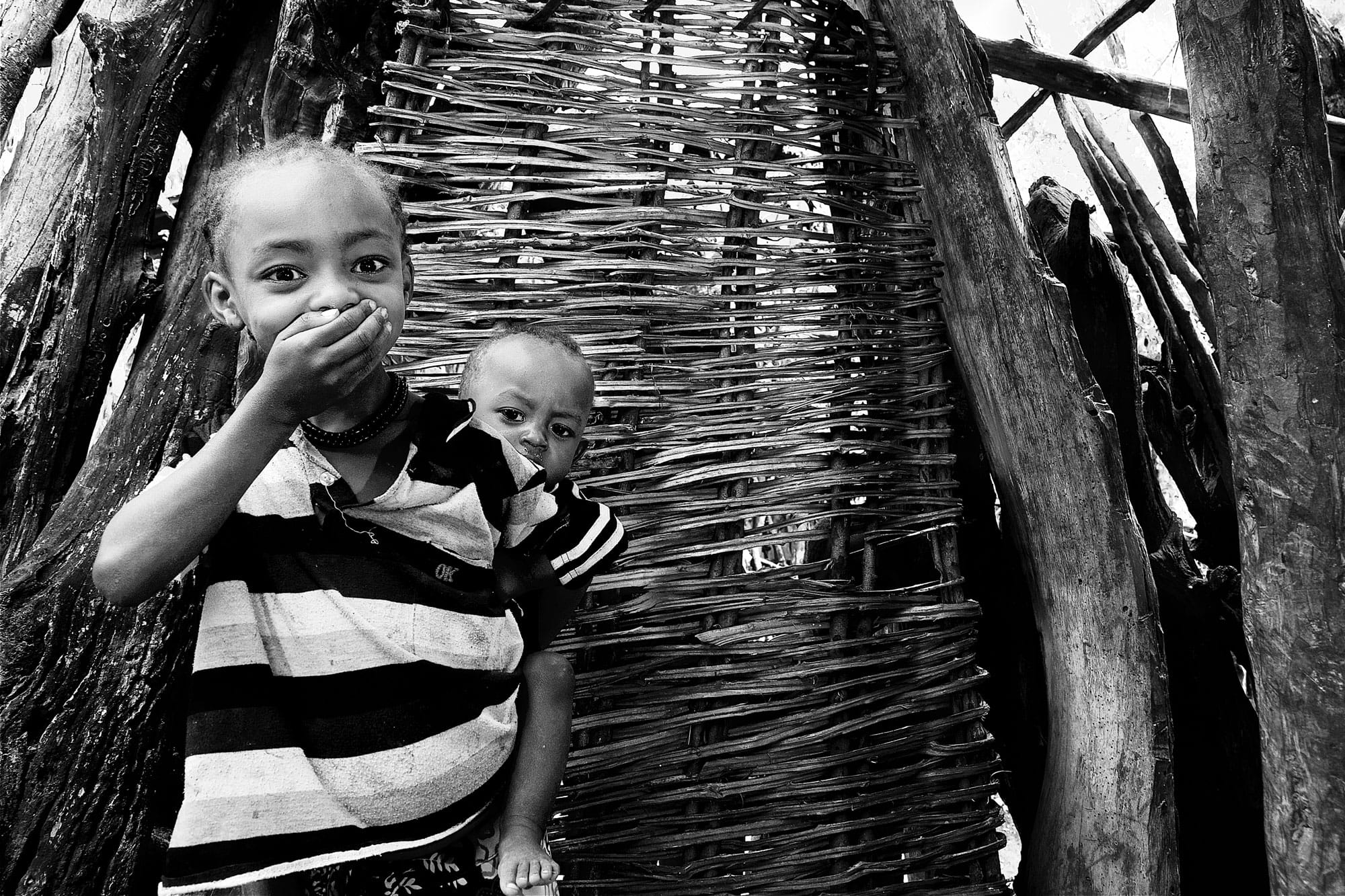
No final rule
When I reread that old booklet now, some passages make me smile. Some make me uncomfortable. I was more certain about certain things.
I wrote that a photographer should never use a telephoto lens to photograph another person. I distrusted privacy laws. I believed that many questions could be answered through personal discipline and common sense.
Today I would leave more room for circumstances: experience does not always produce certainty. Sometimes it does the opposite. The more people you photograph, the more situations appear in which two good principles contradict each other.
Protect privacy, but bear witness. Ask permission, but document power. Do not reduce someone to suffering, but do not conceal suffering to produce a comforting story.
Respect cultural difference, but do not turn culture into an excuse for injustice. Participate, but know when your presence is already changing the scene. Get close. Sometimes stay away. Take the photograph. Sometimes lower the camera.
There is no rule capable of deciding all these things for us. Perhaps that is why, after all these years, I return to the sentence with which the old booklet began: I don’t know, I go and see. And then I try to remain there long enough for the first explanation to become insufficient.
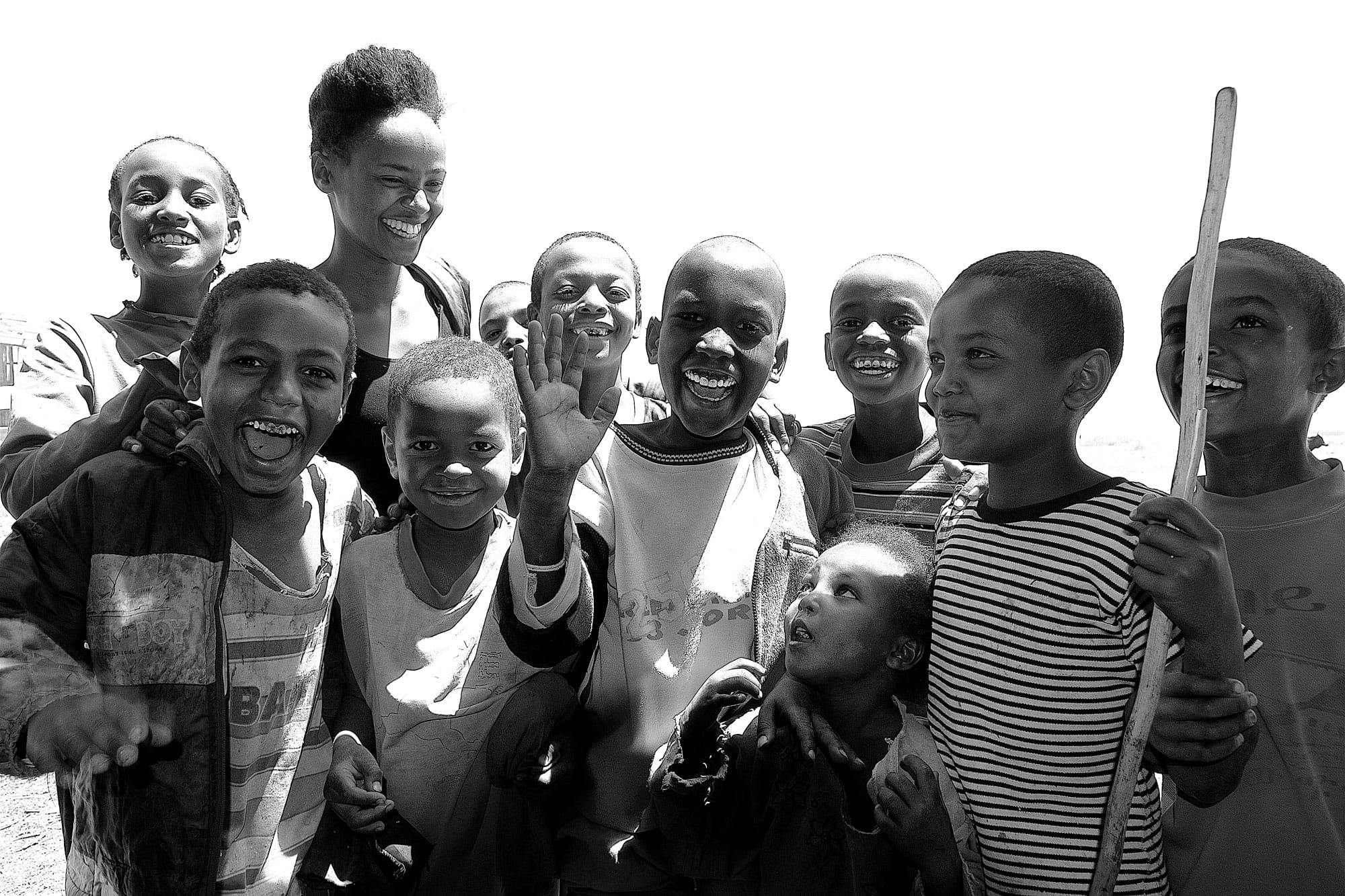
A book begins here
The Territories of the Other began with a small Italian-language booklet produced with VadoinAfrica in 2019. We are making the original available here without rewriting it. Some of its language, certainties, and working rules are different from those we would use today. That distance is part of the reason for publishing this essay.
The questions gathered in that small booklet did not disappear when it was finished. They followed us from one assignment to another, and eventually returned in A Bag of Stories as The Ethics of Looking: an ongoing series about photography, representation, consent, power, memory and responsibility.
We have now decided to let that work grow into a book. It will not be a manual telling photographers what they are allowed to do. The world is too complicated for that, and people deserve better than a list of commandments.
We want instead to stay with the difficult cases: photographs we made, photographs we refused, mistakes we still remember, conversations that changed the way we worked, images returned to the people inside them, and moments when those people took the camera from our hands and decided where it should point.
The old booklet was about entering the territories of the Other. The new book begins by questioning the distance contained in that very idea: what happens when we understand that nobody should remain “the Other” for very long?
Note: I should add that many of these ideas were not formed alone. An important contribution came from anthropologist Seblewongel Getachew, who collaborates with Ayzoh! and whose perspective repeatedly challenged my assumptions about representation, culture, distance, and the gaze itself.
Some of what I learned came through long conversations; some came directly from working together in the field. For this reason, Seblewongel is credited among the authors of this article.


Member discussion