


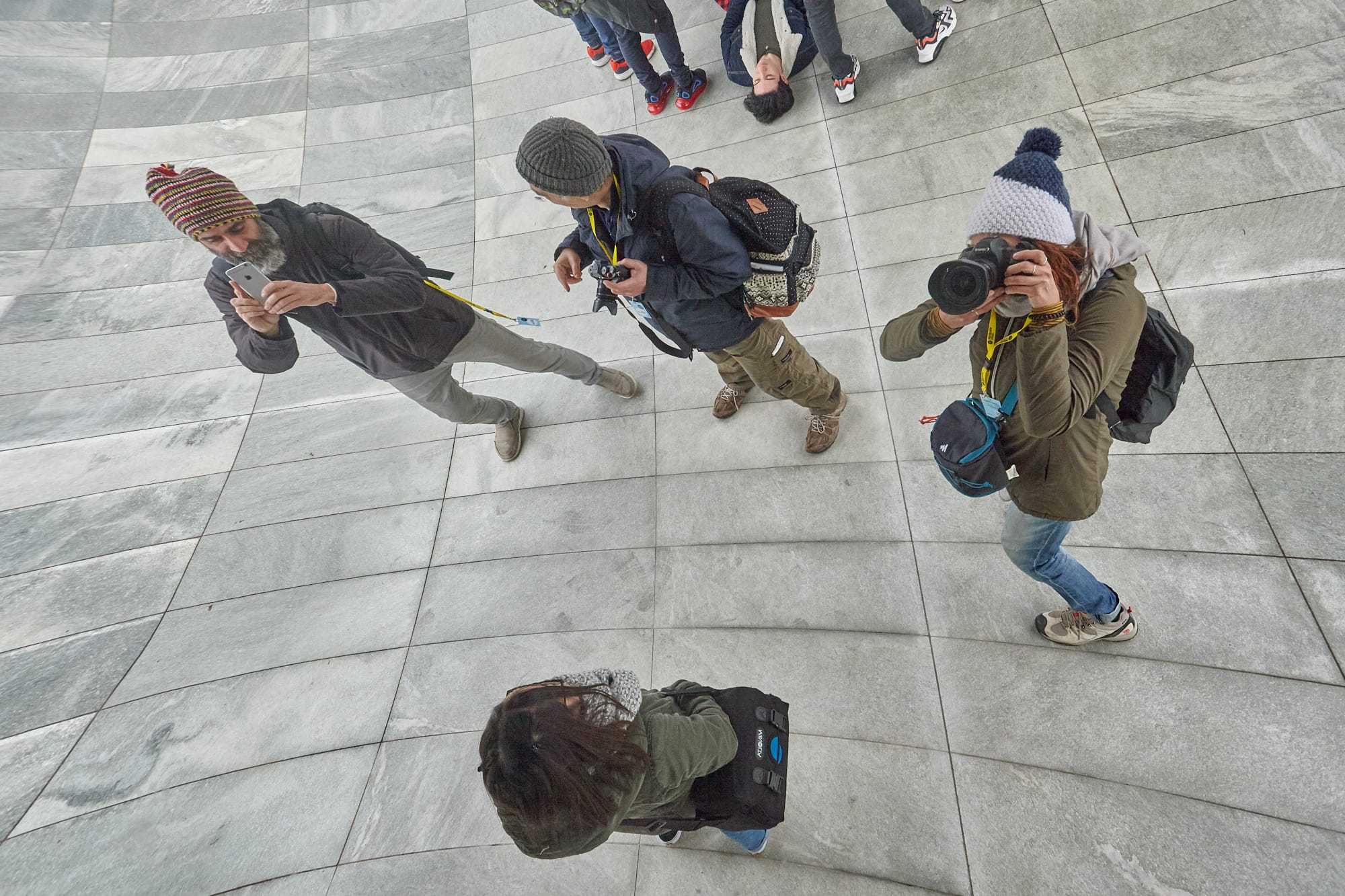
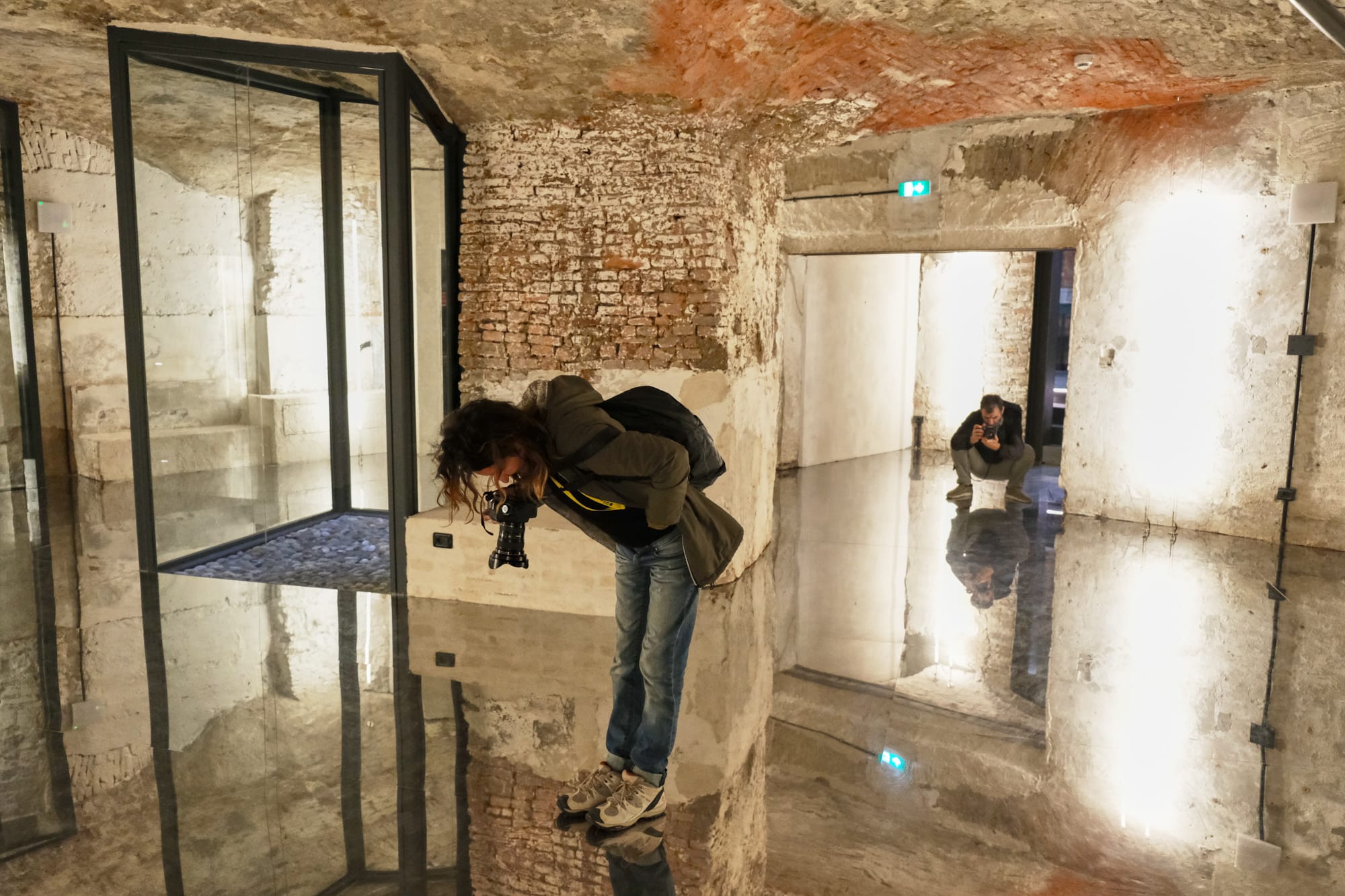
In one of the first photographs from our visit to Foto/Industria 2019, a small group of people stands below the camera and looks upwards. Some are holding cameras of their own, turning the moment into a circle of observation in which it is difficult to say who is documenting whom.
At the time, the picture seemed almost incidental: a trace of our presence in Bologna, made while moving between exhibitions devoted to the technosphere and the many ways in which human activity had altered the surface of the planet.
When we opened the archive again seven years later, however, this image felt like the beginning of the story rather than a photograph from behind the scenes. It contained the question that now runs through the entire series: how do we look at the world we have constructed when we are also standing inside it?
The technosphere is sometimes described as though it were a second planet placed on top of the first: a vast artificial layer composed of buildings, roads, mines, machines, cables, plastics, vehicles, screens and the countless objects that accompany human life.
Yet none of these things has arrived from elsewhere. A road is displaced stone, transformed minerals, water, energy and labour. A screen begins in mines, chemical processes, factories and transport routes long before it begins to emit light. A garment carries within it a field, an animal, a petroleum deposit or a laboratory, together with the hands, machines and journeys that gave it its temporary form.
The technosphere is not separate from nature; it is nature extracted, rearranged and made to serve a particular intention.
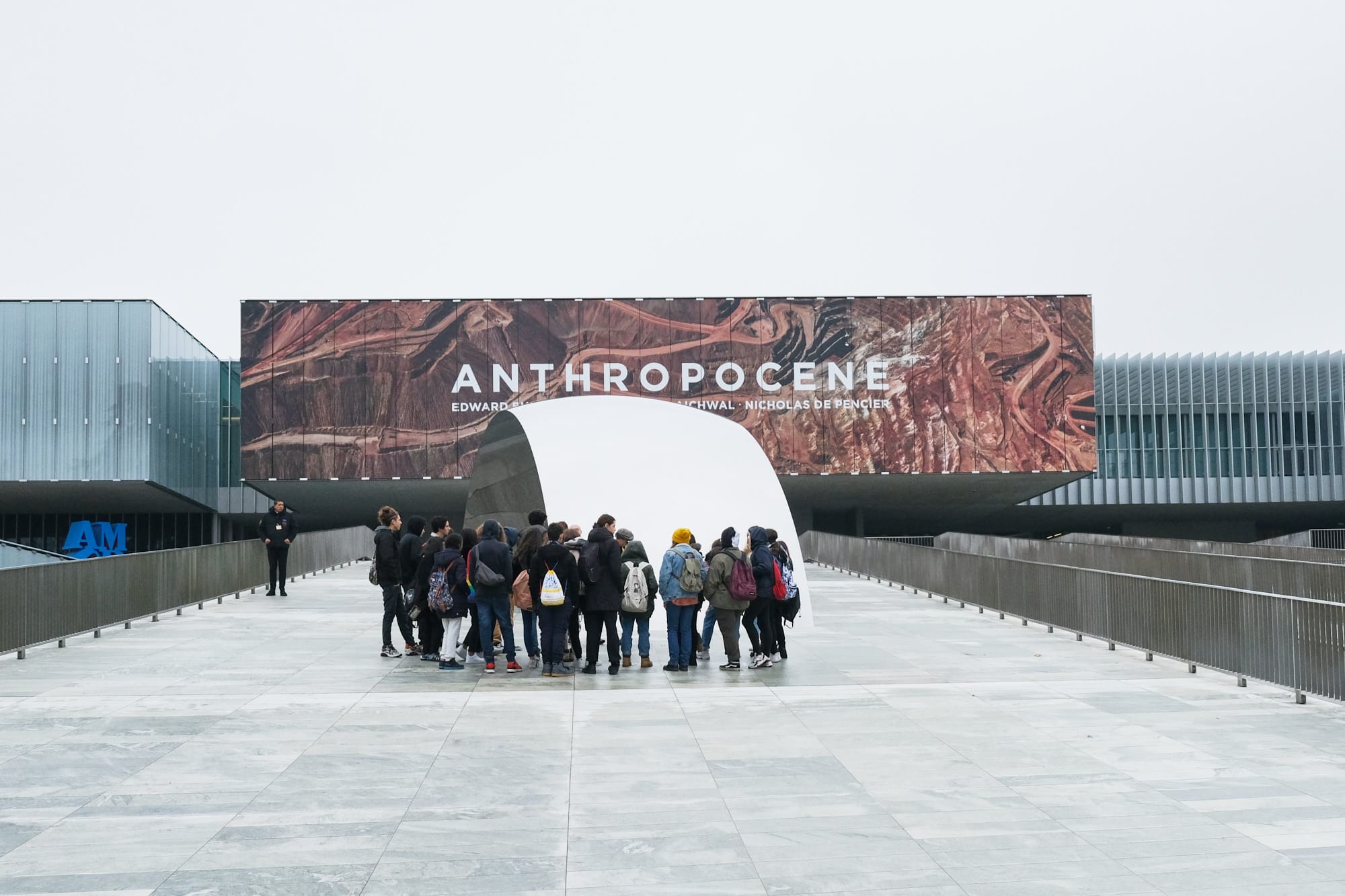
This was already present in the 2019 exhibition, but it feels more difficult to evade today. According to the United Nations Environment Programme’s Global Resources Outlook, global material extraction grew from around 30 billion tonnes in 1970 to more than 106 billion tonnes in 2024. If historical trends continue, extraction could increase by a further 60 per cent by 2060.
These figures are not evenly distributed: high-income countries use around six times more material resources and generate ten times the climate impacts of low-income countries. Meanwhile, the World Meteorological Organization confirms that 2015 to 2025 were the eleven warmest years on record, with 2025 approximately 1.43°C above the 1850–1900 average.
The language of emergency has become familiar, but familiarity should not be mistaken for comprehension. Behind each number there are material decisions: what is taken, who takes it, who transforms it, how long it remains useful and where it goes afterwards.
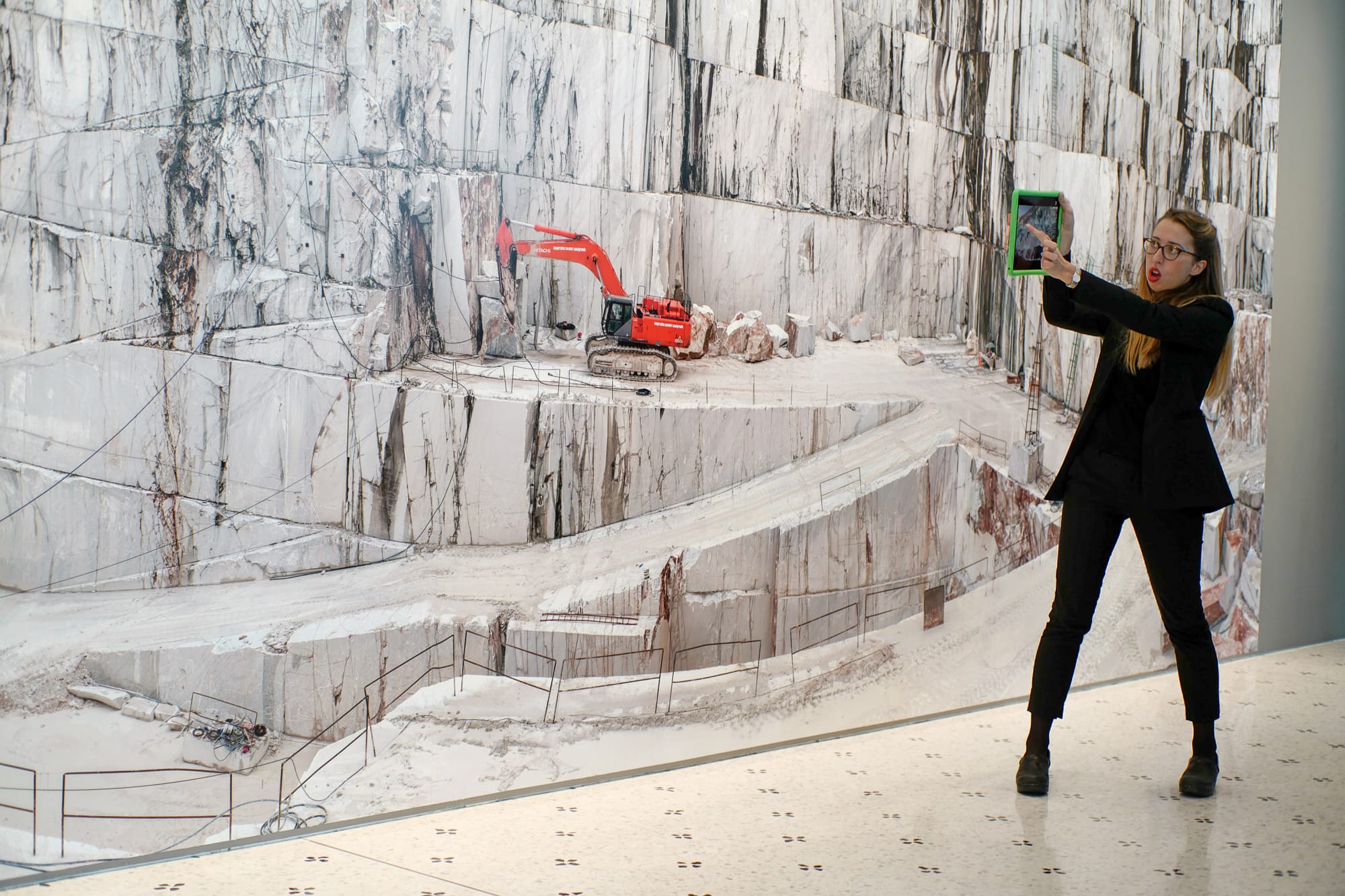
The marble quarry photographed in one of the exhibition rooms offers an almost literal image of this process. The mountain has been divided into geometric planes while a red excavator occupies the centre of the pale landscape.
Standing before it, a woman raises a tablet and points towards the image, adding another frame to the scene. Stone has become photograph; photograph has become exhibition; exhibition has become an image inside our camera and, years later, an image on another screen.
Every passage changes the material and social meaning of what we see. The quarry is no longer only a site of extraction, because it has also become evidence, spectacle, knowledge and memory, although none of these later identities cancels the physical absence left in the mountain.
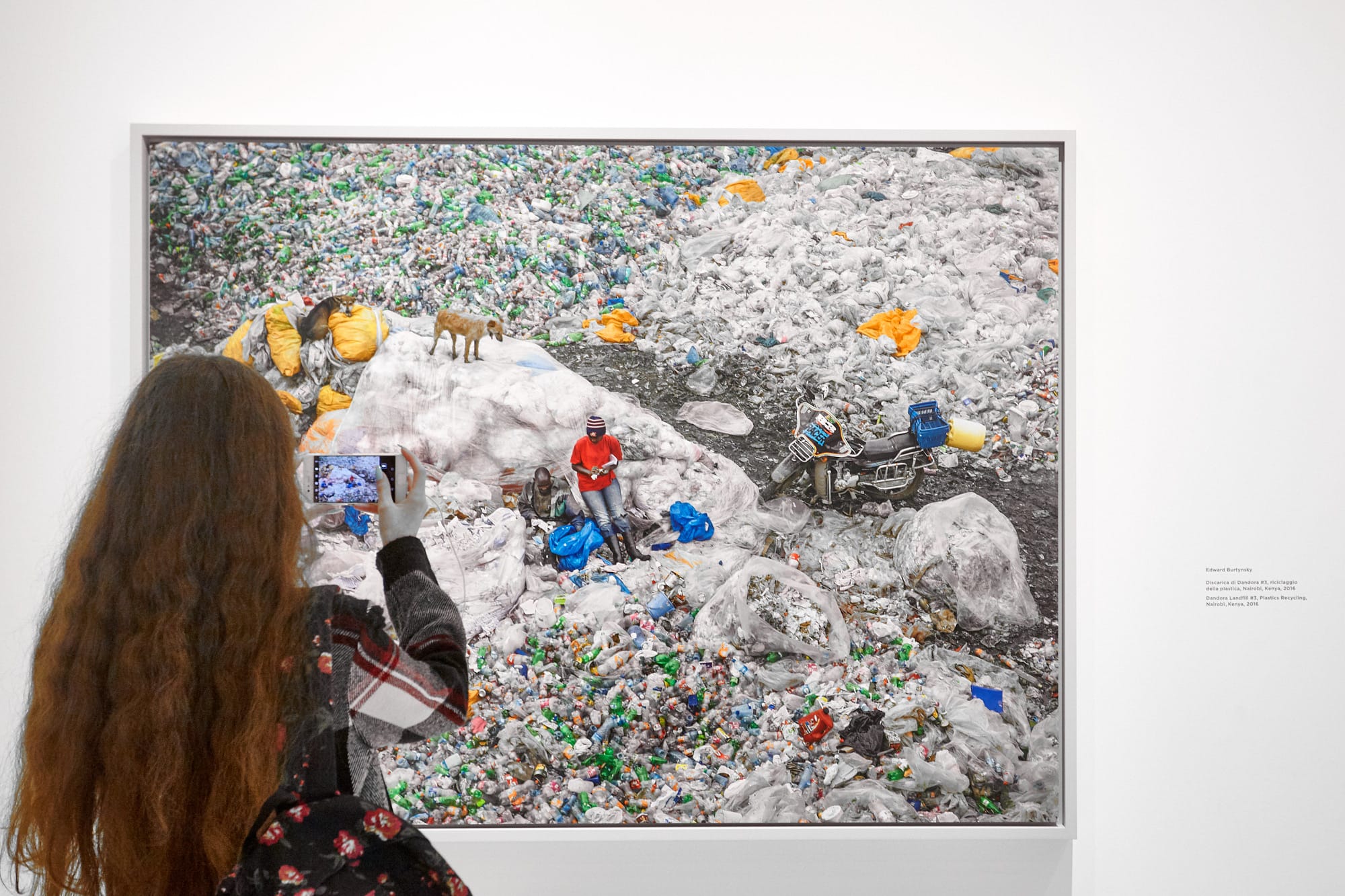
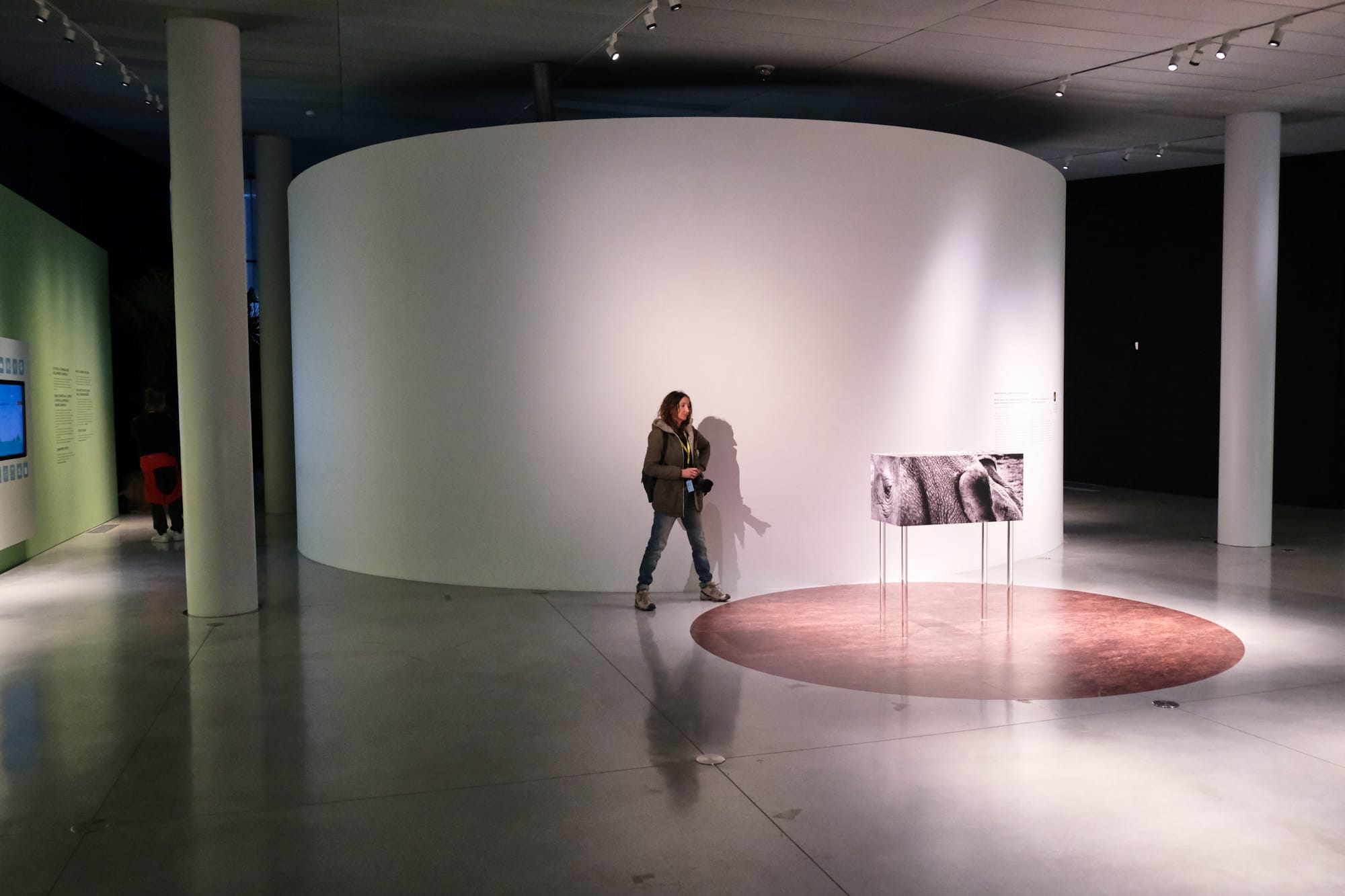
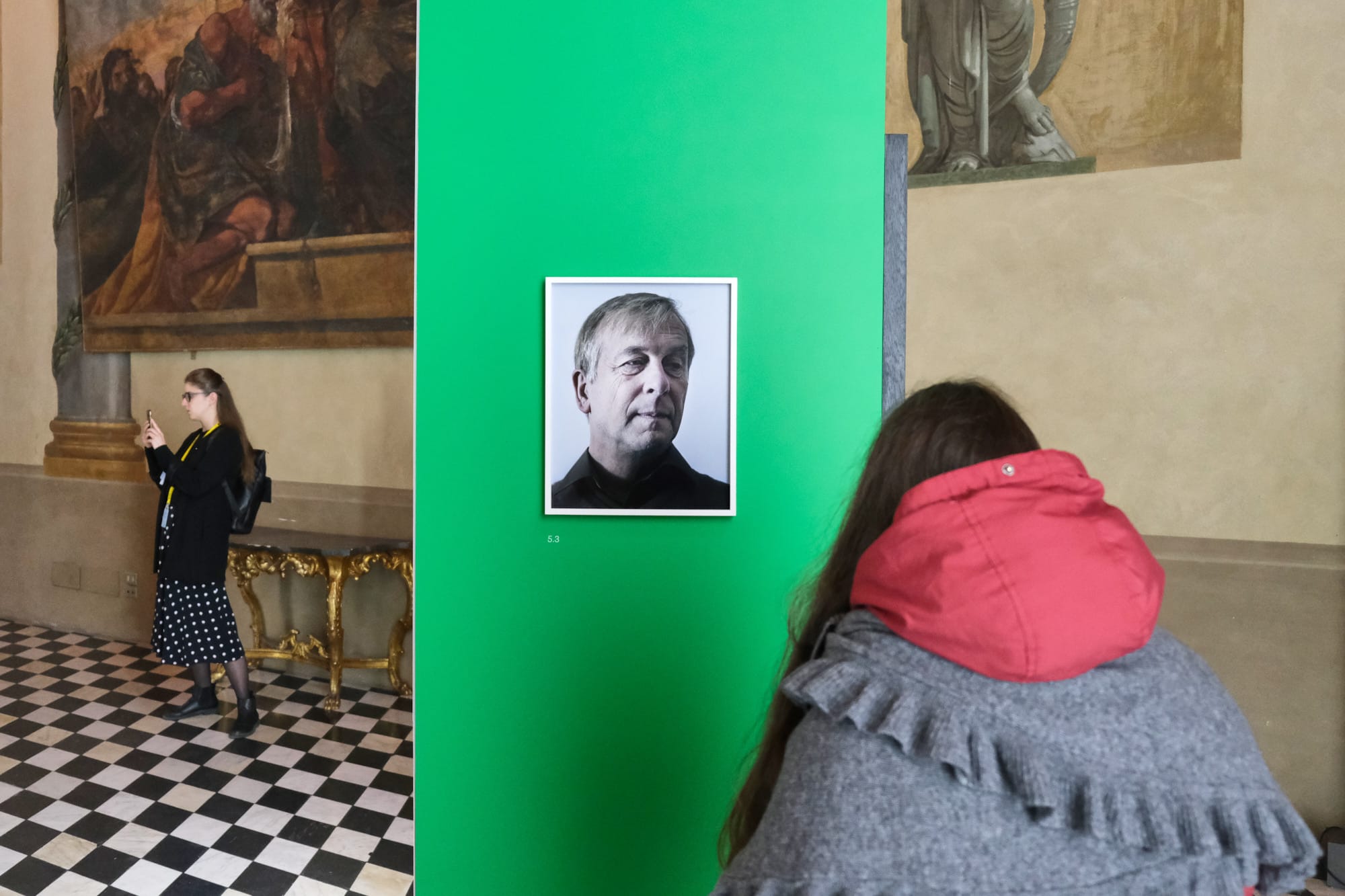
Many of the photographs in our archive contain this kind of nesting. Visitors look through glass, bend over display cases, listen through headphones or raise their phones towards photographs of mines, landfills, industries and transformed landscapes.
We photographed people photographing the consequences of production, and in doing so became part of the same chain. The camera is not outside the technosphere: it is a manufactured object built from glass, metals, plastics, electronics and energy, while the digital image that it produces continues to occupy servers, networks and devices.
Photography can reveal material processes that would otherwise remain remote, but it does not become immaterial simply because its files cannot be held in the hand.
This is where entropy offers a useful idea, provided that we do not use it as a dramatic synonym for chaos or inevitable collapse. In physical terms, entropy helps describe the tendency of energy to spread and of organised states to become more difficult to recover without further work.
An object does not disappear when it is discarded. Its materials may fragment, oxidise, mix with other substances, lose quality or move somewhere beyond our field of vision, but they continue in different forms. Recycling can recover part of their usefulness, although separation, cleaning and transformation require new energy and rarely restore everything that was present at the beginning.
The line from resource to product to waste is therefore not a story of appearance and disappearance. It is a story of concentration followed by dispersal, with labour and energy required whenever we try to gather the pieces again.
To say that nothing disappears is not to suggest that nothing is lost. On the contrary, the distinction matters. A forest can remain present as carbon, ash, timber, packaging and atmospheric heat while ceasing to exist as a living forest.
A garment can survive as fibres in soil or water after it has lost every quality that once made it wearable. Materials remain, but relationships, structures, habitats, skills and possibilities can vanish. Entropy is not a moral verdict, yet it helps us understand why prevention, duration, maintenance and repair have a value that cannot be replaced by the promise that everything will eventually be recycled.
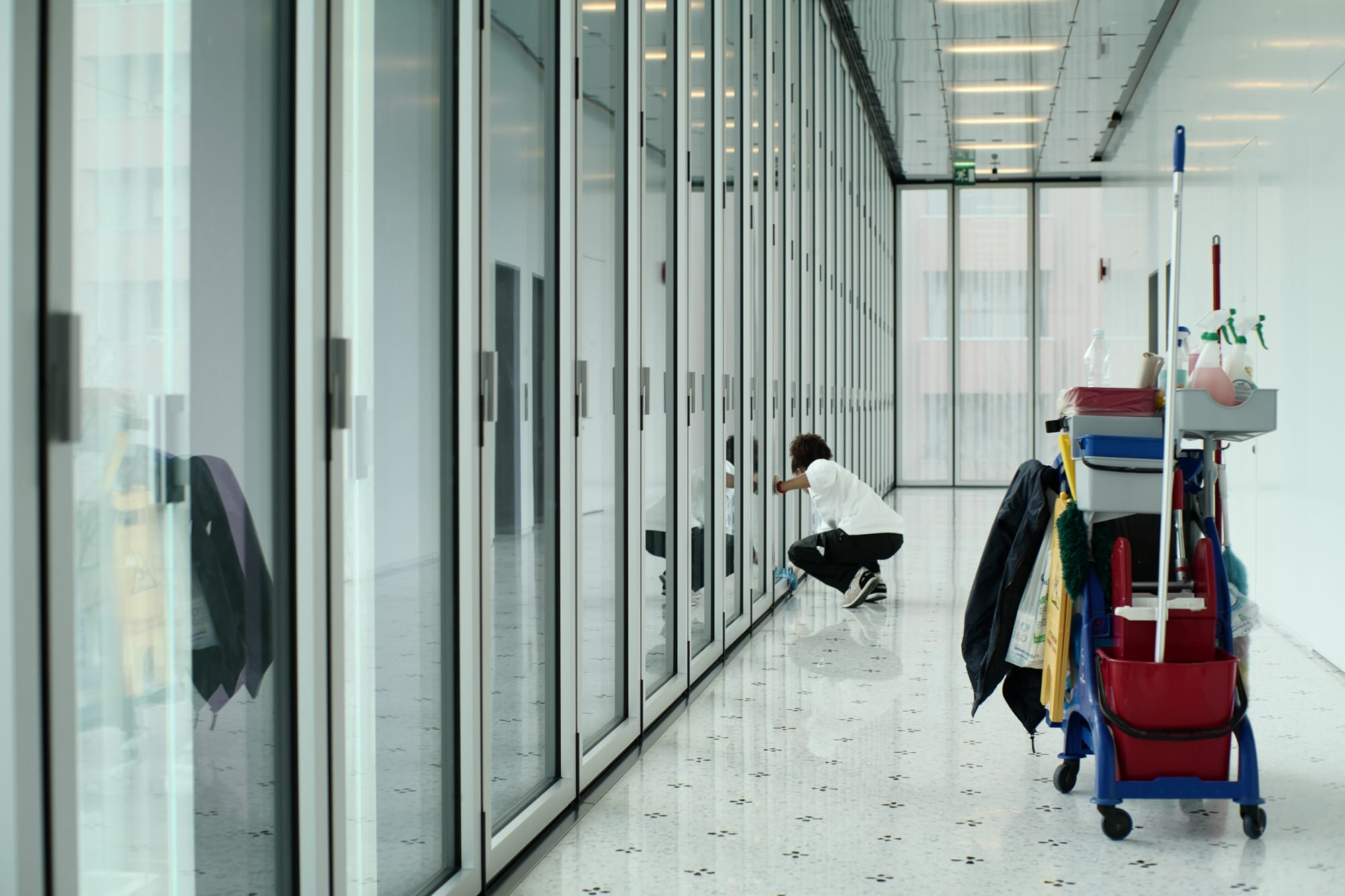
Among the sixty-seven photographs, the image that most radically changes the meaning of the series was made away from the monumental artworks. In a bright corridor, a cleaning worker crouches beside a wall while a trolley of cloths, bottles, buckets and handles occupies the foreground.
The gallery is almost empty, its surfaces immaculate and its architecture designed to make infrastructure disappear. Yet someone must continually restore that appearance. Dust returns, floors become marked, glass records every hand that touches it and the institution depends on work that visitors are rarely asked to notice.
This photograph prevents the story of the technosphere from becoming an abstract account of machines and materials. Every system is maintained by bodies, often working at the margins of visibility. Extraction requires workers; circulation requires drivers, warehouse staff and port labour; garments require cutters, dyers and machinists; museums require installers, guards, cleaners and technicians.
When these people disappear from the story, objects begin to look self-generated and frictionless. The polished surface becomes a cultural version of the pristine product photograph, presenting the finished result while concealing the network of actions that keeps it possible.
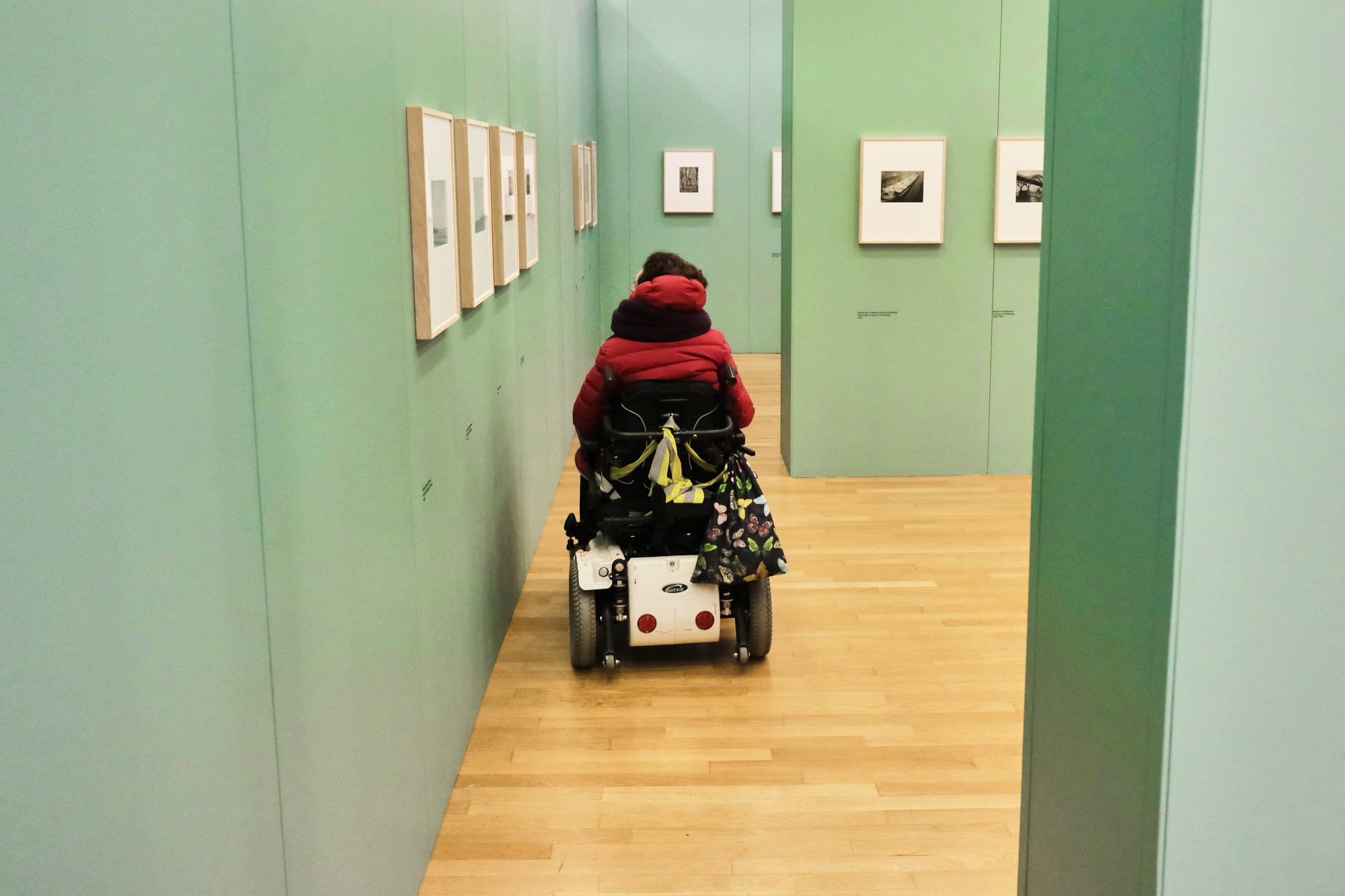
The technosphere cannot simply be cast as the villain of this story, because technology also allows bodies to enter places from which they would otherwise be excluded.
A wheelchair, a lift, a handrail or a stairlift is made from extracted materials and industrial processes, but its meaning cannot be reduced to its environmental cost. In two of the photographs, accessibility devices become quiet protagonists: one accompanies a visitor through a carefully designed gallery, while another waits beside an old staircase, reflected in the dark floor.
They remind us that the relevant question is not whether humanity should make things, as though withdrawal from the material world were possible or desirable, but what we choose to make, for whom, under which conditions and for how long.
This distinction matters whenever sustainability is translated into design or fashion. Less material use is essential, but reduction without justice can preserve privilege while restricting access for others.
A durable object that serves a genuine need, can be repaired and remains in use may deserve its material cost more than an apparently modest object produced for rapid replacement.
Responsibility begins before an object is made and continues beyond the moment of purchase, involving design, labour, maintenance, attachment and the possibility of another life.
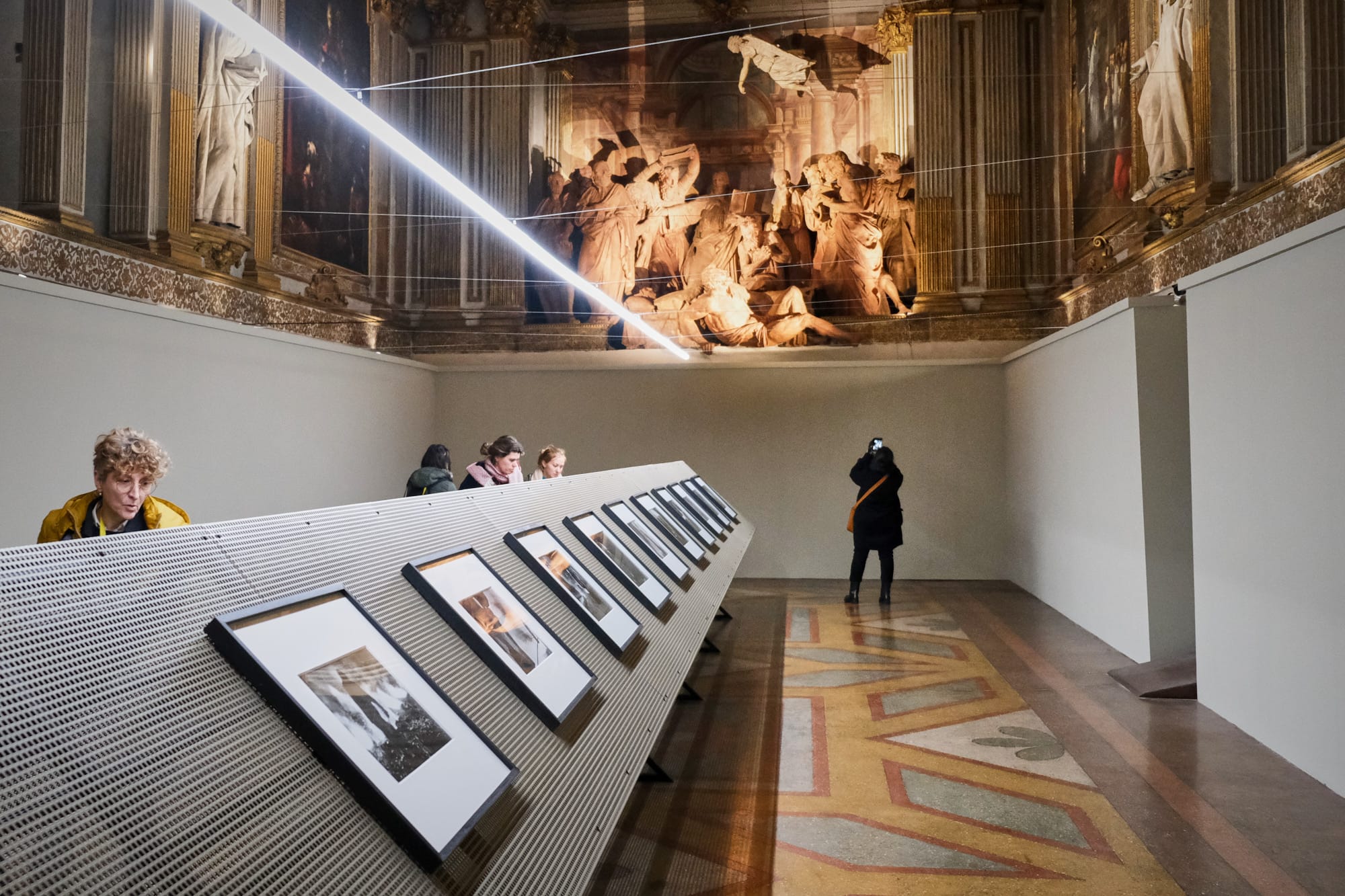
The exhibition spaces in Bologna made these layers visible. Contemporary partitions were inserted into old buildings; illuminated screens stood beneath painted ceilings; photographs of industrial interiors were arranged against brick vaults; cables, lights and security equipment passed through rooms that had already survived several uses.
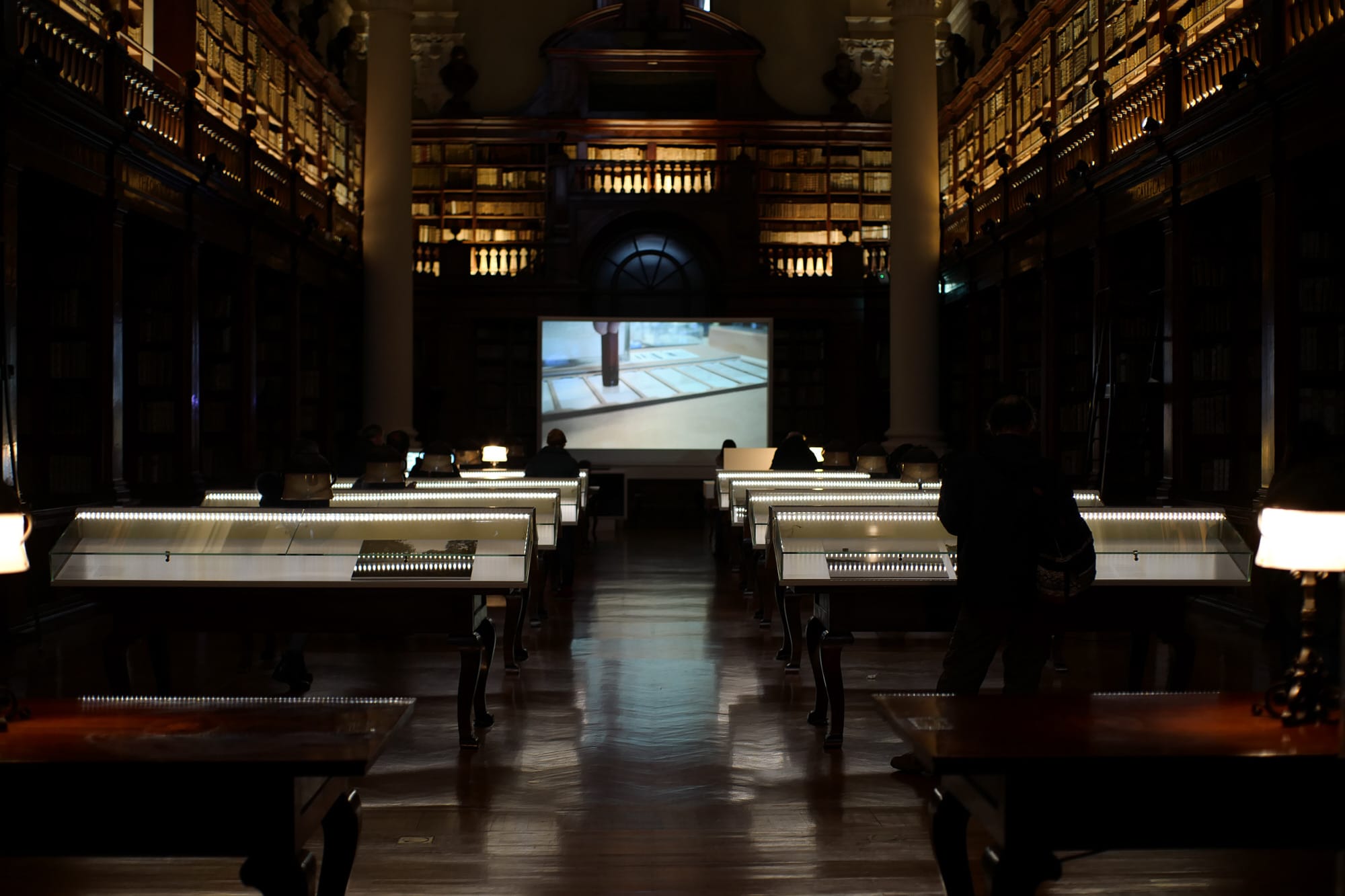
The contrast was not only architectural. It revealed that the technosphere is never built once. Each generation inherits structures, modifies them, covers certain traces and exposes others.
Libraries, archives, museums and photographs are themselves attempts to resist dispersion. They gather fragments and preserve arrangements that time would otherwise separate, although preservation is never passive.
A photograph needs a surface or a screen; an archive needs space, classification, climate control and care; a digital file needs storage, migration and electricity. Memory has a material cost, but that does not diminish its value. It clarifies the responsibility involved in deciding what a society keeps and what it allows to disappear from view.
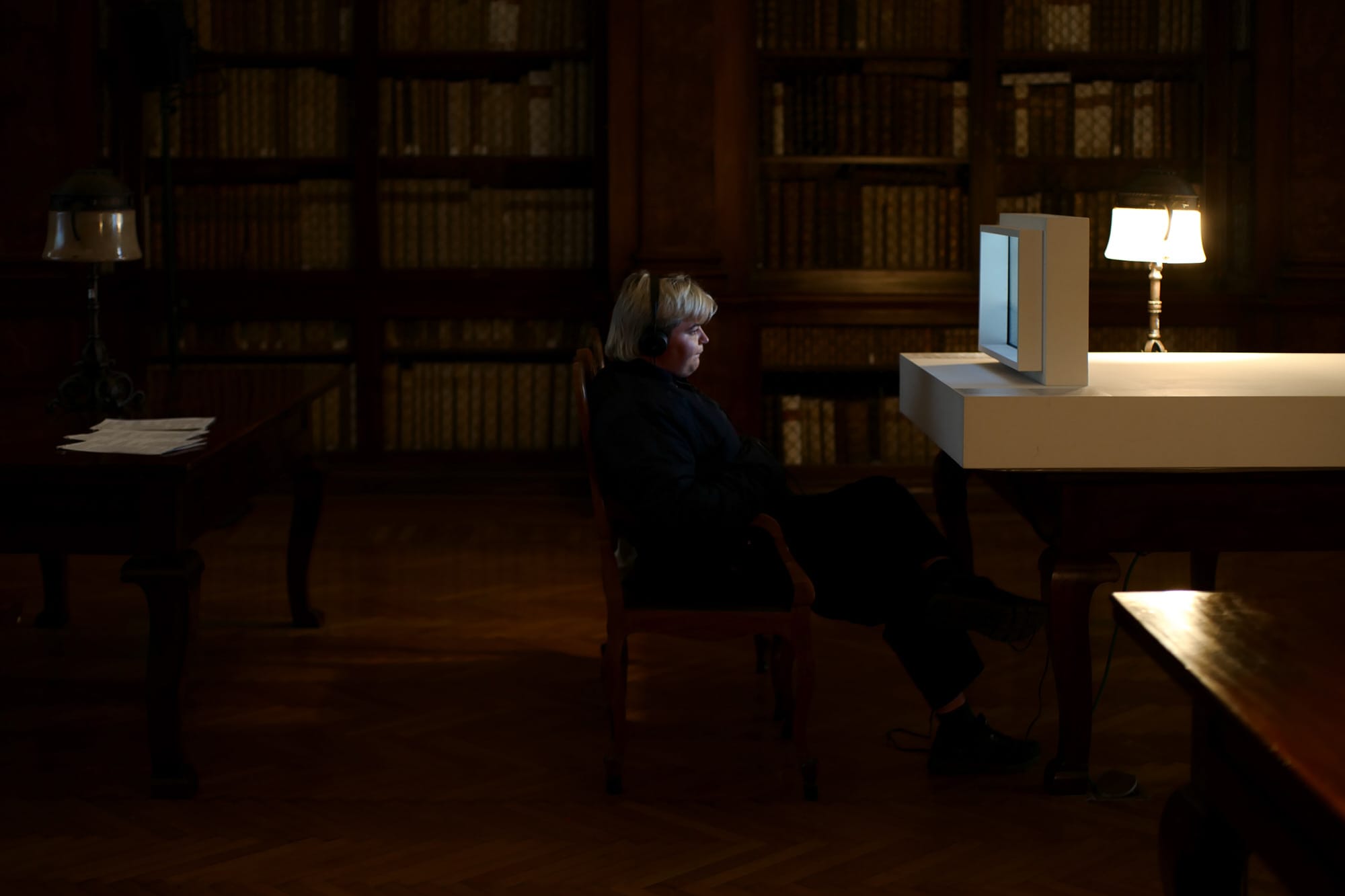
The industrial photographs in these rooms preserve more than machines or buildings. They hold working arrangements, gestures, tools and forms of knowledge that may already have changed by the time the image reaches the wall.
Photography cannot stop this transformation, but it can keep a relationship visible long enough for someone else to encounter it. The visitor standing before the image adds another layer, bringing a different life and historical moment into contact with what has been recorded.
This is also the territory from which A Bag of Stories begins. In fashion, we have become exceptionally skilled at presenting materials as beginnings: a new collection, a new season, a new object whose previous lives have been removed from sight.
Yet every fabric arrives with a history, whether that history is acknowledged or not. When an existing material is returned to use, the achievement is not that waste has magically disappeared or that a single object has solved an environmental crisis. Its value lies in delaying dispersal, extending usefulness and carrying forward some of the energy, labour and memory already embedded in the material.
A bag can therefore be understood as a temporary arrangement rather than a final product. Its seams hold matter together for a while; care and repair can lengthen that interval; affection may protect it more effectively than novelty or technical performance alone.
Eventually it too will change, because no design abolishes entropy. The honest ambition is not perfect circularity but a more attentive form of continuity, in which materials remain useful for longer and their origins are not concealed behind the mythology of the new.
This does not offer the reassuring simplicity of saying that buying the right object will save the planet. Consumption cannot become an environmental virtue merely through language, and storytelling should never be used to decorate excess.
A story has value when it restores relationships that a product would otherwise hide: between a material and the place from which it came, between an object and the people who worked on it, between the present owner and those who may use it later. The object becomes meaningful not because it is innocent, but because its consequences are allowed to remain visible.
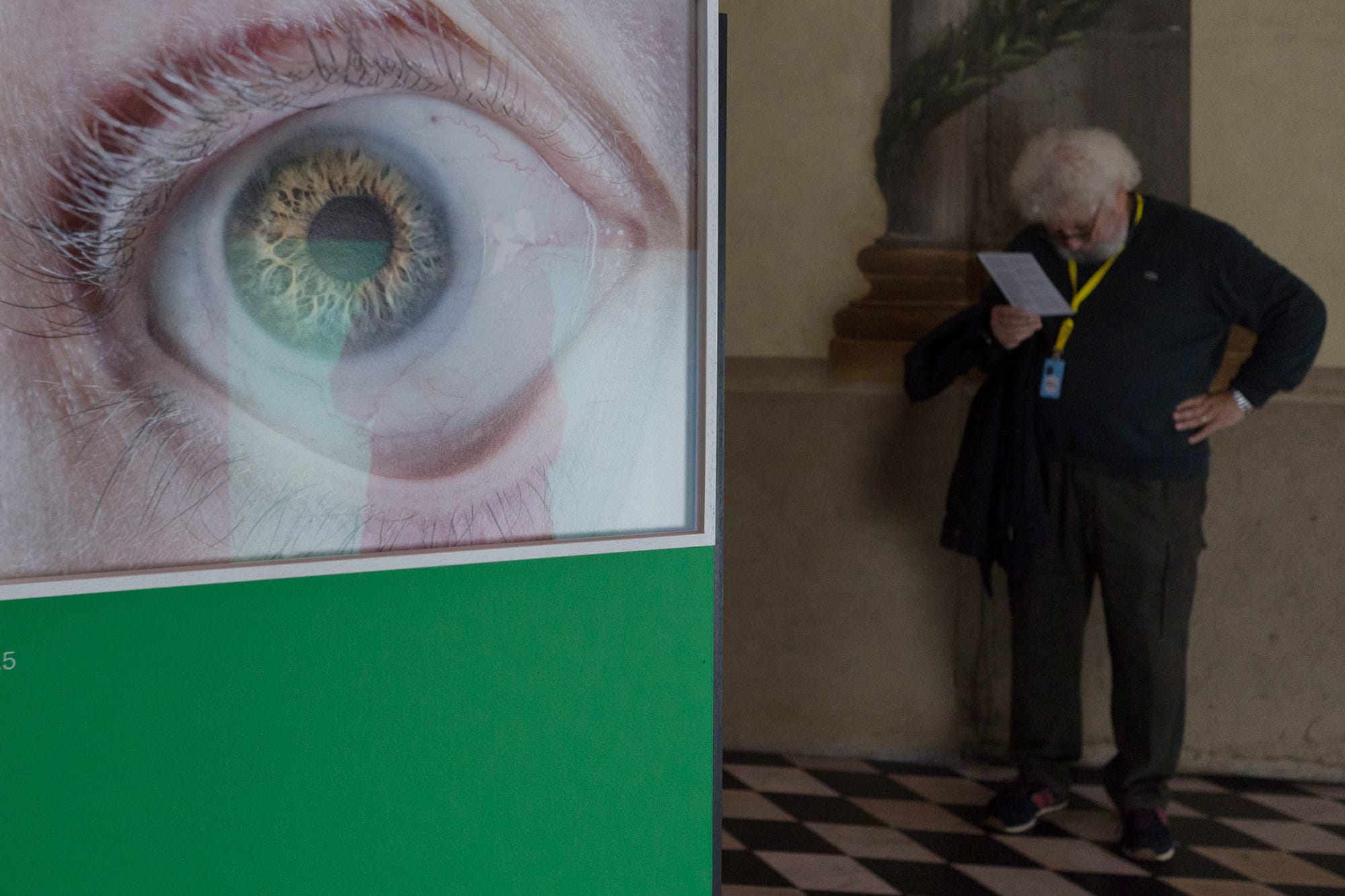
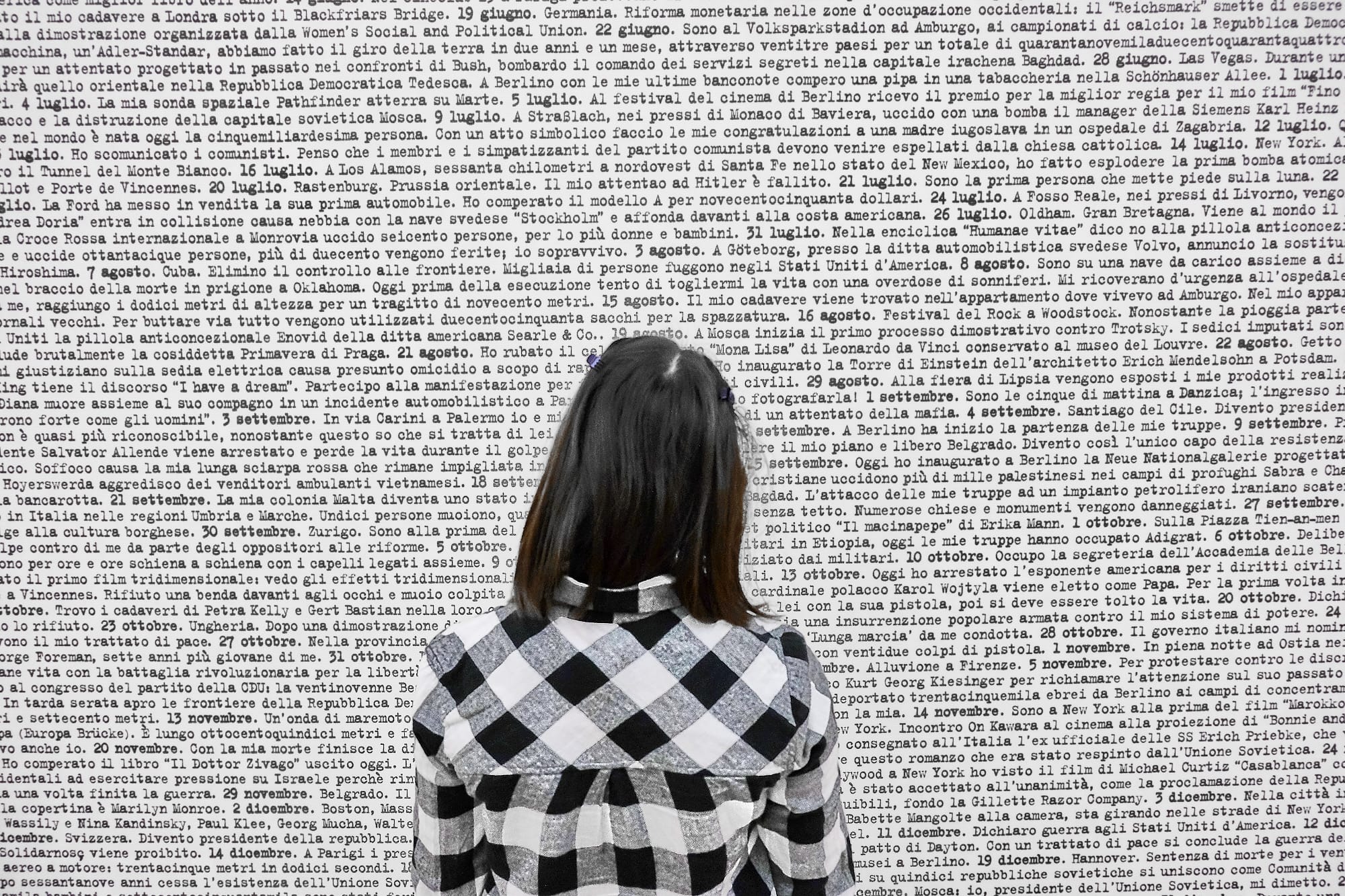
The last photographs return us to the act of looking. An enlarged eye fills one side of the frame while an older man stands in the background, leaning towards a printed page and trying to understand what he has come to see.
The eye appears to watch him, just as the exhibition watched its visitors and our cameras watched the exhibition. Seven years later, the same image watches us reopen the archive.
What remains from that day in Bologna is not a neutral record of a cultural event. It is a collection of material encounters: stone becoming architecture, resources becoming machines, labour becoming surfaces, landscapes becoming photographs and photographs becoming memory.
None of these transformations is complete, because each continues in the lives of the materials and people involved.
Nothing disappears. The quarry remains in the marble floor; the fuel remains in the atmosphere; the worker remains in the seam; the demolished building remains in dust, rubble and photographs. Some traces are easy to see, while others require patience, proximity and the willingness to look beyond the finished surface.
Perhaps our responsibility begins there: not with the fantasy of leaving no trace, but with learning to recognise the traces we create, deciding which ones are worth creating and caring for what has already entered the world.
Copyright and artwork notice
The artworks, photographs, installations, texts and other creative works visible within these images remain © their respective artists, authors and rights holders. They are shown here exclusively within an independent documentary and critical account of Foto/Industria 2019 in Bologna.
Ayzoh! claims copyright in the photographic documentation and compositions, but makes no claim of ownership over the works depicted. Every reasonable effort has been made to identify and acknowledge the relevant authors and rights holders.
For credit corrections, copyright enquiries or requests concerning a depicted work, please contact: staff@abagofstories.com.


Member discussion