


Why Acupé, why Capoeira
Capoeira was born of an oppressed people’s struggle for freedom. Throughout its history, Capoeira has been the art of those excluded from the mainstream — men and women who never stopped affirming their identity, rights, and cultural values.
For this reason, Capoeira carries an immense potential for inclusion. Around the roda, differences dissolve: origin, age, faith, or income no longer matter. To the rhythm of the berimbau, everyone becomes a citizen of the world — moving, creating, reclaiming dignity through art.
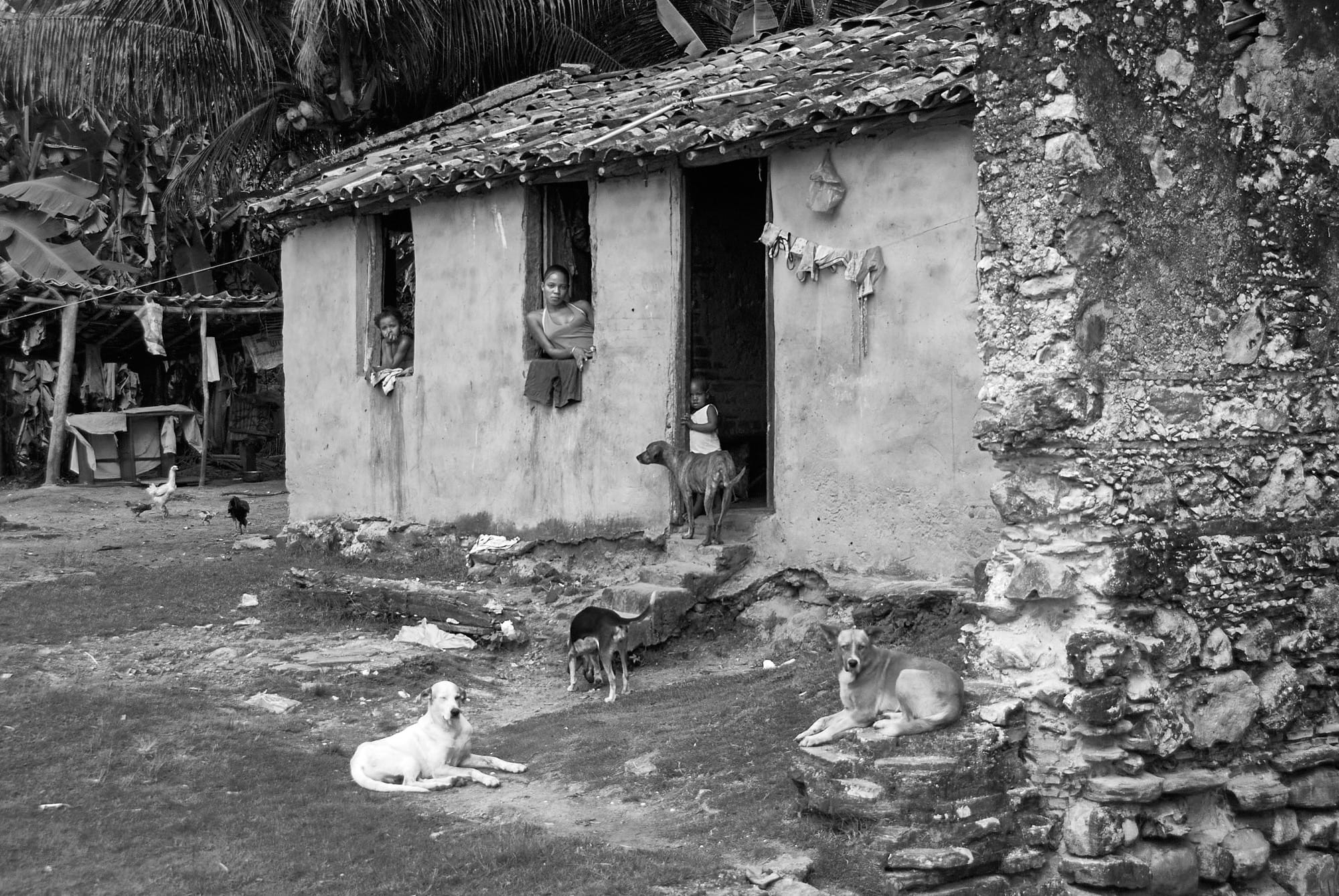
The Quilombo of Acupé
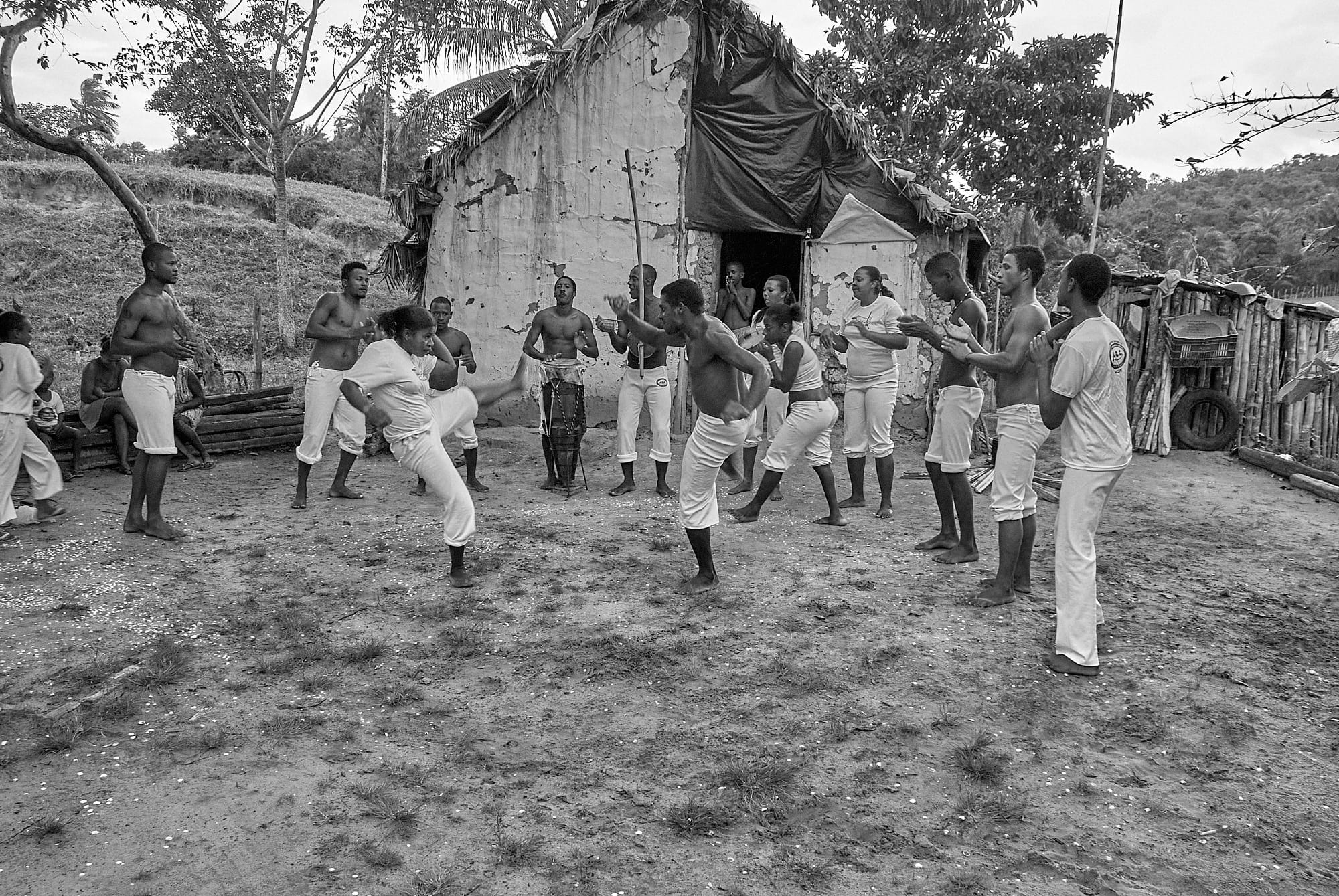
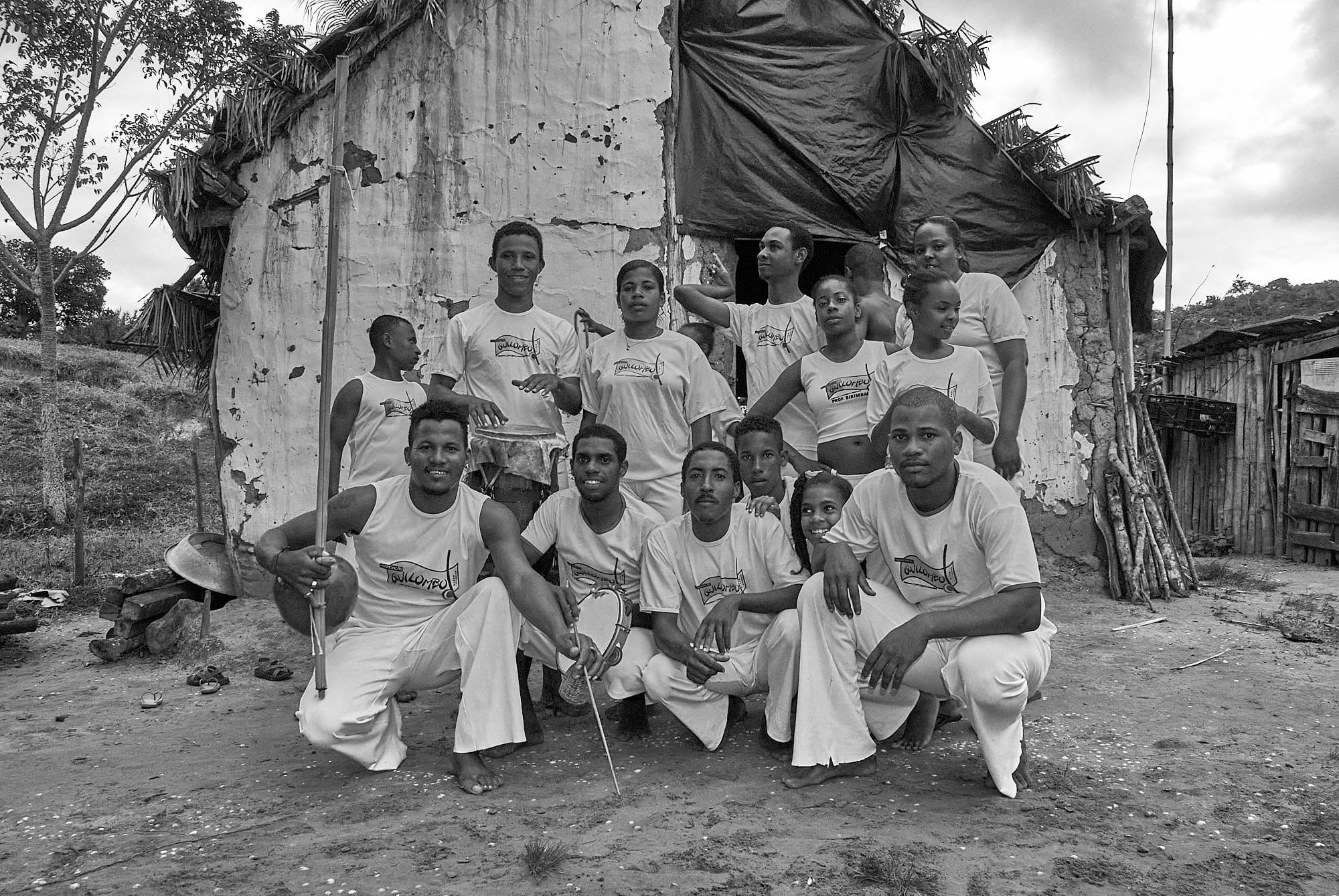
Acupé is a Quilombo close to the small town of Santo Amaro, in Bahia, Brazil. Here people find hope and a new meaning to their lives thanks to the discipline and energy of Capoeira, the Afro-Brazilian martial art which has inclusion at its very core.
Brazil is a land of contrasts — beauty and struggle side by side. We dance because we must, we laugh because it keeps us strong. From the favelas to the forests, we share the same heartbeat. Brazil is not perfect, but it teaches you how to survive with grace.
Bahia is rhythm and salt. It’s where the ocean and the drums never rest. Here, faith mixes with sweat, and joy hides in every detail. Bahia is our mother — loud, warm, unpredictable. When I leave, I miss even the wind. It smells like freedom and roasted corn.
Acupé is small, but it holds the world. The tide decides our days, and the streets know everyone’s story. Sometimes life is hard, yet we keep singing. The children run barefoot, the elders tell old tales. Acupé isn’t on the map for many — but it’s everything to us.
They say Quilombo was born in the forests, but here it lives in our hearts. It’s the courage to stay, to rebuild, to sing. When I fish, when I play Capoeira, when I hug my children, I feel it. Freedom isn’t a dream — it’s what we protect every day.
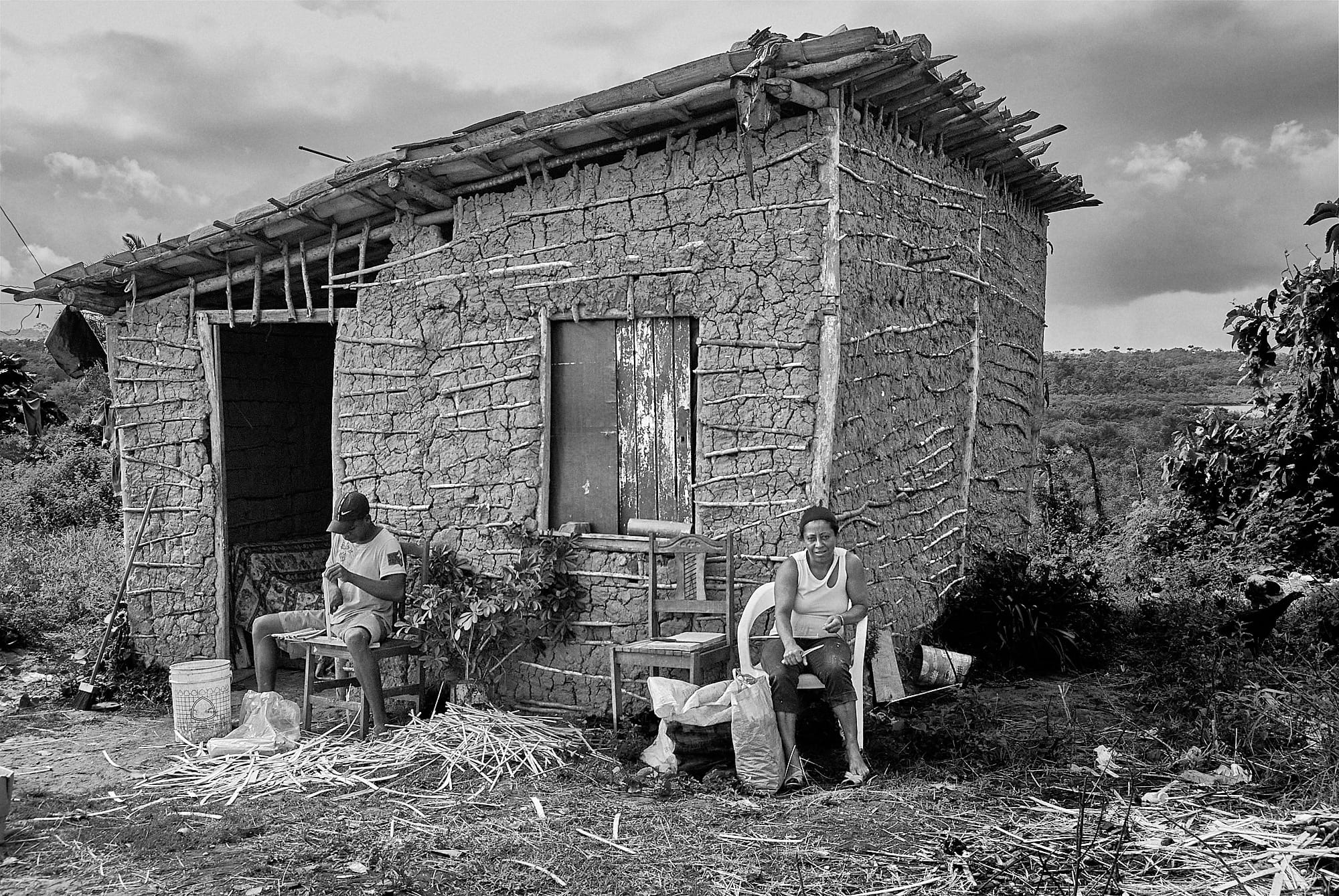
What is a Quilombo
A Quilombo is a community founded by people of African descent who escaped slavery in Brazil. During the colonial period, enslaved men and women fled plantations and sought refuge in remote areas — deep in the forest, along riverbanks, or hidden in the mountains — where they could live freely, protect one another, and preserve their cultural roots.
These communities were often small at first, but grew into complex settlements with leaders, councils, rituals, and shared systems of defense and production. In them, African, Indigenous, and Portuguese traditions blended to form a new way of life — a living testimony of resistance, creativity, and adaptation.
Quilombos became more than shelters of freedom; they were places where language, dance, food, and music evolved together. In their songs and rituals, people reimagined the meaning of liberty, turning exile into belonging and struggle into strength.
In my grandmother’s stories, a Quilombo was a hidden place of freedom. A refuge for those who refused to kneel. Here in Acupé, it’s not just history. It’s how we live — together, helping one another, keeping our roots alive. Every drumbeat still remembers that struggle and that pride.
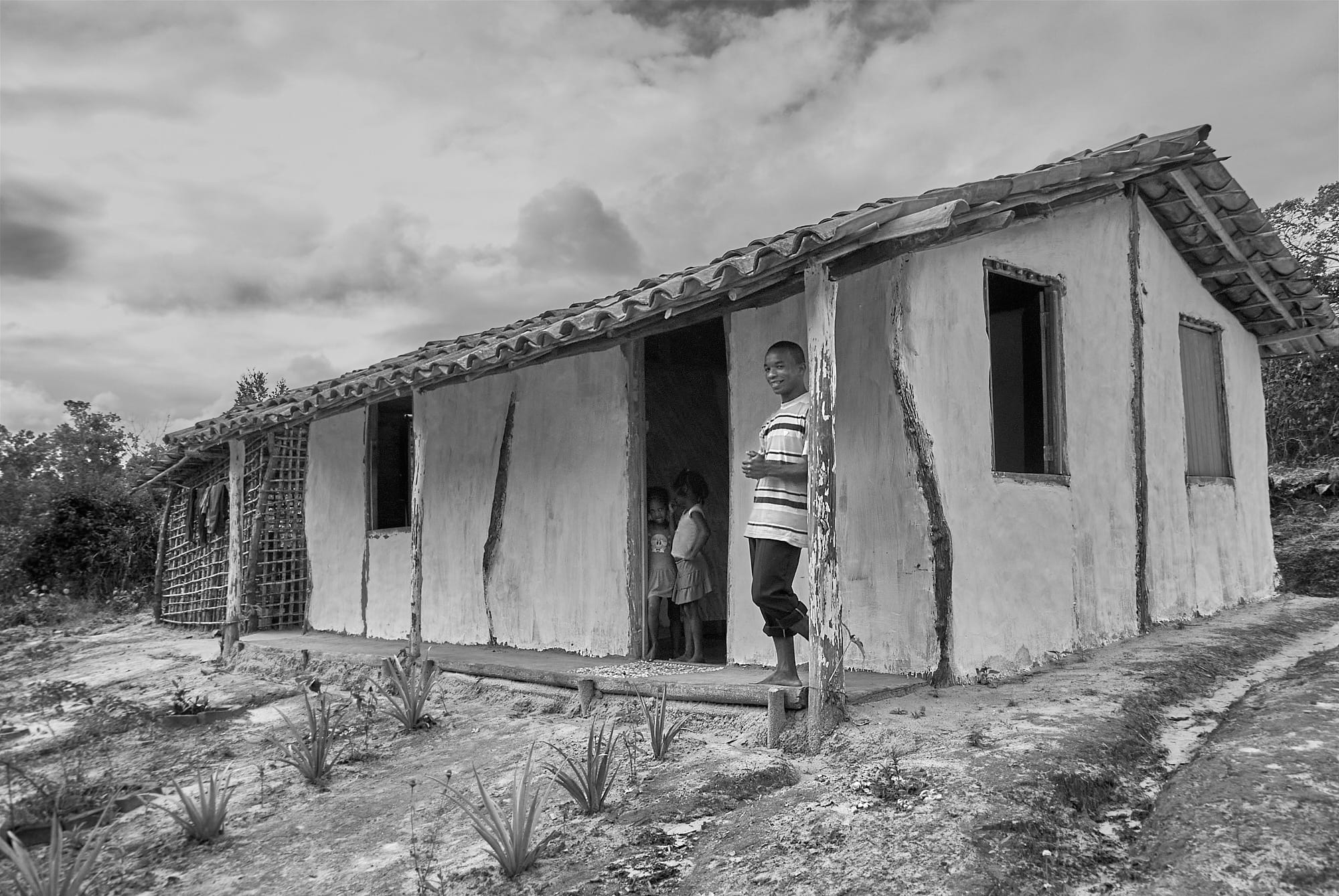
Even after slavery was abolished in 1888, the Quilombos continued to exist — not only as physical communities, but as symbols of dignity and cultural survival. Today, they are recognized by Brazilian law as territories of traditional peoples, and their residents are known as quilombolas.
Many Quilombos, like the one in Acupé, Bahia, still thrive as centers of community life, education, and art. There, the practice of Capoeira keeps alive the same spirit of self-determination that once gave birth to these refuges.
In every rhythm, in every movement, and in every child who learns to play, the legacy of the Quilombo endures — a quiet but powerful reminder that freedom is not only a right, but a daily act of creation.
For me, Quilombo means community — a place where nobody is left behind. It’s the smile of the neighbor who shares food, the dance that unites generations, the strength that comes from love. Acupé is our living Quilombo, where resistance turns into joy and history breathes through our steps.
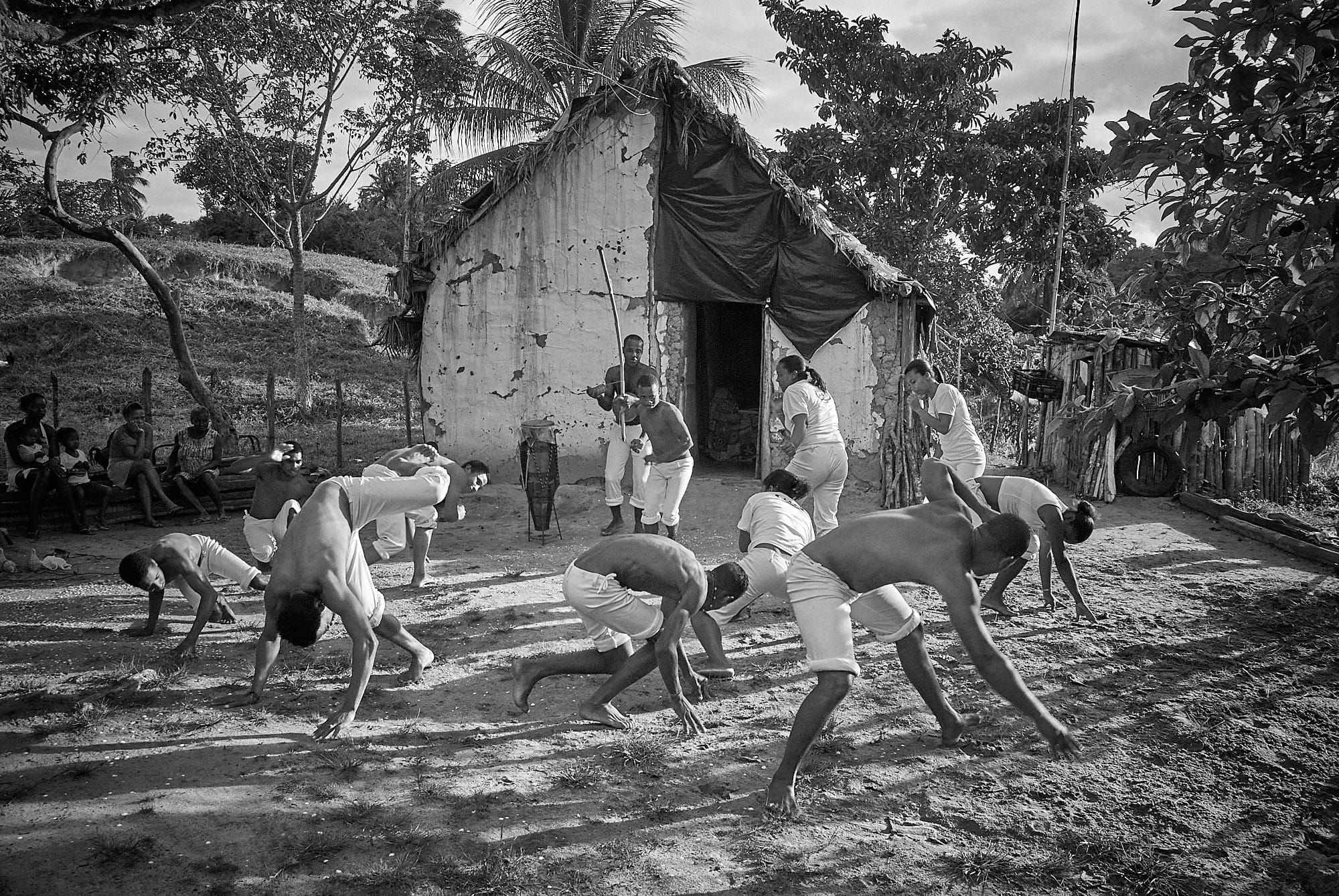
The Capoeira in Acupé
In the Quilombo of Acupé the Capoeira classes for underprivileged people and street children are both practical and theoretical, always emphasizing the playful side of Capoeira, including elements that are fundamental for education and for the development of the kids’ physical, mental, and moral abilities.
Capoeira helps develop motor skills and self-confidence, and it also helps on the cultural side as well as with social integration.
Through Capoeira, the kids have contact with people of different social classes, and we show them that there is no difference between them. In the Capoeira Roda everyone is equal; everyone wears the same uniform. You don’t know who’s an expert or who’s a beginner.
They see Capoeira as a profession, as an escape, as a shelter from drugs, from the street. According to educators who have more contact with the children, they attend more classes and become more interested in their studies and less interested in drugs; they understand that to be a capoeirista, you have to study and work hard.
Sometimes people think that Capoeira makes you more aggressive. On the contrary, the kids expend so much energy here that they don’t have any left to fight in the street.
Their communication skills improve because they have less of an inferiority complex; they feel equal to and closer to other kids.
The shy kids have become expressive and the hyper ones have become more relaxed. They are slowly understanding the concept of working with each other rather than against each other.
The origin of Capoeira
The origin of the word “Capoeira” is as shrouded in mystery as the origin of the art itself. Overall, there are three possible definitions and etymologies of the word capoeira — one Tupi-Guarani, one Portuguese, and one African.
Each etymology contains a corresponding theory about the association of the word “capoeira” with the dance-fight-game.
Tupi-Guarani:
nascent underbrush growing on an area of recently cleared scrubland. From caá or kaá (underbrush) + coêra, poêra or puêra [a form of the past tense that says that the current underbrush is not the one that it used to be; i.e. the scrubland was cleared and then reborn].
The theory is that slaves played capoeira in the scrubland, and that escaped slaves fleeing from the capitães-do-mato (officers sent to recapture them) hid in the underbrush and even used capoeira to defeat the slave hunters.
Portuguese:
big basket or cage in which capons and other birds are kept. From capão (capon, a male chicken castrated when young) + the suffix eira. This etymology suggests that slaves bringing cages of birds to sell at the market used to pass their time there by playing Capoeira.
African:
from the Kikongo word kipula or kipura. In the cultural context of the Congo, these words referred to sweeping ground movements used in martial arts.
The connection of this etymology to capoeira is through the movements, since the art of capoeira uses many ground movements and sweeps.
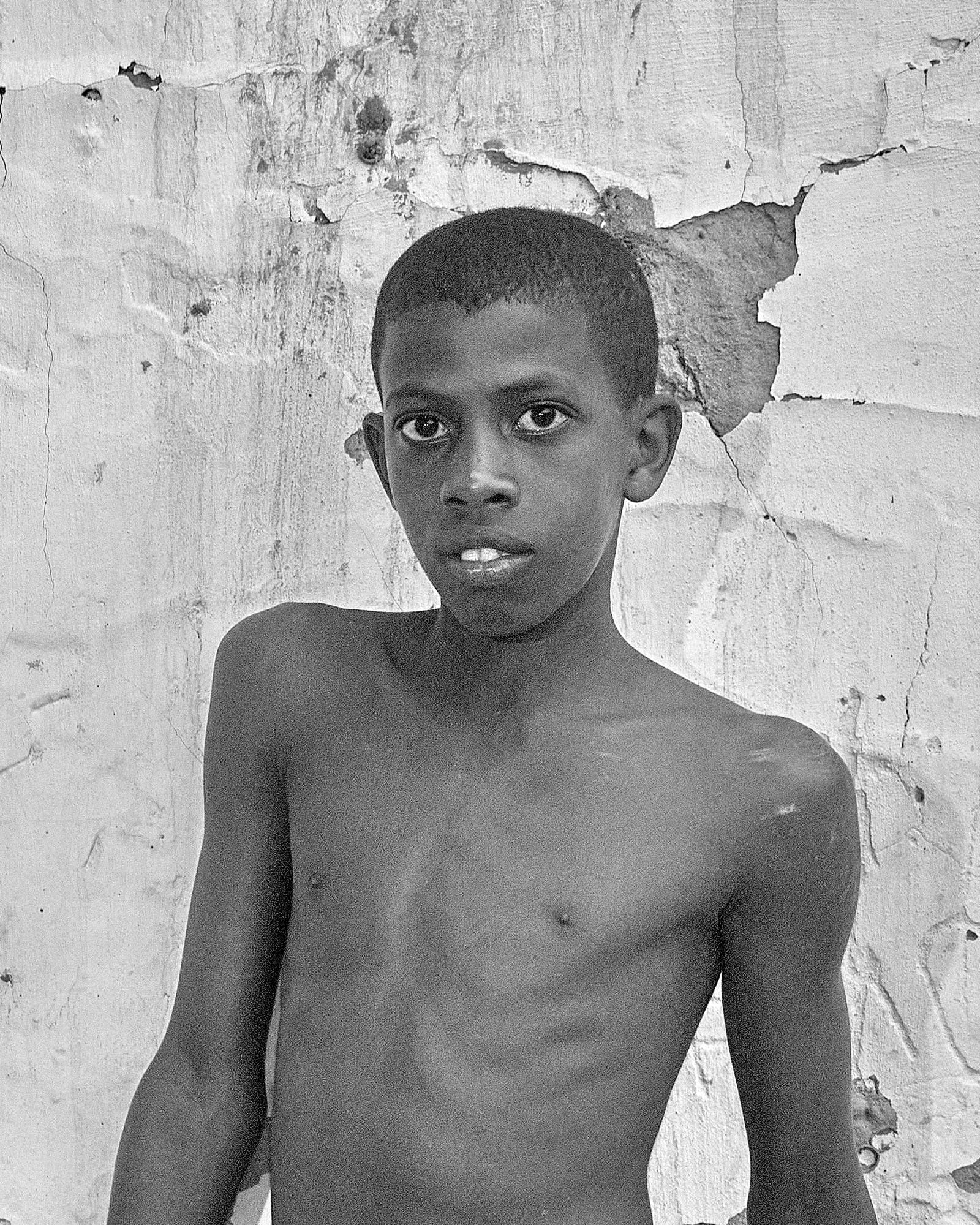
When I play, I forget hunger. I forget the cracks in the walls and the weight of the day. The berimbau calls, and my body answers. Here, I’m not poor or lost — I’m rhythm and air. Capoeira gives me what nothing else can: a space where I am whole.
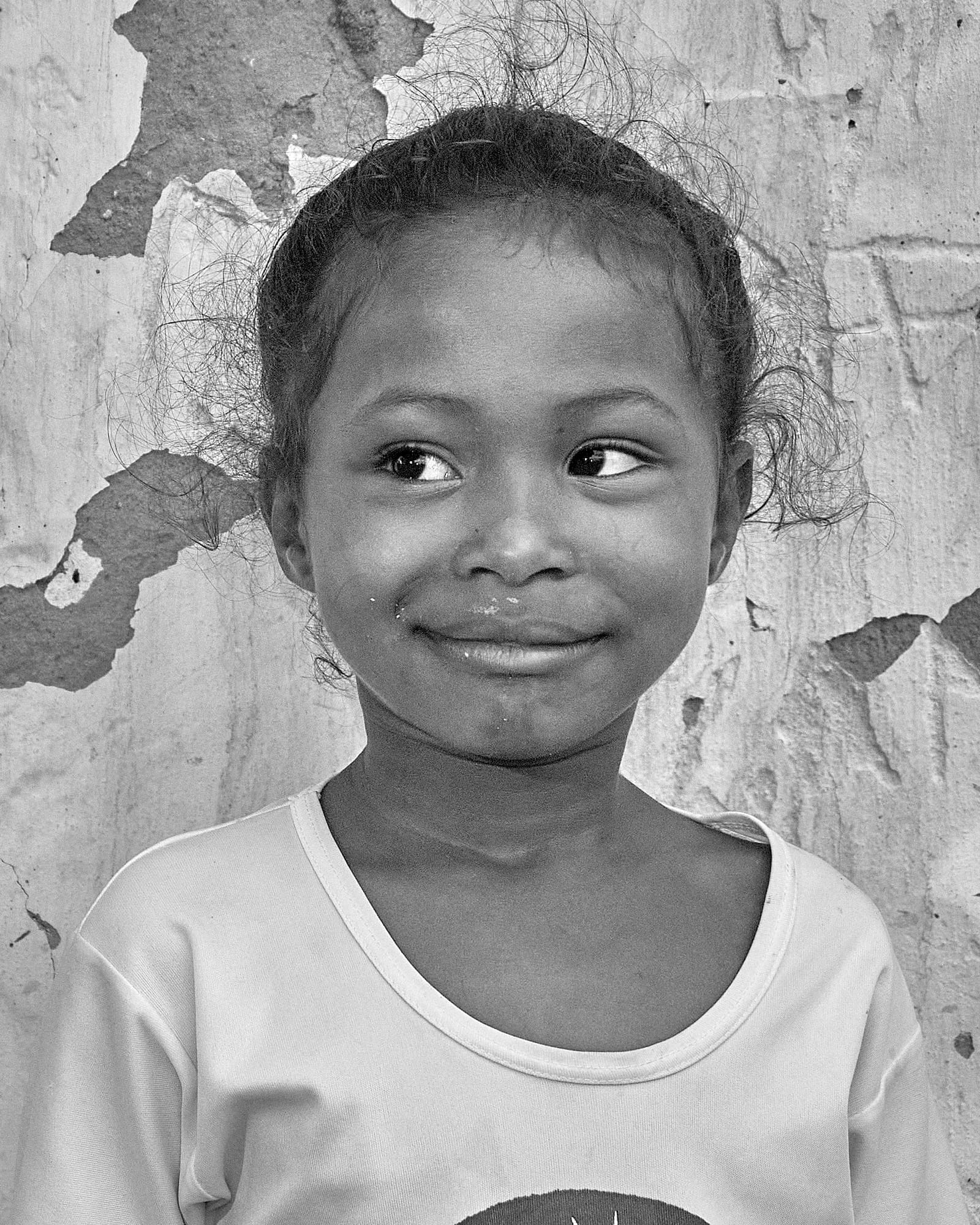
In Acupé, time is slow, like the ginga. We have little, but we have rhythm. Capoeira is our clock: morning training, afternoon singing, evening stories. The city forgets us, but the sound of the atabaque reminds us who we are — not invisible, just far from the noise.
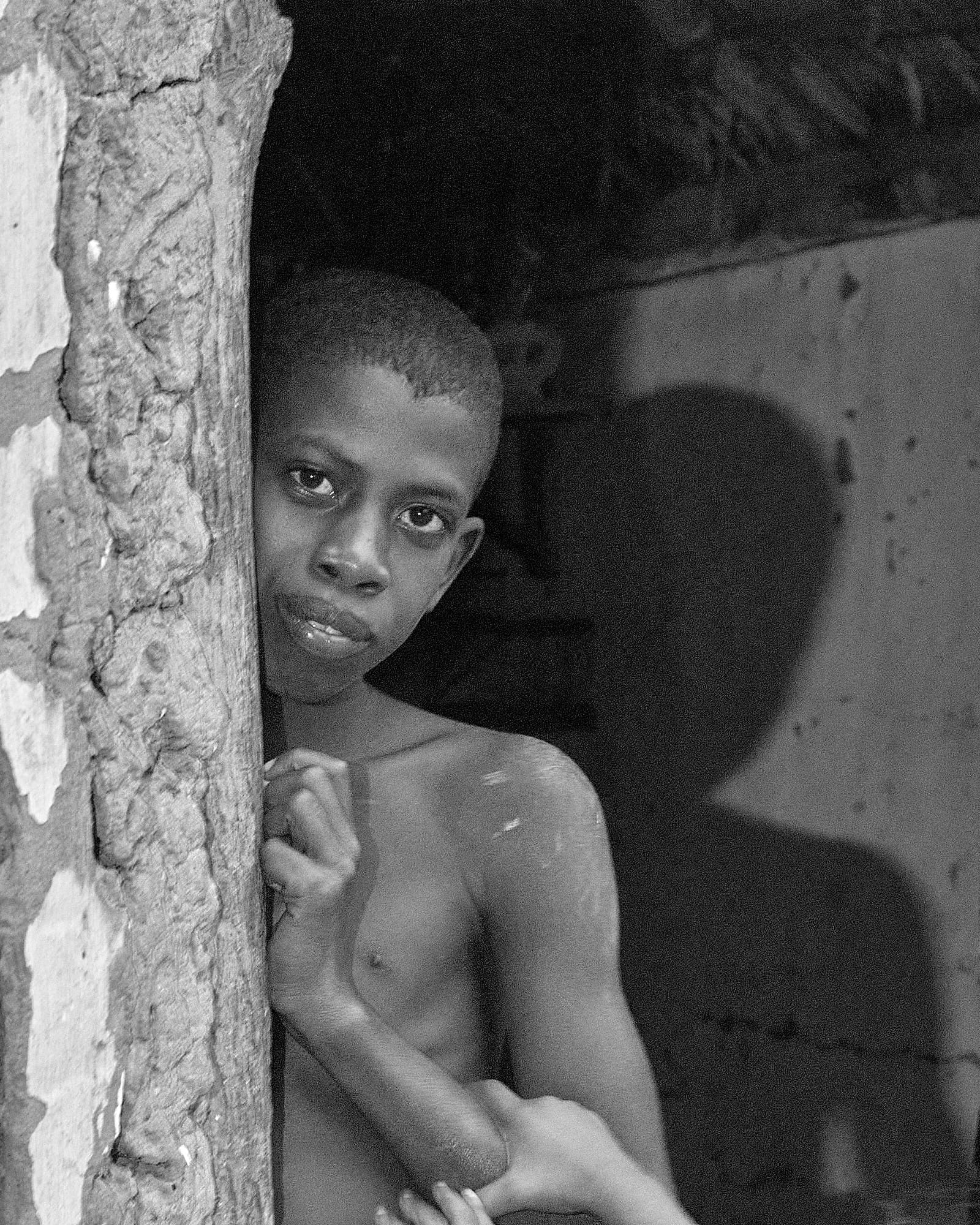
In Acupé, the nights are loud. Music, dogs, laughter, sometimes gunshots. But in the morning, we gather again. We sweep the yard, tune the berimbau, and start over. Capoeira isn’t a miracle. It’s just the stubborn hope that tomorrow we’ll still be here, still moving.
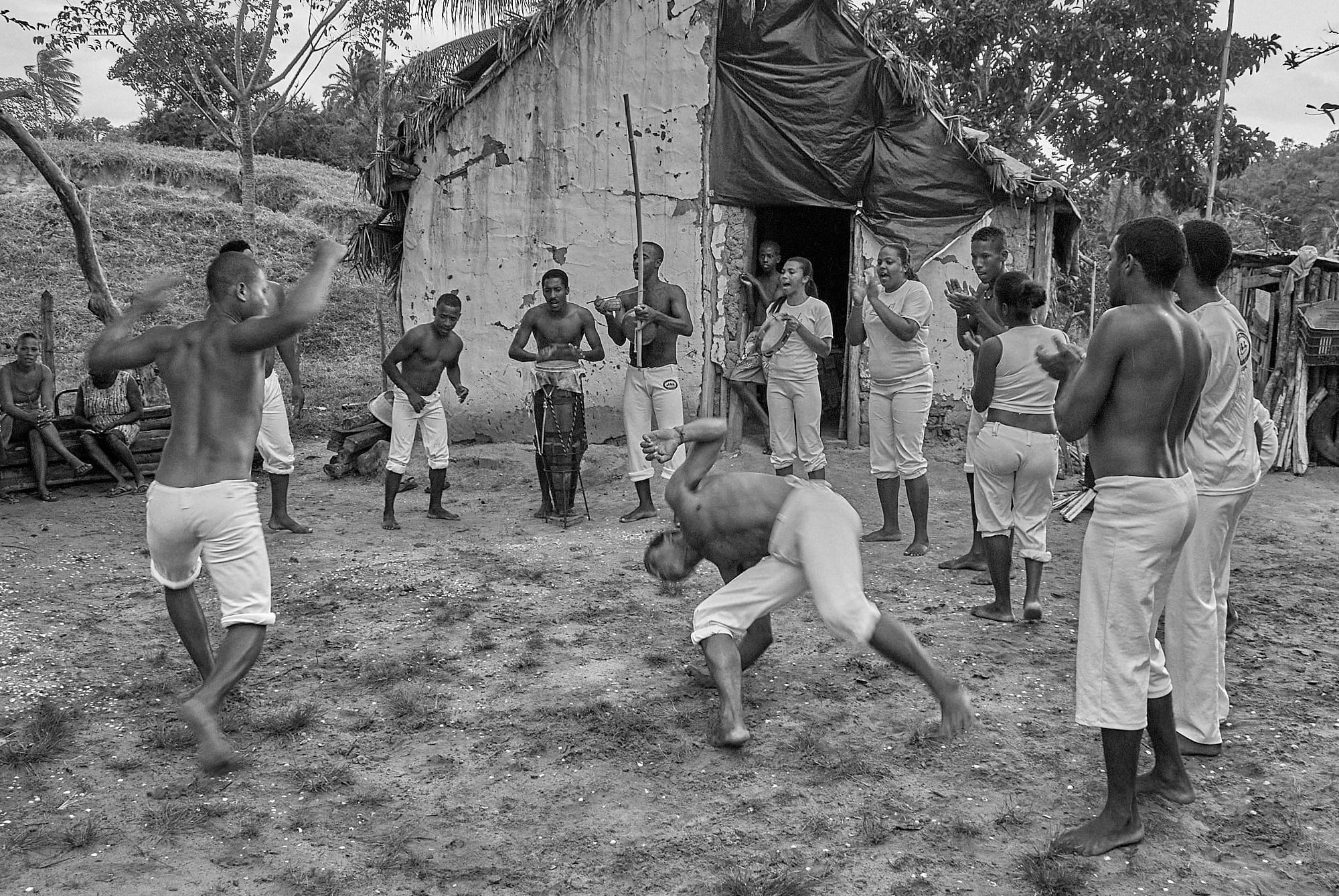
Is Capoeira African or Brazilian?
Both. The art clearly has African roots, but it grew and flourished in Brazil. Capoeira evolved from a combination of various African traditions and rituals.
The musical instruments originated in Africa, the musical rhythms are based on the ijexá rhythm of candomblé, and the pattern of call-and-response songs/chants is an African one.
The movements came from African dances and martial arts such as n’golo, bassula, and batuque, among others. However, the Brazilian influence on Capoeira cannot be denied. Capoeira as we know it did not develop in other countries that also used African slave labor. The songs are sung in Portuguese.
Mestre Bimba, a Brazilian of African descent, developed the style and teaching method known as Capoeira regional.
Finally, it was Brazilians who spread Capoeira throughout the world. Since Capoeira would not exist without either Brazil or Africa, the art is best described as “African-Brazilian.”
Over time, this dual identity became a symbol of resilience and creativity. Every roda reflects that dialogue between memory and reinvention — a circle where African ancestry and Brazilian culture meet in rhythm, body, and song.
In today’s Brazil, Capoeira is more than a martial art: it is a declaration of belonging, a moving archive of a people’s strength and freedom.
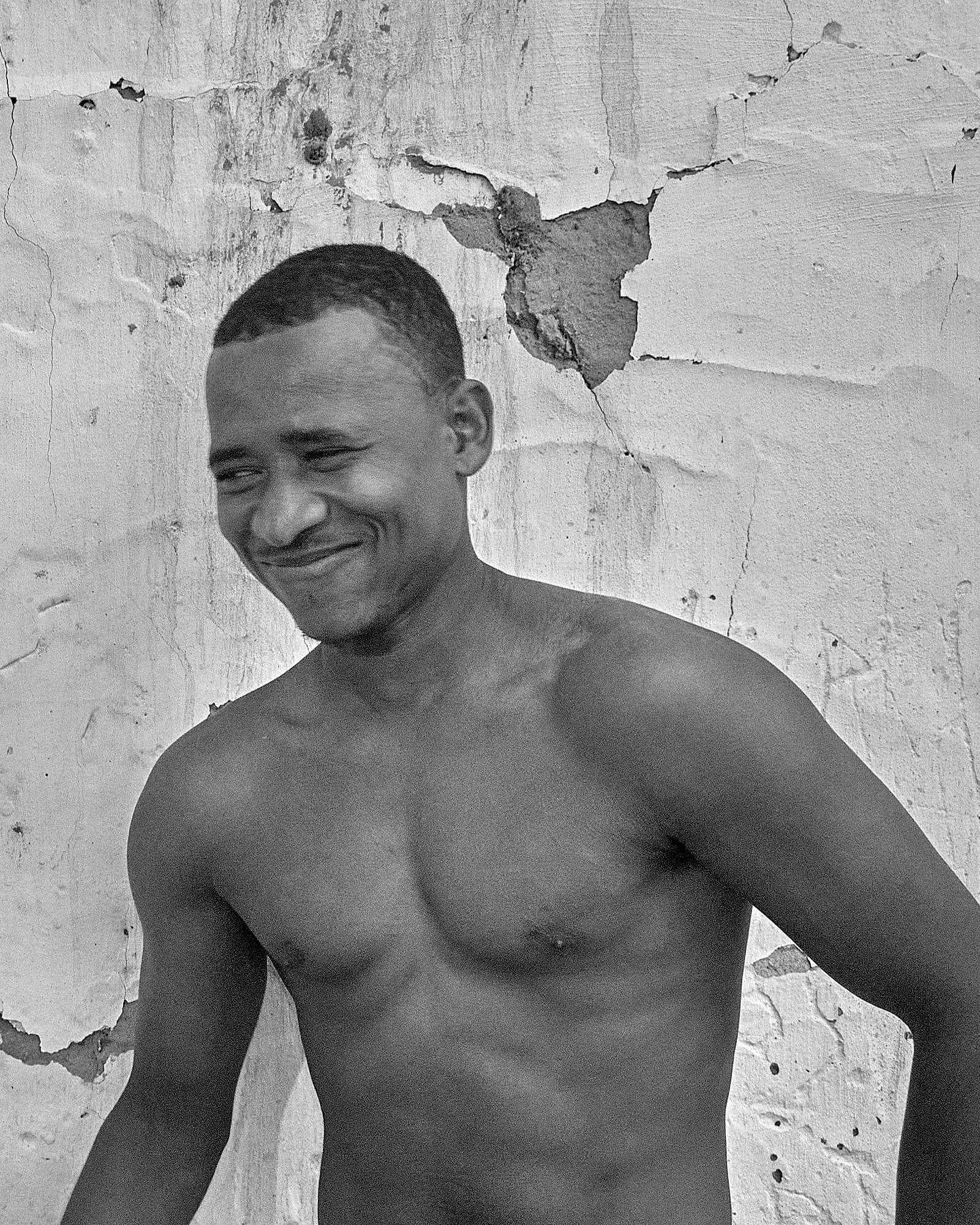
I’ve never left Bahia, but Capoeira takes me places. When I play, I travel through time — from the slaves who fought to breathe, to the friends who fight to live today. Every movement is a story, every drumbeat a road. My passport is my body.
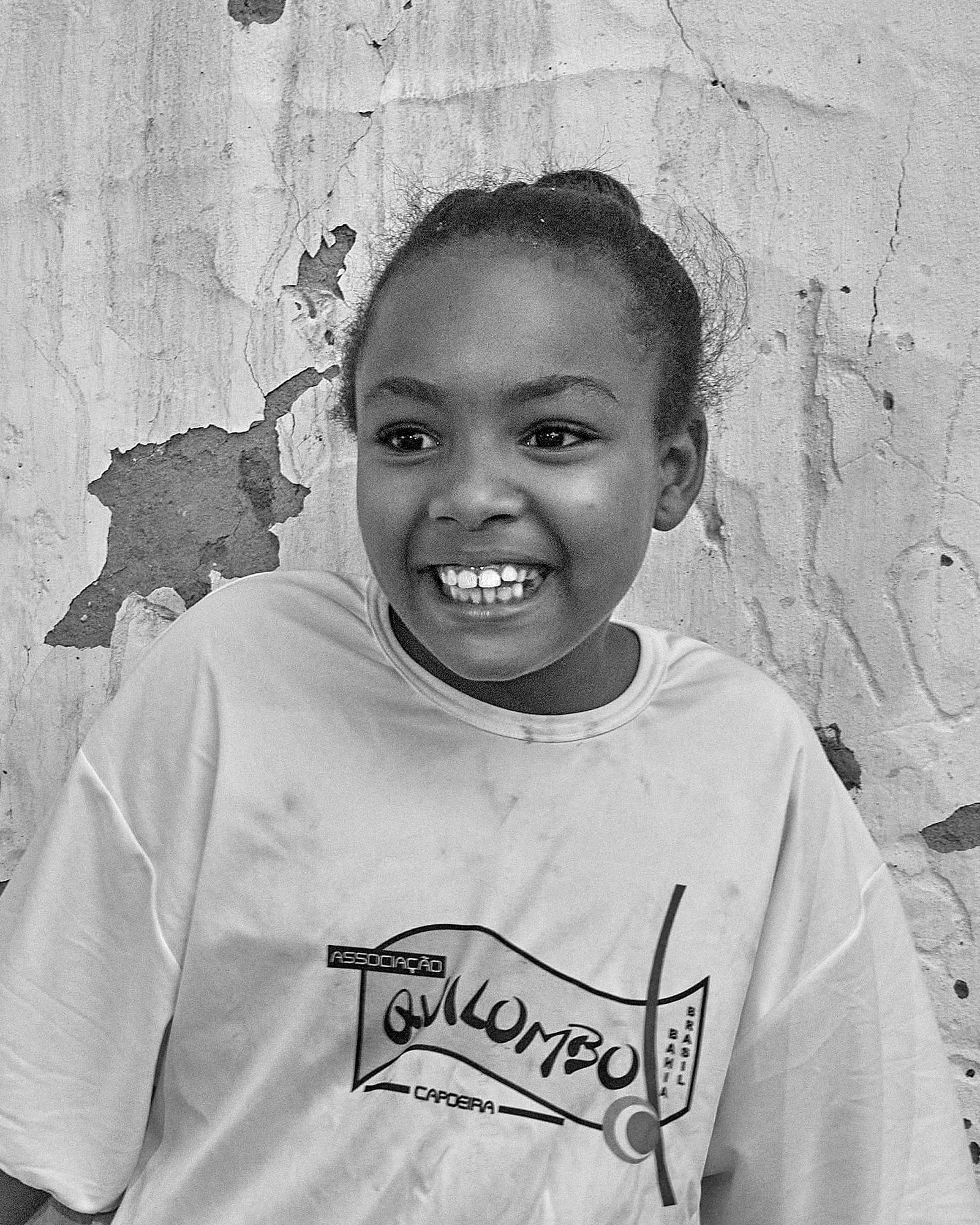
I didn’t know what Capoeira was. I just came because the drums were loud. Now I don’t miss a single class. I like the sound the berimbau makes — like the sea talking. When I grow up, I want to teach too. Mestre says the roda never ends, it just gets bigger.
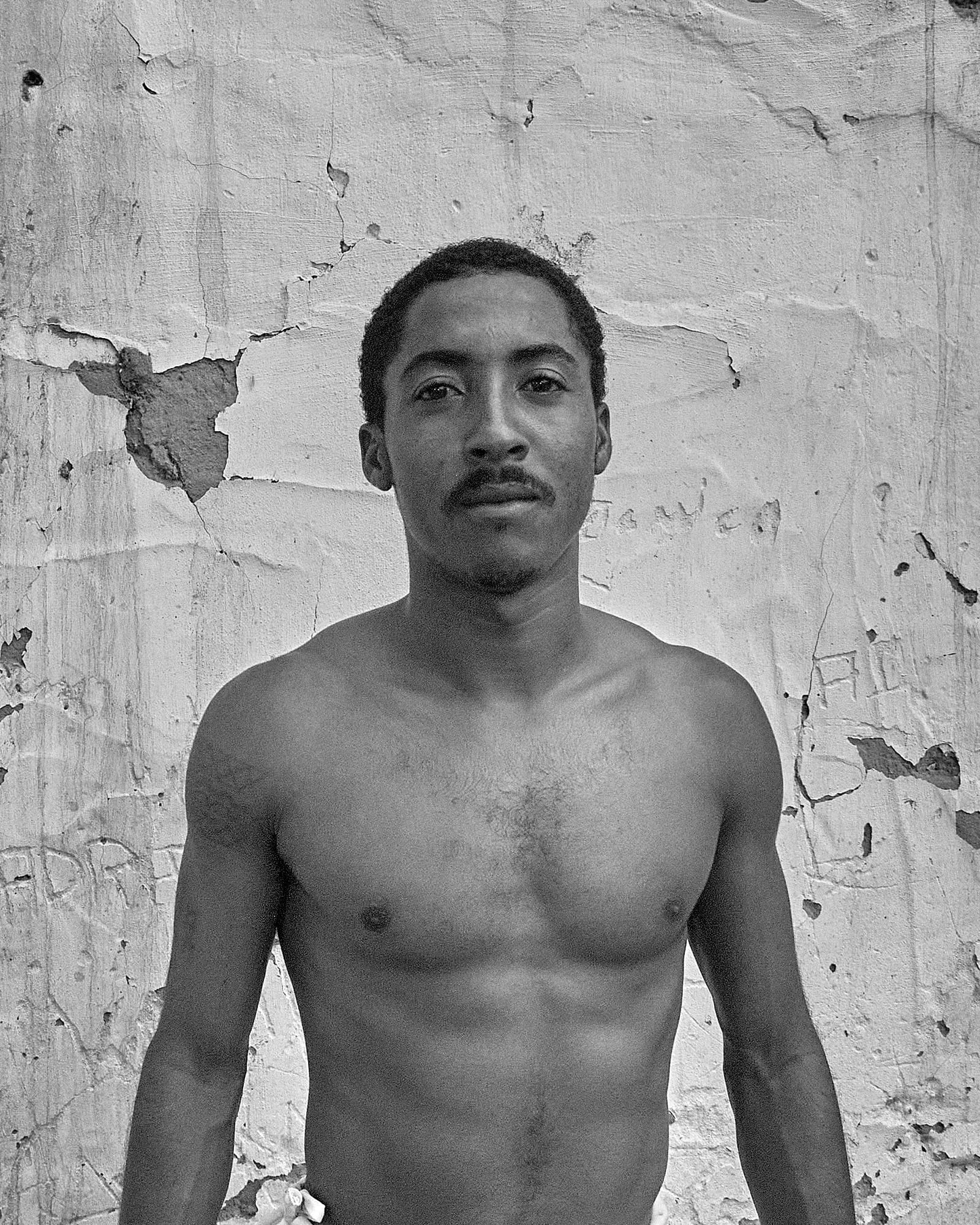
I can’t read well, but I can read a body. I can see when a player hesitates, when fear hides behind a smile. Capoeira taught me to listen with my eyes, to answer without words. Out there, I’m invisible. In here, I am fluent.
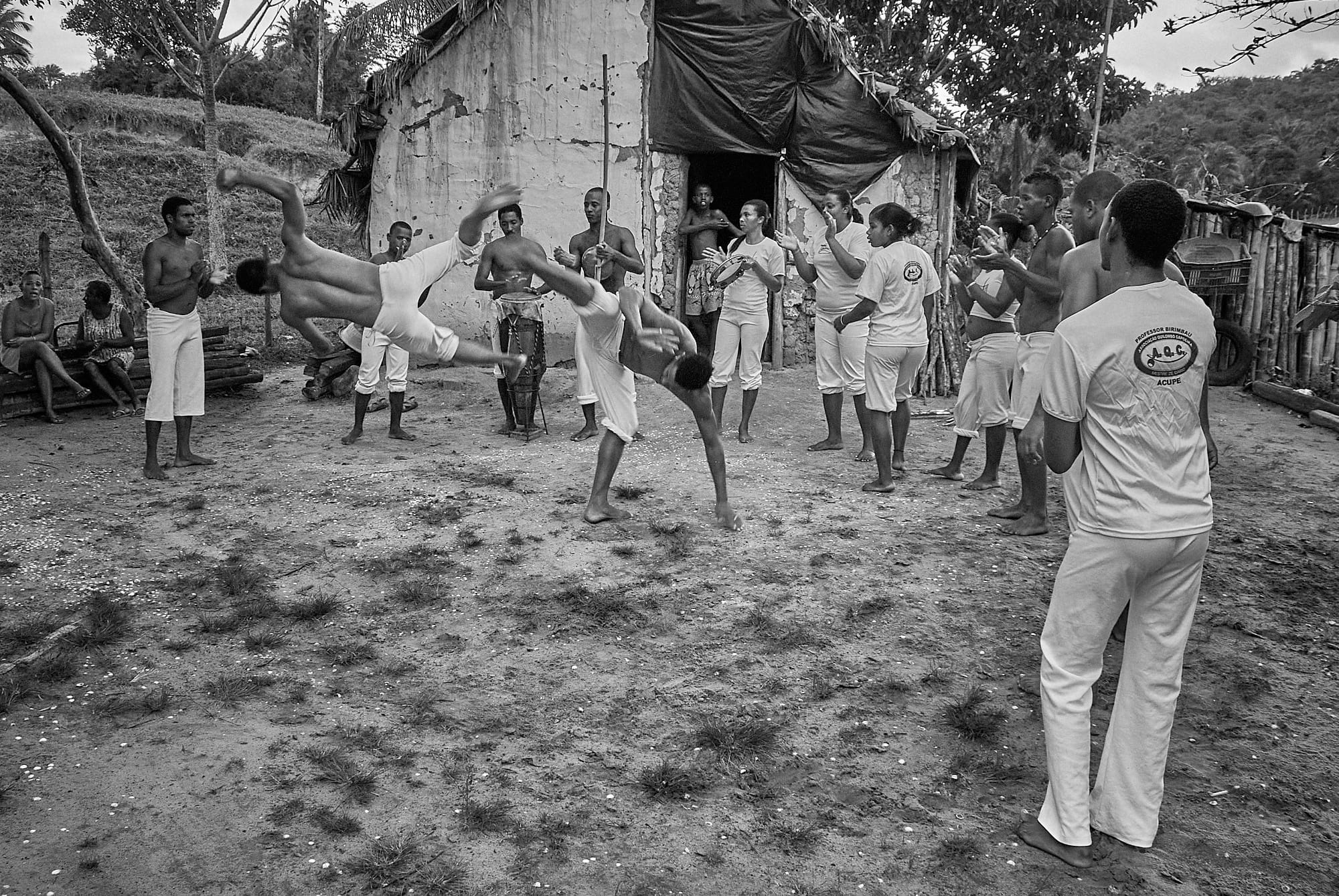
Capoeira’s main philosophies
There are many philosophies that guide the movements, music, and rituals of Capoeira. Some of the art’s underlying principles are understanding the complexities of human interaction, the importance of being ready for anything, the value of cleverness, and the strength of indirect resistance. These fundamentals are useful not only in Capoeira, but also in day-to-day life.
Interaction
Capoeira is a jogo — a game. This means it can be playful and cooperative, intense and competitive, or anywhere in between. A good way to think of Capoeira is as a conversation — it could range from a friendly chat to a heated argument.
A key element of Capoeira is interaction; you can’t have a conversation by yourself! The Capoeira game is like a series of physical “questions” and “answers,” and one player ‘wins’ when he asks a question that his partner cannot answer.
Yet even in competition, there is respect. The purpose is not to destroy the other but to communicate, to test balance, rhythm, and timing together. When two capoeiristas play, they are not enemies — they are partners in dialogue, shaping a shared moment of movement and music.
Movement and versatility
Capoeira places a high value on movement and versatility. The basic “stance” of Capoeira is not a rigid and immobile one as in some other martial arts, but instead a fluid, swinging movement called the ginga (meaning to swing or to sway).
Capoeiristas should always be moving, and strikes in Capoeira are dodged rather than blocked. Capoeira teaches one to attack and defend from any position — while standing, while on the ground, while upside down — and with any part of the body, including the head.
It is a three-dimensional art; its players practice moving in all directions in many different ways. A good capoeirista is adaptable and ready for anything. The constant motion of the ginga symbolizes life itself — balance through movement, stability through rhythm.
Deception and trickery
Deception, trickery, and cleverness are encouraged in Capoeira. It is better to be smart than strong; a good capoeirista is skilled at fooling the other player.
Some strategies include faking one kick but doing another, or pretending to be hurt so that the opponent lets down his guard.
Floreios (fancy movements) are used to trick the other player into thinking that one is vulnerable, when in reality one is fully prepared for defense and attack.
Players may also distract their partner by looking at or pointing to something outside the roda… the tricks one can use are limited only by one’s imagination.
Capoeira songs praise players who play with malandragem — that unique mixture of cleverness, irony, and grace that turns survival into art.
Indirect resistance
Finally, Capoeira’s philosophy retains roots in the goal of survival at all costs and in surprising ways. The art was created by slaves and developed on the streets by the poor and “undesirable” people living at the margins of Brazilian society.
These people battled their oppressors through a resistance that was necessarily indirect, since it was the fight of the weak against the strong. Thus, the capoeirista understands the futility of fighting force with force; instead, he uses his creativity to get around the ‘established rules of the system’ and win.
In this sense, Capoeira becomes more than movement — it is a language of resilience, an art of subtle rebellion where rhythm, wit, and grace replace confrontation.
It teaches that strength can come from fluidity, and that even under pressure one can still dance. To practice Capoeira is to learn how to live with awareness, to face life’s conflicts with flexibility and humor, and to transform struggle into beauty.
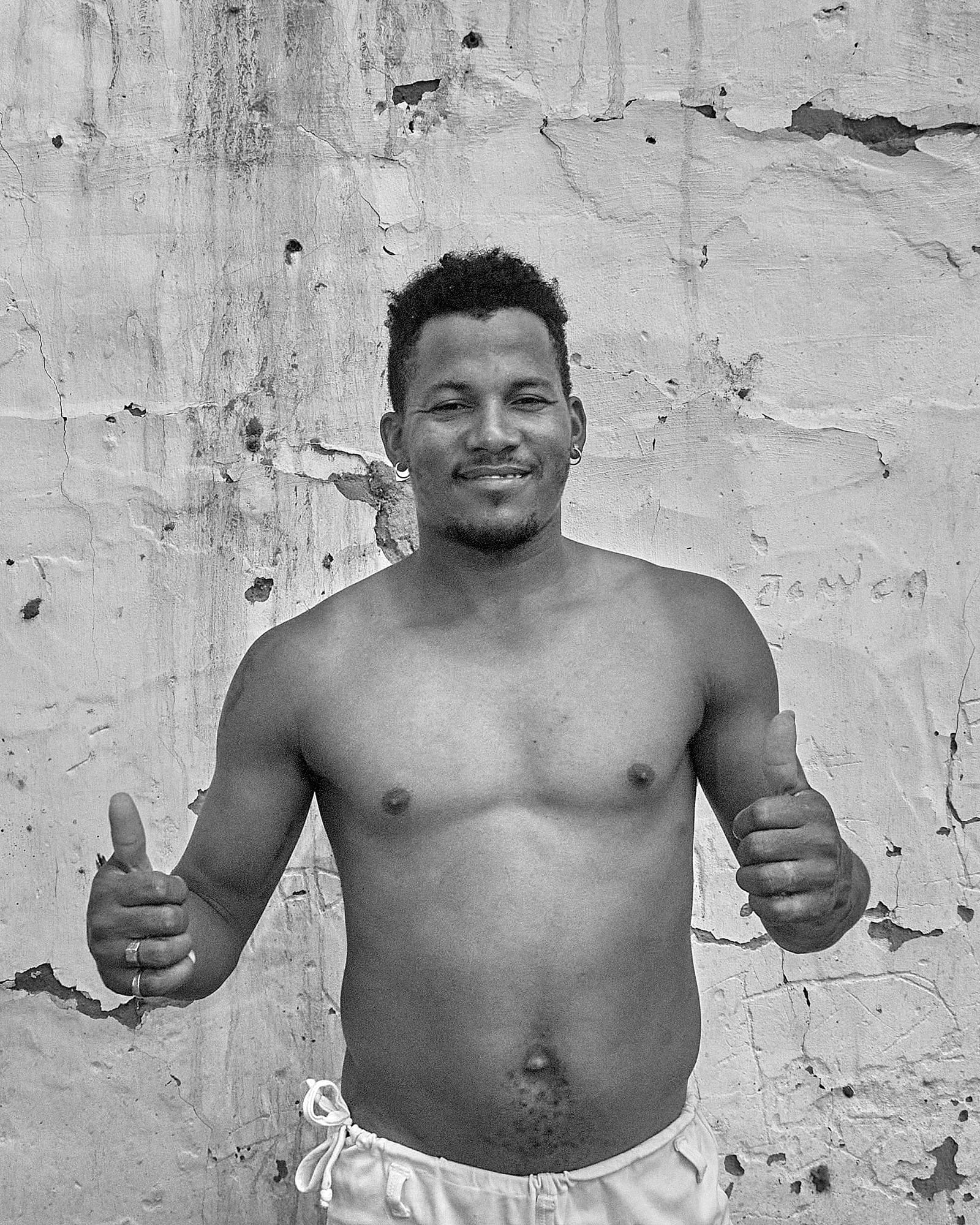
When I was little, I used to hide from the police under this same tree. Now I teach the kids how to dodge kicks instead of fear. We laugh, we fall, we get back up. In the roda, they learn something I never had: the right to take up space.
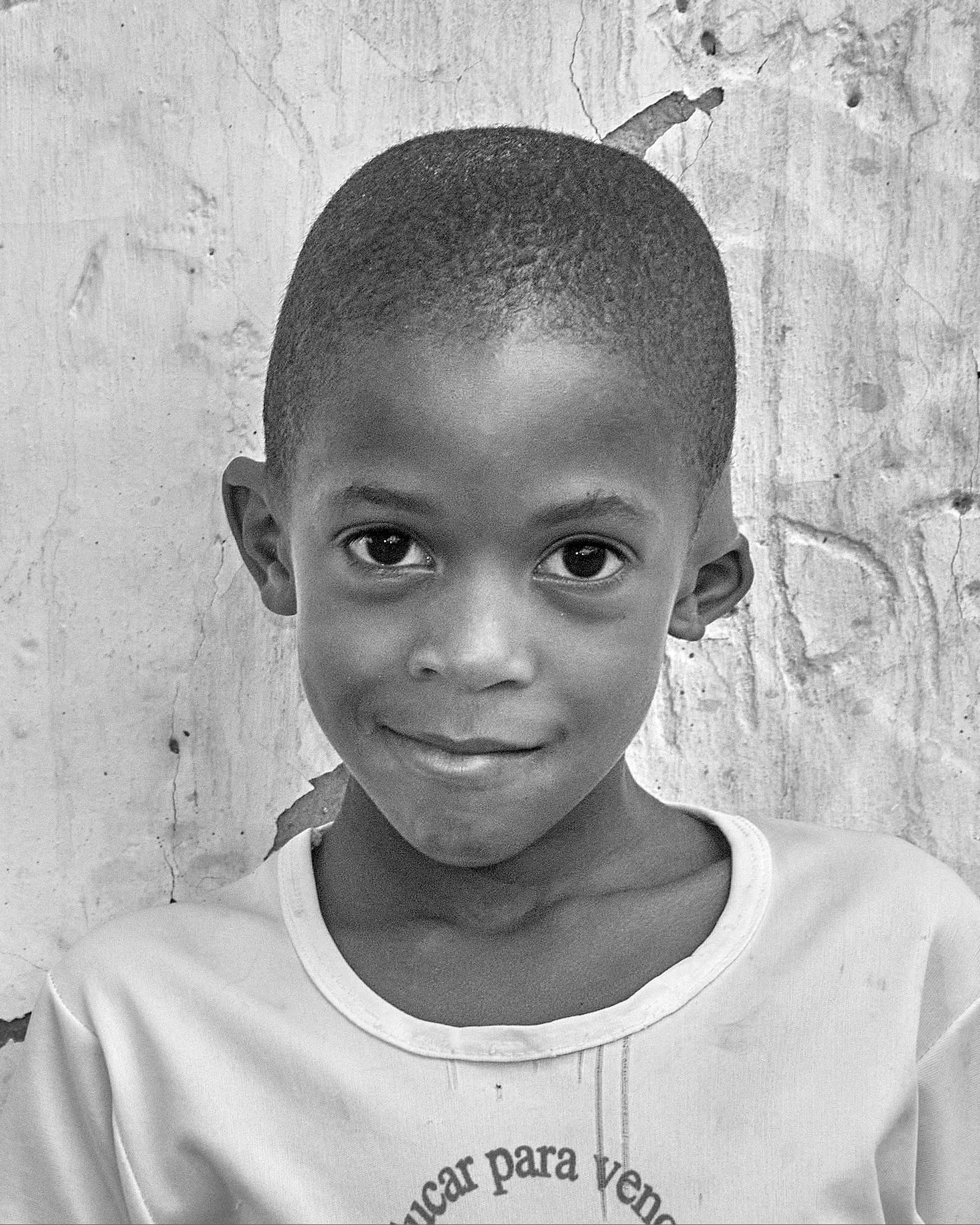
When I play Capoeira, I feel tall. Taller than the church, taller than the mango tree. The music makes my feet light and my head full of colors. Mestre says I’m still small, but when I do a flip, I fly. Maybe one day I’ll never come down.
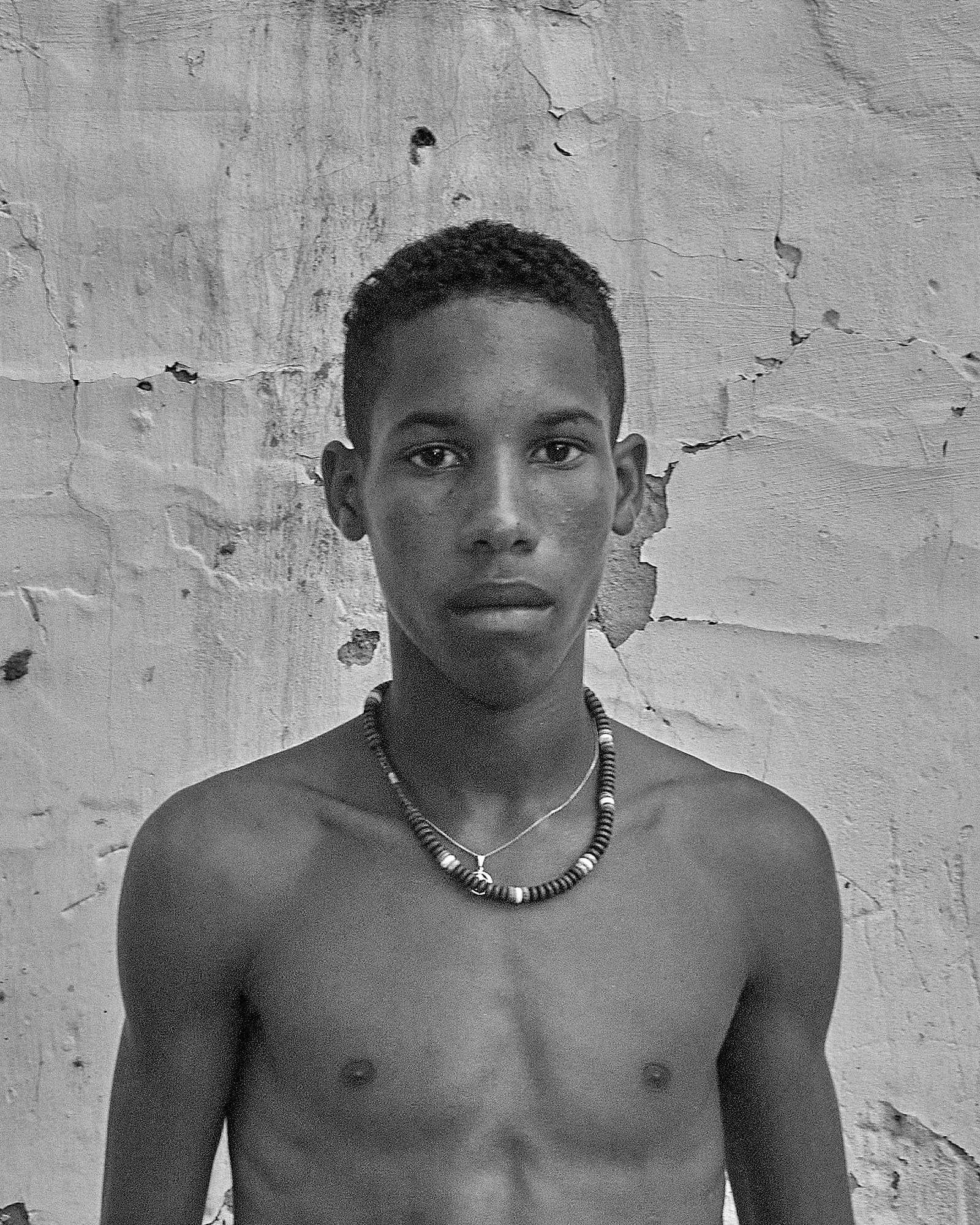
I never met my father, but I met Capoeira. It taught me the same thing I imagine he would’ve said: stand tall, move light, don’t hit first. Sometimes, when I play, I feel like I’m dancing with him — a conversation we never got to have.
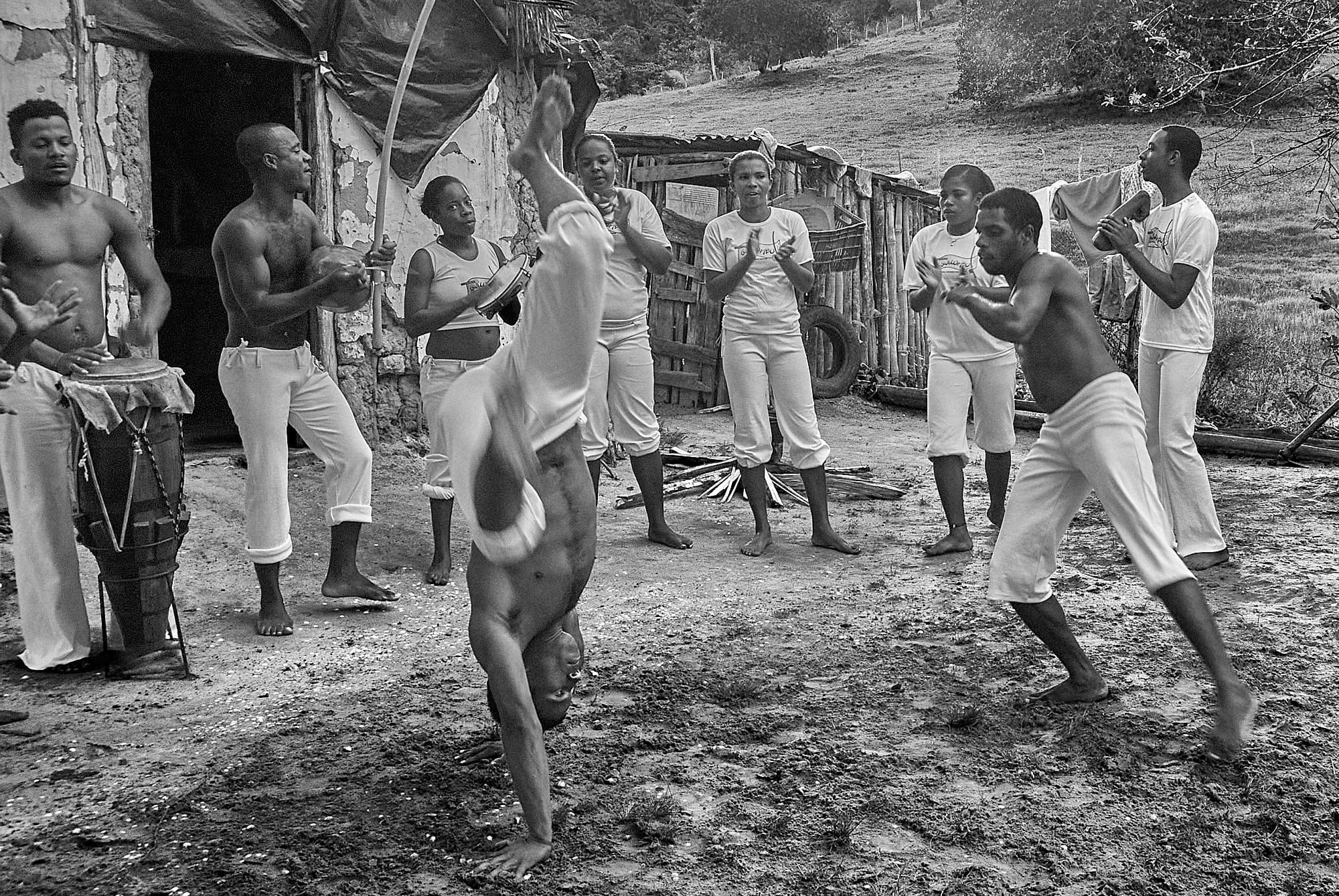
The circle
Capoeira begins where words end. Inside the circle, there are no hierarchies—only rhythm, breath, and the pulse of life moving through bodies. Every gesture is an answer, every pause a question. What happens inside the roda is not a fight, but a dialogue written with movement and music.
Here, no one wins or loses. Each player reads the other’s energy and responds with grace, turning conflict into connection.
The berimbau calls, and all voices follow its slow vibration. It is an ancient code of resistance that became an art of relation. Around it, children learn to trust their bodies; elders teach patience and rhythm; women bring balance and care.
The circle becomes a small society where everyone belongs, where listening is more powerful than force.
Each song carries a fragment of memory—of struggle, of laughter, of survival.
The circle protects, but it also opens. It invites those outside to come closer, to understand that freedom is not isolation—it is sharing the rhythm that unites us.
In the circle, skin color, gender, and age dissolve; only the human remains, in its purest and most resilient form.
This is why the roda is sacred. It reminds us that life, like Capoeira, is never a straight line but a continuous spiral of encounters, challenges, and grace. Inside it, we learn how to fall and rise again. Together.
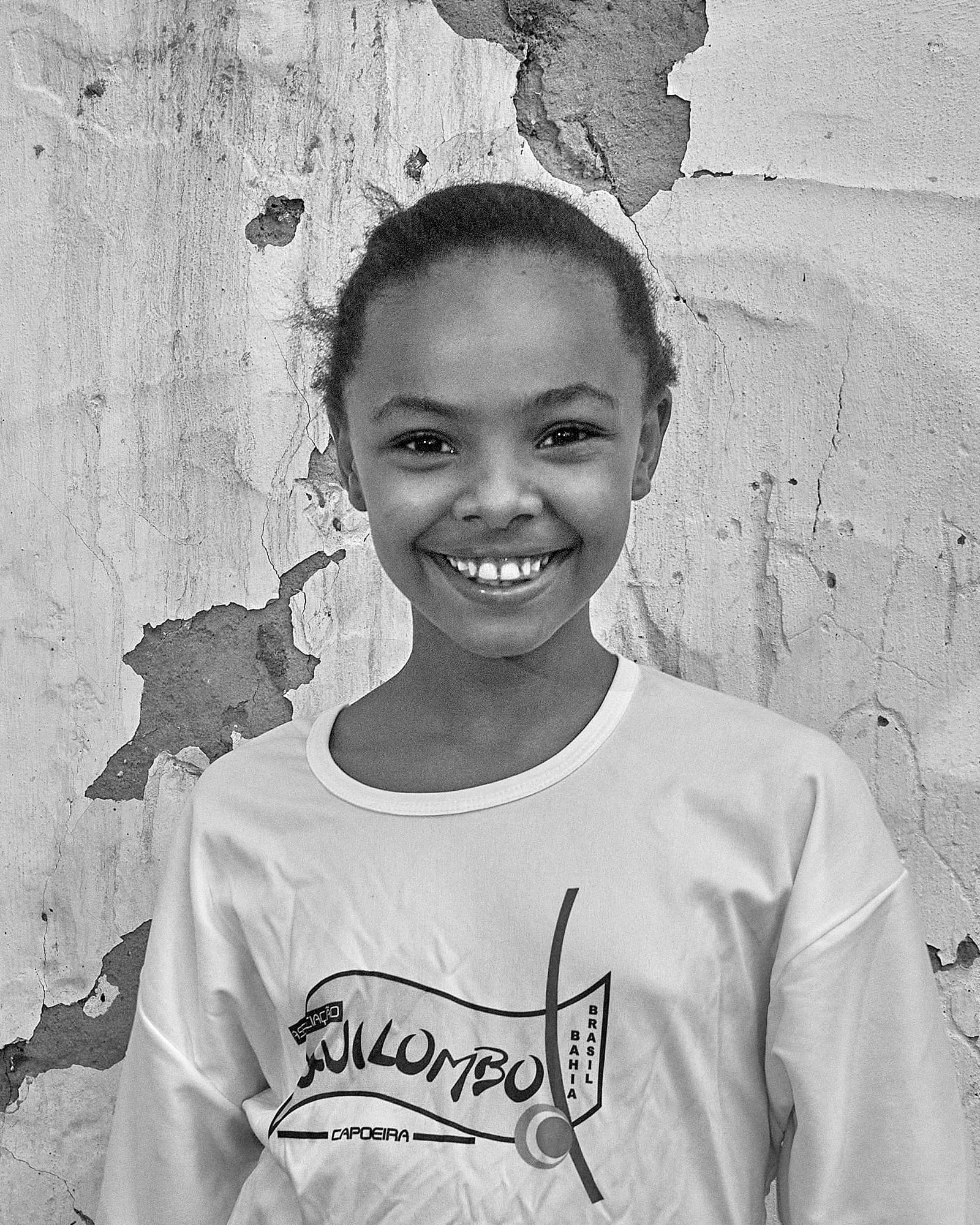
Every scar on my leg is a lesson. Don’t rush. Don’t show off. Don’t forget to breathe. Capoeira humbles you — one mistake and the ground reminds you who you are. Still, every time I fall, I thank the floor. It means I’m still learning.
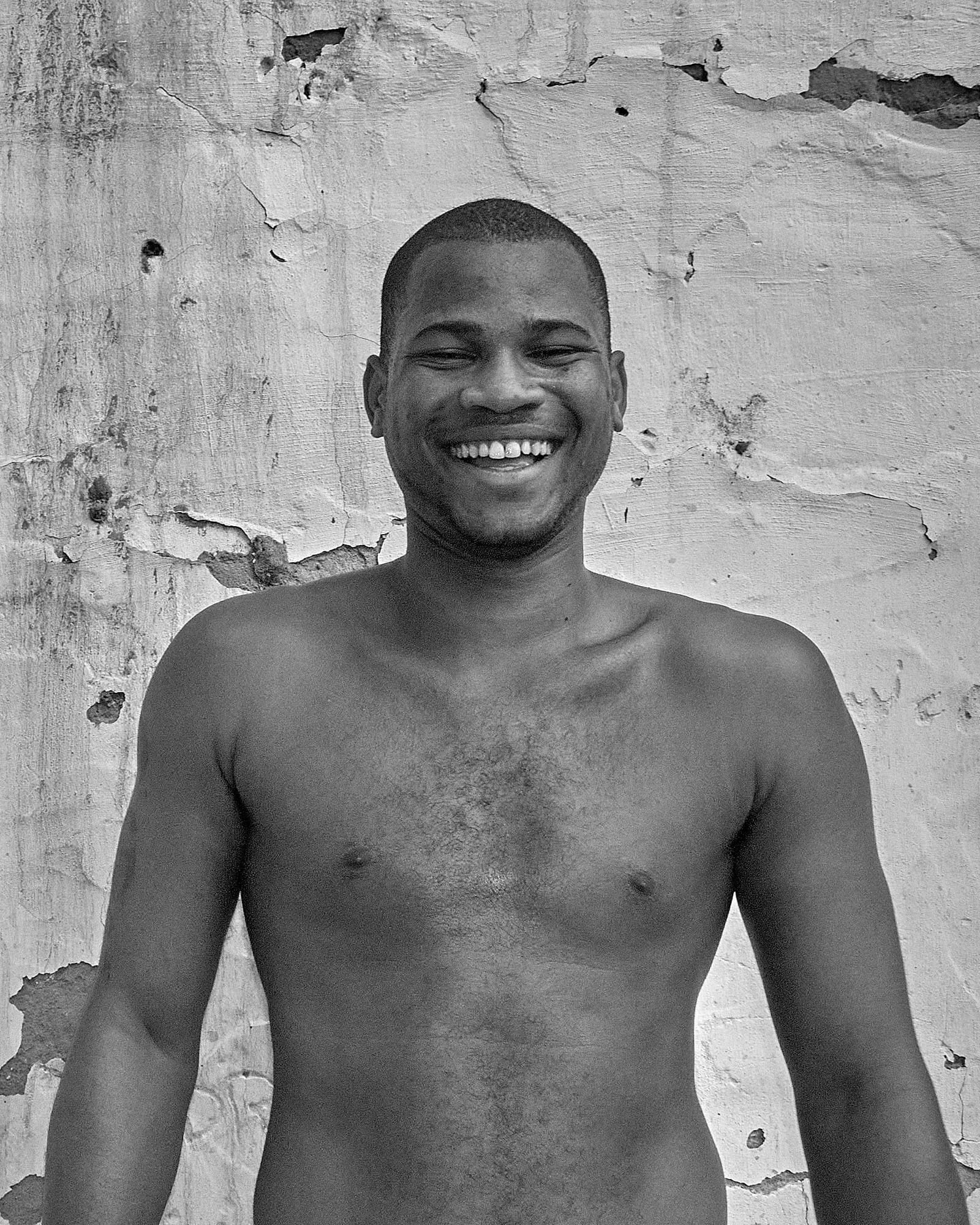
They say Acupé is poor, but they don’t see our wealth. It’s in the children who laugh barefoot, in the hands that build drums from nothing, in the music that survives every storm. Capoeira doesn’t give us money — it gives us meaning, and that’s a richer life.
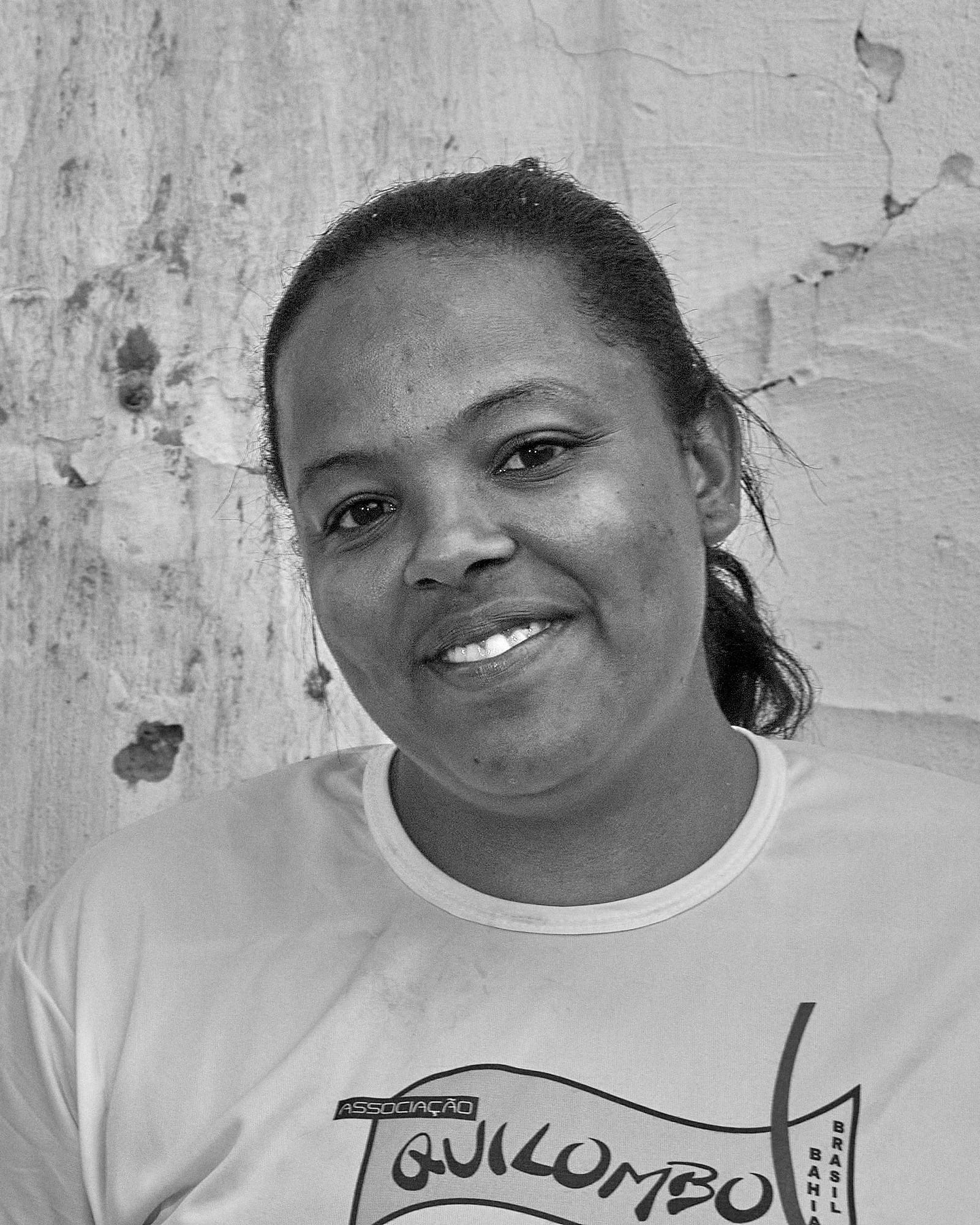
When tourists come, they see us smiling, dancing, flipping. They don’t see the nights without water, the jobs that vanish like rain. But maybe that’s fine. In the roda, we’re not asking for pity — we’re showing what freedom looks like when you build it with your own hands.
The role of music in Capoeira
Music is an essential part of Capoeira, fulfilling multiple roles: it gives energy to the players, directs the speed and style of the game in the roda, and orally transmits information and knowledge.
The speed and rhythm of the instruments tell the players whether to play more cooperatively or more competitively, whether to use close ground maneuvers or fast acrobatic movements.
The songs sometimes comment on the game (for example, if one player gets taken down, the leader might sing bananeira caiu — “the banana tree fell”) or give instructions to the players (for example, if the game becomes too fast, the leader might sing devagar, devagar — “slowly, slowly”).
The song leader might also improvise lyrics to speak specifically about the capoeiristas or the situation in the roda. Capoeira songs represent a rich oral tradition. Their lyrics express much history, philosophy, and wisdom, often through metaphors.
The berimbau is the heart of this musical ensemble. Its single vibrating string sets the tone of the entire roda, guiding every step, kick, and fall. The other instruments — atabaque, pandeiro, agogô, and reco-reco — weave around it, creating a rhythm that unites body and spirit.
Through music, Capoeira becomes a collective act of communication. The songs connect the present to the ancestors who once played to survive, to resist, and to celebrate life even in struggle.
When the rhythm starts, everyone — players, singers, and onlookers — becomes part of the same heartbeat. In the roda, music is not background; it is the voice of Capoeira itself, telling stories of freedom, memory, and joy.
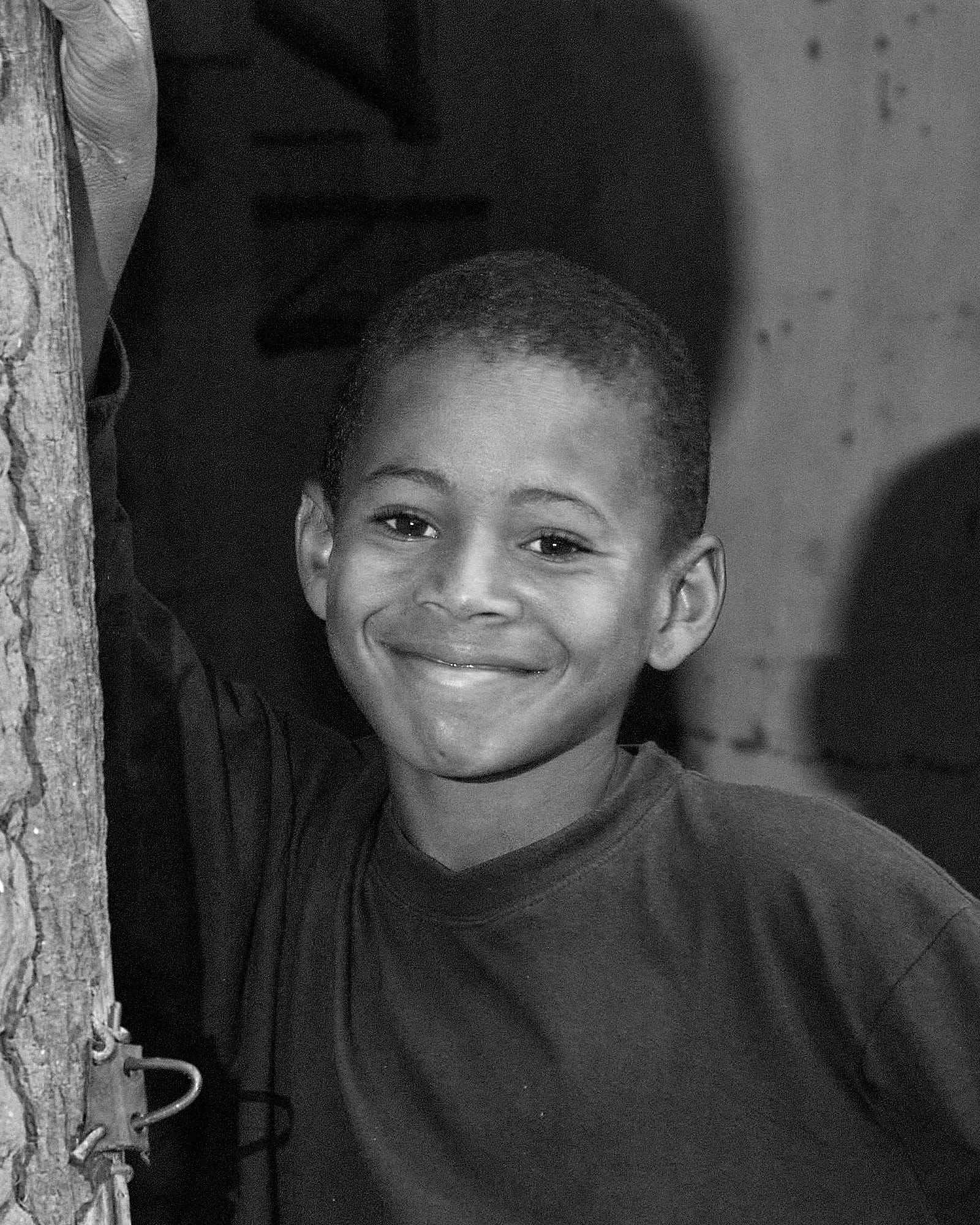
Some days, I sell coconuts by the road. Others, I come here and play. People think I’m wasting time, but in the roda I learn more than any school could teach: patience, courage, respect. The world outside is hard, but in here, everyone looks me in the eyes.
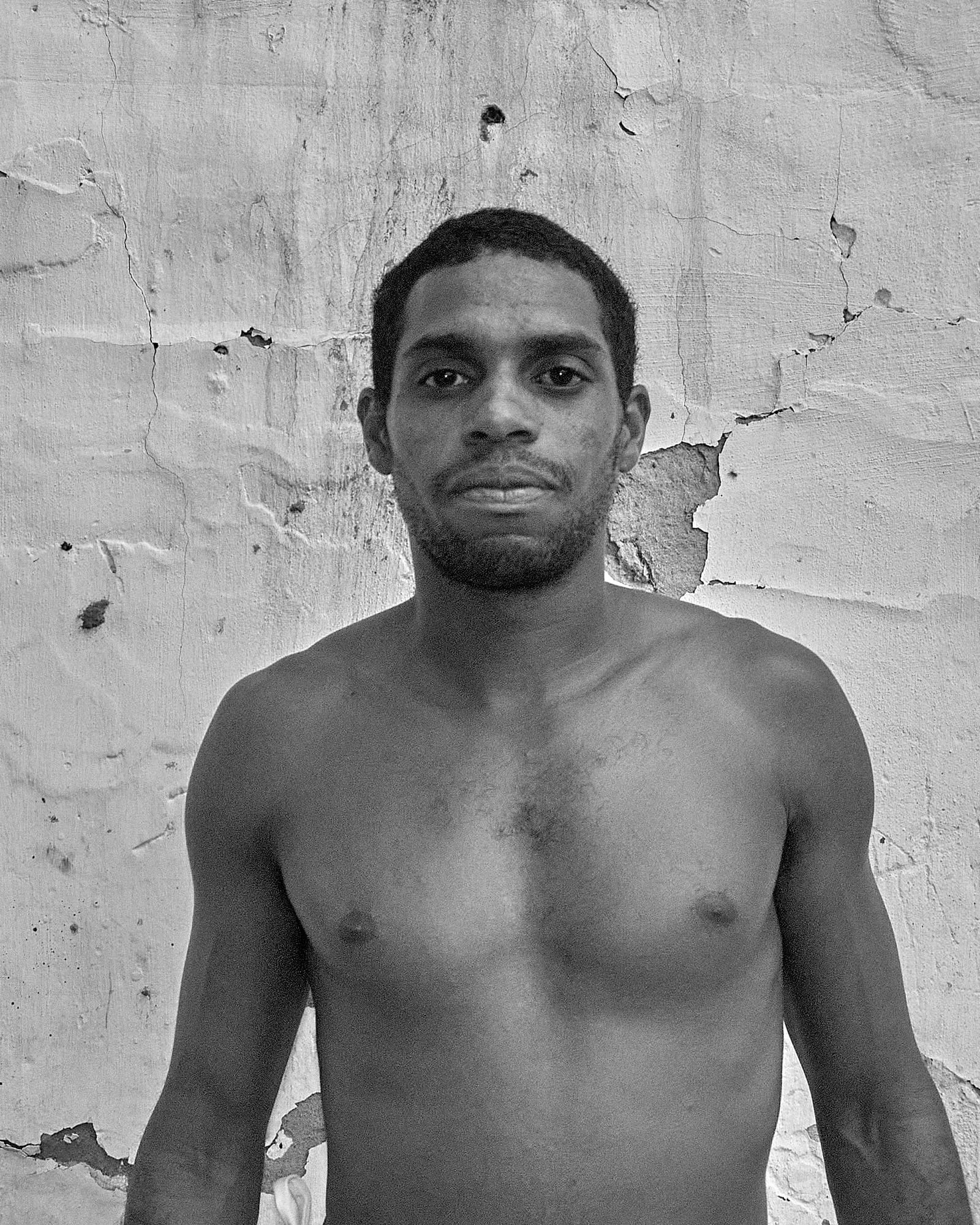
When I play, I see my ancestors watching. Their faces are in the dust, their breath in the wind. I think they’re proud that we still move, still sing, still fight with joy. Capoeira is our way of saying: we’re still here, and we remember you.
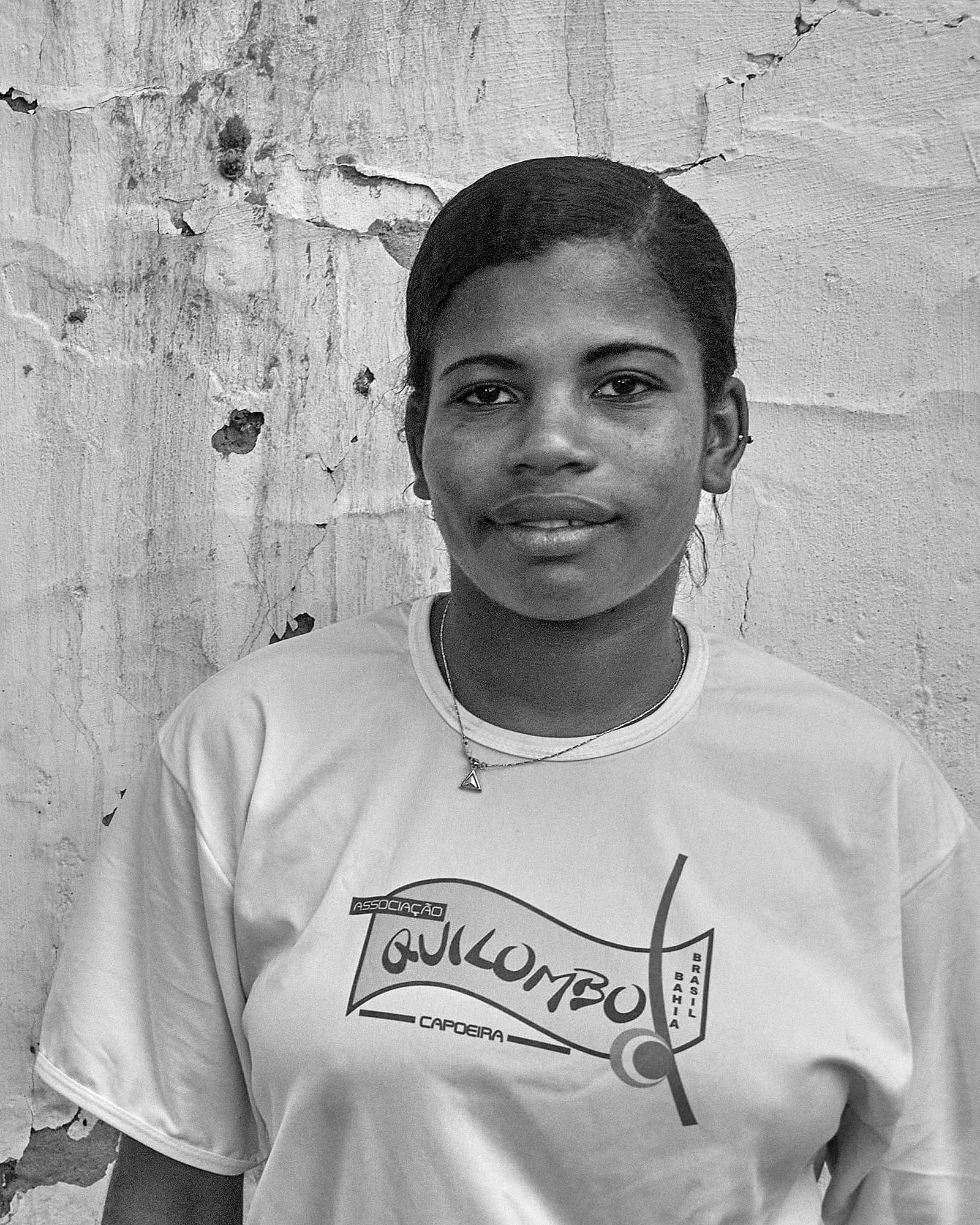
Sometimes I get tired — of working, of pretending, of dreaming. Then I hear the berimbau. It’s like the earth calls my name. My body answers even when my mind says no. Maybe that’s what faith feels like: movement before thought, rhythm before hope.
The figure of the “mestre” in the words of eleven Capoeira teachers.
Mestre Mão Branca: “The word ‘Mestre’ is very strong. The Mestre is a symbol, a guide. It’s not just the great capoeirista or one who is untouchable in the roda, but someone who works for the benefit of Capoeira and its place in society. To be Mestre is to take on a responsibility with the art that you love. For this, one must respect the hierarchy, with the philosophy and roda experience.”
Mestre Nacional: “I think that the first thing is to persist in humility, leave vanity to the side and participate in more of the traditional Capoeira rodas. There’s no such thing as the ‘best,’ there only exists he who does Capoeira with his heart.”
Mestre Ananias: “To be a Capoeira Mestre you have to have many years in Capoeira. One can be called Mestre when one is at least 40 or 50 years old. It’s not overnight that you become a Capoeira Mestre. Today we see a ton of young kids who don’t even know how to tune a berimbau, or even respond to the berimbau’s call, and they’re said to be Mestres; they don’t know how to play instruments at all! It’s a shame, so I say that these people should return to the academy and re-learn everything that they forgot! Inside them, you only see toughness, trickery, and nothing else. One must also have clean work with Capoeira.”
Mestre Baiano Anzol: “To be Mestre it is necessary to have at least 10–12 years of research, training, and discoveries. Capoeira involves your feelings, your sensibilities, and becomes part of your life.”
Mestre Celso: “To become a Capoeira Mestre you need time in Capoeira, work, and age; because a 20-year-old kid without experience, what is he going to teach others? One must be educated and pass on this education.”
Mestre Suíno: “Today what’s happening is that first the person becomes Mestre of his Group and then later he obtains recognition of the Capoeira community as a whole. So inside each Group, the Mestre sets the curriculum. The Mestre must have a little didactic education, know a bit about child psychology, also know a little of first aid in order to be able to help a person who has an accident, and mainly aim to study, thus having scholarly graduation because today society is requiring this. The requirements are a little stricter to be a Capoeira Mestre today; it’s not just learning Capoeira but diving deep into it, having a serious purpose, and not being a wishy-washy person who today believes one thing and tomorrow believes something else.”
Mestre Camisa: “Work and time are necessary. No one can be a Capoeira Mestre if they are under 40 years old. One must have life experience; one must live with Capoeira and be an excellent capoeirista.”
Mestre Hulk: “One must train for a good long time, have knowledge of everything that Capoeira involves in all its aspects (games, history, culture…), know how to give lectures about Capoeira, teach humility, have life experience and good conduct as a citizen. Know how to be a good citizen.”
Mestre Joel: “One must train and have at least 15 years in Capoeira. One must understand that being a Capoeira instructor means one is a professional; one must have awareness, be Brazilian and take care of this sport, which is the best sport we have and is already spread throughout the world.”
Mestre Açapê: “The capoeirista must be at least 30 years old and know how to enter wherever he is called.”
Mestre Suassuna: “A Capoeira Mestre must be a special person; it can’t be just anyone who gives Capoeira classes who becomes a mestre. Mestre must be a person who is consecrated by the people, both the people in Capoeira and the people in general, because of the work he does. The Mestre is someone who represents the father or mother of the student, the teacher of the student. The student trusts him a lot. It’s the guy who coordinates a social life and has a very great influence in the maturing process of a boy, of a young person.”
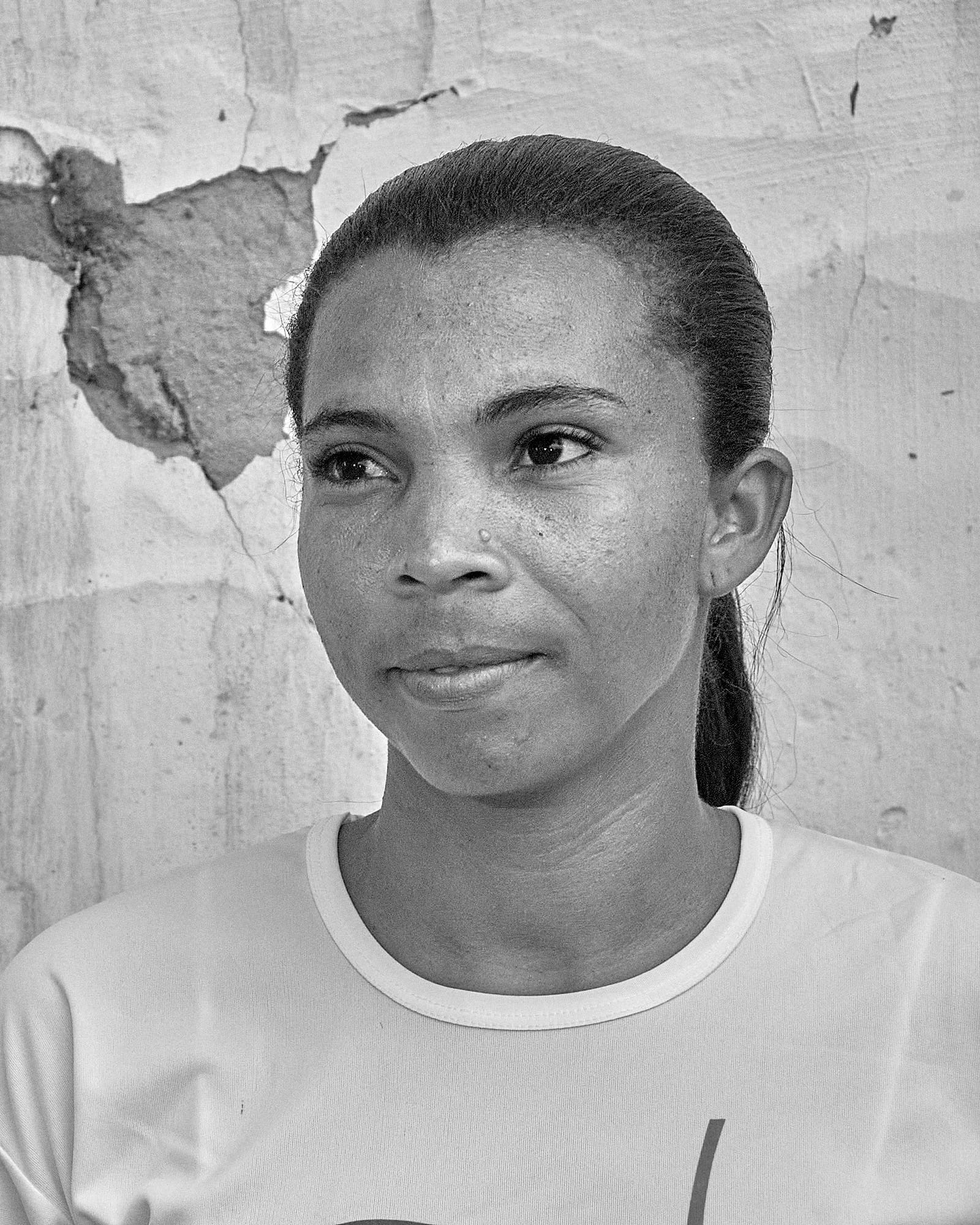
Capoeira saved my brother from the street. He used to steal, fight, disappear for days. Then one day he found the roda. Now he moves with the same fire, but it burns different — it builds, not destroys. When I see him play, I see hope dancing.
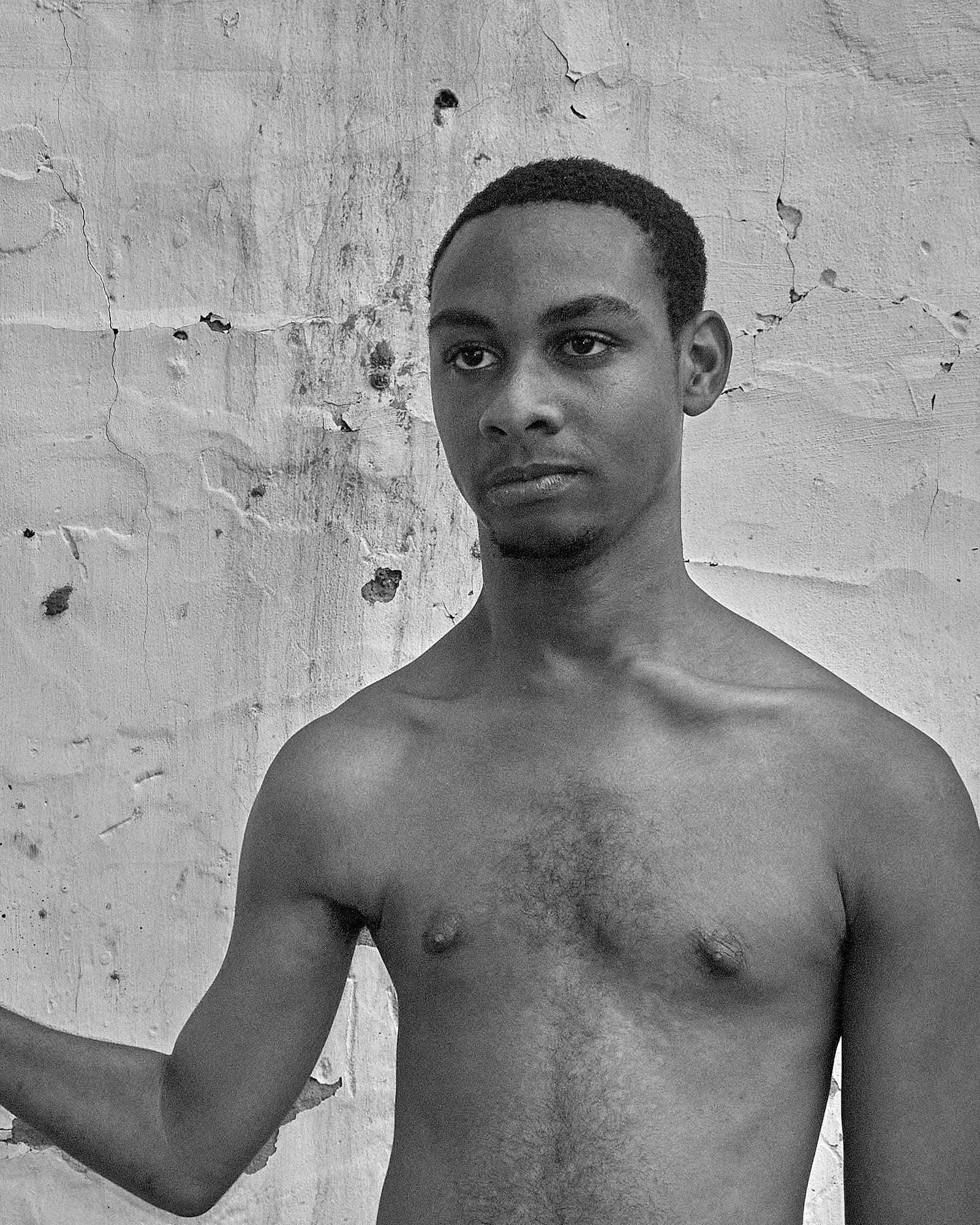
I’m not good at talking. Words twist in my mouth. But when I play, people understand me. Capoeira is my language. My body says everything — the pain, the pride, the promise. Out there, I’m quiet. In here, I roar without a sound.
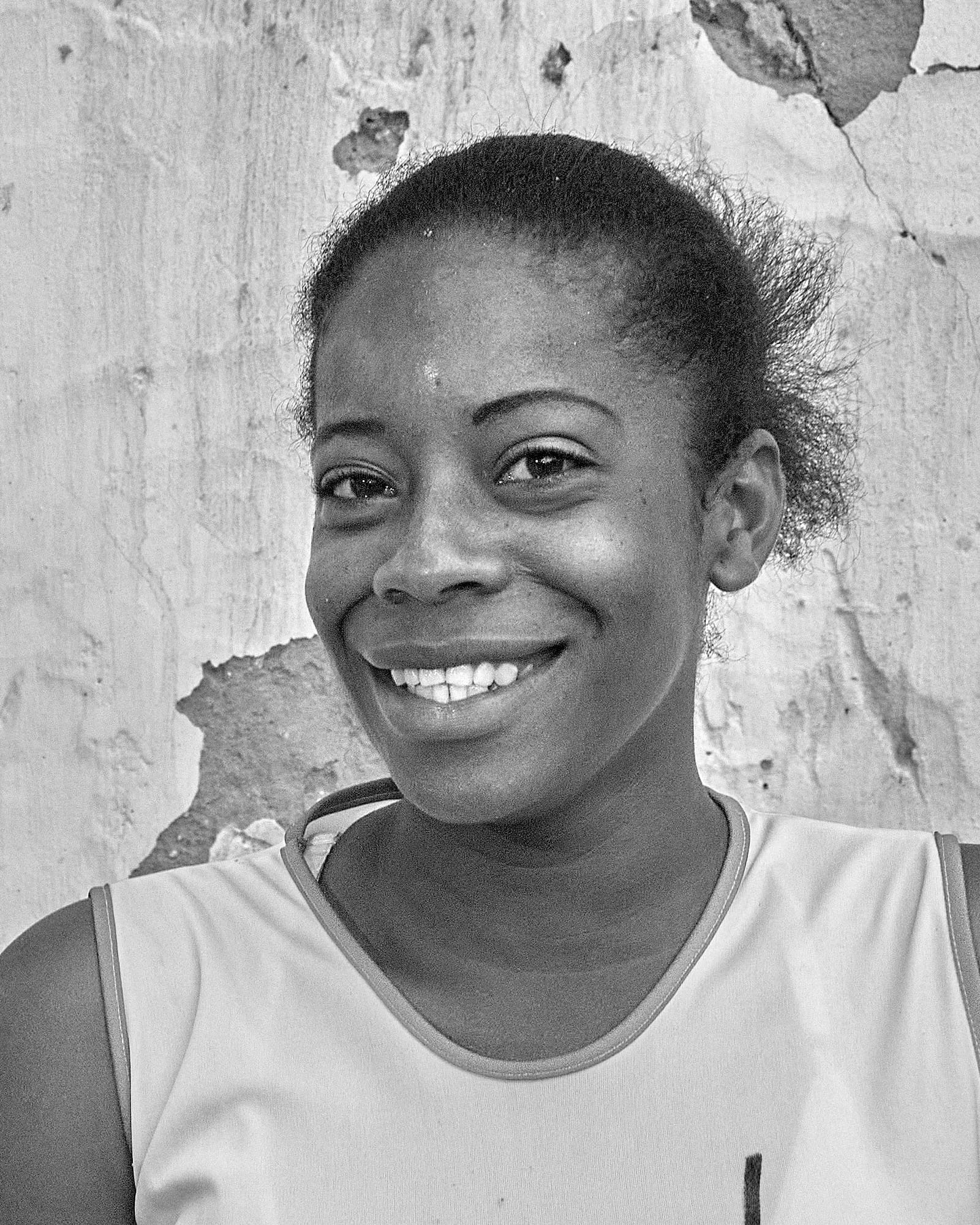
My dream isn’t to be famous. I just want the kids here to grow old. To have time. To see more than violence and concrete. Capoeira gives them a future shaped like a song, not a sentence. When they laugh inside the roda, I believe the world can still change.
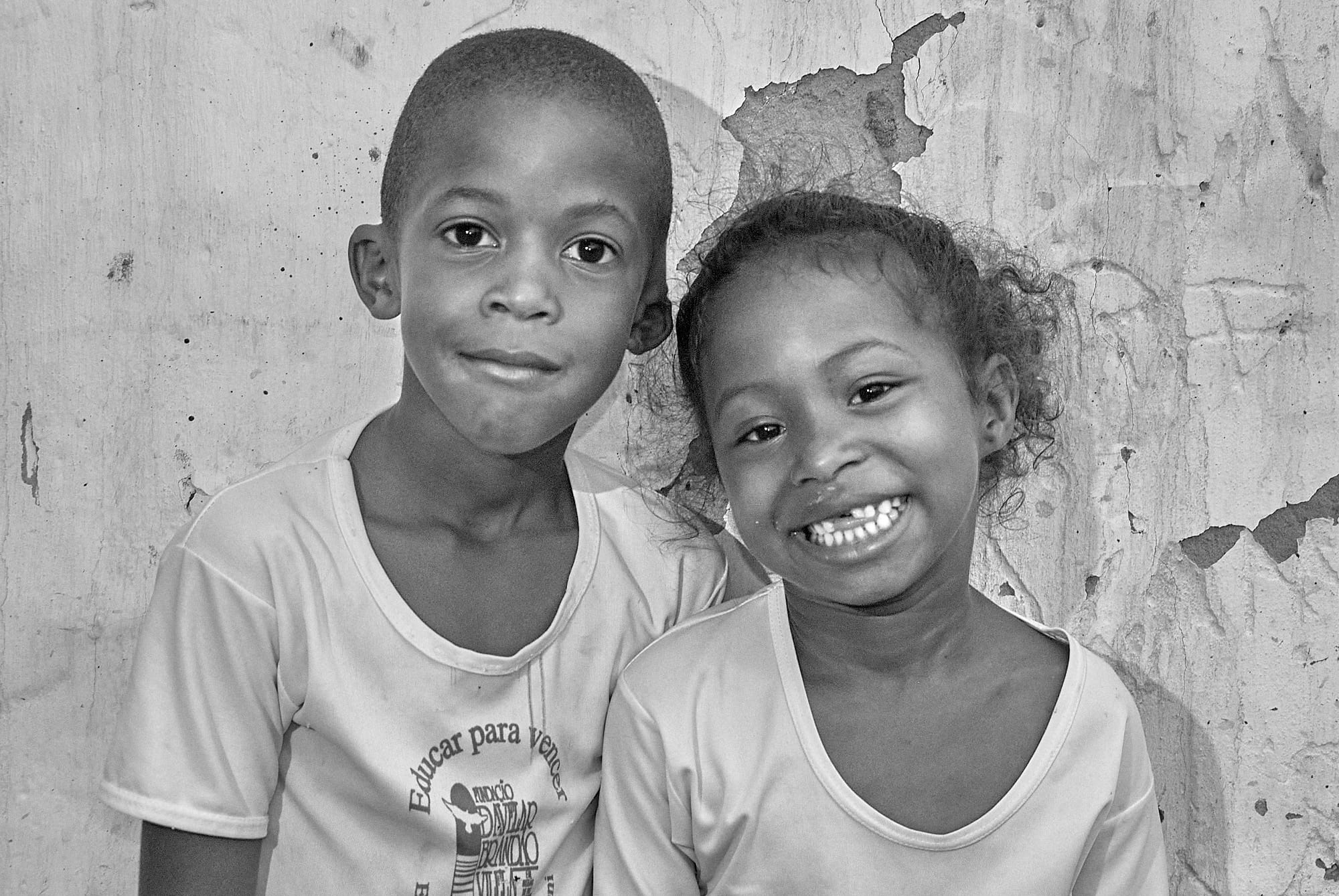
Beyond the game
Capoeira is often seen as a dance, a sport, or a show for visitors. But in places like Acupé, it is none of these. It is a language, a way of being, and a bond that holds the community together.
Every rhythm, every chant, every movement is part of a living memory that has survived through centuries of struggle and celebration.
To play Capoeira here is not to perform. It is to belong. The roda becomes a mirror of daily life, where respect, rhythm, and resilience move together. The children learn more than steps—they learn the meaning of freedom and dignity, passed down from those who came before them.
Outside observers may see color and movement, but within the circle, what happens is deeper. It is culture made visible. It is identity in motion. Capoeira in Acupé speaks of ancestry, community, and the simple, powerful beauty of being together.
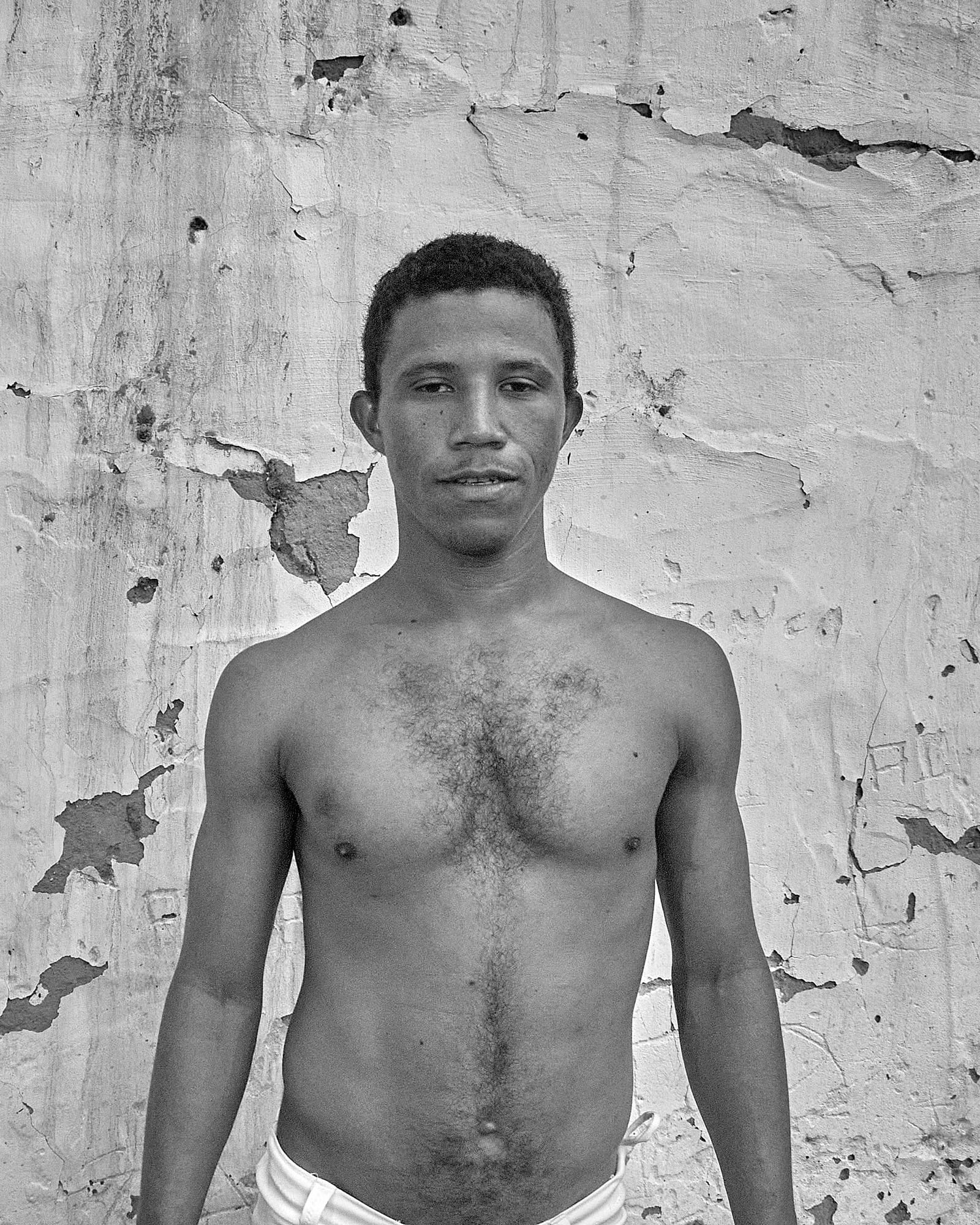
People think we dance because we’re happy. They don’t know we dance to survive. The body keeps secrets the mouth can’t say. Capoeira lets them out, gently, through rhythm and sweat. Every kick is a confession, every dodge a forgiveness. It keeps us human.
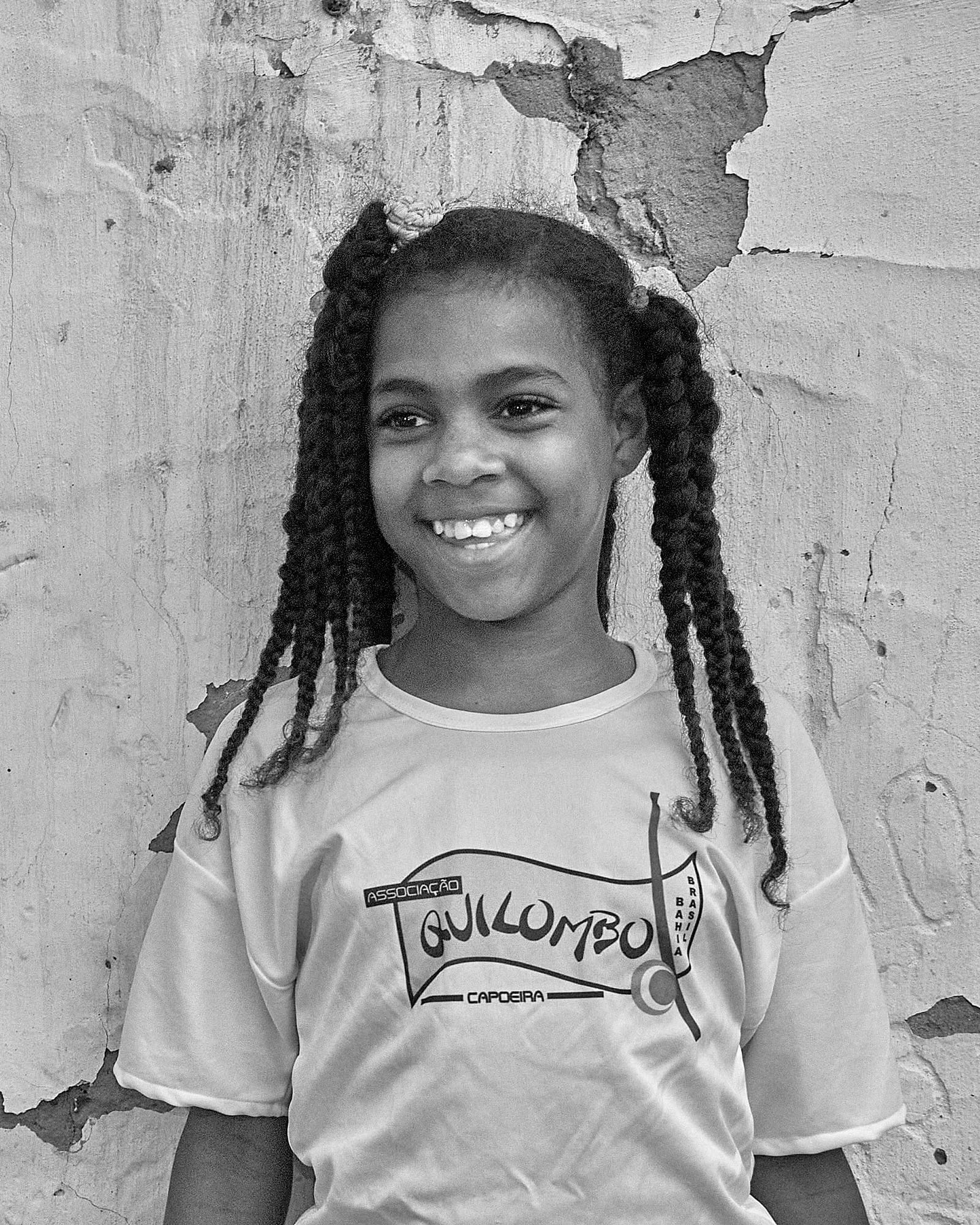
My mother says Capoeira sounds like laughter. Maybe she’s right. When the drums start, even the walls seem to breathe. The boys stop pretending to be tough, the girls stop pretending to be small. For one hour, we all become the same rhythm — and it feels like family.
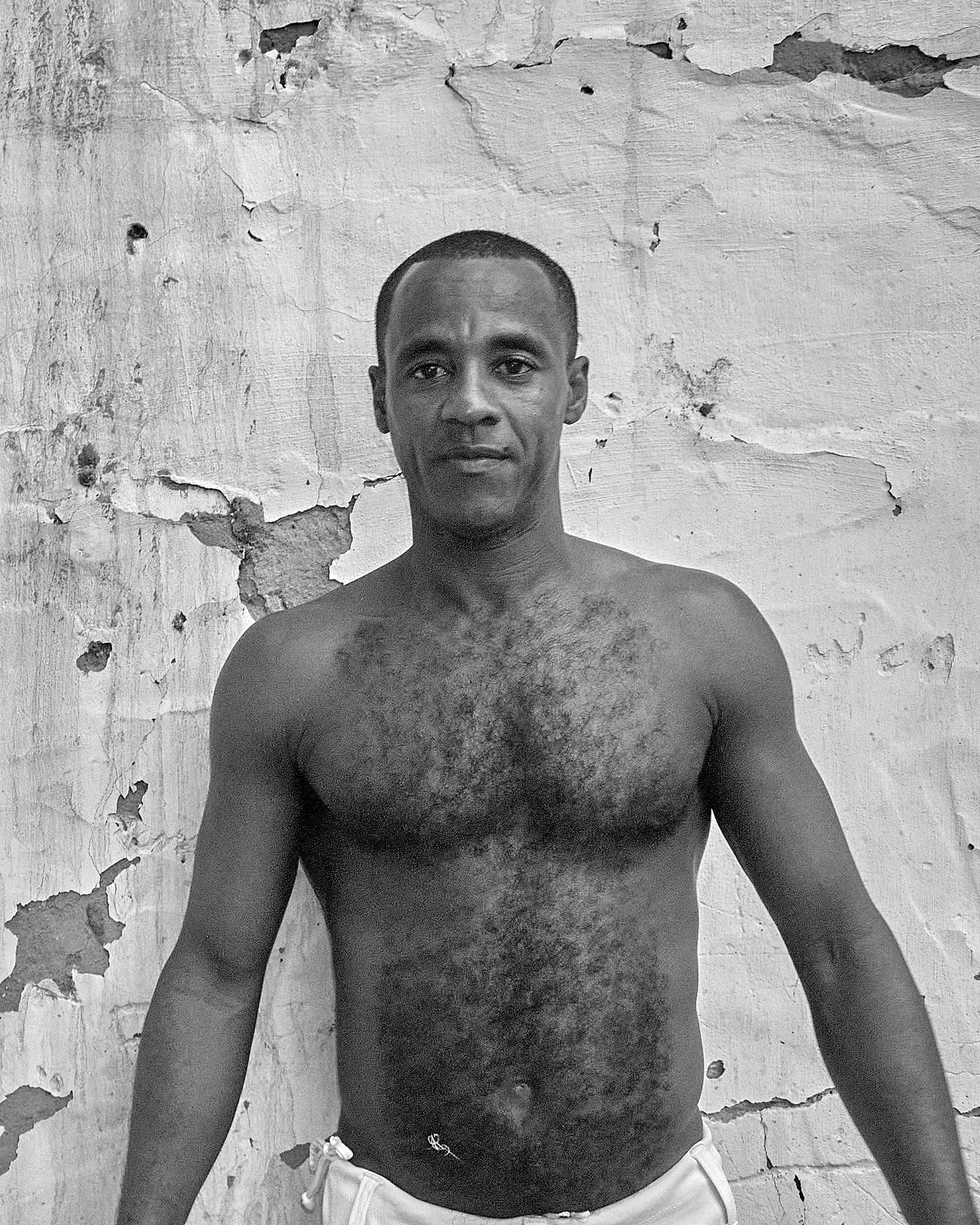
When I die, I want to be buried with my berimbau. Not because it’s an instrument, but because it’s my voice. It has said everything I couldn’t: my anger, my joy, my faith. Let it sing over me once more — one last rhythm for a life that never stopped dancing.
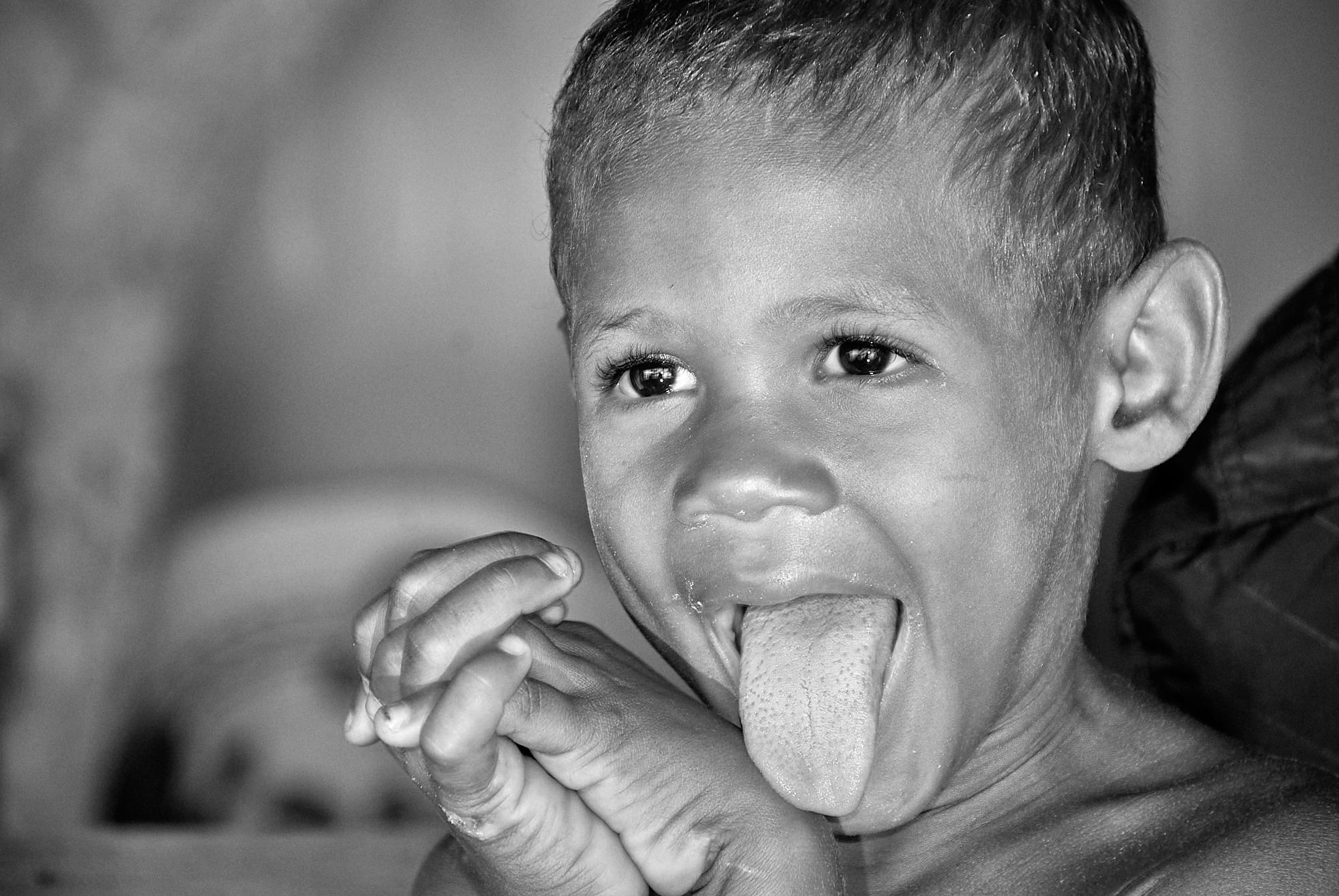
Capoeira is about freedom
Most capoeiristas in Brazil and all over the world are construction workers, teachers, students, wives, husbands, doctors, lawyers, artists, and so on. In short, we are society itself. But while we live within it, we are not entirely absorbed by it. This difference is what gives Capoeira its strength and its soul.
Capoeiristas are, by nature and by choice, people who desire freedom at the deepest level. Freedom is a state of mind, not of the body. No system or institution can swallow an individual’s greatness once it is consciously acknowledged. True freedom also demands responsibility — the awareness of one’s roots, community, and the art that unites us.
That is why Capoeira resists institutionalization. Its way of life creates space within the same society we belong to — a society we often challenge. Capoeira is like air: we breathe it, need it, but can never seize it.
It cannot be limited by groups, organizations, or even mestres claiming monopoly. Capoeira goes beyond all of us, transcending borders, generations, and languages. Before organizing Capoeira, we must ask: who benefits from that control? The art? The players? Or the bureaucrats?
We prefer a community that celebrates individuality and cooperation, that respects our differences and values diversity. Our strength comes from what each of us offers — through love, understanding, and the living spirit of Capoeira.
Mestre Cobra Mansa
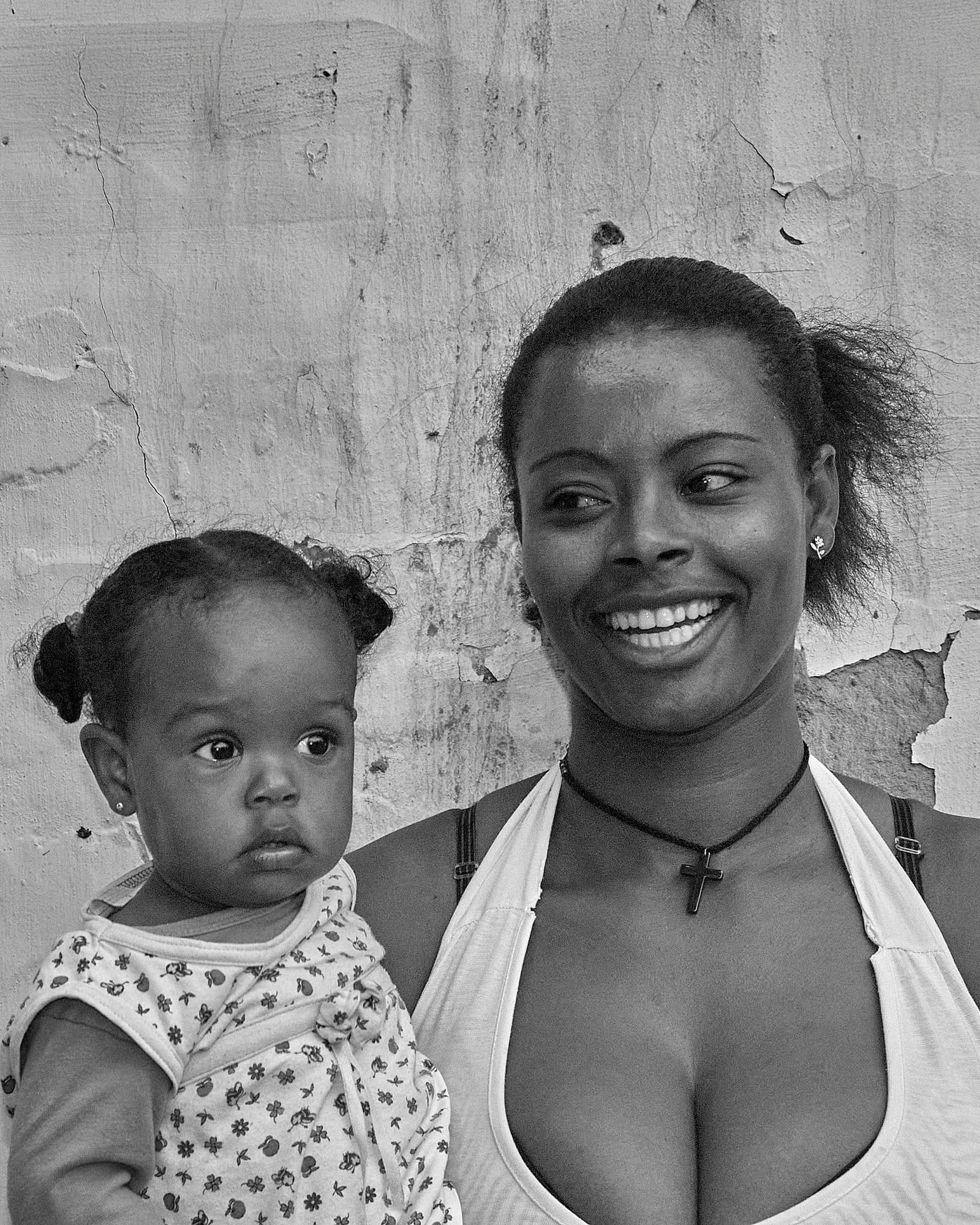
They said Capoeira was only a fight, but to me it’s prayer. My legs talk to God in every kick. When I move, I remember my grandmother’s stories about freedom, about dancing to survive. Now I teach my daughter the same thing: the body is never a cage.
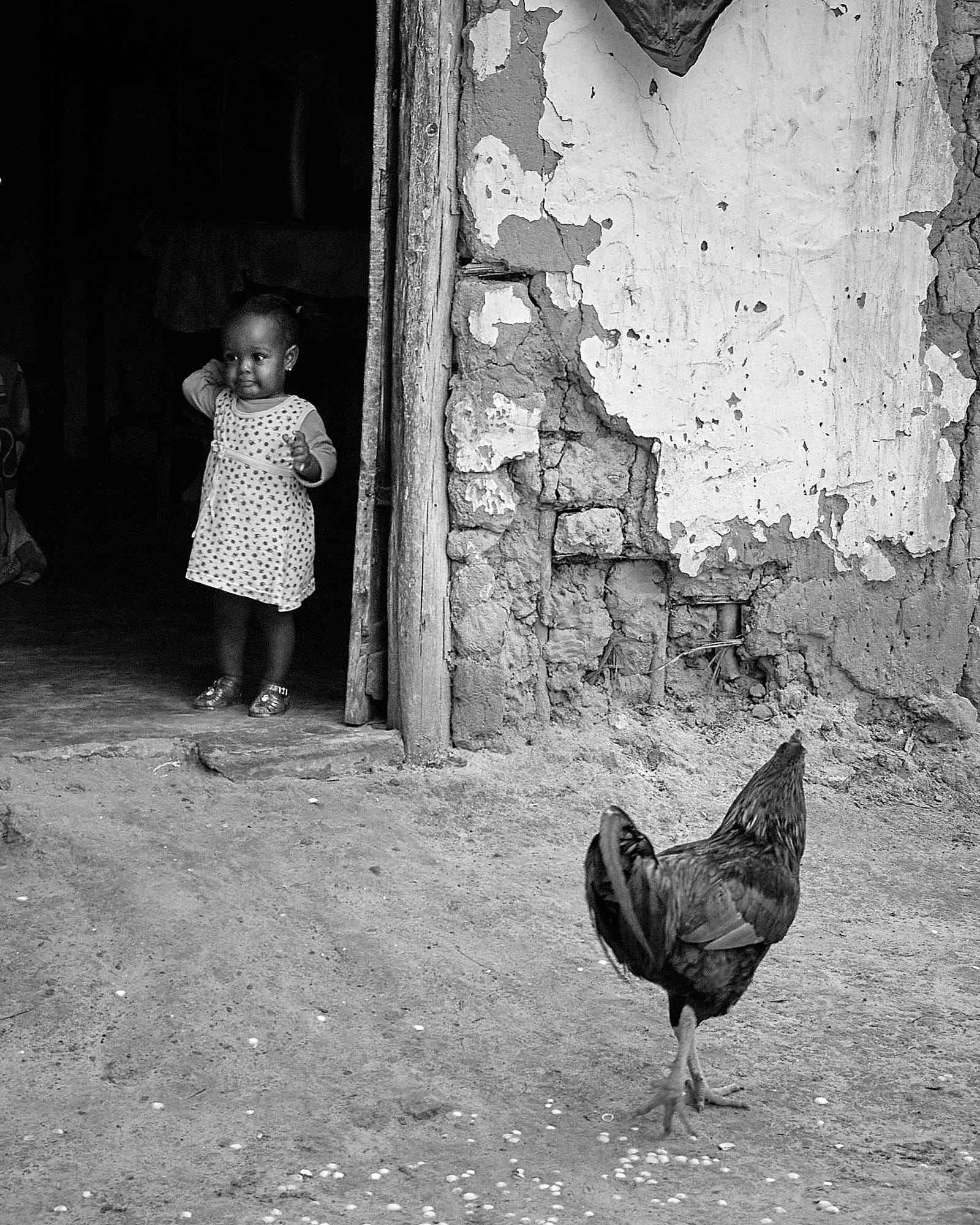
I used to fight because I was angry. Now I fight because I’m alive. Capoeira didn’t change my rage — it tuned it. It made music out of my noise. Every fall teaches balance, every kick teaches mercy. I learned that strength isn’t about winning, but about playing again tomorrow. This is what I want to teach my little girl
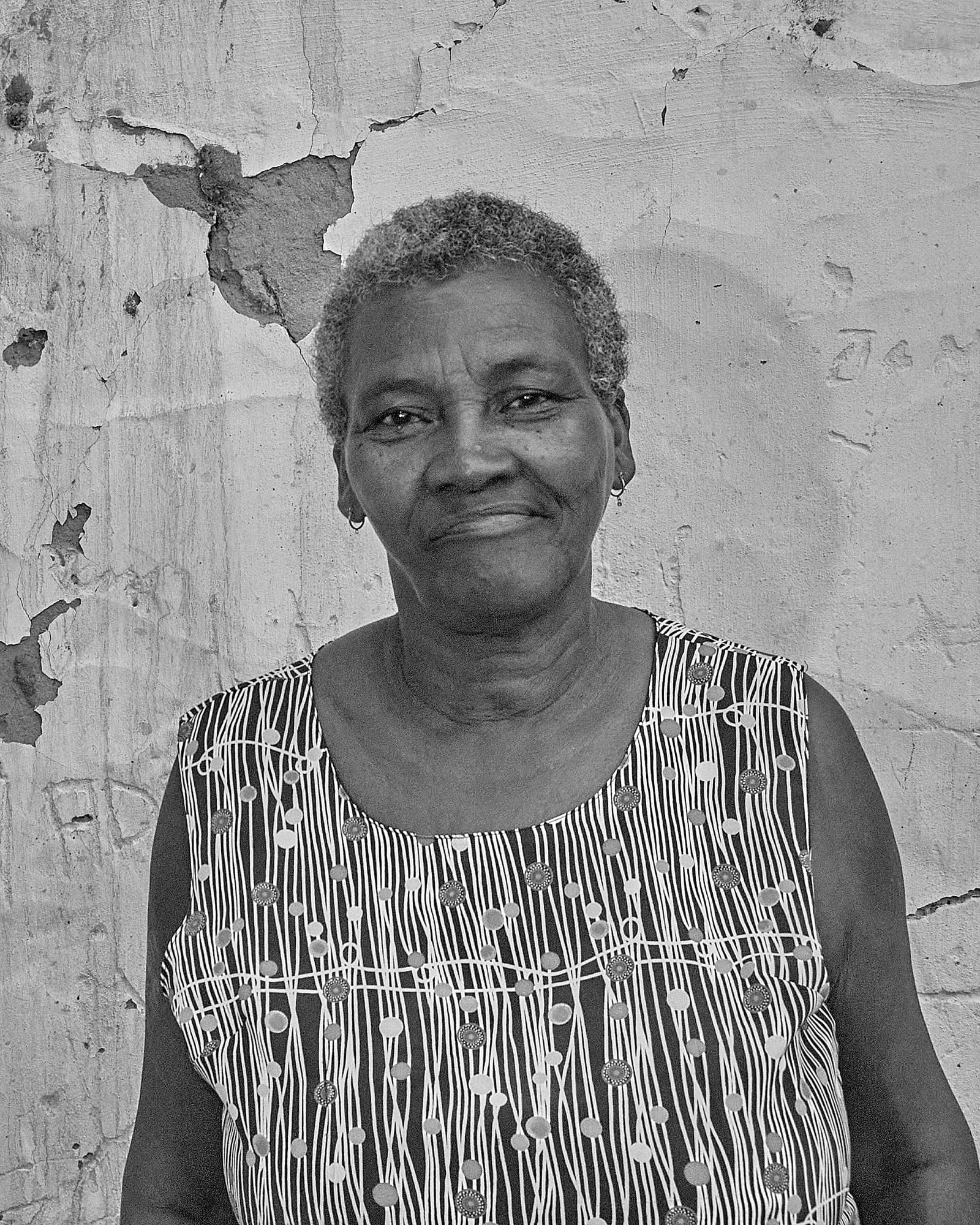
Sometimes I look at the younger ones and envy them. They move like waves — fearless, wild, free. I move slower now, but I know the rhythm better. I don’t play to win anymore. I play to remember that every circle ends where it began: in the heart.
A Story to Carry With You
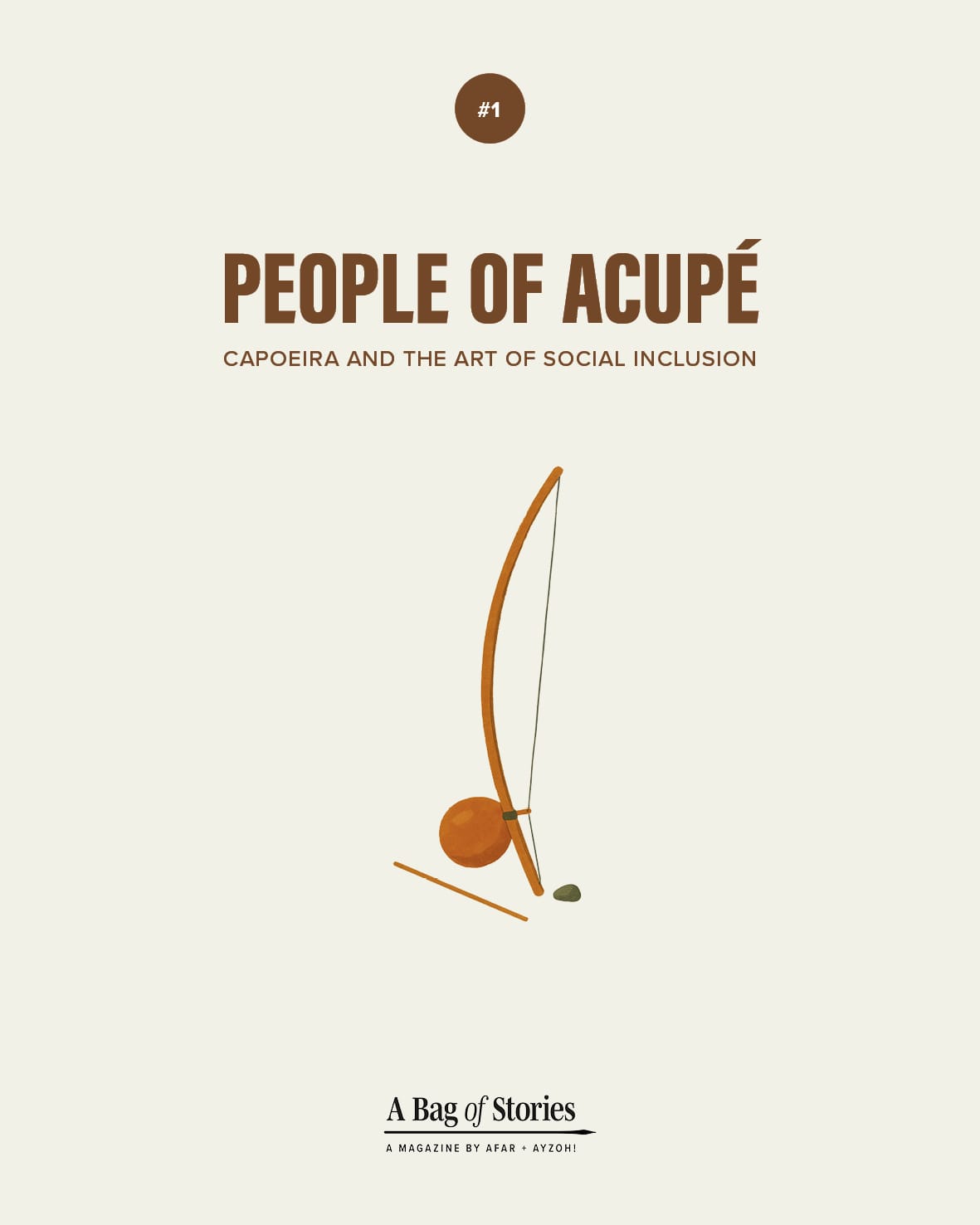
This reportage is also the starting point for the first digital edition of A Bag of Stories, a photographic publication created by AFAR and Ayzoh!.
People of Acupé brings together documentary photographs, personal testimonies, and reflections on capoeira, exploring its history and its place in the everyday life of this community in Bahia, Brazil.
The complete publication is available to download, read, and share freely.
Editorial Note
The first-person accounts in this publication are authentic testimonies collected in Acupé and subsequently edited for clarity and readability, while preserving the meaning and spirit of the original conversations.
Further reading
This project was made possible thanks to Cultour, a travel company that believes in another way of moving through the world.
Their journeys are not built on tourism, but on trust. They connect travelers with real people, small communities that open their doors not as hosts, but as partners.
Through Cultour, Ayzoh! and Afar found a path that honors this spirit: working with the people of Acupé, not about them. Each encounter, each shared meal, each story became part of this book.
Capoeira, like these journeys, reminds us that what truly matters cannot be staged. It must be lived, together, within the rhythm of life itself.
 Claudio Maria Lerario


Member discussion