


A girl I remember
I first met Mitto when she was sixteen, during the years I lived in Hawassa, a city in southern Ethiopia, near the shores of Lake Hawassa.
She began coming to my house regularly, sometimes to do her homework, sometimes to help me with everyday things, sometimes simply to spend time together.
I remember an intelligent, curious young woman, extraordinarily attentive to the people around her, with a natural kindness that never seemed calculated.
She listened, asked questions, learned quickly, and approached the world with a combination of determination and generosity that I found remarkable.
Years passed, and Mitto grew into the woman she is today: a successful entrepreneur, a mother, and someone who has preserved that unusual ability to care about others while managing the considerable responsibilities of running a business.
So when I think about Zanzibar, the lounge she opened in Hawassa approximately ten years ago, I am not particularly surprised by its success.
What interests me most is the idea behind it, because it reveals something about Mitto that I recognized long before she became an entrepreneur.
She wanted to create a place where people could enjoy good food, conversation, and the pleasure of spending time together. But she also wanted something that, in the hospitality business, is too often treated as secondary. She wanted women to feel free.
Who has the right to feel at home?
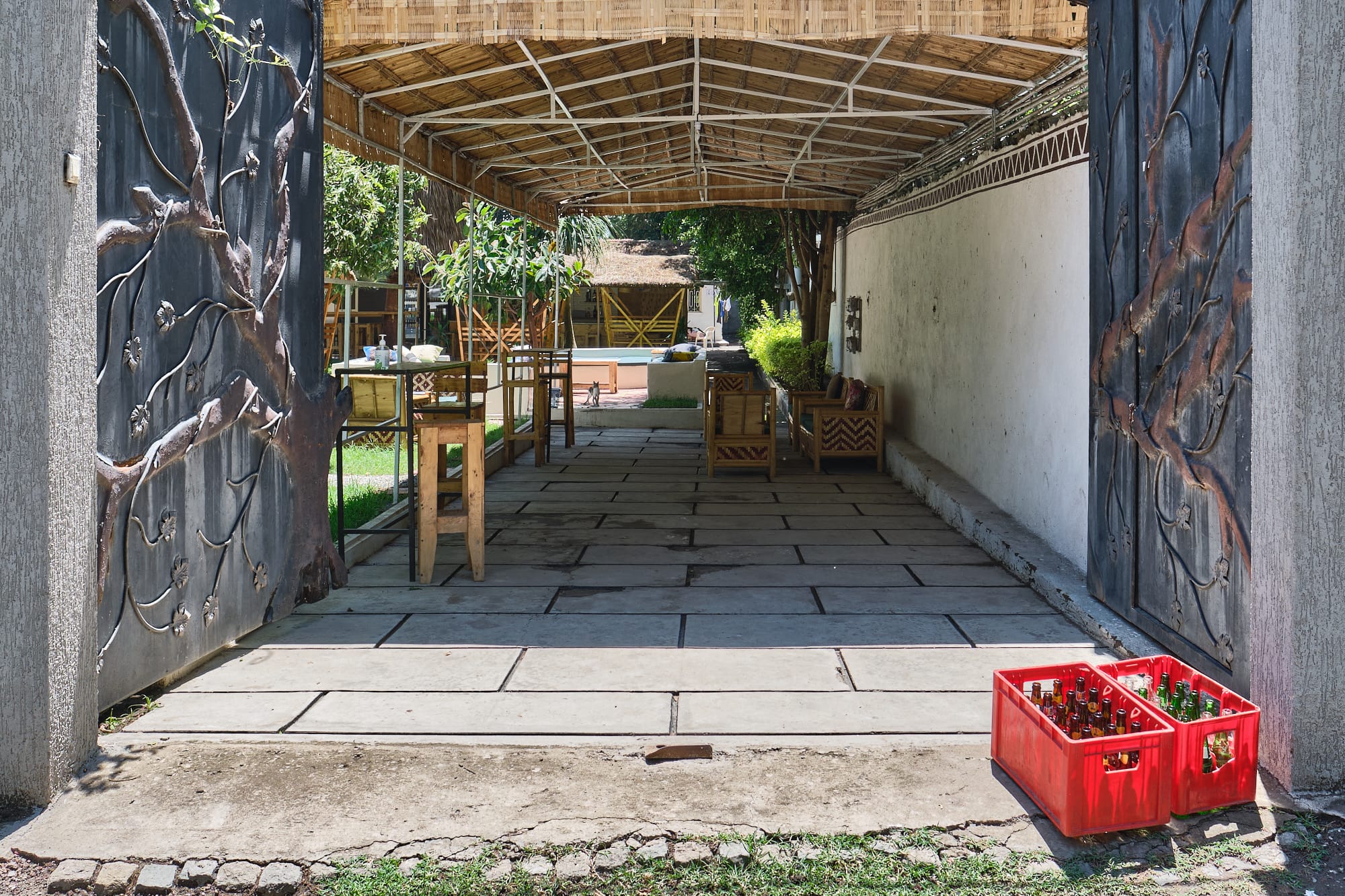
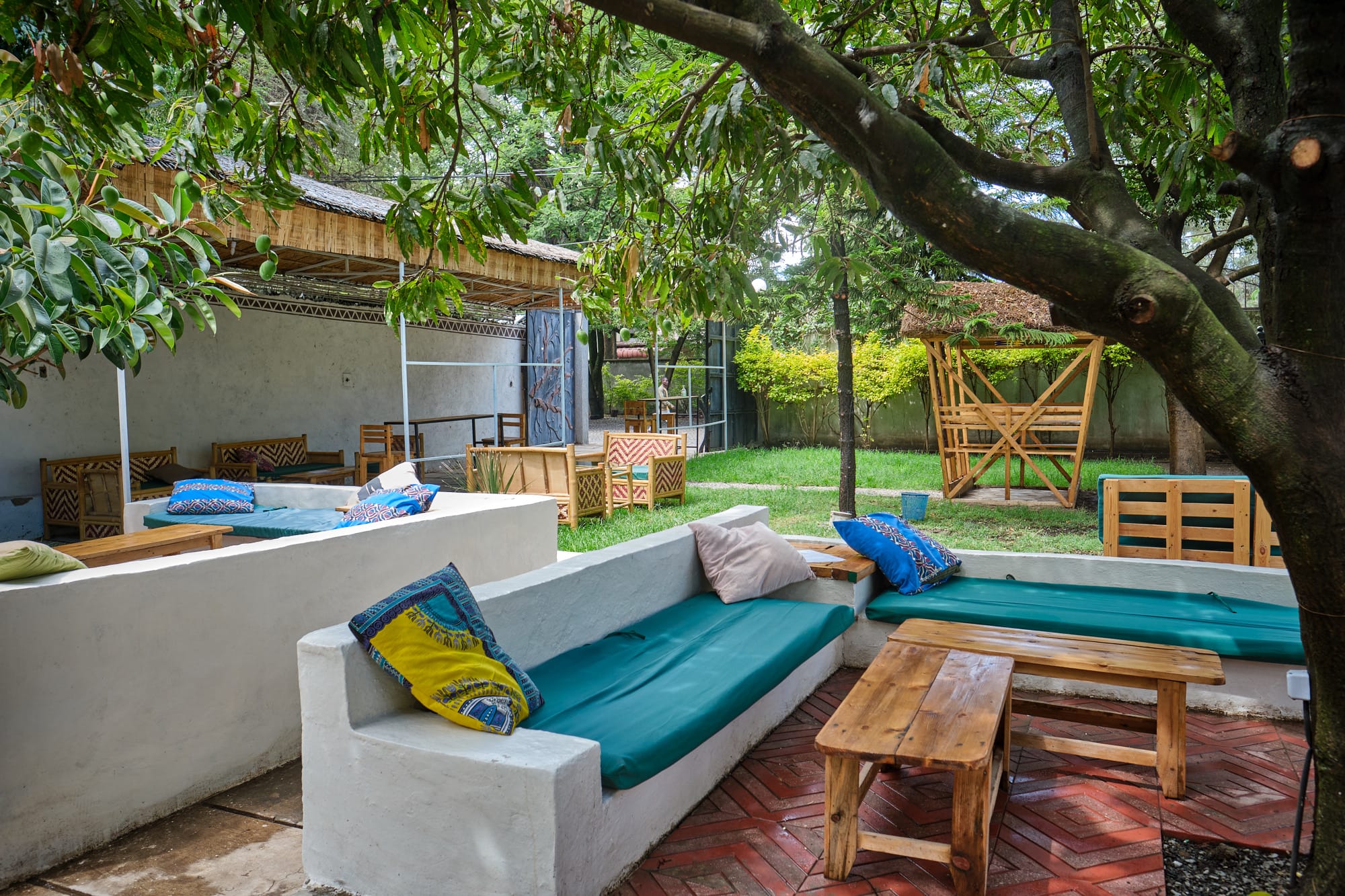
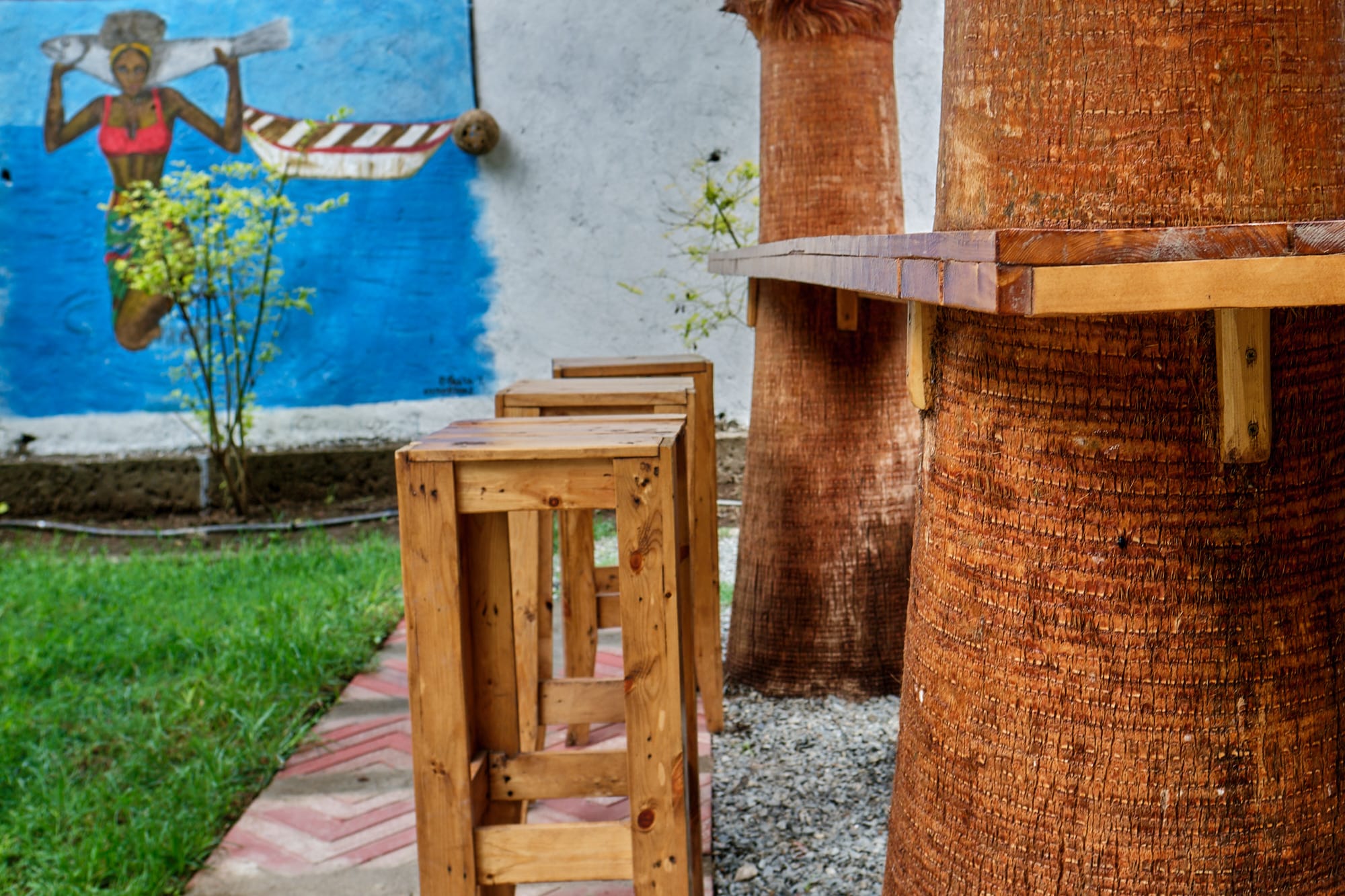
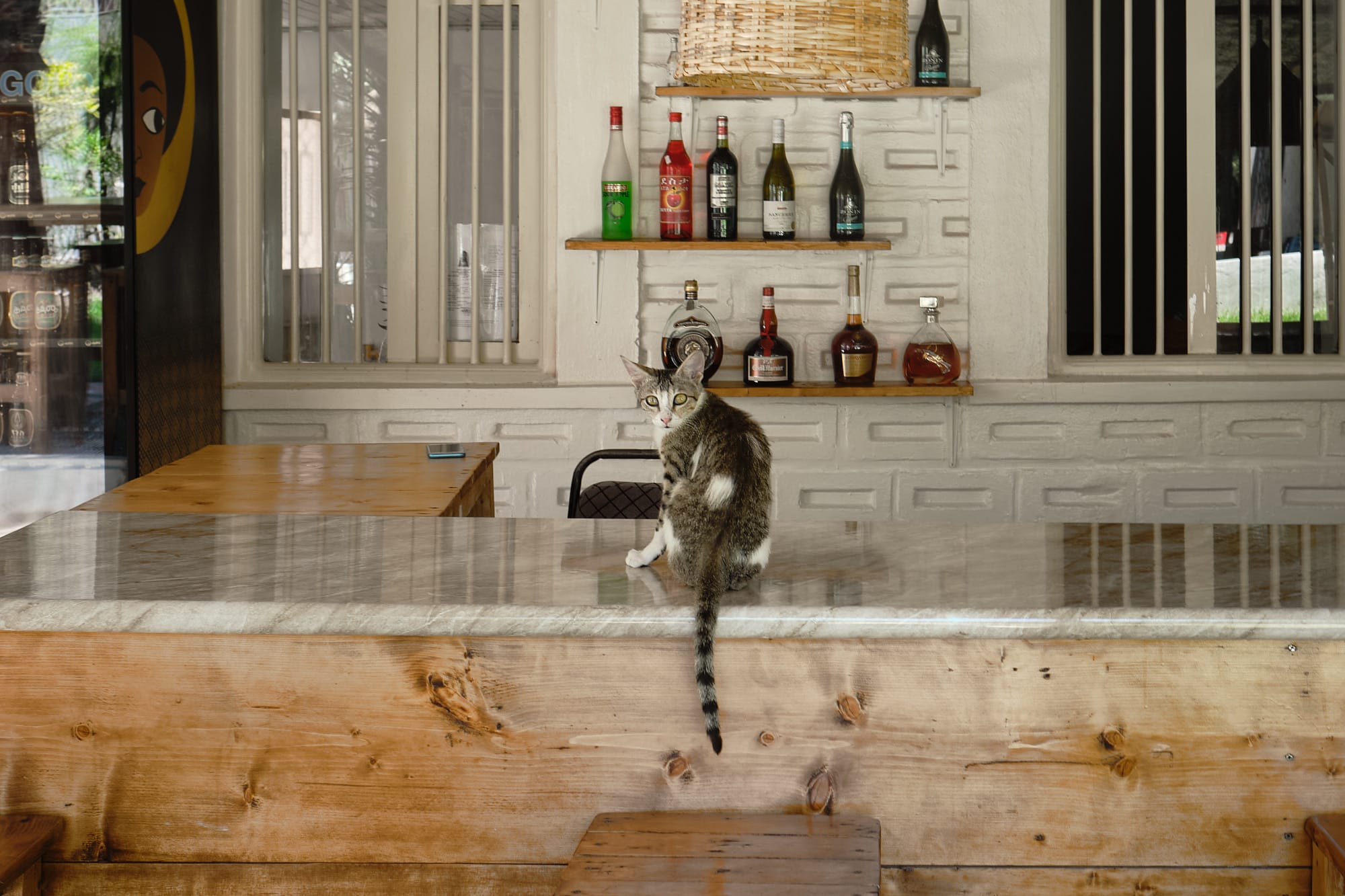
At first glance, Zanzibar looks like an inviting garden restaurant. There are trees, wooden tables, woven furniture, comfortable seating, and walls decorated with paintings.
The atmosphere changes with the hours: daylight moves through the leaves, while in the evening the garden becomes a place of softer light, drinks, meals, and conversation.
The kitchen prepares everything from fresh juices to substantial dishes, and the bar offers somewhere to sit, meet friends, or spend an evening.
Yet the most important element of Zanzibar is something that cannot be understood simply by looking at its furniture or reading its menu.
From the beginning, Mitto wanted the lounge to be women-friendly, both for the women who came as customers and for those who worked there. The expression sounds simple. Its implications are considerable.
Entering a bar or restaurant alone should be an ordinary act. So should meeting friends, sitting down for a drink, or deciding to stay longer than originally planned.
Yet social expectations, unwanted attention, and the fear of being judged can turn these ordinary decisions into calculations that many men rarely have to make.
A woman may find herself considering questions that have little to do with the quality of the food or the atmosphere of the establishment: Will I feel comfortable here? Will I be left alone if I want to be? Will my presence be interpreted as an invitation? Can I simply enjoy the evening?
These questions are not unique to Ethiopia. They arise in different forms in cities and communities throughout the world, wherever women's freedom to occupy public space remains subject to expectations that men do not experience in the same way.
Mitto understood that hospitality could offer a practical response. At Zanzibar, women should feel equally welcome whether they arrive with friends, with partners, or entirely on their own.
Their presence should require no explanation, and respect should be part of the way the establishment operates.
But an intention, however sincere, is not enough. To make a place genuinely welcoming, someone has to establish the conditions that allow people to relax. And this is where Mitto's approach becomes particularly interesting.
Respect is a daily practice
One of the first decisions Mitto made was to encourage moderate and responsible alcohol consumption. For a lounge serving food and drinks, this might appear to be an unusual priority.
Yet it was entirely consistent with the atmosphere she wanted to create: a place where people could enjoy themselves without their behavior becoming a problem for others.
The principle was accompanied by a clear commitment to zero tolerance for inappropriate conduct, especially behavior that could make women feel uncomfortable or unsafe.
These choices were intended to protect the experience of everyone who entered Zanzibar, without turning hospitality into surveillance or imposing unnecessary restrictions on ordinary social life. The aim was to make respectful behavior the normal condition of being there.
In my experience, Ethiopia has a rich everyday culture of courtesy, hospitality, and consideration for others, qualities I have encountered countless times during the years I have spent in the country.
Mitto's approach draws on these values while giving them a specific expression within her business.
Of course, a welcoming atmosphere does not emerge automatically from cultural traditions or a set of rules. It depends on the people responsible for maintaining it, on the examples they set, and on how they respond when difficulties arise.
For Mitto, the culture of Zanzibar begins with these everyday decisions. And what makes the story especially interesting is that customers responded enthusiastically.
Women appreciated the freedom to enjoy the lounge without unwanted attention or discomfort.
Men, too, discovered the advantages of an environment where people could relax, spend time together, and enjoy themselves without unnecessary tensions.
This is perhaps the most important lesson of Zanzibar: creating a women-friendly space does not mean creating a space against men, or separating people according to gender.
It means recognizing that when women feel respected and secure, the quality of the experience improves for everyone. And the success of Zanzibar suggests that people recognize the difference.
The women behind Zanzibar
There is another dimension to Mitto's idea, equally important and perhaps less immediately visible to customers: a women-friendly establishment must also be a place where the women who work feel respected, secure, and valued.
At Zanzibar, Mitto has made the well-being of her employees an important part of the way she manages the business.
The women who work there are treated with consideration and receive a range of employment benefits, reflecting an approach in which their needs matter alongside those of the customers.
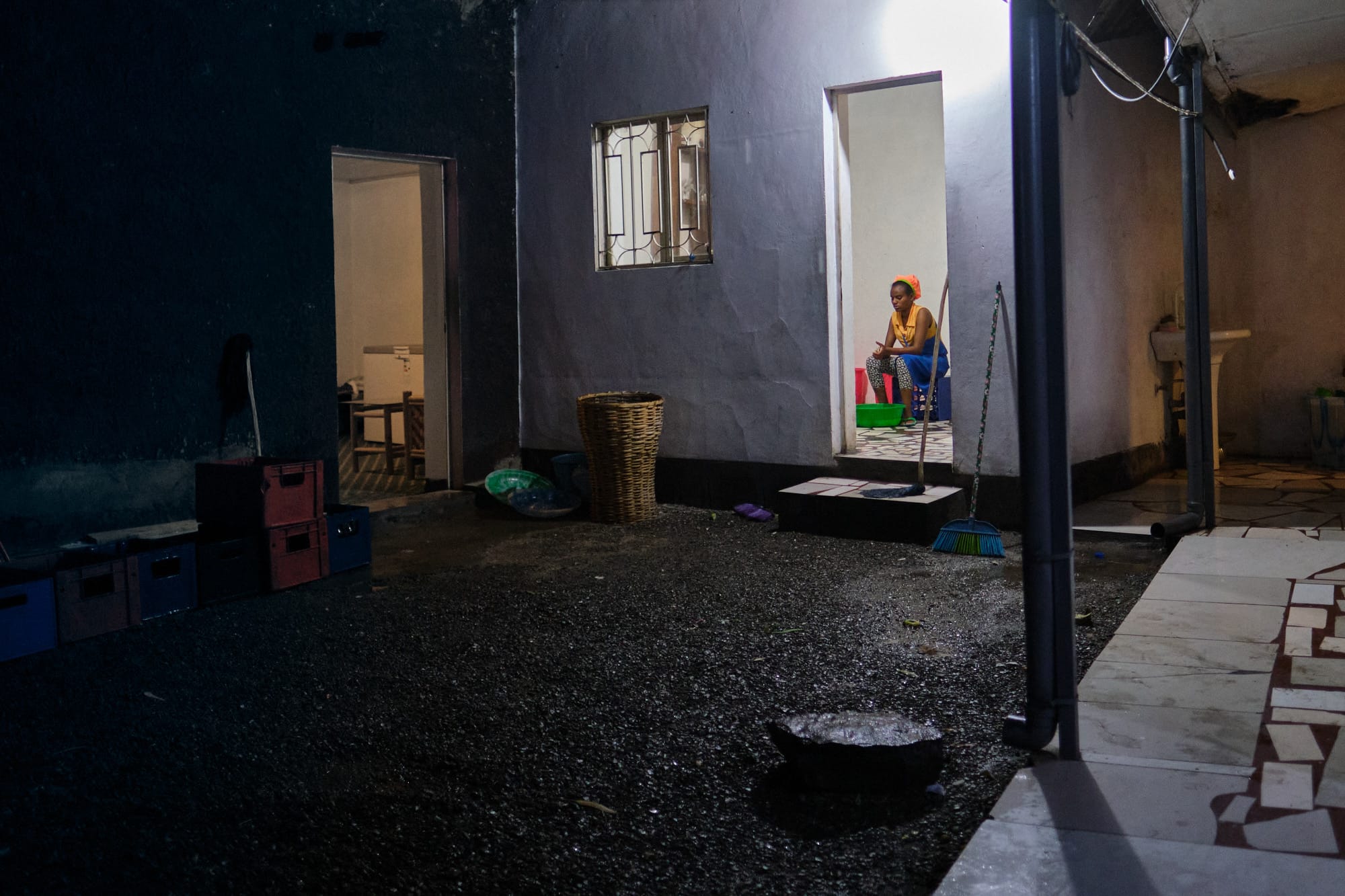
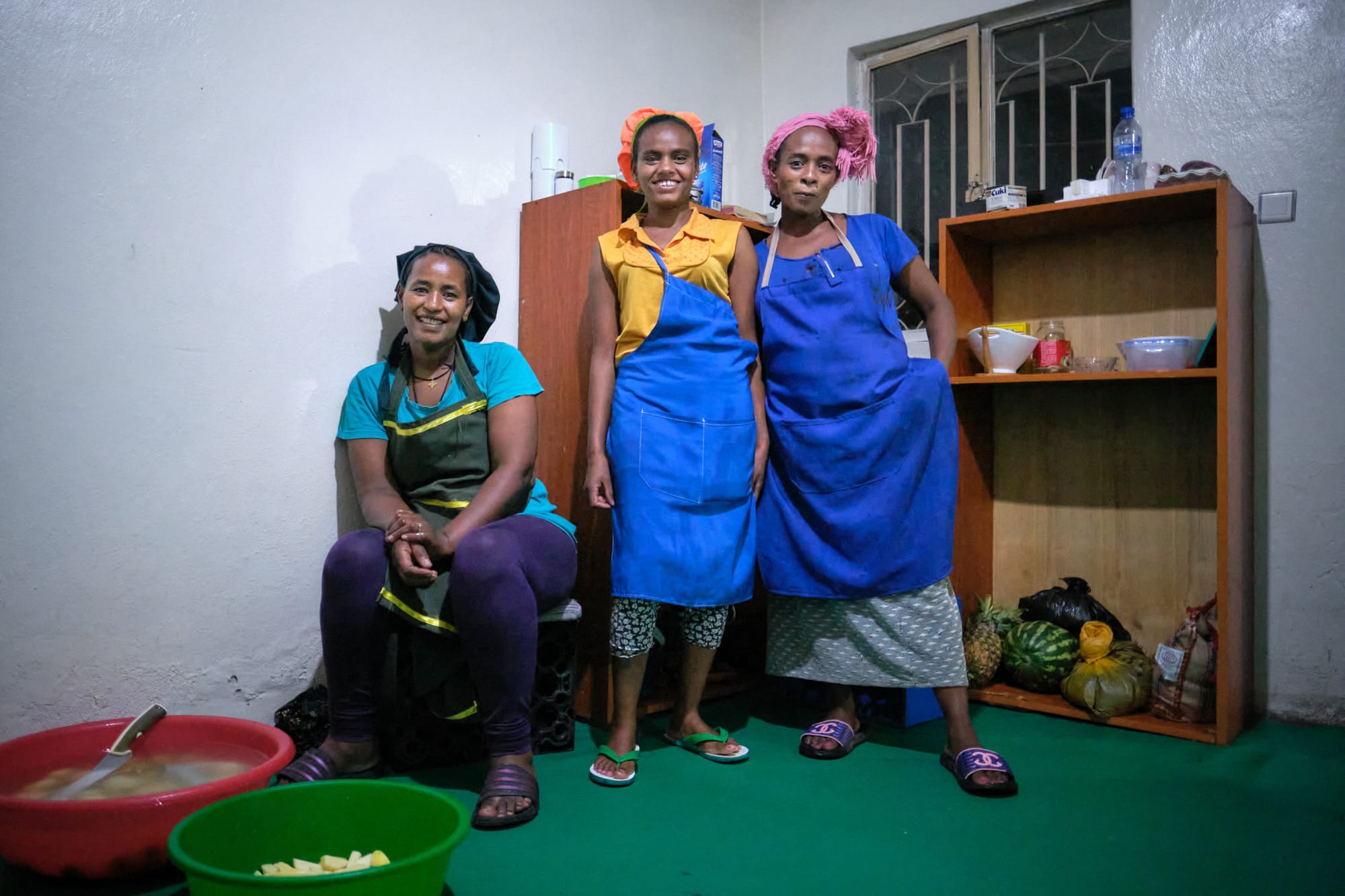
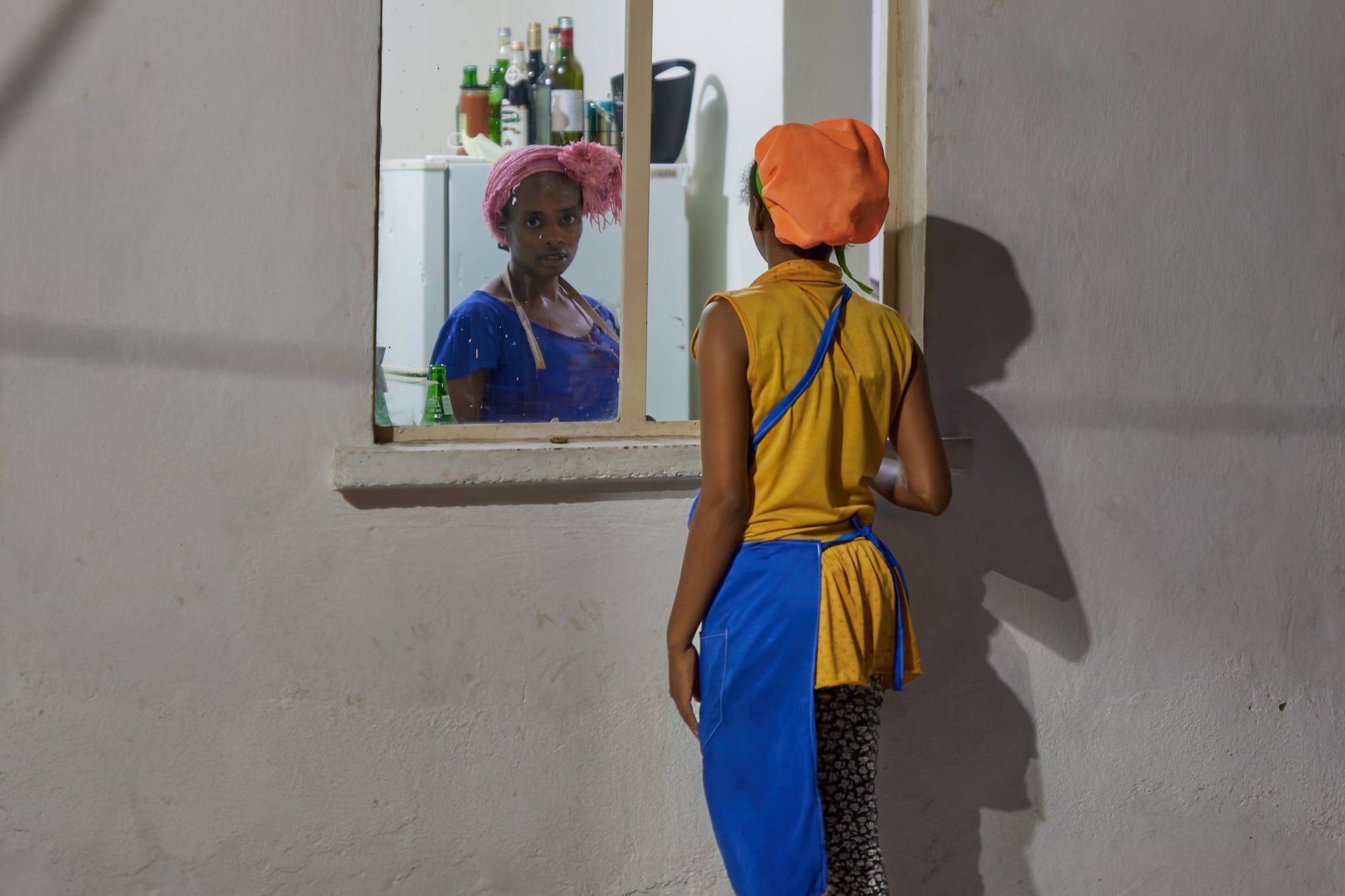
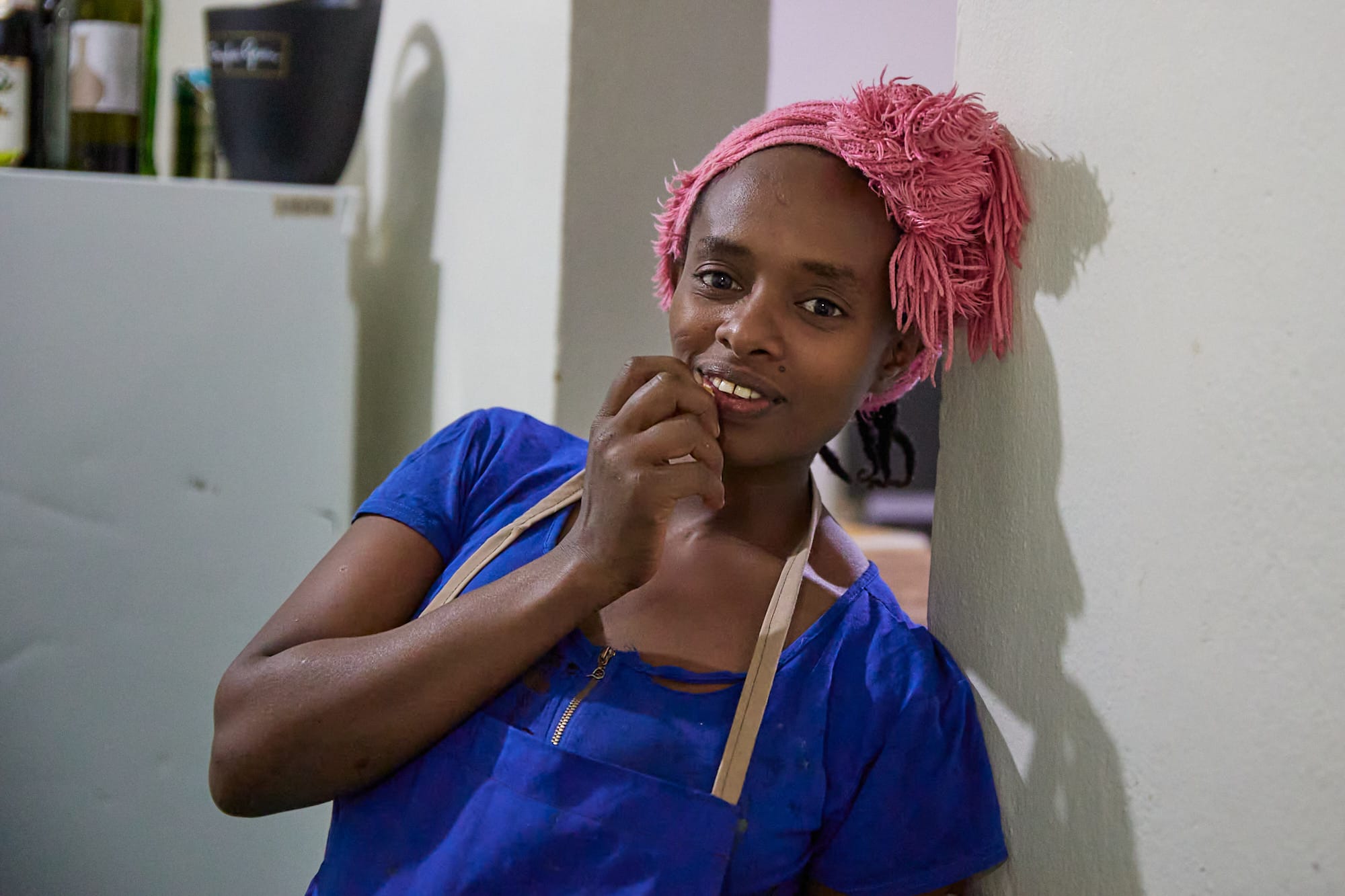
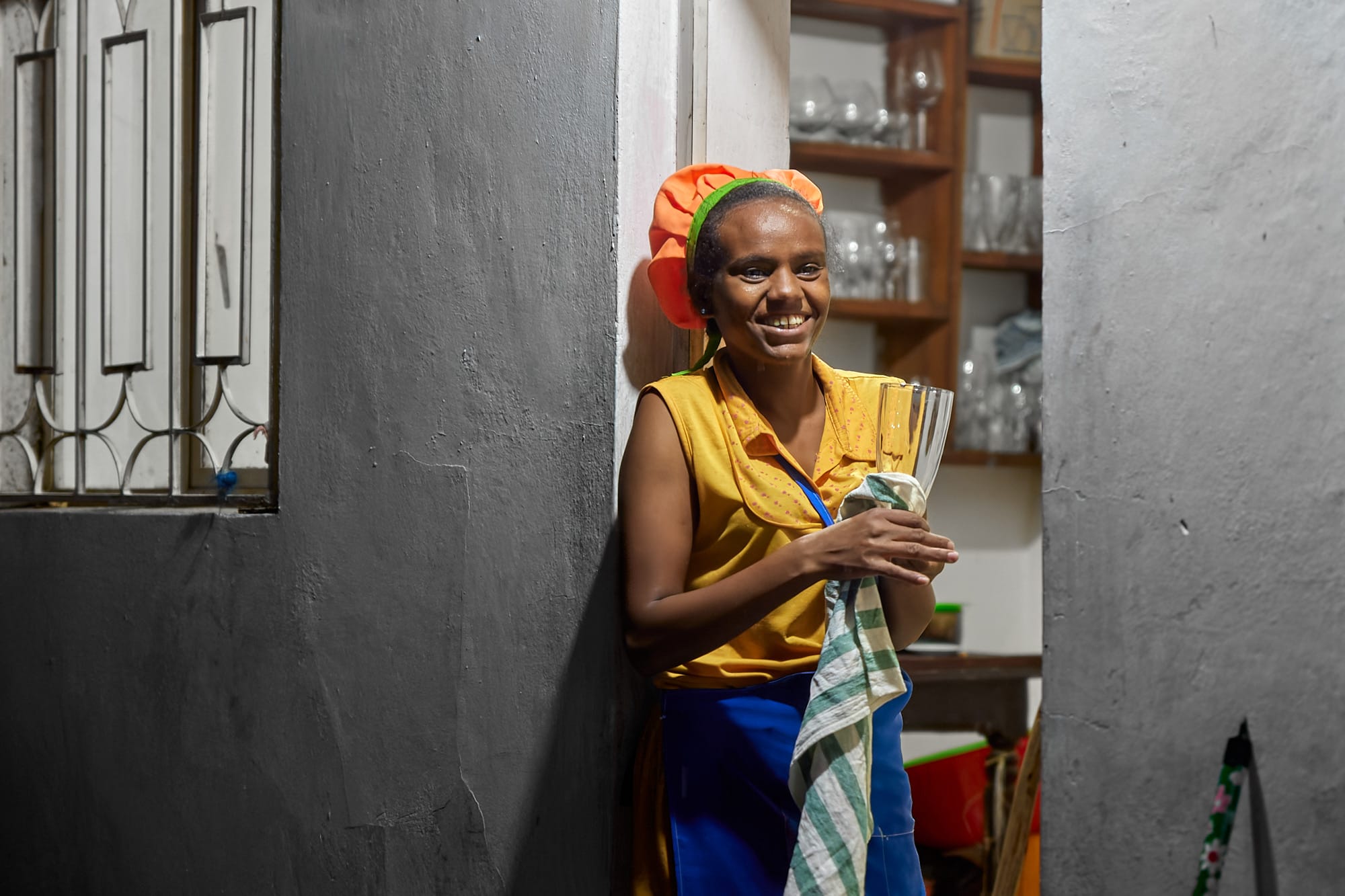
The consequences are visible in the atmosphere of the place: there is a relaxed, cheerful, almost familial quality to the relationships among the staff, something that becomes apparent in the small moments of everyday work: a smile exchanged in the kitchen, a conversation through the service window, someone pausing for a photograph before returning to her responsibilities.

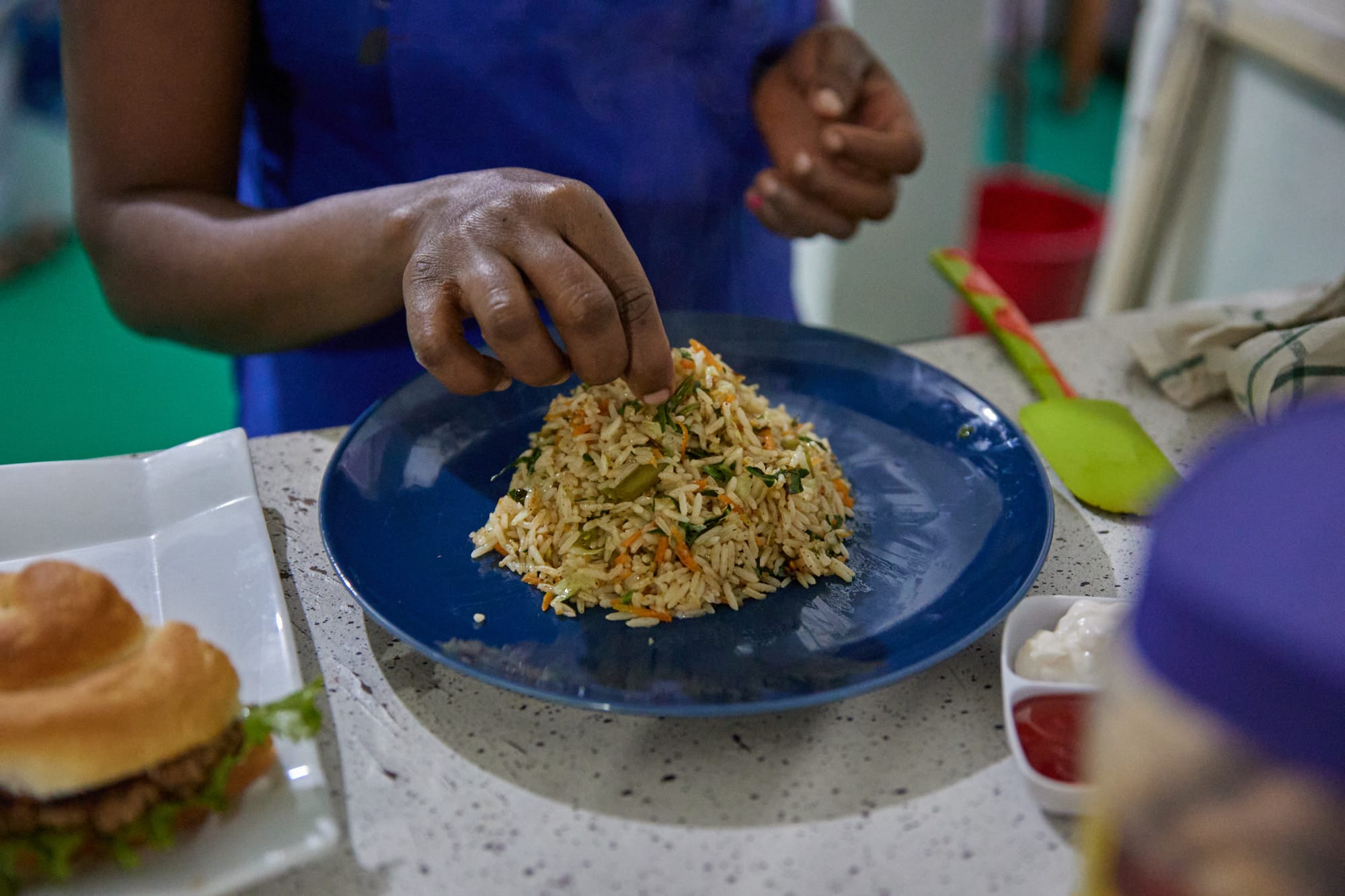
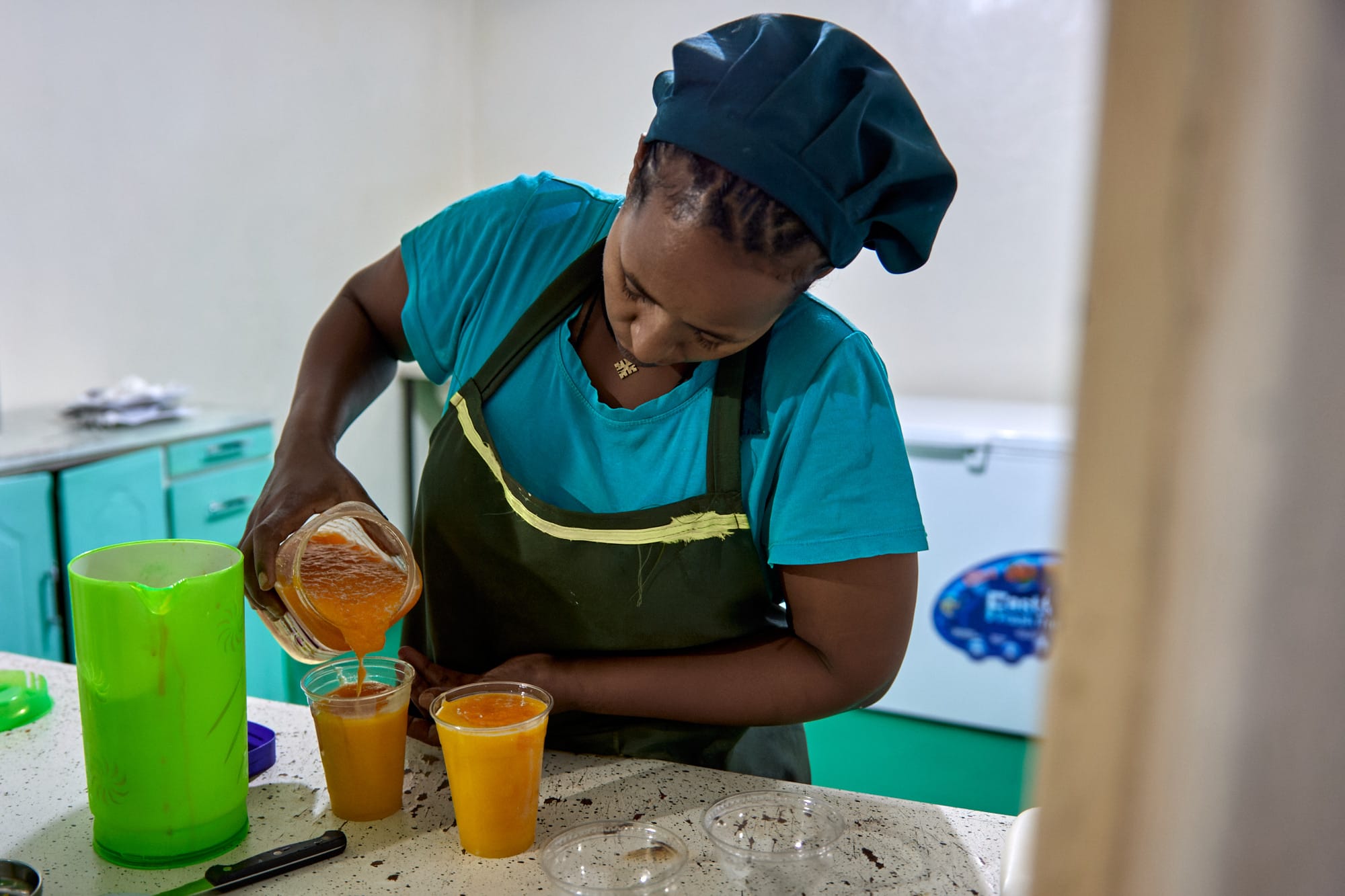
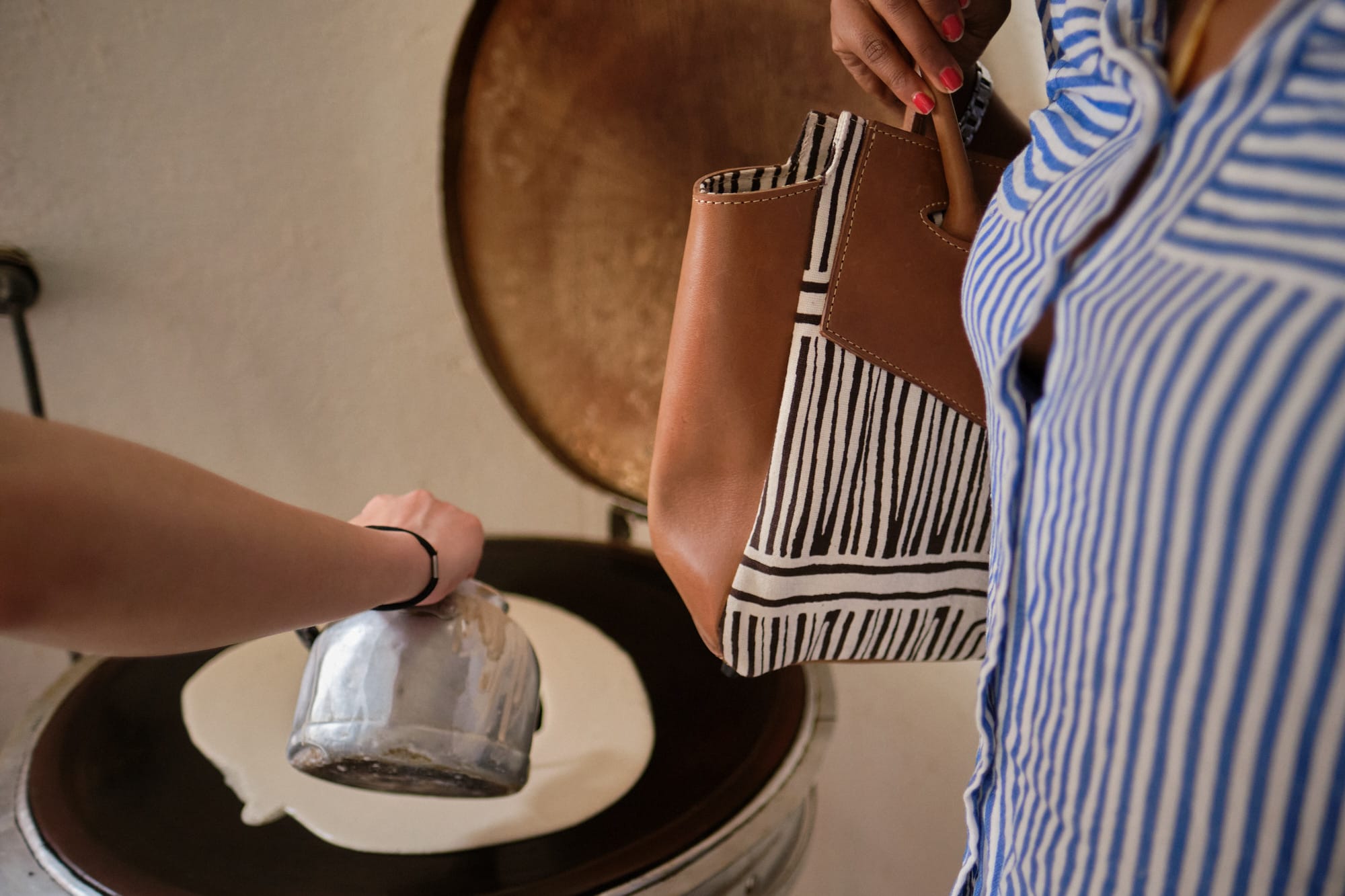
The photographs taken inside Zanzibar show women preparing food, pouring drinks, arranging dishes, and moving through the practical tasks that keep a restaurant running.
In one image, three women stand together for a portrait. In another, a member of the kitchen team pauses at a doorway, a glass and towel in her hands.
Elsewhere, fresh juice is poured into plastic cups, and a dish of rice receives its finishing touches. These are ordinary scenes from working life, and that is precisely why they matter.
A restaurant exists through the labor of the people who work there. Their competence, attention, and relationships with one another are as essential to the atmosphere as the architecture or the menu.
Of course, a photograph of a smiling employee cannot tell us everything about working conditions, wages, or the difficulties of running a business. Those realities are far more complex than any image can reveal.

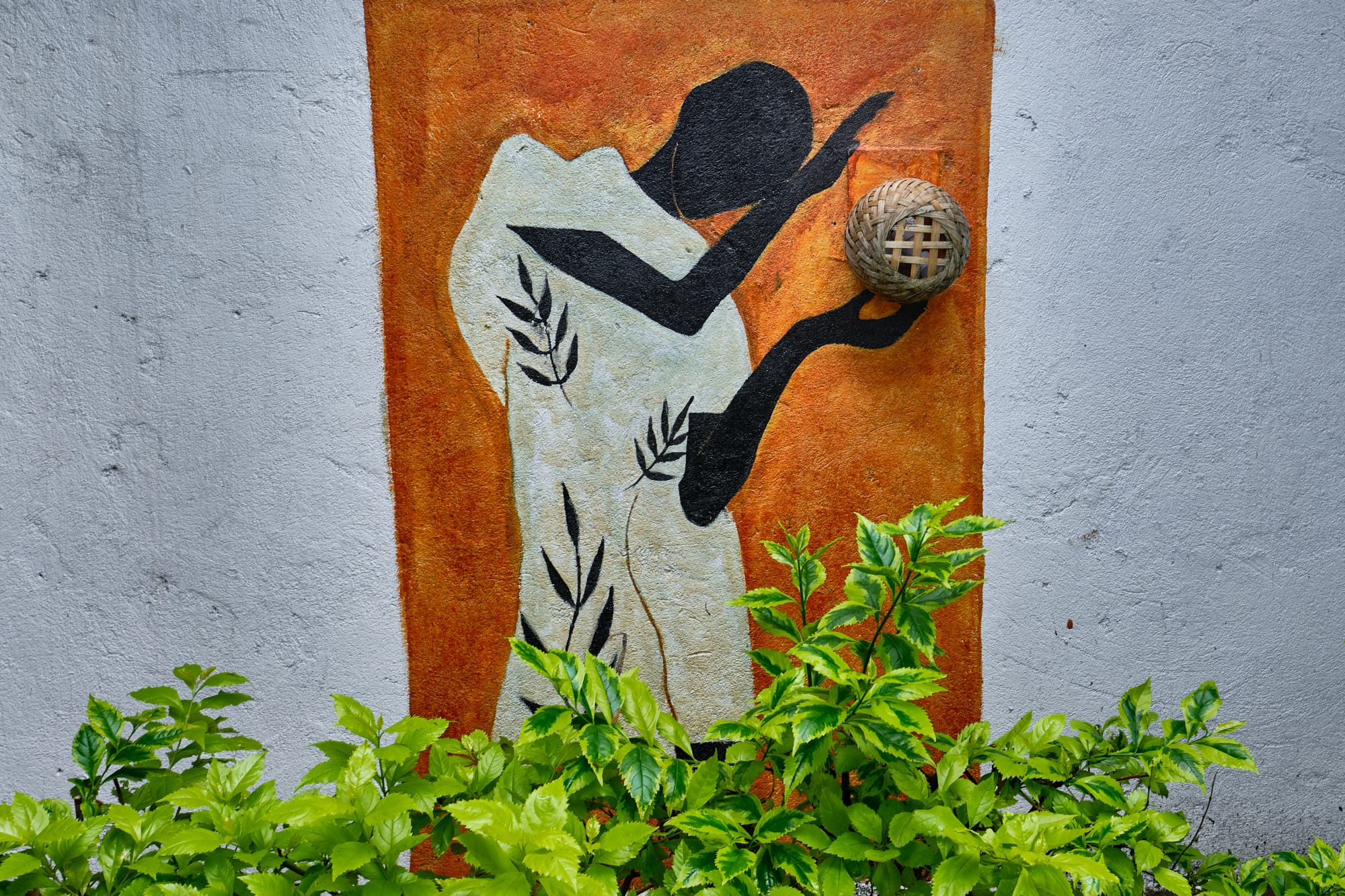
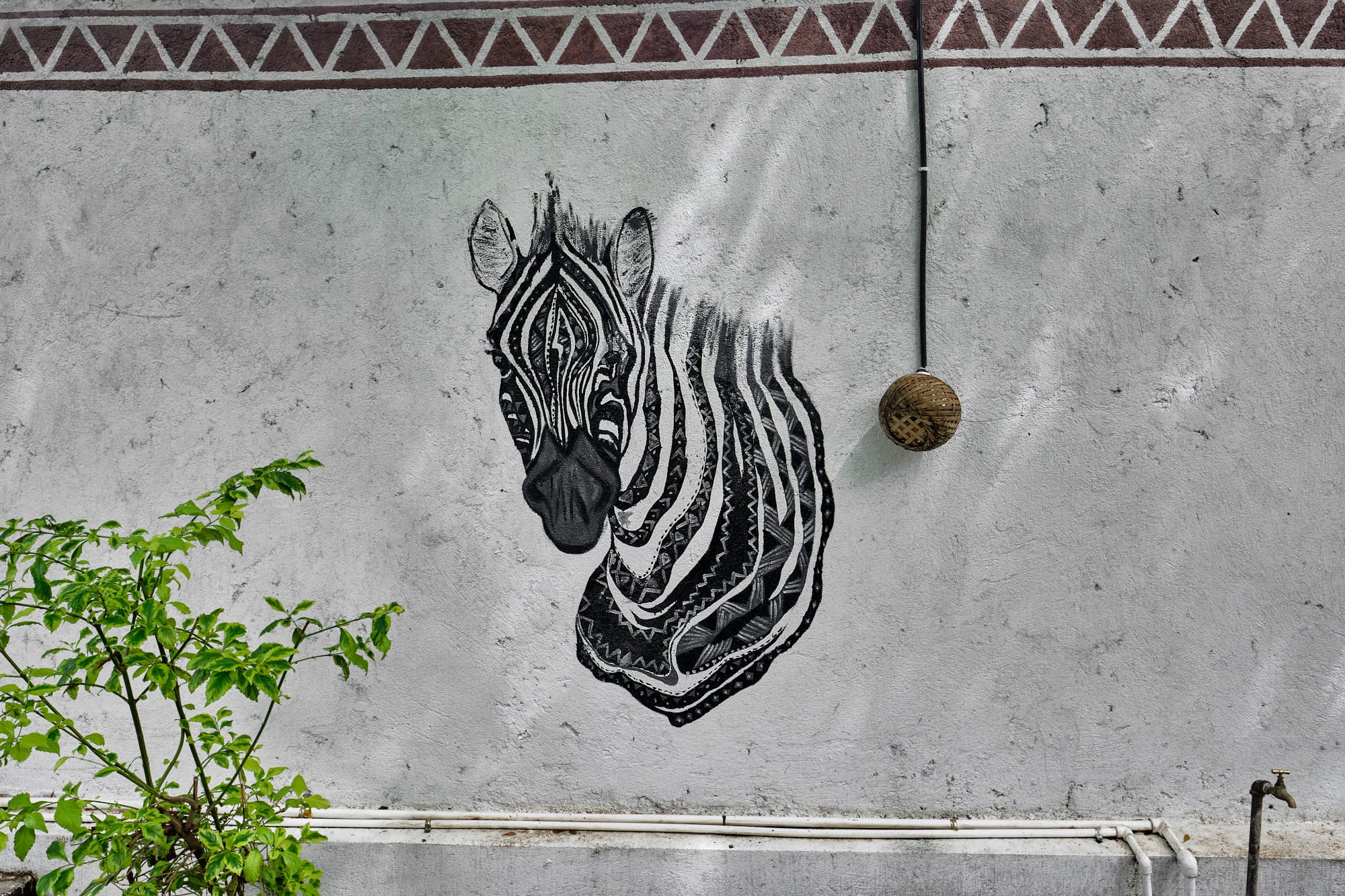
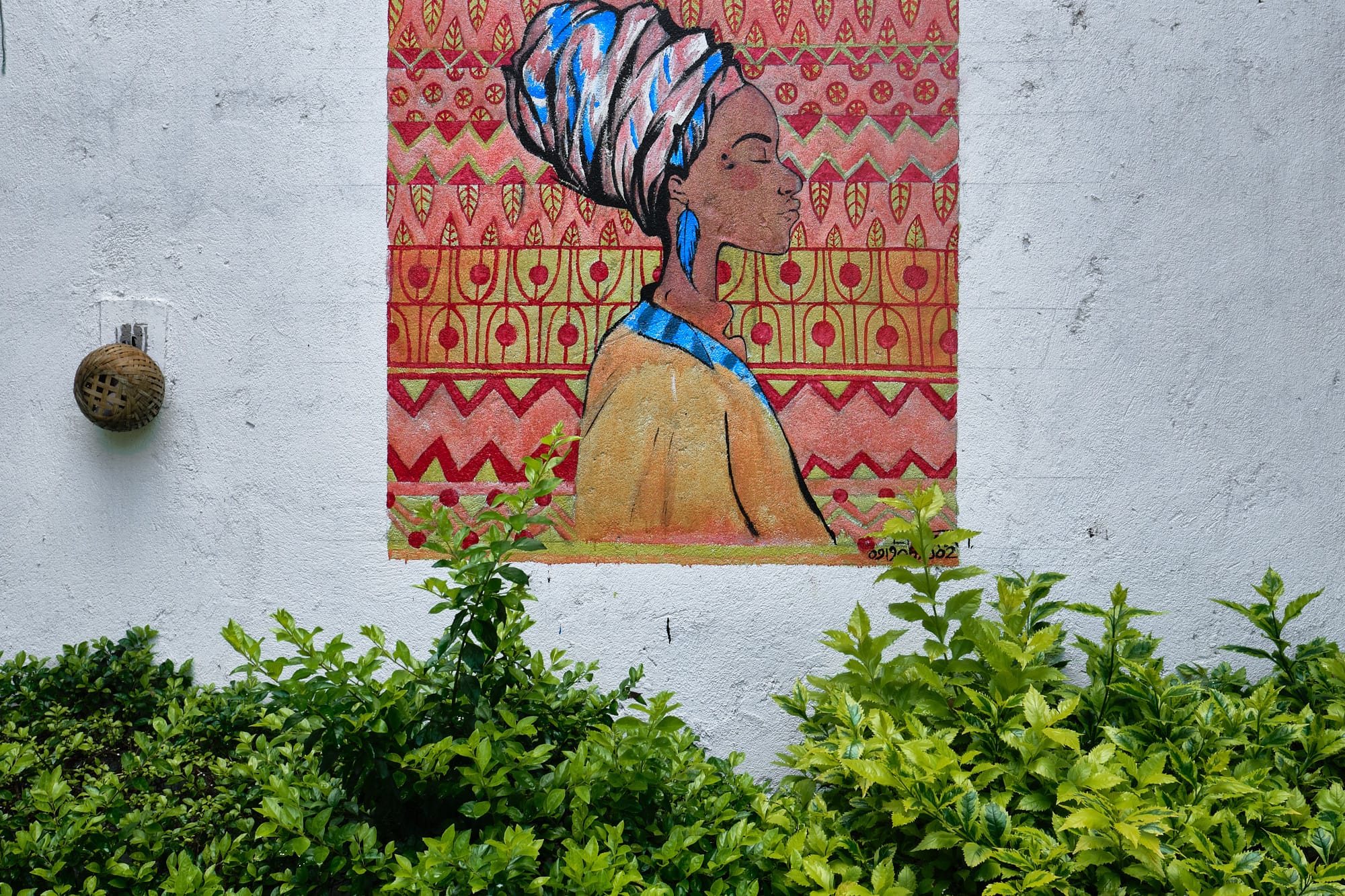
Paintings commissioned from local artists decorate Zanzibar's walls, introducing images, patterns, and references that give the garden its distinctive visual identity.
But Mitto's commitment to looking after her employees is part of the story of Zanzibar, and it helps explain the atmosphere that customers encounter.
There is a connection between the way people are treated at work and the way they welcome others. When staff members feel respected and appreciated, that experience can influence the relationships they establish with colleagues and customers.
Hospitality begins long before someone orders a drink. It begins with the people who open the doors, prepare the food, clean the tables, and make the establishment work.

A business built around an idea
Mitto did not build Zanzibar entirely alone. Her husband Lorenzo, an Italian architect and a close friend of mine, helped her establish and launch the business.
His professional work has long been devoted to building with earth, a field in which he has developed extensive expertise.
But the identity of Zanzibar, and particularly its approach to women, grew from Mitto's own convictions. There is something important about the fact that this philosophy has also proved commercially successful.
Businesses are often encouraged to distinguish themselves through increasingly elaborate products, carefully constructed images, or the promise of exclusive experiences.
Mitto made a different decision: she paid attention to how people wanted to feel when they entered her establishment.
She understood that comfort is not simply a matter of attractive furniture, and that safety cannot be reduced to a security measure.
Both depend on the conduct of the people who manage a place, the behavior they encourage, and the atmosphere they establish through countless everyday decisions.
It is difficult to measure such things, but their consequences can be substantial. When people feel welcome, they return. When they trust a place, they recommend it.
When a business becomes part of their social life, its value extends beyond the food and drinks it sells. Zanzibar has benefited from this relationship between trust and commercial success. There is no contradiction between the two.
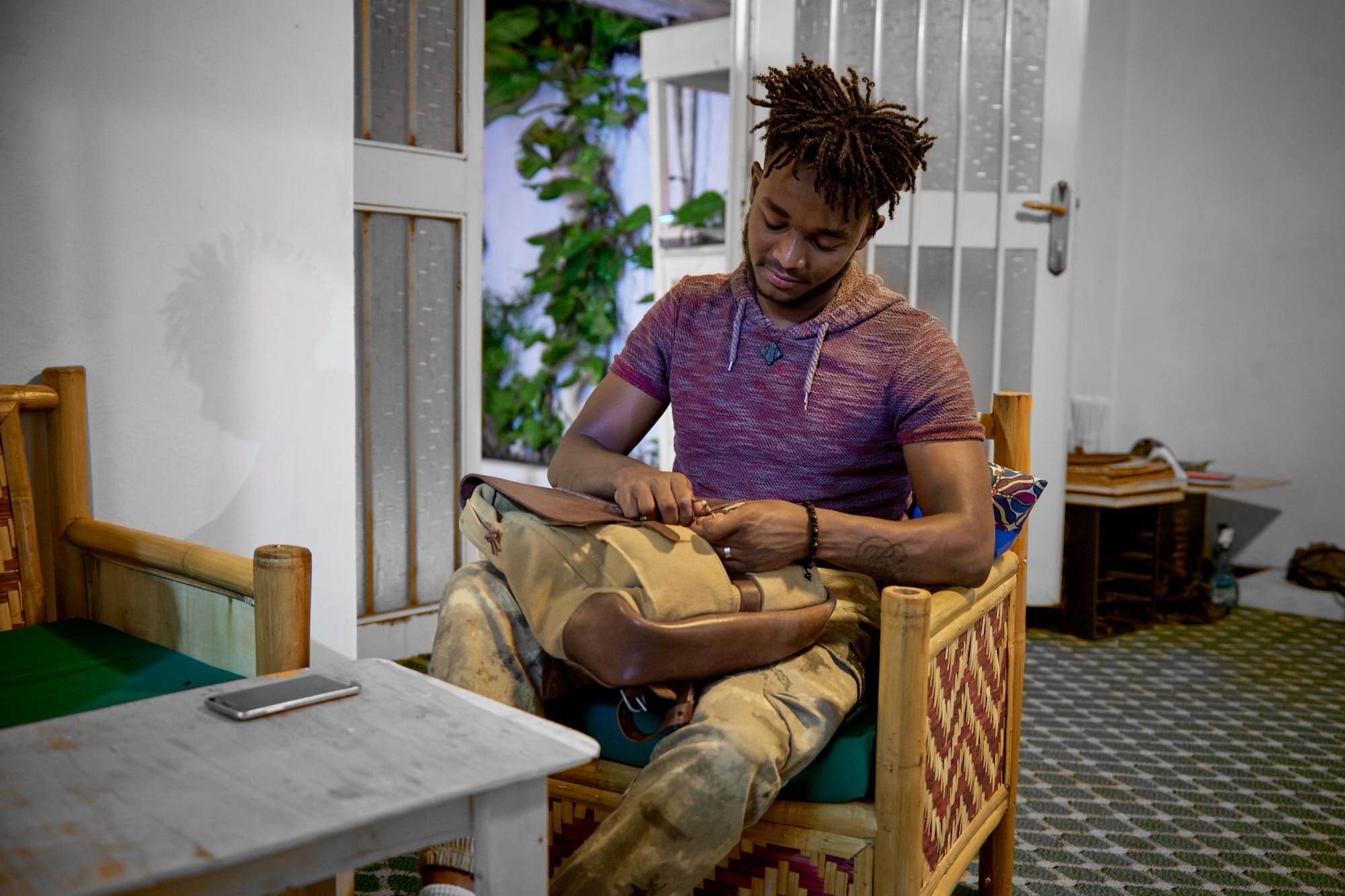
An enterprise must remain economically viable, offer reliable services, and adapt to changing circumstances. It must pay its expenses, compensate its employees, maintain standards, and respond to the expectations of its customers.
Mitto has had to manage all these responsibilities while remaining faithful to the principles that inspired Zanzibar in the first place.
The result is an independent business whose identity has been shaped by the values of the woman who created it. And perhaps this is what makes Zanzibar relevant beyond Hawassa.
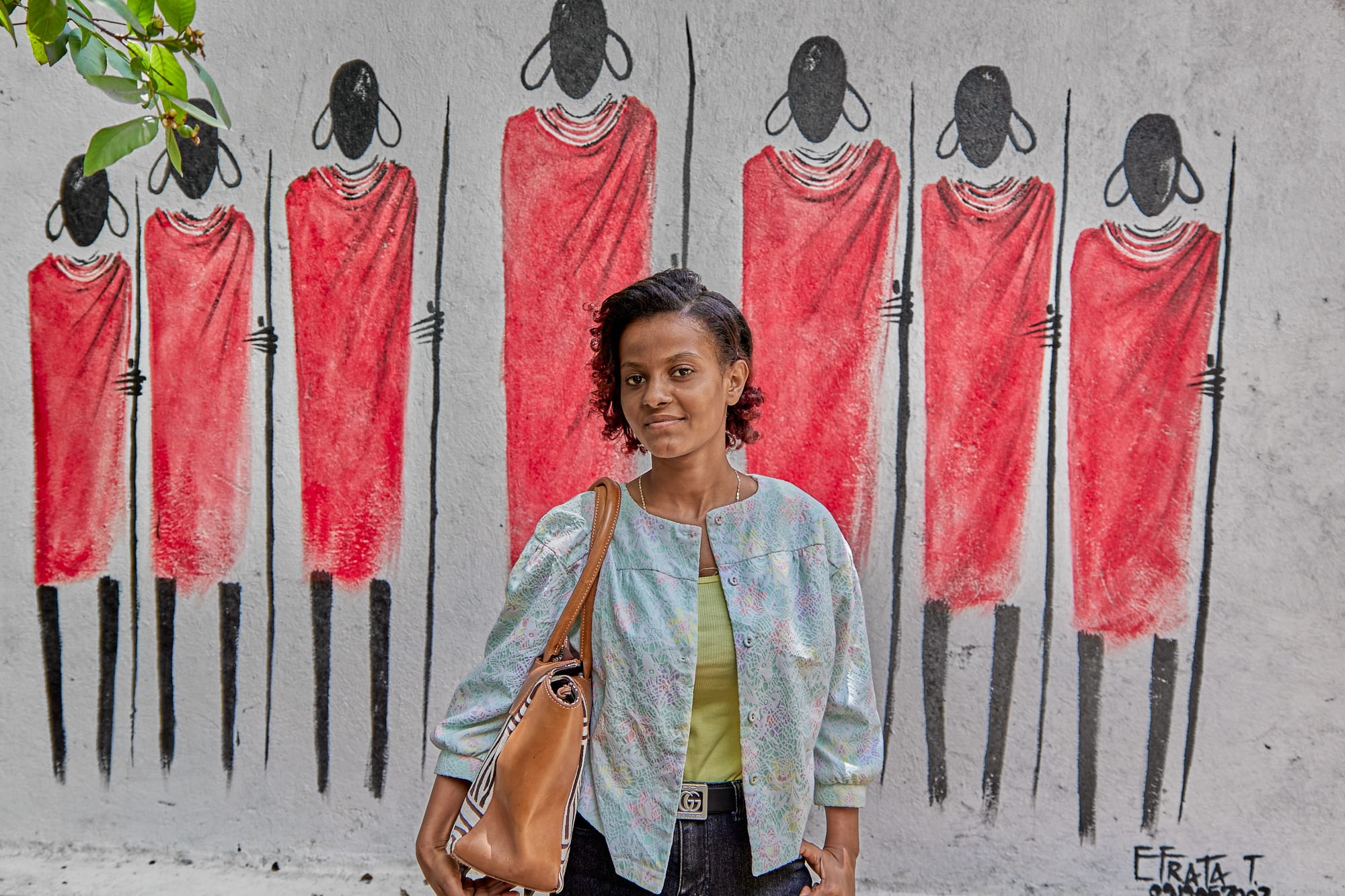
It offers a reminder that the values of a business do not necessarily have to be expressed through manifestos, advertising campaigns, or elaborate statements of social responsibility.
Sometimes they can be found in straightforward decisions: how employees are treated, what kind of behavior is accepted, how alcohol is served, and whether a woman walking through the door alone can feel as welcome as anyone else.
These are choices that shape the daily experience of a place. They also shape its reputation.
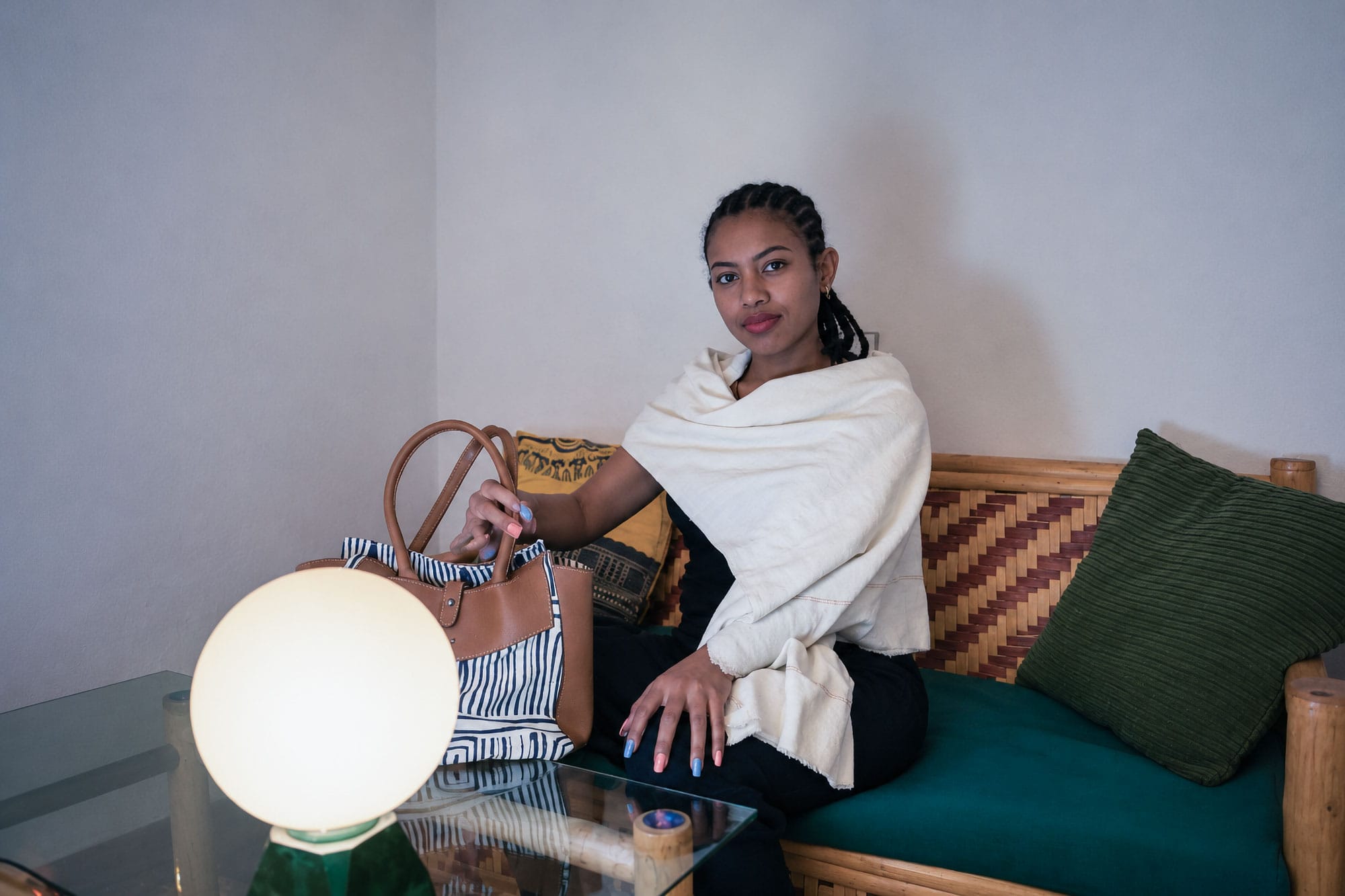
The freedom to stay
There is a particular pleasure in returning to a place and discovering that someone you knew many years earlier has built a life around qualities you remember from their youth.
I still recognize in Mitto the curiosity, determination, and consideration for others that struck me when she was sixteen.
But Zanzibar has added another dimension to that memory: it has given those qualities a public expression, a place where they can become part of other people's daily lives.
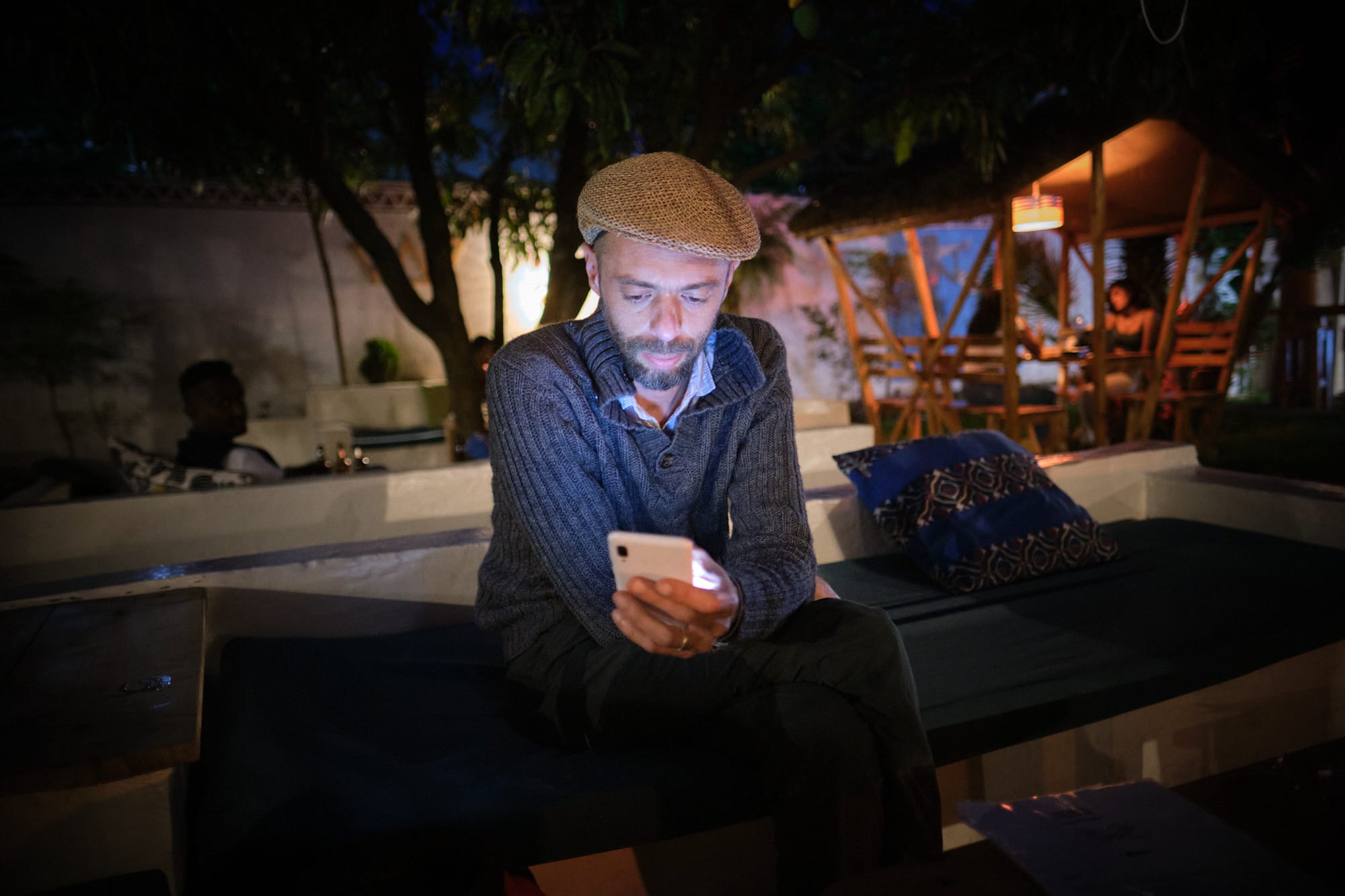
Looking through the photographs, I return to the small details. The women smiling together in the kitchen. The service window opening onto the courtyard.
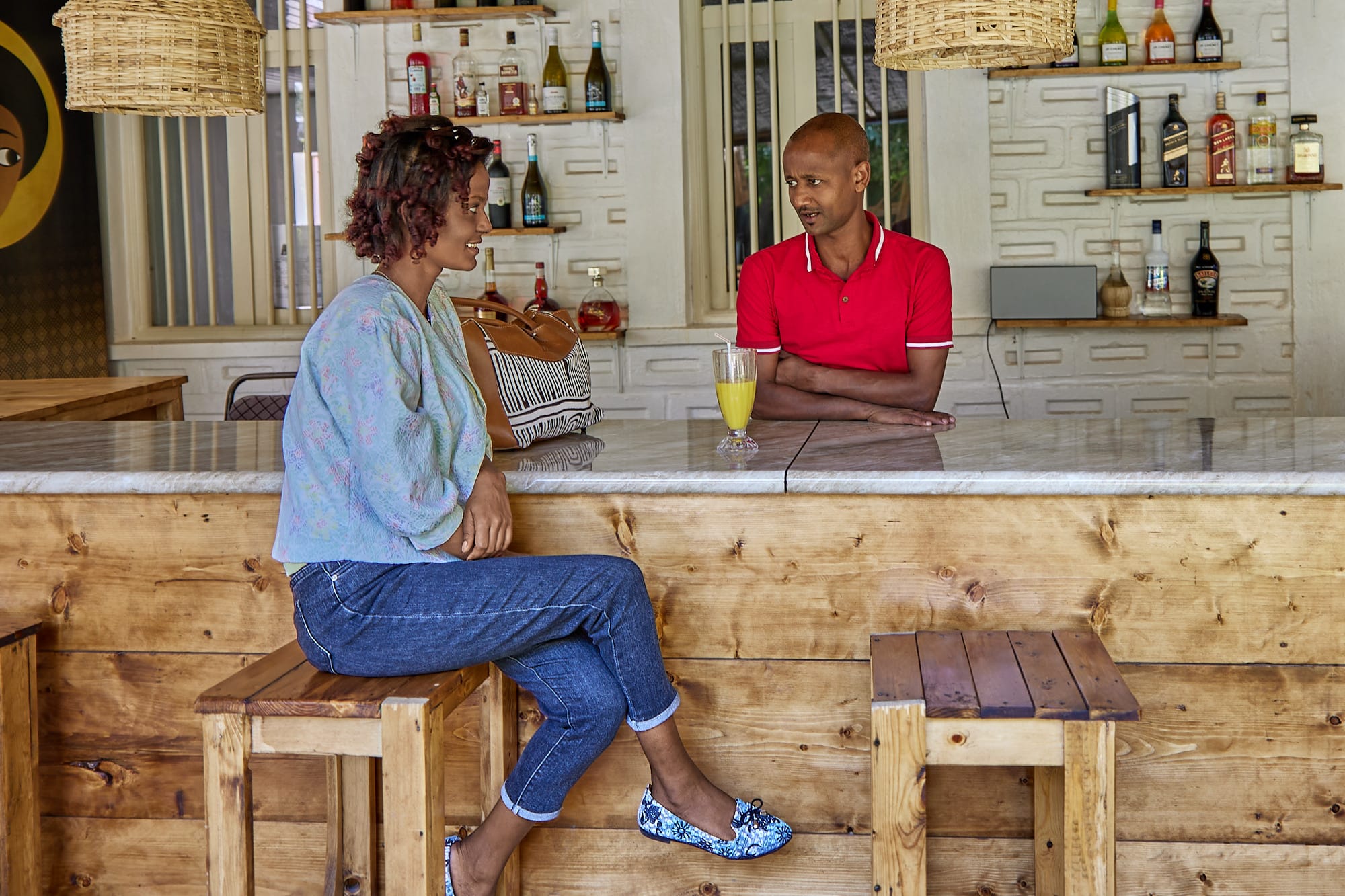
A customer sitting at the bar. A plate being prepared. A conversation. The painted figures on the garden walls. The light of an ordinary evening.
None of these images can prove that every woman who enters Zanzibar will always feel safe or comfortable. Photographs cannot establish such things, and no establishment can promise them absolutely.
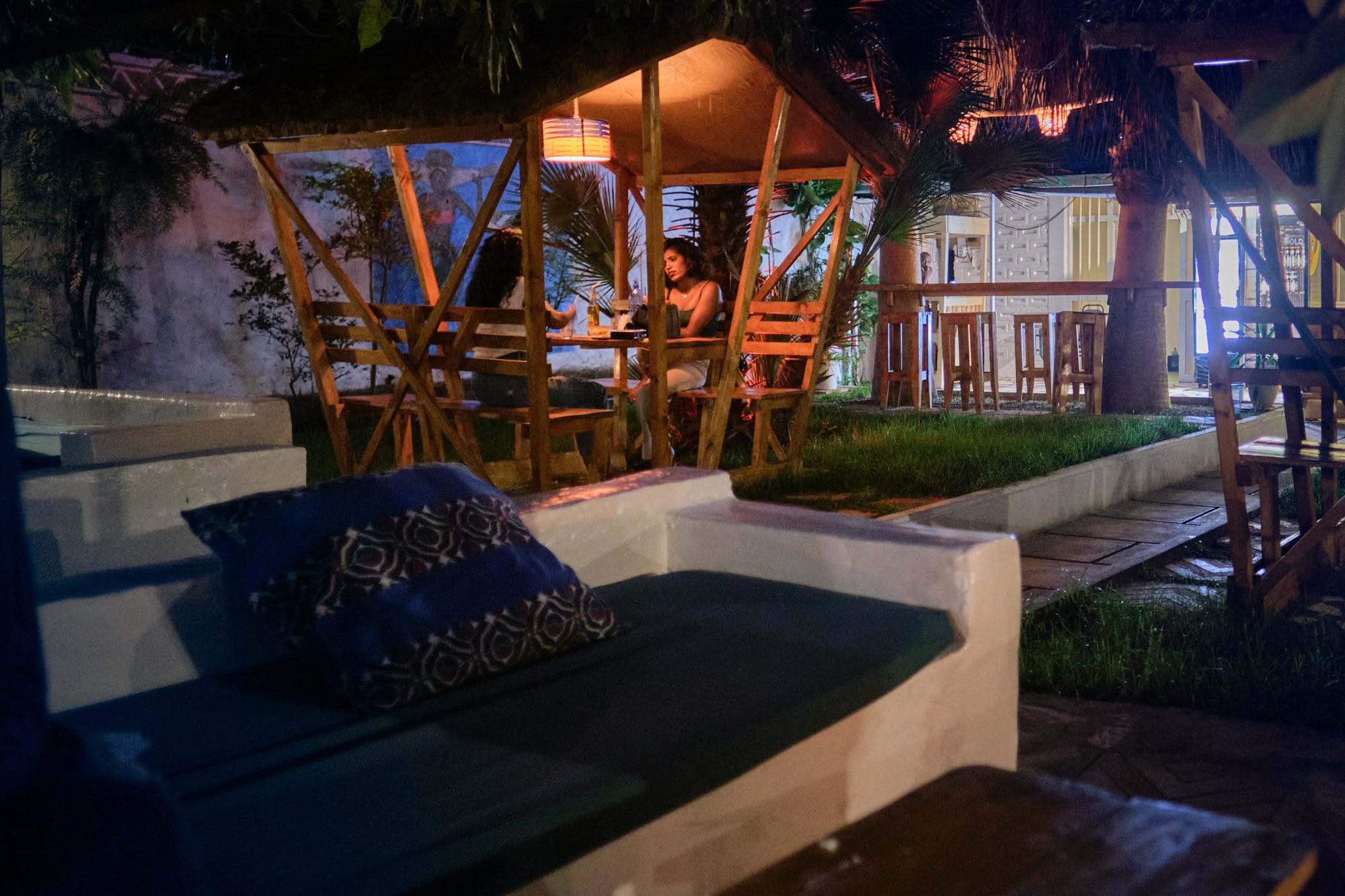
What the pictures can show is the place Mitto has created, the people who give it life, and some of the everyday moments in which her original idea takes shape. Perhaps the most meaningful achievements of a business are not always the easiest to count.
Sometimes they are found in small freedoms: the freedom to enter, to sit down, to enjoy a conversation, to be alone without feeling isolated, to work with dignity, and to leave when one chooses.
Or simply the freedom to stay. At Zanzibar, in Hawassa, that freedom is part of what Mitto set out to make possible. And everyone is welcome to share it.


Member discussion